

Exploring the Depths: Spearfishing in San Diego
Dive into the exhilarating world of spearfishing in San Diego! Discover the best spots, techniques, and gear for an unforgettable underwater adventure.
Read now
Freediving, the exhilarating sport of exploring the underwater world on a single breath, offers a unique set of risks and rewards. Venturing into the depths of the ocean can be both awe-inspiring and potentially dangerous. In this article, we will delve into the various aspects of freediving and provide essential safety tips to ensure a thrilling and secure underwater adventure.
One of the first things a freediver must grasp is the intricacies of the underwater environment. Whether diving in a tropical paradise or exploring the depths of an iceberg-laden sea, each location presents its own peculiarities and challenges. The key to a successful and safe freediving experience lies in understanding and navigating these potential obstacles.
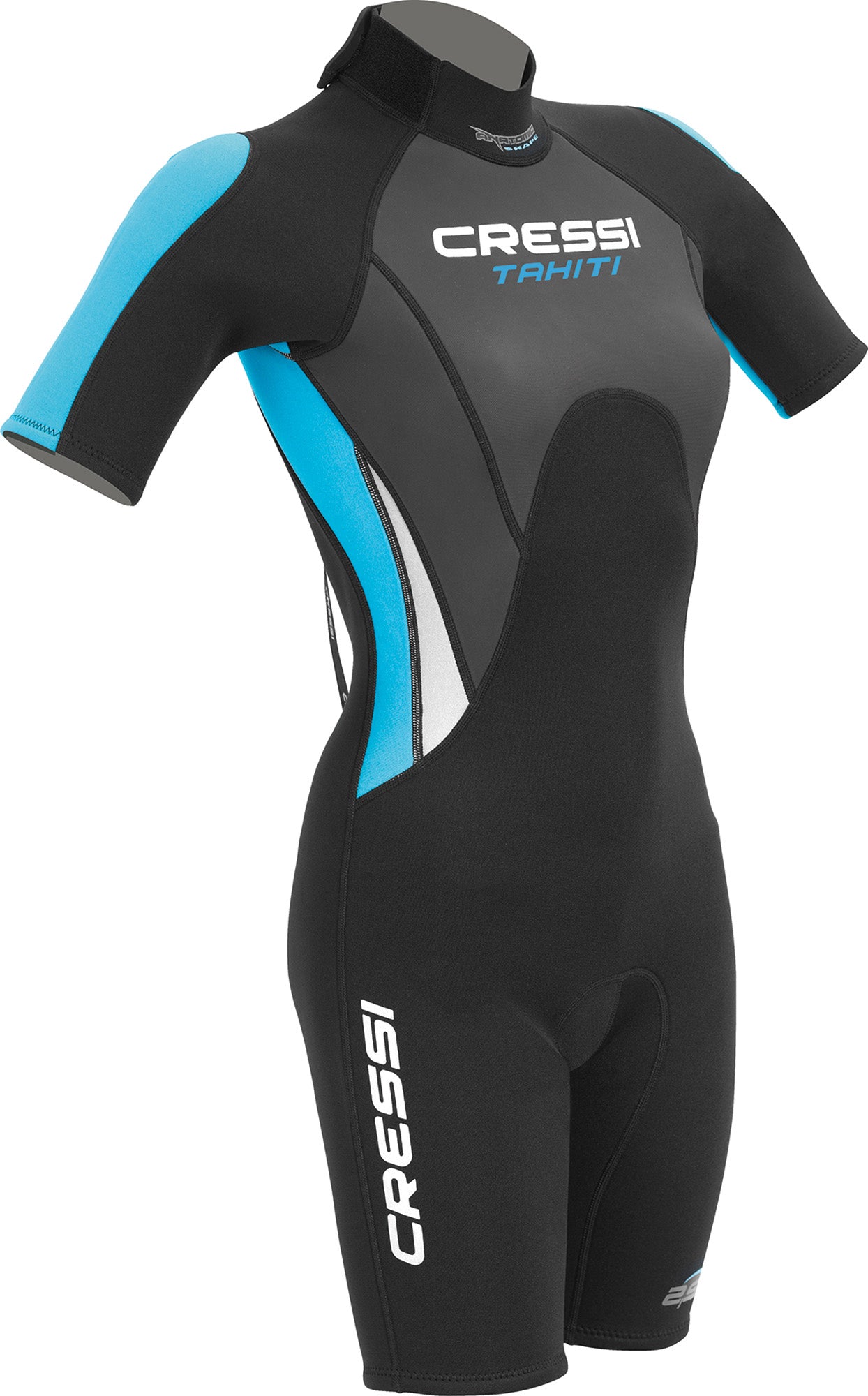
One particular hazard that freedivers need to be aware of is the risk of hypothermia. As the body loses heat faster in water than in air, prolonged exposure to cold temperatures can be life-threatening. Always dress appropriately for the water temperature and consider using a wetsuit or drysuit to provide insulation and minimize heat loss.
Ocean currents can prove to be treacherous, even for experienced freedivers. Understanding their behavior and planning dives accordingly is crucial. Consulting local current charts and receiving guidance from experienced local divers can help ensure you navigate safely and avoid potentially dangerous situations.
From stray fishing lines to submerged debris, entanglement hazards lurk beneath the ocean's surface. Taking the time to familiarize yourself with potential entanglement risks and employing proper techniques to avoid them can significantly reduce the likelihood of accidents. Always carry a knife or shears for emergency scenarios where entanglement cannot be prevented.
Furthermore, it is important to be aware of the diverse marine life that inhabits the underwater environment. While encountering beautiful and fascinating creatures can be a highlight of any dive, it is crucial to approach them with caution and respect. Some species may be territorial or have venomous defenses, so maintaining a safe distance and observing from a respectful distance is essential to both your safety and the well-being of the marine life.
In addition to marine life, understanding the geological features of the underwater environment can enhance your diving experience. From vibrant coral reefs teeming with life to breathtaking underwater caves, each location offers its own unique geological wonders. Taking the time to learn about the geological formations and their significance can deepen your appreciation for the underwater world and make your dives even more memorable.
One of the most rewarding aspects of freediving is the opportunity it affords to interact with marine life in their natural habitat. However, it is crucial to approach these encounters responsibly to ensure the safety of both the diver and the wildlife.
When engaging with marine life while freediving, it is important to remember that these animals are wild and should be treated with respect. Avoid touching or chasing marine creatures, as this can cause stress and disrupt their natural behavior. Instead, maintain a safe distance and observe them from a respectful vantage point. By doing so, you can enjoy the beauty of these animals in their natural environment without causing harm.
Furthermore, it is essential to be aware of local regulations and guidelines regarding interactions with marine life. Some species are protected by law, and disturbing them can result in fines or legal consequences. Educate yourself about the marine life in the area you are diving in, and follow best practices for responsible wildlife encounters. By being a conscientious freediver, you can help protect marine ecosystems and ensure that future generations can also enjoy the wonders of the underwater world.
Descending into the depths of the ocean requires careful attention to the potential risks associated with depth and pressure. Failure to manage these hazards properly can result in serious injury or even death. Therefore, understanding and mitigating these dangers is paramount for every freediver.
Exploring the mysterious underwater world is a thrilling experience, but it comes with its own set of challenges. As you venture deeper into the ocean, the pressure exerted by the water increases exponentially. This pressure can compress air spaces in your body, leading to discomfort or even injury if not managed correctly. Proper training and adherence to safety protocols are essential for a successful and safe dive.
Barotrauma, the physical injury caused by changes in pressure, is a real concern for freedivers. As the pressure increases with depth, air spaces in the body can experience significant stress. Equalizing frequently and correctly is crucial to prevent barotrauma and ensure a safe dive. Remember to clear your ears and sinuses regularly to maintain pressure equilibrium.
Additionally, being mindful of your descent speed can significantly impact your risk of barotrauma. Descending too quickly can put undue stress on your body, particularly your ears and lungs. Take slow, controlled descents, allowing your body to acclimate to the increasing pressure gradually. This cautious approach can help minimize the chances of barotrauma and enhance your overall diving experience.
Decompression sickness, also known as "the bends," is a potentially life-threatening condition caused by a rapid reduction in pressure during ascent. To mitigate this risk, ensure you ascend slowly, allowing your body sufficient time to off-gas accumulated nitrogen safely. Remember to always stay within your personal limits and never push yourself beyond what you are comfortable with.
Moreover, staying properly hydrated before and after your dive can aid in reducing the likelihood of decompression sickness. Hydration helps maintain blood flow and facilitates the elimination of nitrogen from your system, decreasing the risk of developing this dangerous condition. Prioritize your well-being by hydrating adequately and listening to your body's signals throughout your diving adventures.
Embarking on a freediving adventure can be both exciting and challenging. However, by implementing the following essential tips, you can maximize your safety and enjoyment during your underwater explorations.
The art of proper weighting is essential for a successful freediving experience. Properly distributing weights on your body ensures optimal buoyancy control and overall stability. Experimenting with different weight configurations and seeking guidance from experienced divers can help you find the perfect balance for your unique requirements.
When it comes to weighting, it's not just about finding the right amount, but also considering where to place the weights. Some divers prefer to have the weights distributed evenly, while others find it more comfortable to have them concentrated in specific areas. The key is to find what works best for you and allows for effortless movement in the water.
Many freedivers are not only drawn to the underwater world for personal exploration but also to capture and share their experiences through stunning footage. To capture breathtaking visuals, invest in high-quality underwater photography equipment and practice techniques for stable filming. Remember, safety always comes first, so never compromise your own well-being for the sake of capturing the perfect shot.
When it comes to capturing stunning freediving footage, it's not just about having the right equipment. It's also about developing a keen eye for composition and understanding the behavior of marine life. By observing the natural movements and patterns of underwater creatures, you can anticipate their actions and capture truly mesmerizing moments.
One of the core skills in freediving is the ability to hold your breath for extended periods. By implementing various techniques such as breath-holding exercises, relaxation techniques, and proper breath management, you can significantly increase your breath-holding capacity and prolong your time under the water. Always prioritize safety and never push yourself beyond your limits.
Improving your breath-holding abilities is not just about increasing the duration of your dives; it's also about enhancing your overall comfort and relaxation in the water. By practicing meditation and mindfulness techniques, you can calm your mind and body, allowing for a more enjoyable and peaceful freediving experience.
For those looking to expand their skills and knowledge in freediving, enrolling in a training course is a wise decision. These courses provide valuable insights into safety protocols, advanced techniques, and appropriate equipment usage. Before embarking on a training course, ensure you meet the necessary prerequisites and choose a reputable and experienced instructor.
Attending a freediving training course not only helps you acquire new skills but also allows you to connect with a community of like-minded individuals who share your passion for the underwater world. The camaraderie and support from fellow freedivers can greatly enhance your learning experience and provide valuable networking opportunities.
As with any adventure sport, taking calculated risks is part of the thrill. However, it is crucial to approach freediving with a healthy balance of adventure and caution. By understanding the risks associated with the underwater environment, implementing safety protocols, and seeking proper training, you can fully embrace the rewards of freediving and explore the captivating world beneath the waves.
Ready to dive into the world of freediving? Lancaster Scuba is your trusted partner for all your underwater adventures. With our extensive selection of top-quality scuba gear, expert diving instruction, and exotic travel destinations, we've got everything you need to make your next dive unforgettable. Gear up, dive in, and travel the world with us. Check out our scuba gear today and take the first step towards your next underwater exploration!


{"one"=>"Select 2 or 3 items to compare", "other"=>"{{ count }} of 3 items selected"}