

Exploring the Depths: Spearfishing in San Diego
Dive into the exhilarating world of spearfishing in San Diego! Discover the best spots, techniques, and gear for an unforgettable underwater adventure.
Read now
In the realm of extreme sports, there exists a pursuit that combines the thrill of exploration with the challenge of endurance—freediving. Among the many feats within this sport, the quest for the deepest freedive record stands as a testament to human potential and the unyielding desire to venture beyond known boundaries. This article delves into the depths of this captivating endeavor, exploring not only the records and the individuals who set them but also the spirit of adventure and commitment to safety that defines the freediving community.
Freediving, at its core, is about simplicity and purity. It's the act of diving into the ocean's depths on a single breath, without the assistance of breathing apparatus. This discipline requires not just physical strength and technique but also mental fortitude and a profound connection with the water. Freediving is more than a sport; it's a way to explore the underwater world in its most natural state, offering a unique perspective on life beneath the surface.
The practice of freediving dates back thousands of years, rooted in ancient cultures that relied on the technique for sustenance and survival. From the sponge divers of Greece to the Ama pearl divers of Japan, freediving has been an integral part of human history. However, it wasn't until the 20th century that freediving emerged as a competitive sport, with milestones and records becoming a focal point for divers worldwide.
As technology and training methods have advanced, so too have the depths to which freedivers can reach. The evolution of freediving is a story of human achievement, showcasing our innate desire to explore and push the limits of what is considered possible.
Freediving encompasses several disciplines, each with its own set of challenges and techniques. The most notable include Constant Weight (CWT), where divers descend and ascend using fins or a monofin; Free Immersion (FIM), involving the diver pulling themselves along the dive line; and No-Limits (NLT), where divers use a weighted sled for descent and an inflatable bag for ascent. Each discipline offers a unique approach to exploring the depths, catering to the diverse interests and strengths of freedivers.
The quest to set the deepest freedive record is a journey that has captivated the freediving community and the world at large. It's a pursuit that not only showcases the physical and mental prowess required to reach such depths but also highlights the advancements in safety and training that have made these achievements possible.
The current record for the deepest freedive is a feat that stands as a pinnacle of human endurance and determination. Achieved by Alexey Molchanov in 2021, the record dive reached a depth of 130 meters (426 feet) in the Constant Weight discipline. This remarkable achievement is a testament to the years of training, dedication, and passion that Molchanov has devoted to freediving.
Other notable record holders include Herbert Nitsch, known as the "Deepest Man on Earth," who set the No-Limits freediving record at an astonishing depth of 214 meters (702 feet). These individuals, among others, have not only pushed the boundaries of the sport but also inspired a new generation of freedivers to explore the limits of their own potential.
With the pursuit of depth comes the inherent risk of decompression sickness, nitrogen narcosis, and blackout. The freediving community places a paramount emphasis on safety, with rigorous training and strict protocols in place to mitigate these risks. Record attempts are meticulously planned, with a team of safety divers, medical personnel, and state-of-the-art equipment on hand to ensure the well-being of the diver.
Education and awareness are also crucial components of safety in freediving. Divers are trained to recognize the signs of hypoxia and to understand the importance of gradual acclimatization to depth. The culture of safety within the freediving community is a reflection of its commitment to preserving the integrity of the sport and the health of its participants.
The allure of freediving lies in its ability to transport individuals to a world unlike any other. It's an exploration of the unknown, a journey into the serene and captivating environment of the ocean's depths. Freediving offers a sense of freedom, weightlessness, and connection with nature that is unparalleled.
Beyond the adventure, freediving offers profound mental and physical benefits. The discipline required for breath-hold diving promotes mental clarity, stress reduction, and an increased awareness of one's body. Physically, it enhances cardiovascular health, lung capacity, and overall strength and flexibility. Freediving is not just a pursuit of records; it's a lifestyle that fosters well-being and harmony with the aquatic world.
At the heart of freediving is a community bound by a shared passion for the ocean and the sport. Freedivers, regardless of their level of experience, are part of a global family that supports and encourages one another. The culture of freediving is one of respect—respect for the ocean, for the limits of the human body, and for the fellow divers who embark on this journey. It's a community that celebrates achievements, learns from challenges, and continuously strives to explore the depths of both the ocean and the human spirit.
Preparing for a freedive involves a combination of physical training, mental preparation, and understanding the physiological responses of the body to breath-holding and pressure changes. Physical training often includes cardiovascular exercises to improve lung capacity, strength training for the muscles involved in diving, and flexibility exercises to enhance the diver's range of motion.
Mental preparation is equally important, as freediving requires a calm and focused mindset. Techniques such as meditation, visualization, and breath control are commonly used to help divers relax, conserve oxygen, and manage stress while underwater. Understanding the body's response to breath-holding, including the mammalian dive reflex, is crucial for maximizing dive times and depths.
Central to the practice of freediving are proper breathing techniques that optimize oxygen intake and utilization. Diaphragmatic breathing, also known as belly breathing, allows for deeper inhalations and exhalations, increasing oxygen exchange in the lungs. Purging, a technique used to clear residual carbon dioxide from the lungs before a dive, helps prevent shallow-water blackout and extends breath-holding capabilities.
Training in breath-hold exercises, such as static apnea and dynamic apnea, improves the body's tolerance to high levels of carbon dioxide and low levels of oxygen. These exercises not only enhance lung efficiency but also train the body to remain calm and composed during extended breath-holds, essential for successful freediving performances.
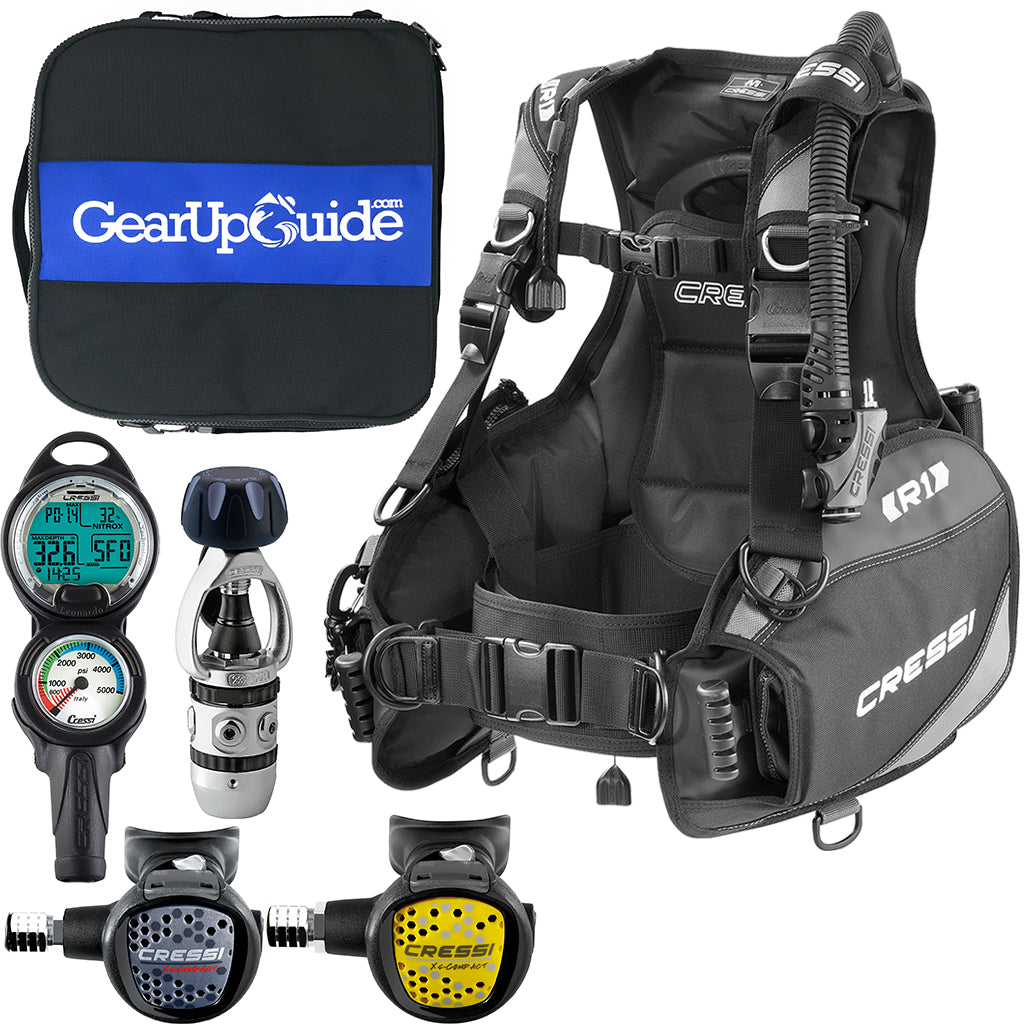
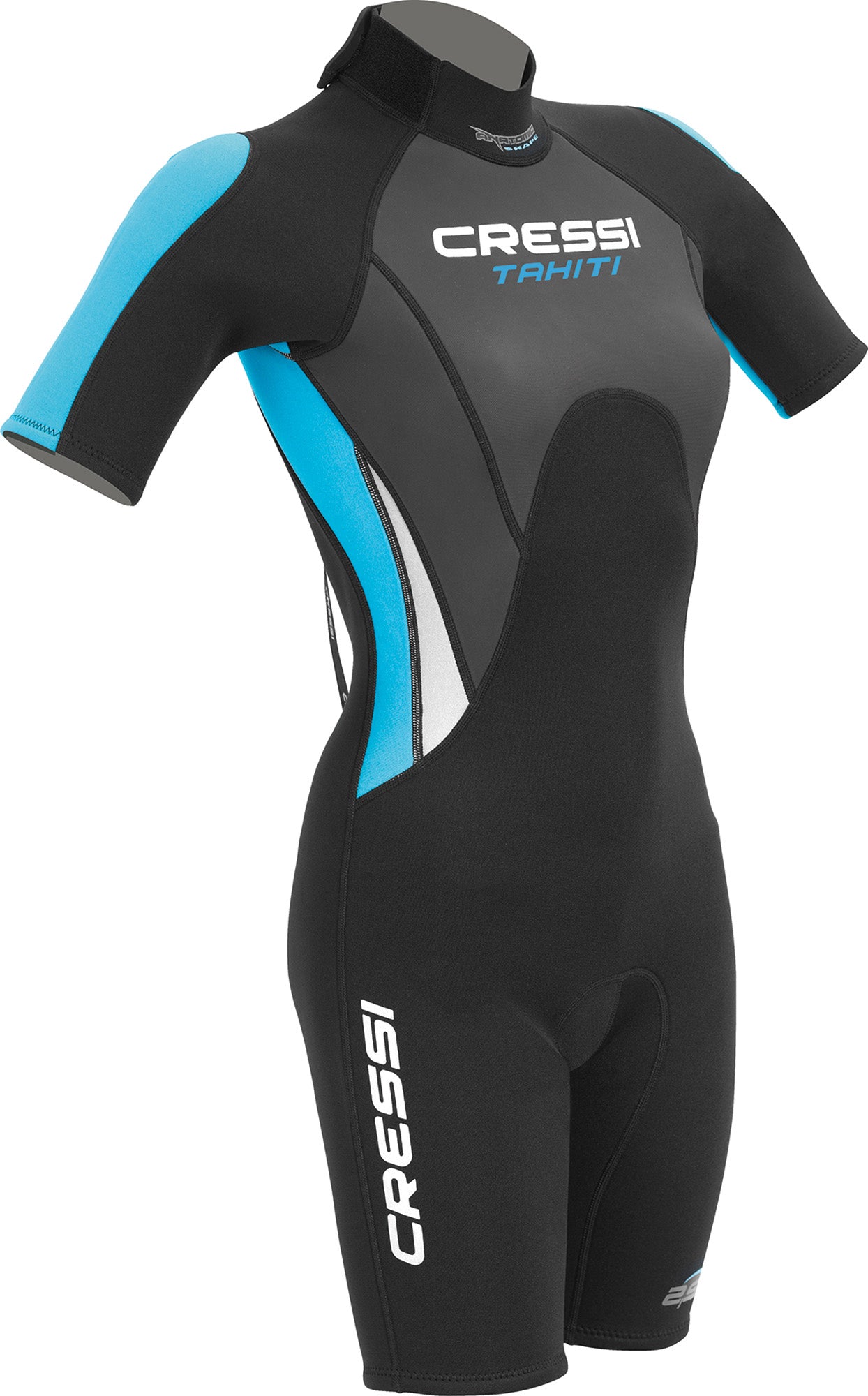
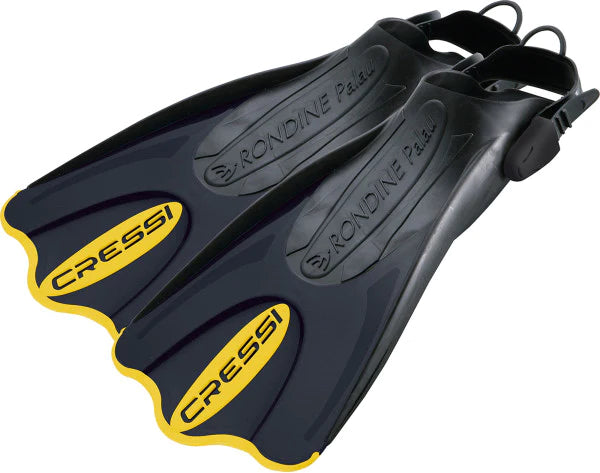
While freediving is often associated with simplicity and minimalism, the use of specialized equipment and gear plays a crucial role in ensuring safety and performance underwater. A well-fitted wetsuit not only provides thermal insulation but also enhances buoyancy and streamlining during descents and ascents. Freediving fins, designed for efficiency and power, allow divers to move effortlessly through the water with minimal effort.
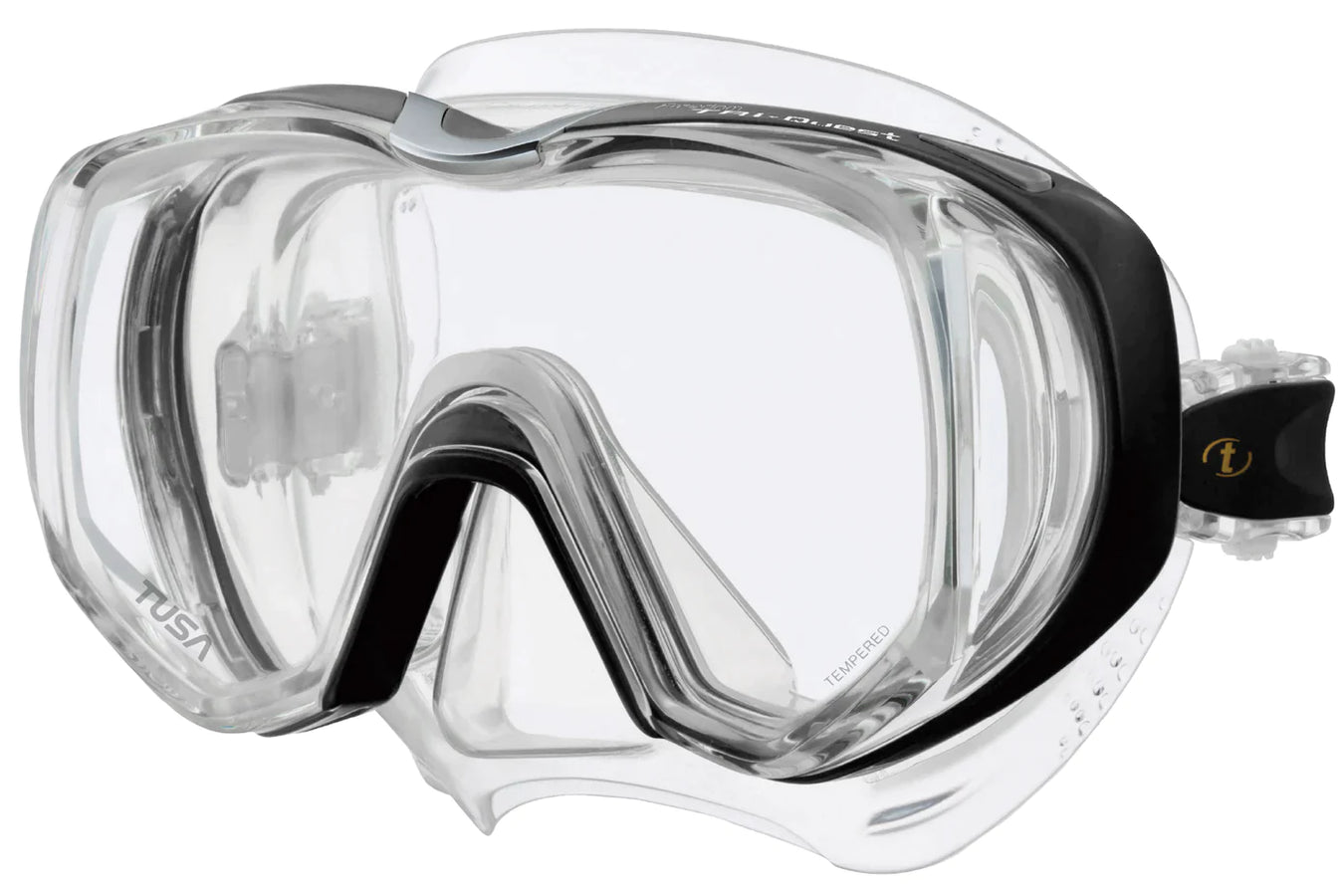
Other essential gear includes a low-volume mask for improved visibility, a snorkel for surface breathing between dives, and a weight belt for proper buoyancy control. Advanced equipment such as dive computers, depth gauges, and underwater communication devices are used in competitive freediving to monitor dive parameters and ensure the safety of the diver throughout the dive.
Advancements in technology have revolutionized the sport of freediving, enabling divers to explore greater depths and achieve longer breath-hold times. Dive watches equipped with advanced features such as depth sensors, heart rate monitors, and dive alarms provide real-time data to divers during their descents and ascents. Underwater drones and remotely operated vehicles (ROVs) are used for scouting dive sites, filming underwater expeditions, and conducting safety checks.
Breath-hold training devices, such as O2 trainers and CO2 tolerance tables, help divers improve their respiratory efficiency and tolerance to carbon dioxide buildup. High-performance monofins and bi-fins, made from lightweight materials such as carbon fiber, enhance propulsion and speed underwater, allowing divers to conserve energy and achieve greater depths with less effort.
In conclusion, the quest for the deepest freedive record is more than a pursuit of a numerical depth—it's a journey that embodies the essence of freediving. It's about pushing the limits of human potential, exploring the unknown, and fostering a culture of safety, education, and camaraderie. As freedivers continue to dive deeper into the ocean's depths, they also dive deeper into the realms of personal achievement and collective adventure, reminding us of the boundless possibilities that lie within and beyond.
As you're inspired by the remarkable achievements in freediving and the allure of underwater exploration, Lancaster Scuba is here to support your aquatic adventures. Whether you're just starting out or looking to enhance your diving experience, our extensive selection of gear, comprehensive dive training, and exciting travel opportunities are tailored to meet your needs. Embrace the spirit of "Gear. Dive. Travel." and check out our scuba gear to prepare for your next underwater quest.


{"one"=>"Select 2 or 3 items to compare", "other"=>"{{ count }} of 3 items selected"}