

Exploring the Depths: Spearfishing in San Diego
Dive into the exhilarating world of spearfishing in San Diego! Discover the best spots, techniques, and gear for an unforgettable underwater adventure.
Read now
In the vast expanse of human achievement, few activities blend the thrill of exploration with the beauty of the natural world quite like scuba diving. At the heart of this remarkable sport lies a history rich with innovation, courage, and a relentless pursuit of the unknown. The question of 'who invented scuba' opens the door to a fascinating story not just of technological advancement but of human spirit and the desire to explore beyond the surface.
The inception of scuba diving is a tale of evolution, marked by milestones that span centuries. It's a journey that reflects humanity's enduring fascination with the underwater world, driven by a combination of curiosity, scientific inquiry, and the pursuit of adventure.
Long before the term 'scuba diving' entered our lexicon, individuals were dreaming of and devising ways to explore beneath the waves. Historical records from as early as the 4th century BCE mention divers and the use of rudimentary diving bells. However, the quest for a self-contained underwater breathing apparatus (SCUBA) began in earnest in the early 19th century.
One of the earliest recorded attempts was by the Englishman William James, who in 1825 developed a "Lethbridge Machine," a kind of diving suit that allowed for extended underwater exploration. Though primitive by today's standards, James's invention laid the groundwork for future developments in diving technology.
The person most commonly credited with the invention of modern scuba diving equipment is Jacques-Yves Cousteau, along with engineer Émile Gagnan. In 1943, they developed the Aqua-Lung, a revolutionary system that allowed divers to breathe underwater autonomously without being tethered to the surface. This invention was a significant breakthrough, as it provided divers with unprecedented freedom to explore the underwater world.
The Aqua-Lung's design was simple yet effective, utilizing a demand valve to provide air from a compressed tank only when the diver inhaled. This innovation opened up new possibilities for ocean exploration, scientific research, and recreational diving, setting the stage for the scuba diving industry as we know it today.
Since the invention of the Aqua-Lung, scuba diving equipment has undergone continuous refinement and improvement. Each advancement has made diving safer, more accessible, and more enjoyable, allowing divers to venture deeper and stay underwater longer.
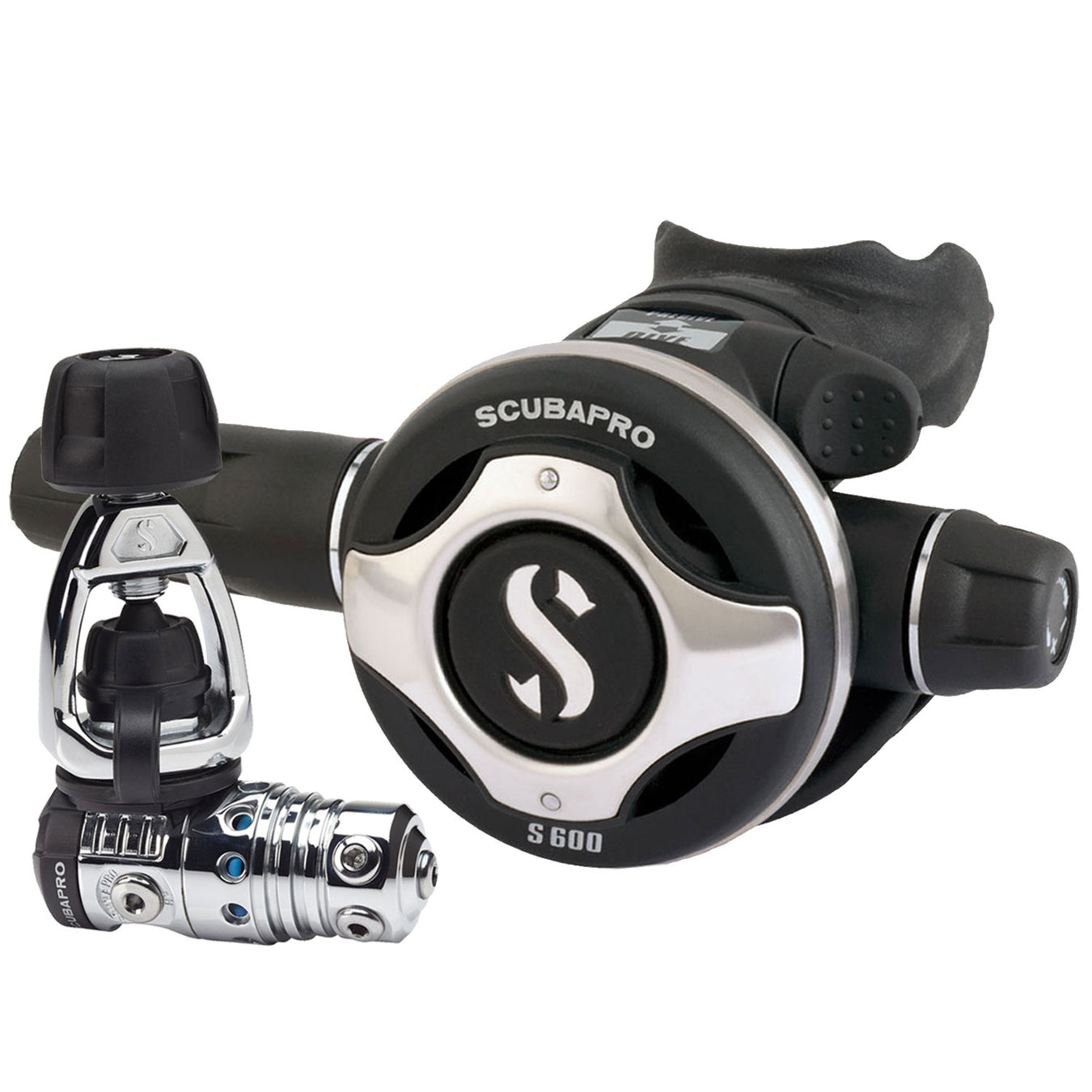
Following the Aqua-Lung, the development of the open-circuit scuba system in the 1950s represented another leap forward. This system, which expels exhaled air into the water, remains the most popular type of diving apparatus. Innovations in regulator design have made breathing underwater as natural as breathing on the surface, with modern regulators able to adjust to a diver's depth and breathing rate.
Meanwhile, the introduction of the closed-circuit rebreather systems has catered to the needs of technical divers, allowing for longer, deeper dives without the release of bubbles. These systems recycle exhaled air, removing carbon dioxide and adding oxygen, thereby extending the life of the breathing gas.
The advent of dive computers in the late 20th century revolutionized dive planning and safety. By monitoring depth, time, and decompression status in real-time, dive computers have significantly reduced the risk of decompression sickness ("the bends").
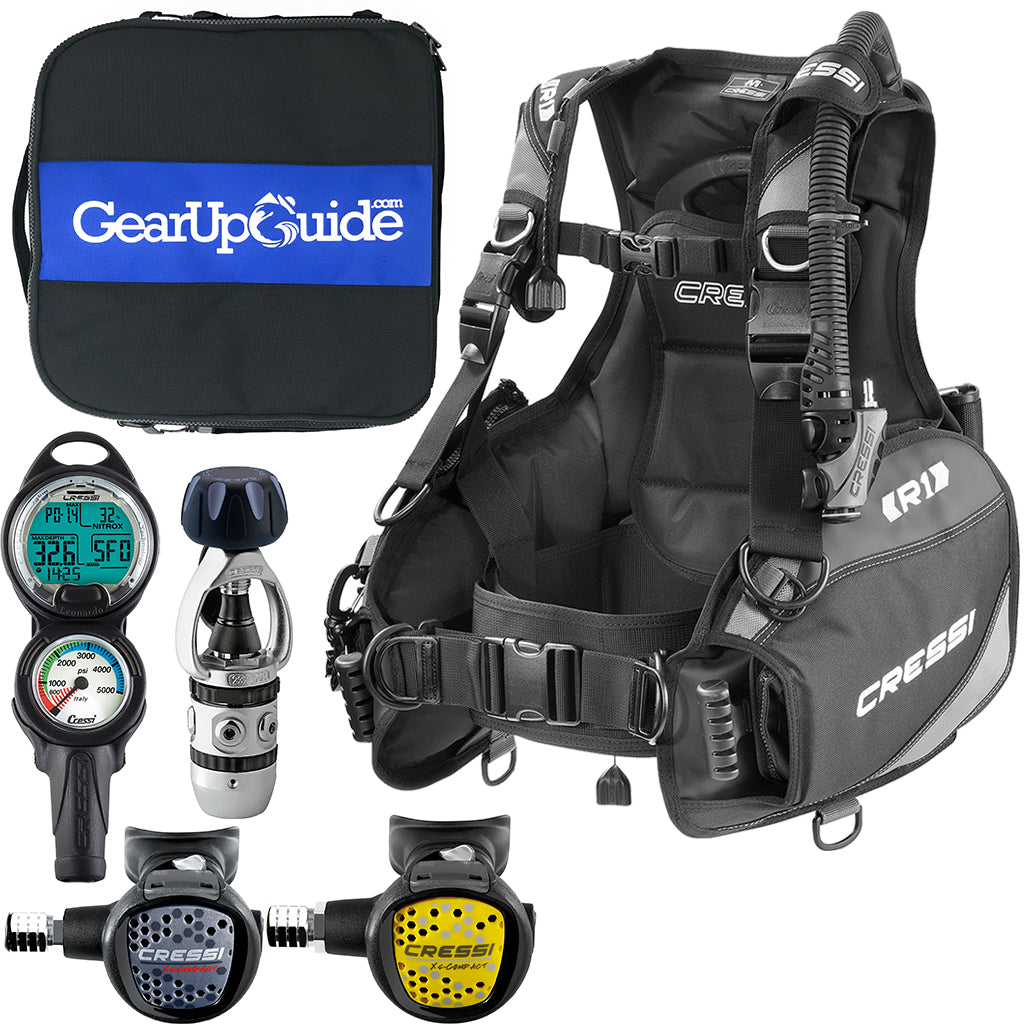
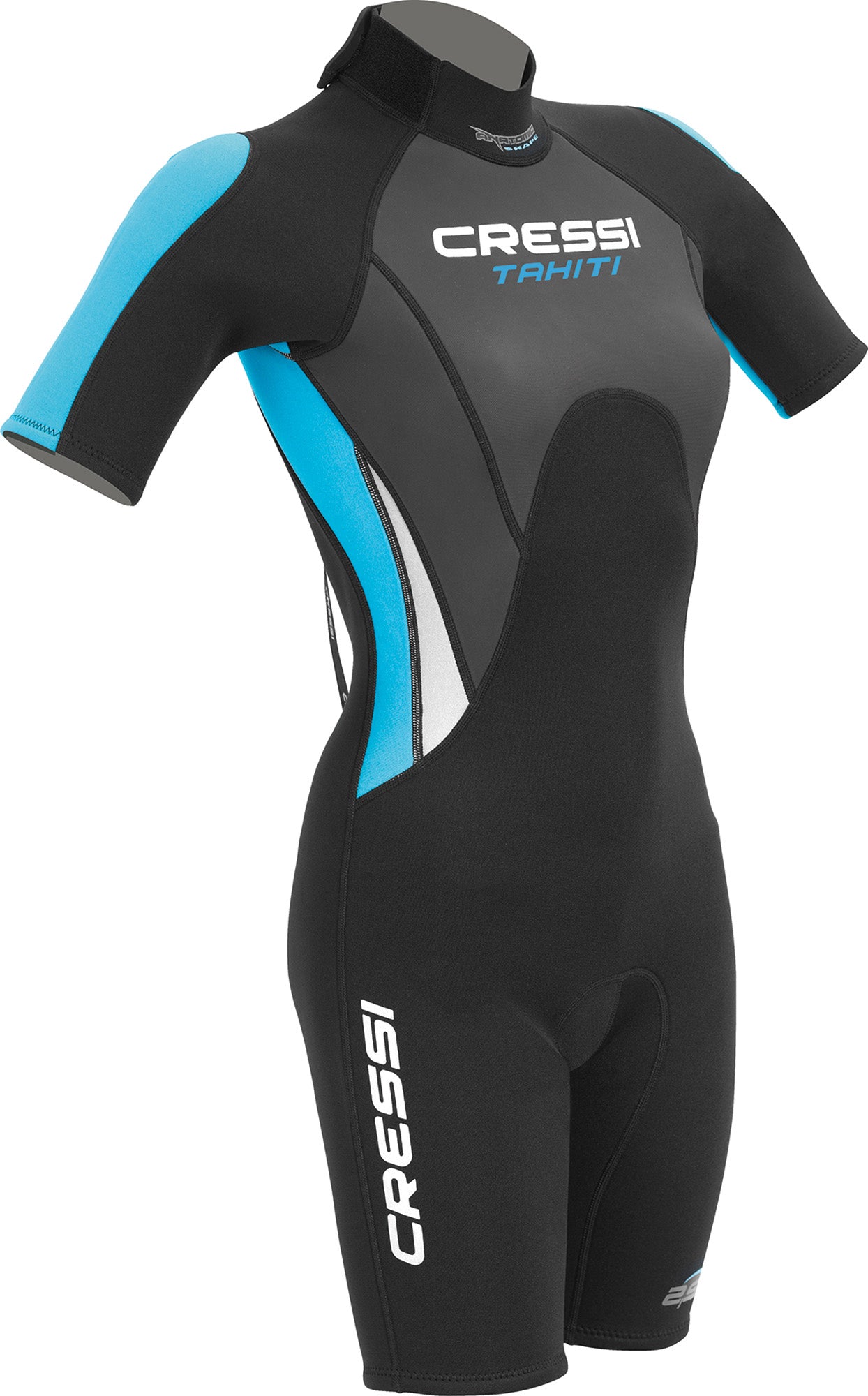
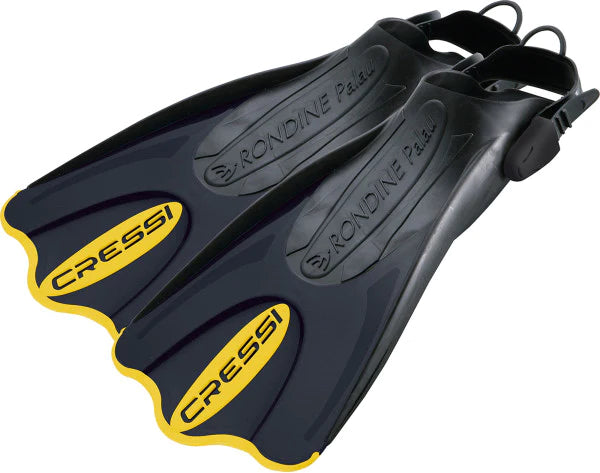
Additionally, improvements in materials and design have led to more durable and comfortable wetsuits, more reliable buoyancy control devices (BCDs), and more efficient fins, enhancing the overall diving experience. Safety equipment such as surface marker buoys (SMBs) and underwater signaling devices have become standard, further ensuring diver safety.
Scuba diving has not only advanced in terms of technology and safety but has also made a profound impact on culture, conservation, and our understanding of the marine environment.
The intimate connection with marine life and ecosystems that scuba diving offers has played a crucial role in raising awareness about the importance of ocean conservation. Divers are often at the forefront of efforts to protect coral reefs, marine species, and underwater habitats, advocating for sustainable practices and marine protected areas.
Organizations such as the Professional Association of Diving Instructors (PADI) and the National Association of Underwater Instructors (NAUI) have developed courses focused on conservation, encouraging divers to become stewards of the underwater world.
Scuba diving has captured the public's imagination, featuring prominently in films, literature, and television. The adventures of fictional divers and real-life explorers like Jacques Cousteau have inspired generations to take up diving and explore the mysteries of the deep.
Through documentaries and underwater photography, the beauty and fragility of the ocean have been brought to the attention of a global audience, fostering a deeper appreciation for the world beneath the waves.
As technology continues to advance at a rapid pace, the future of scuba diving holds exciting possibilities for further innovation and exploration. One area of development is in the realm of underwater propulsion devices, which can enhance diver mobility and efficiency underwater.
Advancements in materials science are also contributing to the creation of lighter, more durable equipment, making diving more comfortable and less cumbersome for divers. Integrated communication systems are being explored to enable divers to stay in contact with each other and the surface, enhancing safety and coordination during dives.
Scuba diving technology is increasingly being utilized for environmental monitoring and scientific research. Divers equipped with specialized sensors can collect data on water quality, marine life populations, and coral reef health, providing valuable insights for conservation efforts and marine management.
Underwater drones and remotely operated vehicles (ROVs) are being integrated into diving expeditions to explore deeper and more inaccessible underwater environments, opening up new frontiers for discovery and study.
With the growing popularity of scuba diving, training and education have become essential components of ensuring diver safety and environmental awareness. Diving certification agencies offer a range of courses, from beginner to advanced levels, covering topics such as dive theory, equipment operation, and emergency procedures.
Specialized training programs focus on technical diving skills, underwater photography, and marine conservation practices, catering to divers with diverse interests and goals. Continuous education and skill development are encouraged to enhance diver competence and confidence in various diving environments.
Scuba diving has become a significant driver of ecotourism, with divers traveling to explore diverse marine ecosystems and underwater attractions around the world. Popular diving destinations such as the Great Barrier Reef in Australia, the Maldives, and the Red Sea in Egypt attract millions of divers annually, contributing to local economies and conservation efforts.
Ecotourism initiatives promote sustainable diving practices, responsible tourism, and community engagement, aiming to preserve marine biodiversity and support the well-being of coastal communities dependent on marine resources.
The question of 'who invented scuba' opens a window into a rich history of innovation, adventure, and exploration. From the early diving bells to the sophisticated equipment of today, each advancement in scuba technology has expanded our horizons and deepened our connection with the underwater world.
The legacy of pioneers like Jacques-Yves Cousteau and Émile Gagnan, and all those who followed in their wake, is not just in the gear they created but in the spirit of discovery they embodied. Scuba diving remains a testament to human ingenuity, a bridge between worlds, and a celebration of the endless adventure that lies beneath the surface.
As you stand on the shoulders of scuba diving's inventors and pioneers, take the plunge into the next chapter of your underwater adventure with Lancaster Scuba. Embrace the spirit of discovery with our top-notch gear, expert instruction, and thrilling dive travel opportunities. Whether you're a seasoned diver or just beginning to explore the depths, check out our scuba gear and join a community passionate about the aquatic world. Gear up, dive in, and travel far with Lancaster Scuba – where your underwater journey awaits.


{"one"=>"Select 2 or 3 items to compare", "other"=>"{{ count }} of 3 items selected"}