

Exploring the Depths: Spearfishing in San Diego
Dive into the exhilarating world of spearfishing in San Diego! Discover the best spots, techniques, and gear for an unforgettable underwater adventure.
Read now
In the realm of underwater adventure, scuba diving stands out as a pursuit that captivates the hearts of many with its promise of exploring the unseen and embracing the mysteries of the deep. Yet, beneath the surface of this exhilarating activity lies a world of potential dangers that every diver must acknowledge and respect. Understanding the risks associated with scuba diving is not about dampening the spirit of adventure but about diving deeper into the essence of safety and preparedness.
Scuba diving is not just an adventure; it's a physically demanding activity that requires a good level of health and fitness. The underwater environment poses unique challenges to the human body, making awareness and preparation key to a safe dive.
One of the most common risks faced by divers is barotrauma, an injury caused by pressure differences between the inside and outside of a body cavity. As divers descend, the pressure increases, and without proper equalization techniques, this can lead to ear pain, sinus issues, and in severe cases, lung over-expansion injuries. Understanding and practicing equalization techniques are crucial for every diver to prevent these painful and potentially dangerous conditions.
Statistics show that ear barotrauma is one of the leading causes of diver discomfort and injury, emphasizing the need for thorough training and preparation before taking the plunge.
Decompression sickness (DCS), often referred to as "the bends," is another significant risk associated with diving. This condition occurs when dissolved gases, primarily nitrogen, form bubbles in the bloodstream and tissues due to rapid pressure changes during ascent. Symptoms can range from joint pain and rashes to paralysis and death in severe cases.
Adhering to safe ascent rates and following dive tables or dive computer guidelines can mitigate the risk of DCS, highlighting the importance of education and adherence to safety protocols in the diving community.
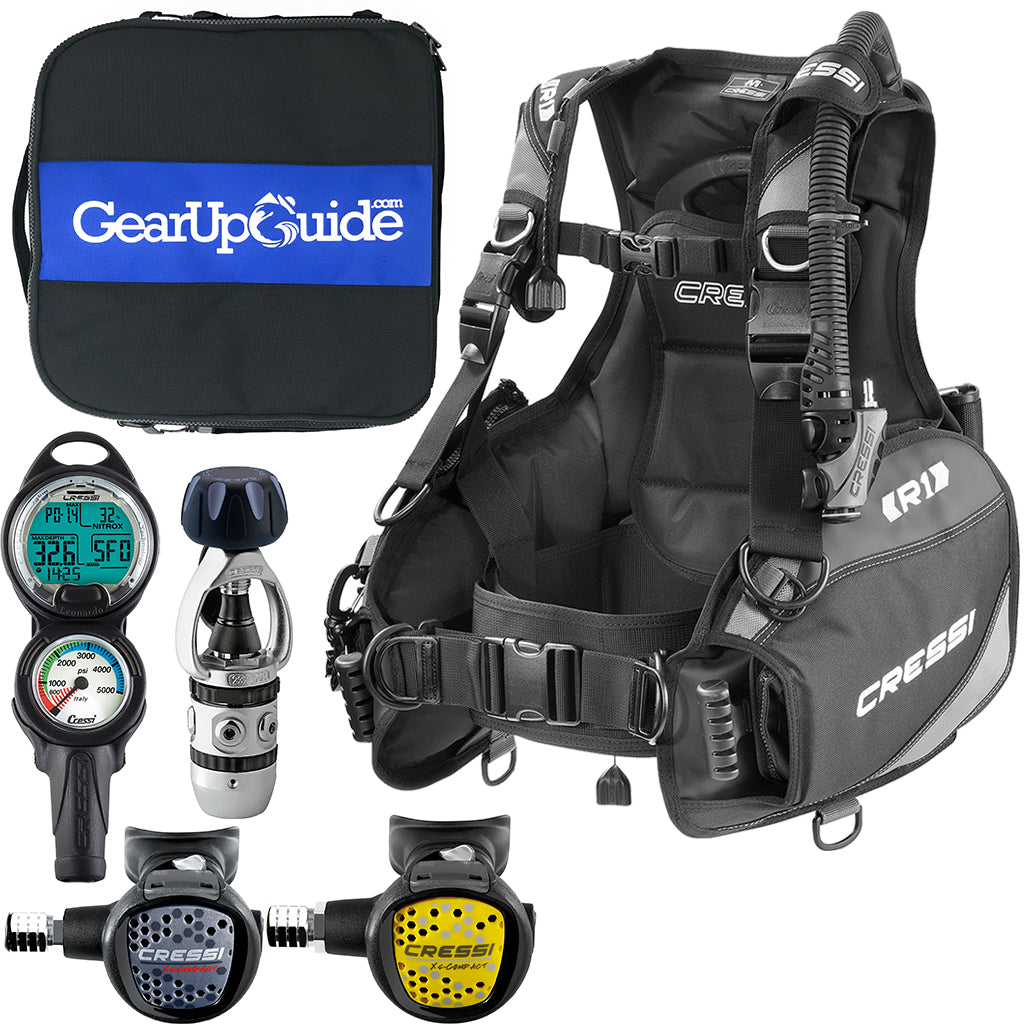
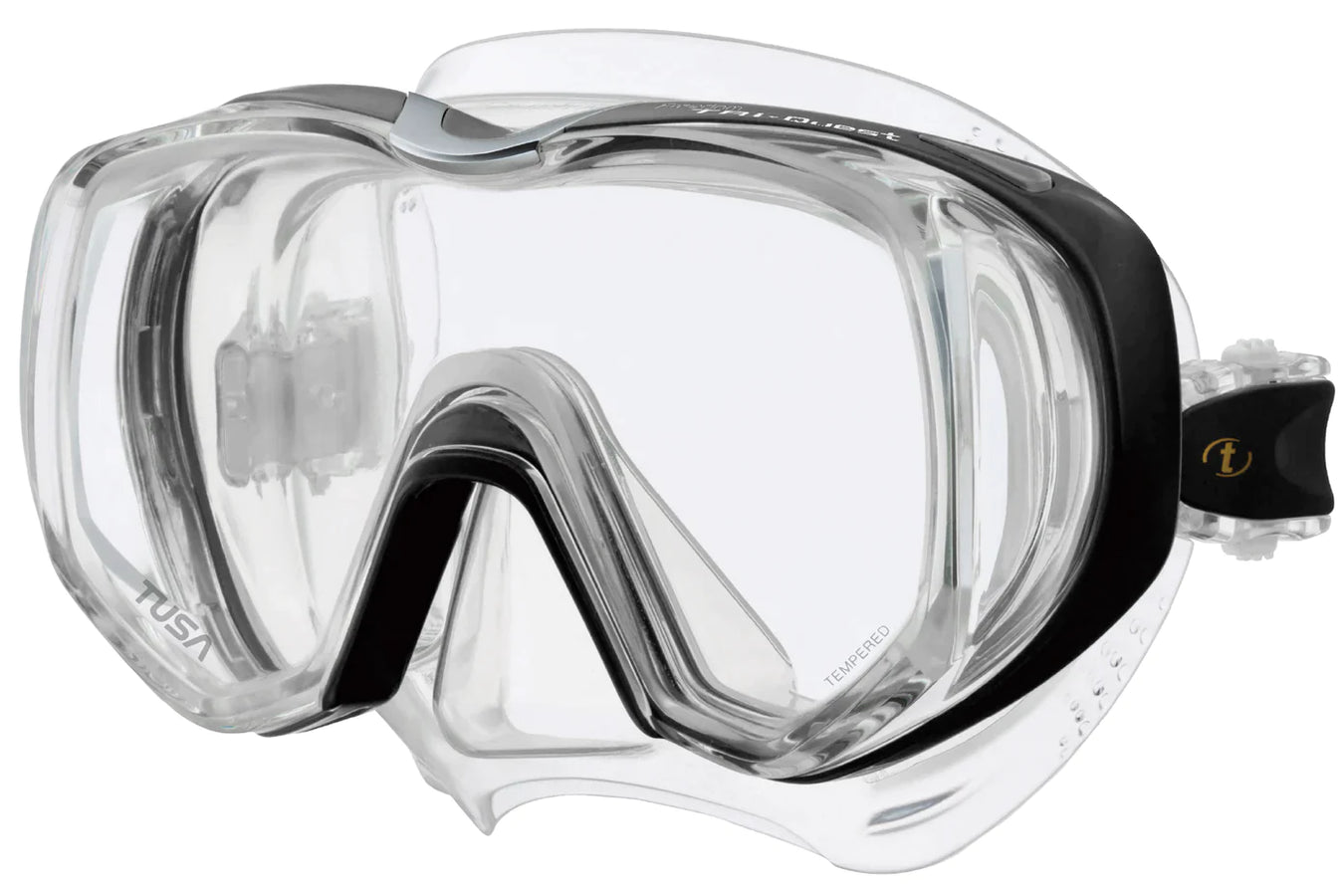
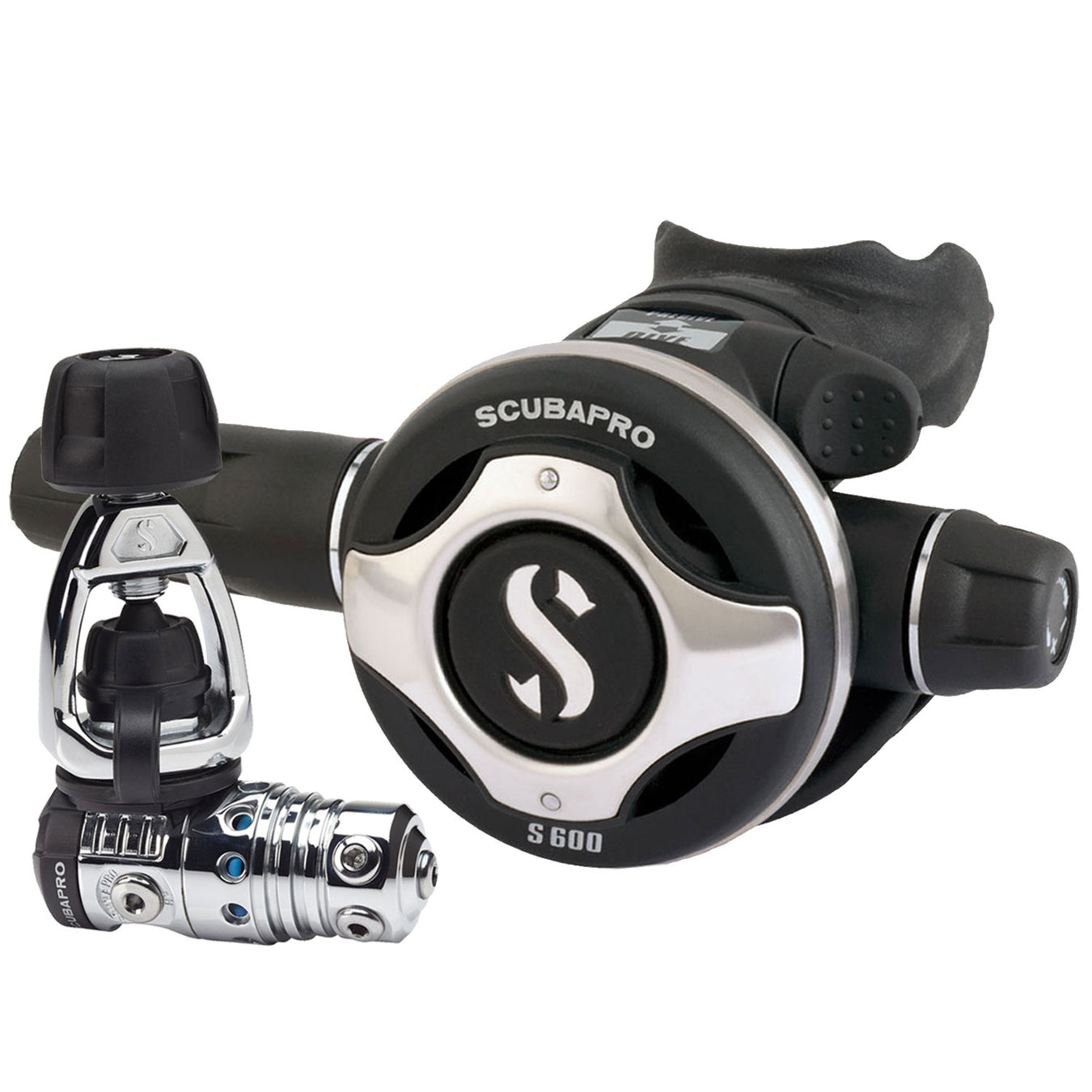
While divers undergo rigorous training and adhere to safety protocols, equipment failure remains a silent threat in the underwater world. Malfunctions in dive gear, such as regulator issues or a leaking mask, can quickly escalate into life-threatening situations if not addressed promptly and effectively.
Regular equipment maintenance, including servicing by certified professionals, and carrying spare parts or backup gear can help mitigate the risks associated with equipment failure. Divers should also familiarize themselves with their equipment and practice emergency procedures to ensure a swift and effective response in case of an equipment-related emergency.
The underwater world is filled with beauty and mystery, but it also harbors conditions and creatures that can pose threats to divers.
Strong currents and unpredictable tides can turn a dive from peaceful to perilous in moments. Divers can find themselves swept away from their group or dive site, leading to disorientation and exhaustion as they struggle against the water's force.
Knowledge of the dive site, including understanding the local currents and tides, is essential for planning a safe dive. Divers should always be prepared to use a surface marker buoy and carry a whistle or other signaling device for emergencies.
While encounters with marine life are often highlights of a dive, certain species can be dangerous if provoked or startled. From the painful sting of a jellyfish to the unexpected aggression of a territorial fish, divers must respect the inhabitants of the underwater world and maintain a safe distance.
Educating divers about local marine life, including which species to avoid and how to react during an encounter, is a critical component of dive planning and safety.
At the heart of scuba diving safety is the commitment to education and continuous learning. The underwater world is unforgiving, and the margin for error can be slim.
Comprehensive dive training courses are essential for equipping divers with the knowledge and skills needed to navigate the risks of diving. From basic open water certifications to advanced and specialty courses, each level of training builds upon the last, emphasizing safety, problem-solving, and emergency response.
Statistics from diving organizations highlight the correlation between the level of training and the incidence of diving accidents, underscoring the value of ongoing education in the dive community.
Preparing for emergencies is a crucial aspect of dive safety that every diver should prioritize. Establishing emergency response plans, including communication protocols, emergency contact information, and evacuation procedures, can make a significant difference in the outcome of a diving incident.
Practicing emergency scenarios during training sessions and staying current on first aid and rescue techniques can enhance a diver's ability to respond effectively in high-pressure situations. Additionally, carrying essential safety equipment, such as a signaling device and a first aid kit, is vital for addressing emergencies swiftly and efficiently.
For experienced divers seeking new challenges and adventures, technical diving offers the opportunity to explore deeper depths and more complex dive environments. Technical diving involves specialized training and equipment to safely navigate extended dive times, decompression obligations, and challenging conditions.
Advanced technical diving certifications, such as trimix or rebreather training, open up a world of underwater exploration beyond traditional recreational limits. However, the risks associated with technical diving are heightened, requiring meticulous planning, precise execution, and a thorough understanding of gas management and decompression theory.
Effective risk management is paramount in technical diving, where the margin for error is significantly reduced. Factors such as gas planning, equipment redundancy, team communication, and emergency protocols play a critical role in ensuring the safety of technical dives.
Technical divers must undergo rigorous training and adhere to strict safety guidelines to mitigate the inherent risks of deep diving. Continuous education, regular skills practice, and a conservative approach to dive planning are essential components of safe technical diving practices.
In conclusion, while scuba diving offers unparalleled opportunities for exploration and adventure, it is essential for divers to recognize and respect the inherent risks associated with this activity. By prioritizing safety, education, and preparedness, divers can continue to enjoy the wonders of the underwater world while minimizing the potential dangers that lurk beneath the surface.
Now that you're aware of the hidden risks of scuba diving, it's time to ensure you're equipped with the right knowledge and gear for your underwater adventures. Lancaster Scuba is here to support your journey from the first bubble to the deepest dive. Whether you're just starting out or looking to expand your diving horizons, our expert instructors and wide selection of equipment have got you covered. Gear up for safety, dive into education, and travel to breathtaking destinations with us. Check out our scuba gear today and take the first step towards a safer and more thrilling dive experience!


{"one"=>"Select 2 or 3 items to compare", "other"=>"{{ count }} of 3 items selected"}