

Exploring the Depths: Spearfishing in San Diego
Dive into the exhilarating world of spearfishing in San Diego! Discover the best spots, techniques, and gear for an unforgettable underwater adventure.
Read now
In the vast, exhilarating world of water sports, there's a piece of gear that stands as a silent guardian against the cold, a herald of comfort and safety—the wetsuit. A properly fitting wetsuit is not just a barrier between you and the chilling embrace of the deep; it's a companion that accompanies you as you plunge into the unknown, ensuring warmth, buoyancy, and protection. This guide is dedicated to unraveling the mysteries of finding that perfect fit, ensuring every dive, surf, or swim is an adventure that's both safe and enjoyable.
Understanding the fundamental workings of a wetsuit is crucial to appreciating the importance of a snug fit. It's not merely about wearing a layer of neoprene; it's about harnessing a marvel of material science to create a microenvironment that keeps you warm.
At the heart of every wetsuit is neoprene, a synthetic rubber that traps a thin layer of water between the suit and your skin. This water is quickly warmed by your body heat, forming a warm layer that insulates you against the colder water outside. Neoprene's unique structure, filled with thousands of tiny air bubbles, enhances this insulation, making it an ideal material for wetsuits.
However, the effectiveness of this insulation is heavily dependent on the fit of the wetsuit. A suit that's too loose allows too much water to flow in and out, preventing the water inside from warming up sufficiently. Conversely, a suit that's too tight can restrict movement and even make it difficult to breathe. Thus, finding that perfect fit is not just a matter of comfort; it's a matter of safety and efficiency.
The thickness of a wetsuit is measured in millimeters and is chosen based on the water temperature you'll be diving in. Thicker suits offer more insulation but also more buoyancy and resistance, which can affect your swimming or diving experience. Understanding the relationship between wetsuit thickness and water temperature is essential for selecting the right wetsuit for your adventure.
For instance, a 3/2mm wetsuit (3mm on the body and 2mm on the limbs) is suitable for mild to warm waters, while a 7mm suit might be necessary for cold-water dives. Each thickness is designed to offer the optimal balance of warmth and flexibility for its intended conditions.
Finding a wetsuit that fits perfectly is akin to finding a second skin—one that moves with you, protects you, and most importantly, keeps you warm. Here's how to ensure you find the right fit for your next underwater adventure.
Wetsuit sizes are typically based on height and weight, but because body shapes vary widely, these two factors alone can't guarantee a perfect fit. It's crucial to try on different sizes and brands, as each may have a slightly different fit. Pay attention to how the suit fits in areas prone to water entry, such as the neck, back, and wrists.
A properly fitting wetsuit should feel like a second skin, snug but not constricting, with no large gaps or loose areas. Remember, a little effort to zip up is normal, but if breathing becomes difficult, the suit is too tight.
When trying on a wetsuit, perform a series of movements to check for fit and flexibility. Squat, reach overhead, and simulate the motion of your sport (be it swimming, surfing, or diving). This will help you identify any restrictions in movement or areas where the suit pinches or bunches.
Pay special attention to the fit around your torso and shoulders, as these areas are crucial for both warmth and mobility. The suit should be snug enough to maintain a thin layer of water without allowing excess water flow, but not so tight that it restricts movement or breathing.
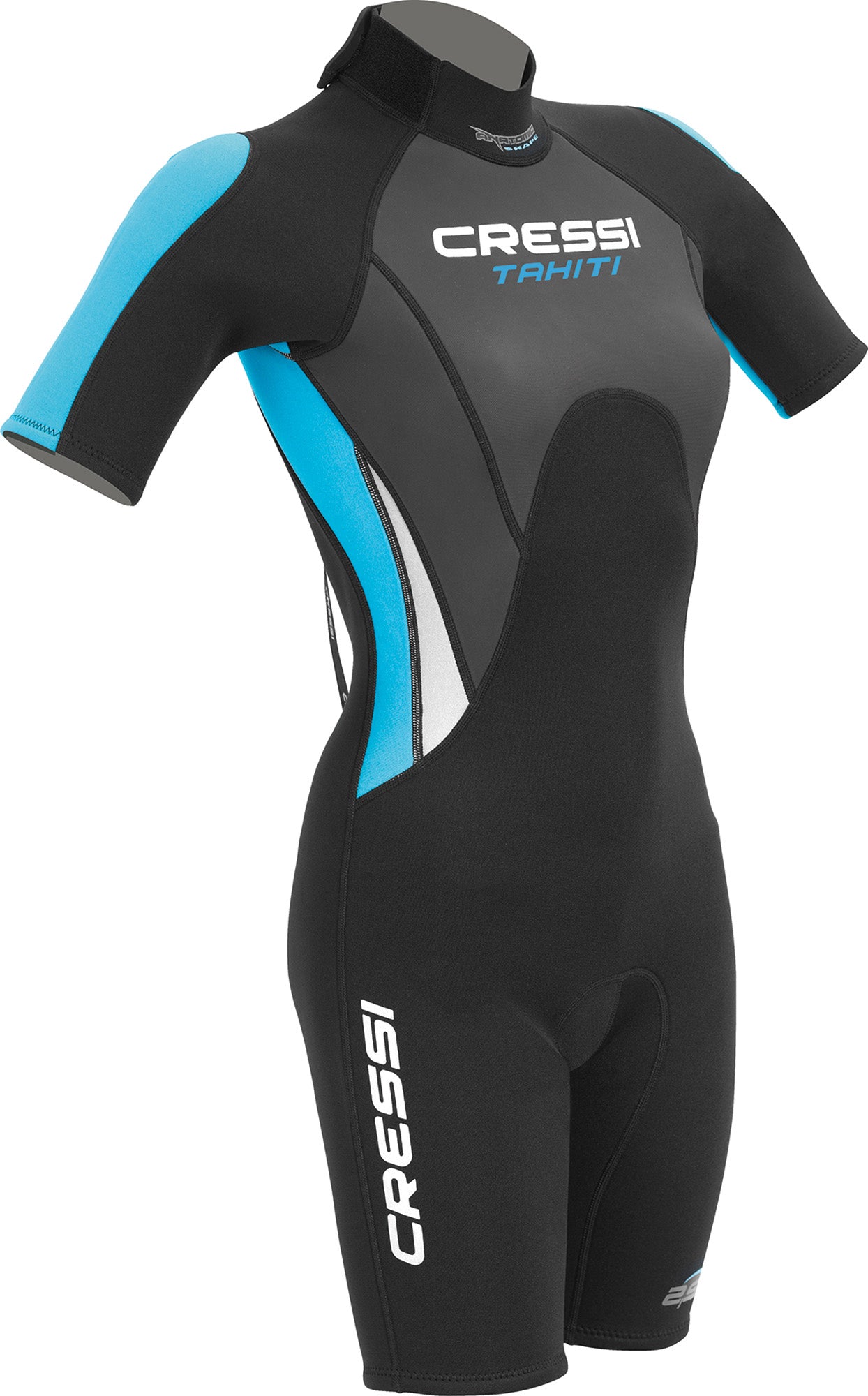
Wetsuits come in various styles, each designed for specific water activities. A full wetsuit covers the entire body and is suitable for colder waters or longer sessions in the water. Shorty wetsuits, with short arms and legs, provide less coverage but more freedom of movement, making them ideal for warmer conditions or surface water sports like paddleboarding.
For activities that require maximum flexibility, such as surfing, consider a wetsuit with strategic paneling or seamless zones to enhance movement without compromising warmth. Additionally, some wetsuits feature built-in hoods or vests for extra insulation in critical areas.
A well-maintained wetsuit not only lasts longer but also performs better. Here's how to ensure your wetsuit remains in top condition, dive after dive.
After each use, rinse your wetsuit with fresh water to remove salt, chlorine, and other contaminants. Hang it to dry inside out in the shade, as sunlight can degrade neoprene over time. Avoid hanging it by the shoulders, which can stretch the material; instead, use a hanger designed for wetsuits or drape it over a line.
Periodically, wash your wetsuit with a wetsuit cleaner or a mild detergent to remove oils and odors. Always follow the manufacturer's instructions for washing and care.
Store your wetsuit flat or loosely rolled to avoid creases and compression marks, which can affect the neoprene's structure and insulation. If you notice any tears or holes, repair them promptly with neoprene cement or take them to a professional. Small repairs can significantly extend the life of your wetsuit.
Proper storage is essential for maintaining the shape and integrity of your wetsuit. Avoid leaving it crumpled or folded for extended periods, as this can lead to permanent creases that affect both fit and performance. Consider investing in a wetsuit hanger or a dedicated storage bag to keep your gear in top condition between uses.
While the fit of your wetsuit is paramount for warmth and safety, enhancing your overall comfort and performance can be achieved through additional accessories and gear. Consider wearing neoprene gloves and booties in colder conditions to prevent heat loss from your extremities. These accessories not only provide extra insulation but also protect your hands and feet from abrasions and cuts.
Furthermore, investing in a good quality wetsuit lubricant can make donning and doffing your wetsuit easier, reducing the risk of tearing or damaging the material. A well-lubricated suit not only slides on smoothly but also minimizes stress on the seams and zippers, prolonging the life of your wetsuit.
Remember, comfort in the water is not just about staying warm; it's also about moving freely and confidently. By paying attention to the details of fit, maintenance, and additional accessories, you can elevate your water sports experience to new levels of enjoyment and performance.
Now that you're equipped with the knowledge to find a wetsuit that fits like a second skin, it's time to put that knowledge into action. At Lancaster Scuba, we're committed to enhancing your underwater adventures with our curated selection of scuba gear. Whether you're gearing up for your next dive or embarking on a new water sport journey, our expert team is here to ensure you have the best equipment for an unforgettable experience. Check out our scuba gear and embrace the warmth and adventure that awaits beneath the waves.


{"one"=>"Select 2 or 3 items to compare", "other"=>"{{ count }} of 3 items selected"}