

Exploring the Depths: Spearfishing in San Diego
Dive into the exhilarating world of spearfishing in San Diego! Discover the best spots, techniques, and gear for an unforgettable underwater adventure.
Read now
In the vast expanse of the ocean, there lies a realm that few have the courage and skill to explore—the silent world of freediving. This documentary journey is not just about the physical act of diving into the depths without the aid of breathing apparatus, but about the individuals who push the boundaries of human potential to connect with the sea in its most primal form. Freediving is not merely a sport; it is a profound experience that offers a unique perspective on the underwater world and our place within it.
Freediving, at its core, is about simplicity and purity. It is an endeavor that challenges individuals to confront their physical and psychological limits. This section delves into the fundamental aspects of freediving, exploring what draws people to this breathtaking sport.
The practice of freediving is as ancient as humanity itself, rooted in the very instinct to survive and explore. Early civilizations engaged in freediving out of necessity, for food, pearls, and sponge collection. However, over centuries, it has evolved from a subsistence activity into a competitive sport and a form of personal and spiritual exploration. The modern era of freediving has seen records shattered and boundaries pushed, as freedivers achieve depths once thought impossible.
Statistics show a significant increase in the popularity of freediving in recent years, with both the number of participants and the depth records steadily rising. This surge in interest has brought about advancements in safety, training, and equipment, making freediving more accessible to enthusiasts around the globe.
Freediving is as much a mental challenge as it is a physical one. It requires divers to enter a state of calm and focus, where the heart rate slows, and the body conserves oxygen. This meditative state, often referred to as the "diver's reflex," is what allows freedivers to descend to great depths and remain underwater for extended periods.
The physical demands of freediving are immense. Divers must have exceptional lung capacity, physical strength, and flexibility. Training for freediving focuses on breath-holding techniques, equalization, and efficient movement through the water. The human body's adaptability to the underwater environment is a testament to our innate connection with the ocean.
Creating a documentary on freediving is an adventure in itself. It involves capturing the essence of the sport, the personal journeys of divers, and the breathtaking beauty of the underwater world. This section explores the process behind the scenes and the challenges faced in bringing the story of freediving to the screen.
The first step in creating a compelling freediving documentary is to develop a concept that will resonate with viewers. This involves extensive research into the history of freediving, understanding the different disciplines within the sport, and identifying key individuals and stories to feature. The goal is to craft a narrative that is both informative and emotionally engaging, highlighting the human connection to the ocean.
Filming underwater presents a unique set of challenges, from technical difficulties with equipment to the unpredictable nature of the ocean. Capturing high-quality footage of freedivers in action requires specialized cameras and housings, as well as a film crew skilled in underwater cinematography. Safety is paramount, with strict protocols in place to protect both the divers and the crew from the inherent risks of freediving and filming in open water.
One significant aspect that often goes hand in hand with freediving is its impact on marine conservation efforts. Freedivers, by immersing themselves in the underwater world without disturbing its delicate balance, serve as ambassadors for ocean conservation. Their firsthand experiences of the beauty and fragility of marine ecosystems inspire them to advocate for the protection of these vital habitats.
Many freediving documentaries now include segments on marine conservation, shedding light on issues such as plastic pollution, overfishing, and coral reef degradation. By showcasing the wonders of the ocean and the threats it faces, these documentaries aim to raise awareness and promote sustainable practices to preserve our seas for future generations.
While freediving offers unparalleled adventure and exploration, it is not without its risks. This section emphasizes the critical importance of safety in freediving, outlining the measures that ensure the well-being of divers.
Proper education and training are the foundations of safe freediving. Beginners are strongly encouraged to take courses from certified instructors, who teach not only the techniques of freediving but also the physiological and psychological aspects of the sport. These courses cover breath-holding, equalization, safety procedures, and rescue techniques, equipping divers with the knowledge to dive safely.
Safety protocols are essential in minimizing the risks associated with freediving. This includes the use of a buddy system, where divers always dive with a partner, and the implementation of safety lines and depth markers in competitive diving. Advances in technology have also led to the development of dive computers and other devices that monitor depth, time, and vital signs, further enhancing diver safety.
Delving deeper into the physiological effects of freediving, it is fascinating to explore how the human body adapts to the underwater environment. As divers descend into the depths, they experience changes in pressure that affect their lungs, blood circulation, and even their brain function. Understanding these physiological responses is crucial for both performance optimization and safety during freediving expeditions.
Research in this field continues to uncover the body's remarkable adaptations to breath-holding and water immersion, shedding light on how humans can endure extreme conditions underwater. By studying the physiological effects of freediving, scientists and divers alike gain insights that contribute to safer practices and enhanced performance in the sport.
The world of freediving is ever-evolving, with new depths being explored and records being set. This final section looks ahead to the future of freediving, considering the potential for growth in the sport and the ongoing quest to understand the limits of human potential underwater.
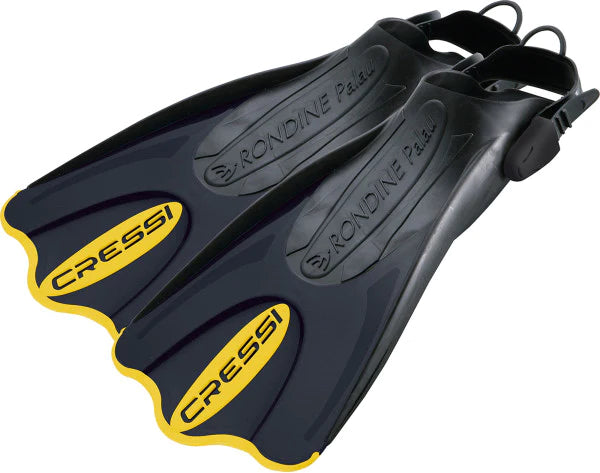
The future of freediving is closely tied to advancements in technology. From improved wetsuits and fins to cutting-edge breath-holding techniques, innovation continues to push the boundaries of what is possible. There is also a growing focus on sustainability, with efforts to minimize the environmental impact of freediving on the ocean and its inhabitants.
As more people discover the beauty and challenge of freediving, the community grows stronger and more diverse. Social media and documentaries play a significant role in this expansion, inspiring a new generation of freedivers to explore the depths. The camaraderie and shared passion for the ocean that unite freedivers are the heart of the sport, driving its continued evolution and popularity.
In conclusion, the documentary exploration of freediving offers a glimpse into a world where humans and the ocean meet in the most intimate of ways. It is a journey of discovery, not just of the depths of the sea, but of the depths of our own potential. Freediving is a testament to the human spirit's capacity for adventure, exploration, and connection with the natural world.
As you stand on the brink of the underwater world, ready to embrace the silent dance of freediving, let Lancaster Scuba be your guide. With our expert diving instruction and extensive selection of equipment, we are committed to enhancing your aquatic journey. Whether you're just beginning or seeking to expand your skills, our PADI certification courses cater to all levels. Embrace the "Gear. Dive. Travel." experience and equip yourself for the depths. Check out our scuba gear today and take the first step towards unlocking the mysteries of the ocean with Lancaster Scuba.


{"one"=>"Select 2 or 3 items to compare", "other"=>"{{ count }} of 3 items selected"}