

Exploring the Depths: Spearfishing in San Diego
Dive into the exhilarating world of spearfishing in San Diego! Discover the best spots, techniques, and gear for an unforgettable underwater adventure.
Read now
In the vast expanse of the ocean, where adventure beckons the brave, lies the ancient and thrilling sport of spearfishing. It's a pursuit that combines the primal instinct of hunting with the serene beauty of the underwater world. But how difficult is spearfishing? This question invites us into a narrative that explores not just the physical and technical challenges of the sport but also the profound experiences it offers to those who dare to dive into its depths.
Spearfishing is an art as old as humanity itself, a method of harvesting fish that requires skill, patience, and an intimate understanding of the marine environment. It's a sport that demands more than just the ability to swim; it requires the spearfisher to become one with the ocean, to think like the fish, and to master the elements of stealth and precision.
At its core, spearfishing is about using a spear or a speargun to catch fish. The equipment varies from simple polespears to sophisticated pneumatic and band-powered spearguns. Each type of gear has its own learning curve, and the choice often depends on the spearfisher's experience level and the conditions of the hunt.
But spearfishing is not just about the gear. It's also about understanding the behavior of fish, knowing how to approach them, and being able to hold your breath for extended periods. This is where the challenge begins, in the training and preparation required to safely and successfully engage with the underwater world.
Safety cannot be overstated in spearfishing. The ocean is an unpredictable environment, and spearfishers must be prepared for everything from shifting currents to encounters with predatory animals. Education on safe diving practices, including buddy systems, surface markers, and understanding one's limits, is crucial.
Moreover, spearfishers must be adept at free diving, often reaching depths where the pressure and the urge to breathe test the limits of human endurance. This aspect of spearfishing is not only physically demanding but also mentally challenging, requiring divers to remain calm and focused under pressure.
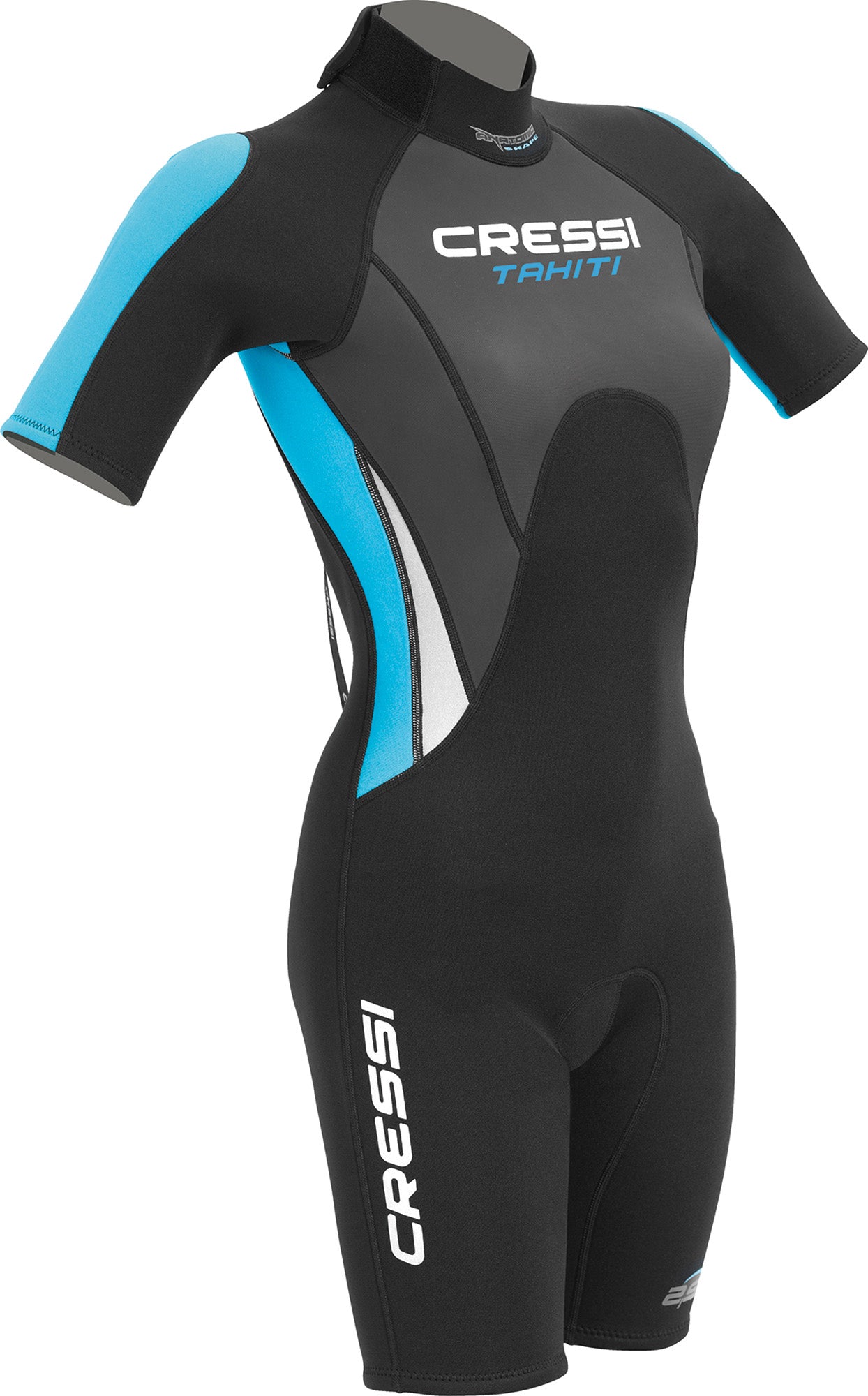
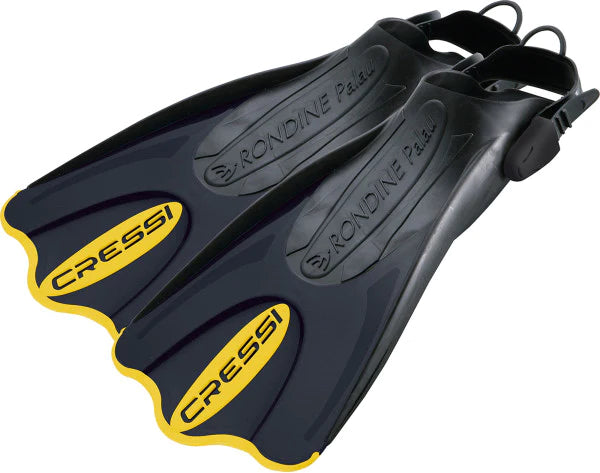
Choosing the right equipment is a crucial aspect of spearfishing. From selecting the appropriate wetsuit for the water temperature to customizing spearguns for optimal performance, each decision can significantly impact a spearfisher's success underwater.
Advanced spearfishers often customize their gear to suit their individual preferences and hunting style. This can involve modifications to speargun triggers, adding weight belts for improved buoyancy control, or even designing specialized camouflage patterns to blend seamlessly with the underwater environment.
Experimenting with different equipment configurations and setups is common among experienced spearfishers, as they strive to find the perfect combination that enhances their efficiency and effectiveness in the water.
Becoming proficient in spearfishing is a journey that can span years. It's a path marked by personal growth, learning, and the relentless pursuit of improvement. The challenges faced along the way are as varied as the seas themselves, from mastering the technical aspects of the sport to understanding the delicate balance of marine ecosystems.
The technical side of spearfishing includes mastering the use of spearguns, understanding water visibility and how it affects hunting, and becoming proficient in underwater navigation. Each piece of equipment, from the simplest hand spear to the most advanced speargun, requires practice and skill to use effectively.
Additionally, spearfishers must learn to maintain and repair their equipment, a skill set that ensures they are never caught off guard by a malfunction or breakage at sea. This aspect of spearfishing adds another layer of complexity and satisfaction to the sport.
One of the greatest challenges in spearfishing is the ever-changing nature of the underwater environment. Spearfishers must learn to adapt quickly to shifting conditions, whether it's adjusting their hunting strategy in response to varying visibility or modifying their dive plan based on unexpected currents.
Developing the ability to read the ocean and anticipate changes is a skill that comes with experience. Seasoned spearfishers are adept at recognizing subtle cues in the water, such as temperature gradients and baitfish behavior, that can lead them to productive hunting grounds.
Flexibility and adaptability are key traits for successful spearfishers, allowing them to thrive in diverse underwater settings and make the most of each diving opportunity.
Spearfishing is not just a test of technical skill; it also demands significant physical and mental endurance from practitioners. Free diving to considerable depths and remaining submerged for extended periods require a high level of fitness and mental fortitude.
Training regimens for spearfishers often include breath-holding exercises, cardiovascular workouts, and strength training to improve their diving capabilities. Mental preparation is equally important, as divers must stay calm under pressure, manage stress, and make split-second decisions while underwater.
Building resilience, both physically and mentally, is essential for spearfishers to overcome the challenges of the sport and achieve their hunting goals in the dynamic marine environment.
Understanding the marine environment is essential for successful spearfishing. This includes knowledge of tides, moon phases, and seasonal fish movements. Spearfishers must also be aware of local regulations and conservation efforts to ensure sustainable practices.
Respect for the ocean and its inhabitants is a fundamental part of spearfishing. This respect is demonstrated through selective hunting, adhering to size and bag limits, and participating in conservation efforts. It's a commitment to preserving the underwater world for future generations.
Conservation-minded spearfishers play a vital role in protecting marine ecosystems and promoting sustainable fishing practices. By adhering to catch limits, avoiding endangered species, and participating in habitat restoration initiatives, spearfishers contribute to the long-term health of ocean environments.
Furthermore, ethical hunting practices, such as targeting invasive species that threaten native biodiversity or using humane techniques to minimize fish suffering, showcase a responsible approach to spearfishing. These practices not only benefit the marine ecosystem but also uphold the values of sportsmanship and environmental stewardship.
Engaging in community-based conservation projects, supporting marine protected areas, and advocating for policies that safeguard ocean resources are additional ways in which spearfishers can actively contribute to the conservation of marine life and habitats.
Spearfishing holds cultural significance in many coastal communities around the world, where it is not just a sport but a way of life deeply rooted in tradition. Indigenous peoples and local populations have practiced spearfishing for generations, passing down knowledge and skills that are integral to their cultural heritage.
Respecting and preserving these cultural traditions is essential for maintaining the diversity and richness of marine heritage. By learning from indigenous practices, sharing experiences with local communities, and supporting cultural exchange initiatives, spearfishers can foster mutual understanding and appreciation for the cultural dimensions of the sport.
Embracing cultural perspectives and traditional practices in spearfishing not only enhances the overall experience for practitioners but also promotes cross-cultural dialogue and collaboration in the pursuit of ocean conservation and sustainable resource management.
The allure of spearfishing lies not just in the challenge it presents but in the adventures it offers. Each dive is a journey into the unknown, a chance to explore hidden worlds and encounter marine life in its most natural state. It's an experience that enriches the soul and fosters a deep connection with the ocean.
The ocean is the last great frontier on Earth, a vast wilderness that remains largely unexplored. For spearfishers, each dive is an opportunity to discover something new, whether it's a hidden reef teeming with life or the silent wreck of a sunken ship.
These explorations are not without their challenges, from navigating through strong currents to diving in low visibility. Yet, it's these very challenges that make the adventure all the more rewarding.
There is an undeniable thrill in the hunt, in the moment when patience, skill, and timing converge to make the perfect shot. It's a moment of pure exhilaration, a testament to the spearfisher's dedication and prowess.
But beyond the thrill, there's also a profound sense of connection with the natural world, a reminder of humanity's place within the larger ecosystem. It's this connection that draws many to the sport and keeps them coming back for more.
In conclusion, the question of how difficult spearfishing is cannot be answered simply. It's a sport that challenges the body, the mind, and the spirit. Yet, it's these very challenges that make spearfishing an endlessly rewarding pursuit. For those willing to dive deep, to learn, and to respect the ocean, spearfishing offers a world of adventure, discovery, and unparalleled satisfaction.
Ready to embrace the challenges and allures of spearfishing? Lancaster Scuba is your gateway to the underwater realm. With our extensive selection of gear, expert diving instruction, and thrilling travel opportunities, we're here to ensure your spearfishing journey is seamless and unforgettable. Check out our scuba gear and start planning your next dive into the enigmatic world of spearfishing today!


{"one"=>"Select 2 or 3 items to compare", "other"=>"{{ count }} of 3 items selected"}