

Exploring the Depths: Spearfishing in San Diego
Dive into the exhilarating world of spearfishing in San Diego! Discover the best spots, techniques, and gear for an unforgettable underwater adventure.
Read now
In the vast expanse of the ocean, where the thrill of adventure meets the serenity of the underwater world, scuba diving emerges as a sport that captivates the hearts of many. Among the myriad of questions that intrigue both seasoned divers and those new to the sport, one stands out for its blend of humor and practicality: Why do scuba divers fall backwards off the boat? This question, often the punchline of a well-loved joke within the diving community, holds within it the essence of diving's adventurous spirit and the meticulous attention to safety that defines the sport.
The backward roll entry, a technique as intriguing as it is iconic, encapsulates the blend of excitement and safety that scuba diving is all about. This method is not merely a tradition but a carefully considered practice that ensures the diver's safety and readiness for the underwater journey ahead.
The backward roll entry into the water is more than just a spectacle; it's a testament to the thoughtful engineering of diving practices. This technique involves the diver sitting on the edge of the boat, fully geared up, and then rolling backward into the water. The maneuver is not just about style; it's about the practicality of entering the water in areas where the boat's sides are too high or where the water's surface conditions make other entry methods challenging.
Moreover, the backward roll helps protect the diver's equipment, particularly the scuba tank and the regulator, ensuring that they enter the water smoothly without damage. This method also prevents the diver from having to jump feet-first and potentially landing on shallow reefs or rocks, which could be hazardous.
Safety is paramount in scuba diving, a sport that combines the allure of exploration with the unforgiving nature of the underwater environment. The backward roll entry is a prime example of how safety considerations are woven into every aspect of diving. By allowing divers to enter the water in a controlled manner, this technique minimizes the risk of injury and ensures that the diver is immediately ready to begin their descent.
Statistics from diving safety organizations highlight the importance of proper entry techniques, noting that many diving accidents occur at the surface level due to improper entry or exit methods. The backward roll, when executed correctly, significantly reduces these risks, showcasing the diving community's commitment to safety.
While the technical aspects of scuba diving are crucial, the psychological impact of this sport should not be underestimated. Diving challenges individuals to confront their fears, embrace the unknown, and develop a deep sense of trust in themselves and their equipment. The backward fall, with its element of controlled risk-taking, symbolizes the mental fortitude required to explore the underwater realm.
Furthermore, the sense of weightlessness experienced underwater has profound psychological effects, inducing a state of relaxation and mindfulness that is often likened to meditation. The rhythmic sound of breathing through the regulator, the gentle movements through the water, and the awe-inspiring sights beneath the surface all contribute to a sense of peace and presence that is unique to the diving experience.
The moment of the backward fall is just the beginning of what promises to be an extraordinary adventure. Scuba diving offers a unique opportunity to explore the mysteries of the underwater world, from the vibrant coral reefs teeming with life to the solemn stillness of sunken shipwrecks.
Each dive is a story waiting to be told, a chance to witness the marvels of the ocean up close. Divers are not just participants in an activity; they are explorers venturing into the unknown. The sensation of weightlessness, the silent communication among dive buddies, and the encounters with marine life are experiences that enrich the soul and broaden the horizons of those who seek them.
Moreover, diving is an ever-evolving adventure. With each dive, the diver gains not only more experience but also a deeper appreciation for the ocean's beauty and fragility. This growing connection with the underwater world often leads divers to become advocates for marine conservation, using their passion to protect the very environments they love to explore.
Education is the cornerstone of a safe and fulfilling diving experience. Through comprehensive training, divers learn not only the skills necessary for safe diving but also the ethical considerations of interacting with marine ecosystems. The diving community, with its shared values of adventure, respect for the ocean, and commitment to safety, plays a crucial role in supporting both novice and experienced divers on their journey.
The camaraderie among divers is palpable, whether sharing stories of recent dives or offering advice and support. This sense of community is what makes diving not just a sport but a lifelong passion for many. It's a world where the backward fall is not just an entry technique but a symbol of the trust, adventure, and mutual respect that defines the diving community.
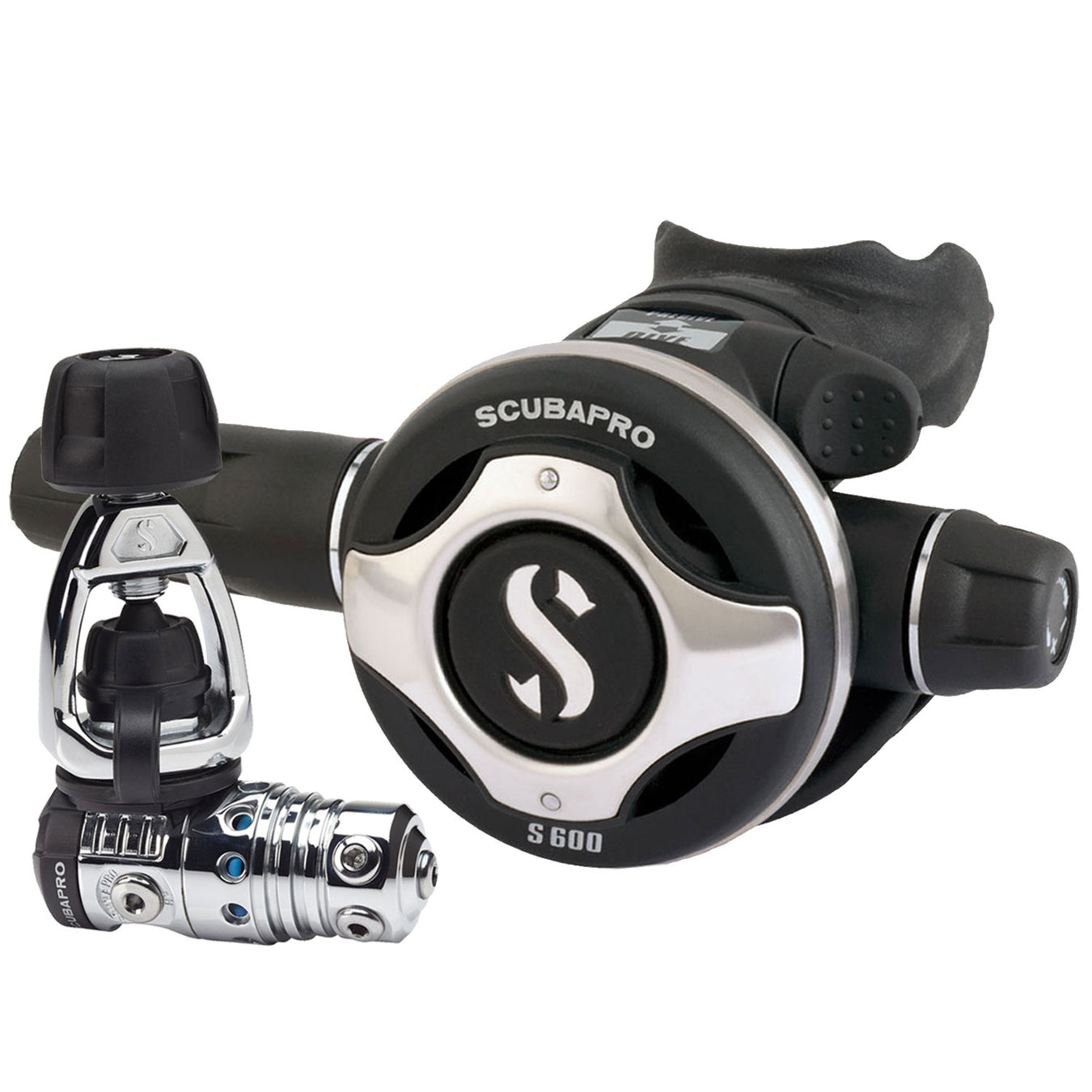
Ensuring that diving equipment is well-maintained is essential for a safe and enjoyable dive. From checking the O-rings on the regulator to inspecting the buoyancy control device for leaks, proper equipment maintenance is a fundamental aspect of dive preparation. Divers meticulously go through pre-dive checklists to confirm that all gear is functioning correctly, reducing the likelihood of equipment-related issues underwater.
Additionally, dive planning is a critical component of safe diving practices. Factors such as depth, bottom time, currents, and decompression stops must be carefully considered before descending into the depths. By adhering to established dive tables or using dive computers, divers can manage their underwater time effectively, minimizing the risk of decompression sickness and other diving-related injuries.
In answering the question of why scuba divers fall backwards, we uncover the layers of meaning behind this practice. It's a blend of practicality, safety, and the initiation of an adventure that lies beneath the waves. Scuba diving is more than just a sport; it's a journey into the unknown, a continuous learning experience, and a community of like-minded individuals who share a love for the ocean.
The backward fall is but the first step into a world where every dive is an opportunity to explore, to learn, and to connect. It's a reminder that in diving, as in life, sometimes we must take a leap backward to move forward into new adventures. So, the next time you hear the joke about why scuba divers fall backwards, remember the depth of meaning and the world of adventure that this simple action represents.
Ready to take that backward leap and immerse yourself in the enigmatic world beneath the waves? Lancaster Scuba is your gateway to the underwater adventure you've been dreaming of. With our extensive selection of scuba gear and expert instruction, we're here to ensure your dive is safe, thrilling, and unforgettable. Whether you're gearing up for your first dive or seeking new depths as a seasoned pro, our "Gear. Dive. Travel." approach has you covered. Check out our scuba gear today and embark on a journey that transcends the surface!


{"one"=>"Select 2 or 3 items to compare", "other"=>"{{ count }} of 3 items selected"}