

Exploring the Depths: Spearfishing in San Diego
Dive into the exhilarating world of spearfishing in San Diego! Discover the best spots, techniques, and gear for an unforgettable underwater adventure.
Read now
In the vast, silent world beneath the waves, spearfishers engage in a dance as old as time, merging ancient techniques with modern discipline to harvest the bounty of the sea. This pursuit is not just about the catch; it's a deep dive into the very essence of human capability and the primal connection to the aquatic realm. Central to this endeavor is a skill that seems almost superhuman—holding one's breath underwater for extended periods. But how long can spearfishers really hold their breath, and what does this reveal about the limits of human endurance and the spirit of adventure?
Understanding the breath-holding capacity of spearfishers requires a dive into the human body's physiological adaptations to underwater environments. It's a journey that reveals as much about the human spirit as it does about our biological capabilities.
At the heart of breath-hold diving is the mammalian dive reflex, an ancient physiological response that optimizes the body for submersion. Triggered by cold water on the face and the act of holding one's breath, this reflex conserves oxygen for vital organs by reducing heart rate and peripheral blood flow. Spearfishers leverage this reflex to extend their time beneath the waves, a testament to the human body's remarkable adaptability to extreme conditions.
Studies have shown that the mammalian dive reflex can significantly increase a person's ability to hold their breath. This reflex, combined with training, allows spearfishers to achieve breath-hold times that can exceed the average human capacity by several minutes.
Training plays a crucial role in extending breath-hold times. Through disciplined practice, spearfishers can enhance their lung capacity, improve CO2 tolerance, and refine their technique to minimize oxygen consumption. Techniques such as relaxation, controlled breathing before submersion, and efficient movement underwater are all critical components of a spearfisher's training regimen.
Professional freedivers, who share many techniques with spearfishers, have been known to hold their breath for over 10 minutes in static conditions. While spearfishing typically involves more physical exertion and therefore shorter breath-hold times, experienced spearfishers can often achieve breath-holds of several minutes, enabling them to pursue their quarry with patience and stealth.
When it comes to spearfishing, having the right gear can make a significant difference in both performance and safety. Spearfishers rely on specialized equipment to enhance their underwater experience and improve their chances of a successful dive.
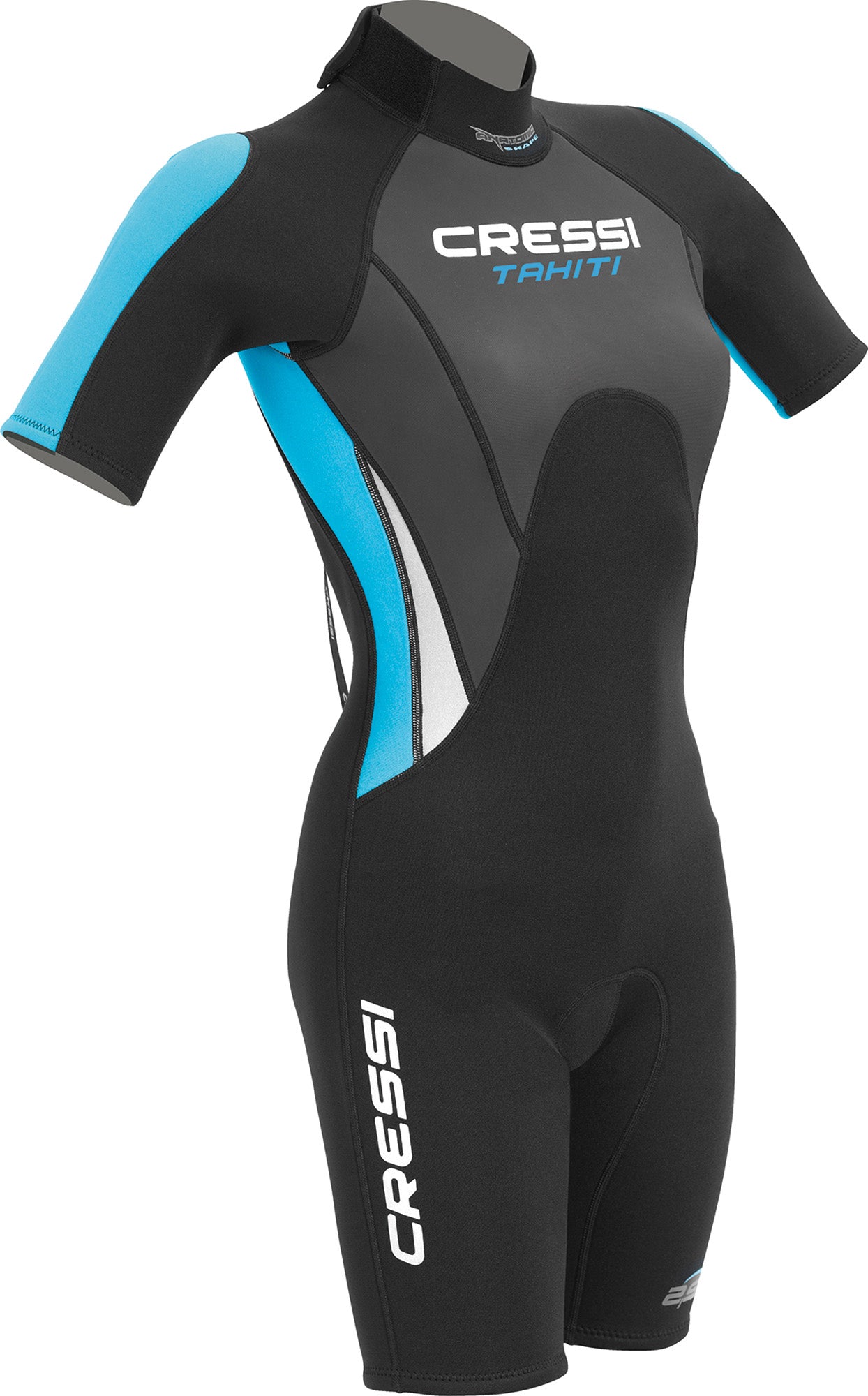
One essential piece of gear for spearfishers is the speargun, a tool that allows them to accurately target and catch fish underwater. Spearguns come in various sizes and designs, each suited to different types of fish and diving conditions. Additionally, wearing a wetsuit not only provides thermal insulation but also protects against abrasions and stings from marine life.
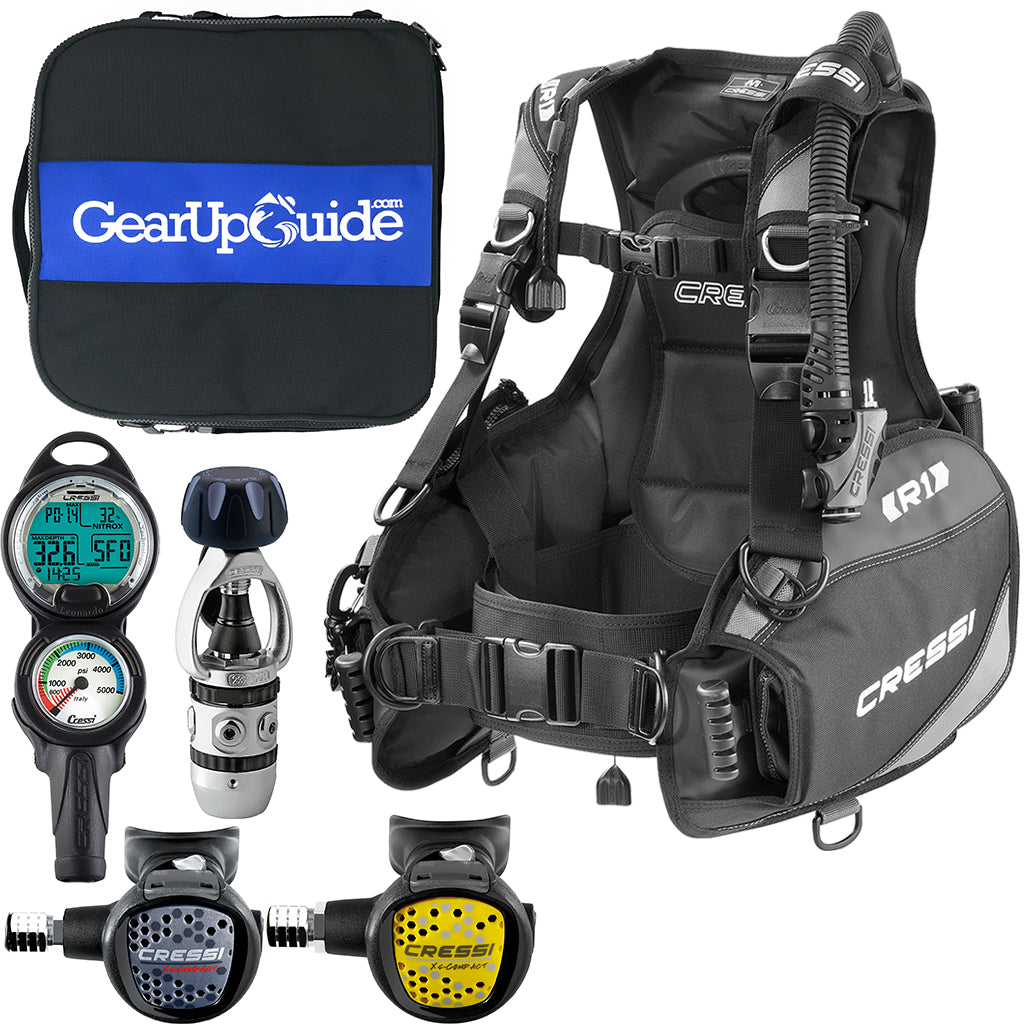
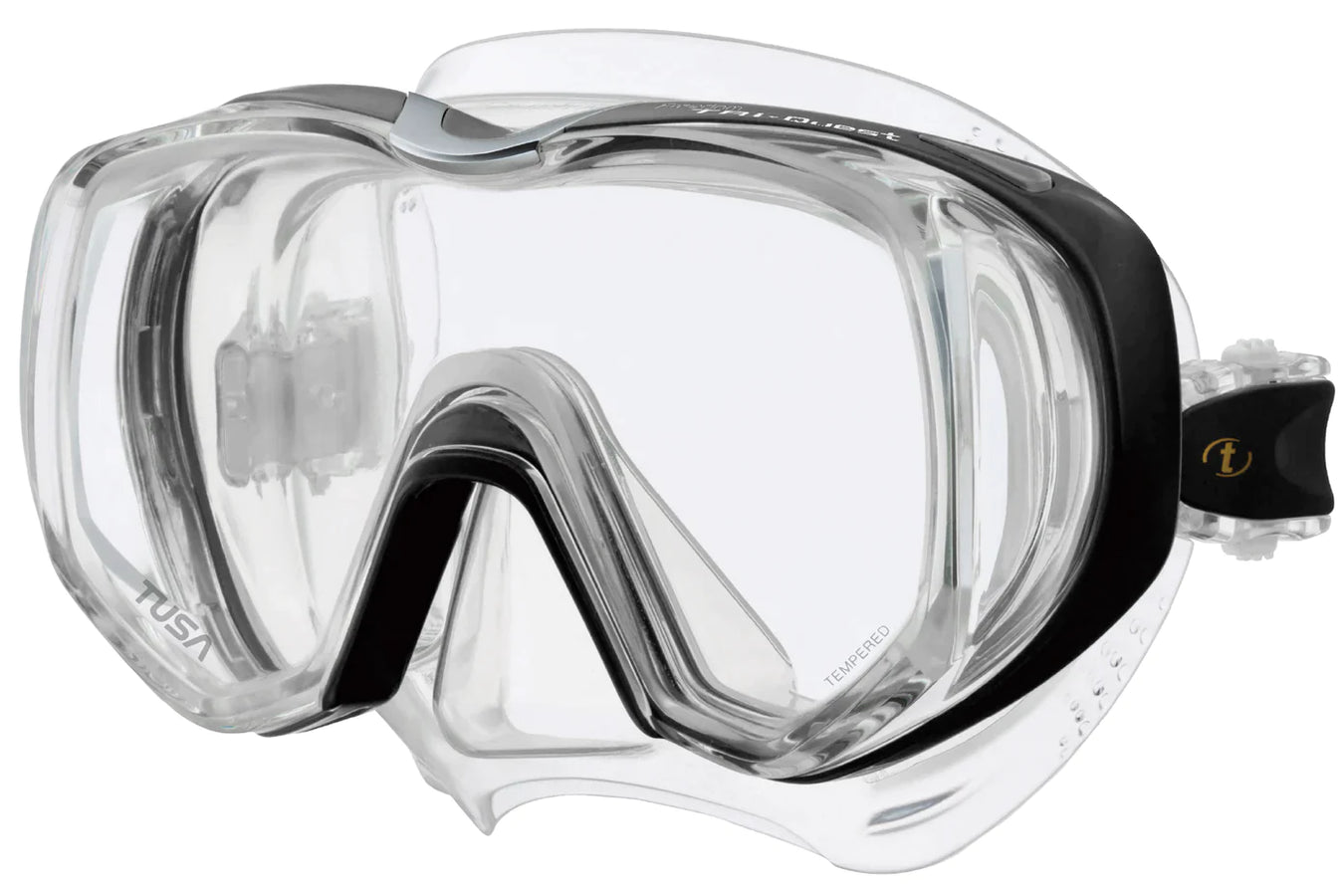
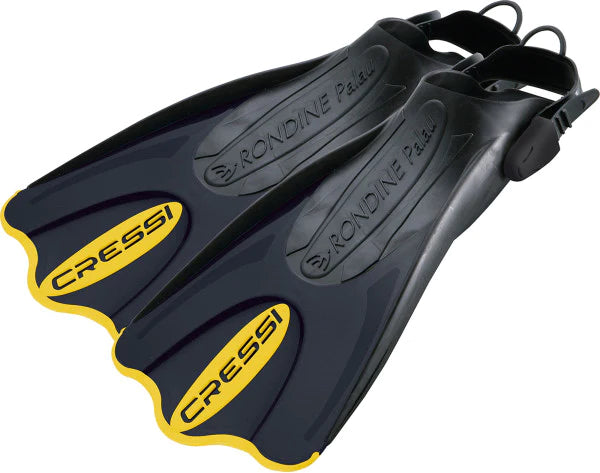
Other important gear includes a weight belt to help maintain buoyancy, diving fins for efficient movement through the water, a snorkel for surface breathing, and a diving mask to improve visibility underwater. By investing in high-quality gear and maintaining it properly, spearfishers can ensure a safer and more enjoyable diving experience.
With the pursuit of longer breath-hold times comes an increased risk of shallow water blackout, a dangerous condition that can occur when a diver loses consciousness due to hypoxia. Safety, therefore, is paramount in the practice of breath-hold spearfishing.
Shallow water blackout, or loss of motor control (LMC), typically occurs during the ascent from a dive, when the partial pressure of oxygen in the lungs drops to a critical level. Without immediate rescue and resuscitation, this condition can be fatal, highlighting the importance of diving with a buddy and knowing the signs of hypoxia.
Education on safe diving practices is as crucial as physical training. Spearfishers must be aware of their limits and the warning signs of oxygen deprivation, including tunnel vision, ringing in the ears, and an overwhelming urge to breathe. Recognizing these signs and ascending before they become severe is vital for safe diving.
Proper equipment is also essential for safety. A reliable diving watch or computer that tracks dive time and depth can help spearfishers manage their dives within safe limits. Additionally, training in first aid and rescue techniques ensures that spearfishers can respond effectively in case of an emergency.
Preparation extends beyond equipment to include physical and mental readiness. A thorough understanding of the dive site, including currents, depth, and potential hazards, is crucial for a safe and successful spearfishing adventure.
While physical training is vital for extending breath-hold times, the mental aspect of breath-hold diving should not be underestimated. Maintaining focus, staying calm under pressure, and managing anxiety are all key components of successful breath-hold dives.
Visualization techniques, where divers mentally rehearse their dives and anticipate potential challenges, can help improve performance and reduce stress during breath-hold dives. By cultivating a strong mental attitude and developing strategies to cope with discomfort and uncertainty, spearfishers can enhance their overall diving experience.
At its core, spearfishing is an adventure that tests the limits of human endurance and skill. The ability to hold one's breath for extended periods is not just a physical feat; it's a doorway to a world of silent beauty, challenge, and the primal thrill of the hunt.
Each dive is a journey into the unknown, a chance to explore hidden realms beneath the waves. From the shadowy depths where ancient shipwrecks lie to the vibrant coral reefs teeming with life, spearfishers experience the ocean in a way few others do. This exploration is driven by a spirit of adventure, a desire to push beyond the known limits and discover what lies beyond.
The allure of spearfishing lies not just in the catch but in the experience itself—the quiet solitude of the underwater world, the test of skill and endurance, and the connection to the ancient traditions of the sea. It's an adventure that calls to those who seek to explore the limits of their own capabilities and the mysteries of the deep.
While spearfishing can be a sustainable way to harvest fish, it is essential for spearfishers to be mindful of their impact on the marine environment. Overfishing, habitat destruction, and bycatch are significant concerns in many marine ecosystems, and responsible spearfishing practices can help mitigate these threats.
One way spearfishers can reduce their environmental impact is by adhering to catch limits and regulations set by local authorities. By only targeting species that are abundant and avoiding sensitive habitats, spearfishers can help maintain the ecological balance of marine ecosystems.
Additionally, spearfishers can contribute to marine conservation efforts by participating in beach cleanups, supporting marine protected areas, and educating others about the importance of sustainable fishing practices. By being stewards of the ocean and advocating for responsible fishing, spearfishers can ensure that future generations can continue to enjoy the wonders of the underwater world.
Over the centuries, spearfishing techniques have evolved from rudimentary tools to sophisticated methods that combine traditional knowledge with modern technology. From hand-thrown spears to pneumatic spearguns, spearfishers have adapted their tools to improve accuracy, range, and efficiency in catching fish.
Modern advancements in underwater imaging technology, such as fishfinders and underwater cameras, have also revolutionized the way spearfishers locate and target fish. By using these tools to identify fish species, assess underwater terrain, and plan their dives more effectively, spearfishers can increase their chances of a successful catch while minimizing their impact on the marine environment.
Furthermore, innovations in diving equipment, such as carbon fiber fins and low-volume masks, have enhanced the comfort and performance of spearfishers underwater. By staying abreast of the latest developments in gear and technology, spearfishers can continuously improve their diving experience and adapt to changing environmental conditions.
As you explore the limits of human endurance and the spirit of adventure in the underwater world, Lancaster Scuba is here to support your journey. With our extensive selection of scuba and water sports gear, expert diving instruction, and thrilling dive trips, we are your one-stop shop for all your spearfishing needs. Check out our scuba gear and embrace the breath of adventure with the right equipment, knowledge, and destinations. Gear up, dive in, and travel to the heart of the ocean with Lancaster Scuba.


{"one"=>"Select 2 or 3 items to compare", "other"=>"{{ count }} of 3 items selected"}