

Exploring the Depths: Spearfishing in San Diego
Dive into the exhilarating world of spearfishing in San Diego! Discover the best spots, techniques, and gear for an unforgettable underwater adventure.
Read now
In the vast, blue expanse of the ocean, where adventure beckons the brave, lies an art as old as spearfishing itself—the use of a fish stringer. This technique, essential for the modern spearfisher, is not just about securing the catch but about embracing the underwater hunt with respect, safety, and a spirit of exploration. Let's dive into the depths of this topic, exploring every facet of using a fish stringer in spearfishing, a skill that enriches the experience of every underwater hunter.
At its core, a fish stringer is a tool that allows spearfishers to store their catch securely while continuing their dive. This seemingly simple device is pivotal in managing the fruits of one's underwater hunt, ensuring that the adventure does not end with the first catch. But to truly understand its value, we must explore its origins, types, and the safety protocols that accompany its use.
The use of fish stringers traces back to the earliest days of spearfishing, where ancient hunters sought efficient methods to carry their catch. Initially, natural materials like vines and reeds were used, evolving over time into the more durable and practical designs we see today. This evolution mirrors the journey of spearfishing from a survival skill to a modern sport, filled with passion and respect for the ocean's bounty.
Today's market offers a variety of fish stringers, each designed with specific features to suit different spearfishing needs. From the traditional rope stringers to the more advanced stainless steel models, the choice of a stringer can significantly impact the efficiency and safety of a spearfisher's dive. Understanding the pros and cons of each type is crucial in selecting the right stringer for your spearfishing adventures.
While fish stringers are invaluable tools, their use comes with critical safety considerations. The risk of attracting predators, entanglement, and managing a catch underwater are concerns that every spearfisher must navigate. Adhering to safety protocols, such as proper stringer attachment and regular monitoring of the catch, ensures that the adventure remains enjoyable and free from harm.
As technology advances, so do the materials and designs used in fish stringers. Modern spearfishers can now choose from a range of innovative stringers made from materials like titanium and carbon fiber, offering durability and lightweight functionality. These advancements not only enhance the practicality of stringers but also contribute to the overall efficiency and enjoyment of spearfishing expeditions.
Learning to use a fish stringer effectively is a rite of passage for spearfishers. This skill not only enhances the practical aspects of the hunt but also deepens the connection between the hunter and the marine environment. Let's explore the steps involved in mastering this essential tool, from preparation to the triumphant return to the surface with a catch in tow.
Before diving into the blue, preparing your fish stringer is a step that cannot be overlooked. This preparation involves choosing the right stringer for your dive conditions, securing it to your gear, and ensuring it is easily accessible. A well-prepared stringer is the foundation of a successful and hassle-free spearfishing experience.
Once you've made your catch, the next step is to secure it safely on your stringer. This process requires precision and care to avoid damaging the fish or injuring yourself. The technique varies depending on the type of stringer, but the goal remains the same—to securely attach your catch without compromising your safety or the integrity of the fish.
With the catch secured, managing your stringer underwater becomes the focus. This includes monitoring the catch, ensuring it does not attract predators, and adjusting the stringer as needed to prevent entanglement. These practices are essential for maintaining safety and enjoying the freedom of movement essential to spearfishing.
Recent advancements in stringer technology have introduced features such as built-in scales, GPS tracking, and corrosion-resistant coatings. These technological enhancements not only make the process of storing and managing catches more efficient but also add a layer of convenience and data collection to the spearfishing experience. Spearfishers can now track their catches, monitor trends, and contribute to conservation efforts through data collection.
For the seasoned spearfisher, mastering the basic use of a fish stringer opens the door to advanced techniques and considerations. These skills not only enhance the efficiency of the hunt but also contribute to the sustainability and ethical considerations of spearfishing as a sport.
Using a fish stringer responsibly includes making informed decisions about which fish to harvest. Selective harvesting, based on size, species, and legal regulations, ensures that spearfishing remains a sustainable practice. This approach reflects a deep respect for the ocean and its inhabitants, aligning the thrill of the hunt with the principles of conservation.
Every interaction with the marine environment carries the responsibility of minimizing impact. The use of fish stringers is no exception. By adopting practices that reduce damage to coral reefs and avoid disturbing marine life, spearfishers can protect the underwater world that provides them with adventure and sustenance.
Engaging with local spearfishing communities and conservation organizations can amplify the impact of using fish stringers responsibly. Collaborative efforts to establish marine protected areas, promote sustainable fishing practices, and educate fellow spearfishers on conservation principles can help preserve marine ecosystems for future generations. By actively participating in conservation initiatives, spearfishers can contribute to the long-term health of the oceans they cherish.
Continuous learning and skill development are essential components of responsible spearfishing. Seeking out training programs, workshops, and certifications not only enhances one's proficiency in using fish stringers but also fosters a deeper understanding of marine ecology, regulations, and safety practices. By investing in education, spearfishers can elevate their experience from a recreational pursuit to a meaningful contribution to marine conservation.
The use of a fish stringer in spearfishing is more than a technique; it is a journey that intertwines the thrill of the hunt with a profound respect for the marine environment. From the historical significance of stringers to the advanced considerations of sustainable practice, this skill encapsulates the essence of spearfishing as a sport and an adventure. As we continue to explore the depths, let the art of using a fish stringer remind us of our connection to the ocean and our responsibility to protect its wonders.
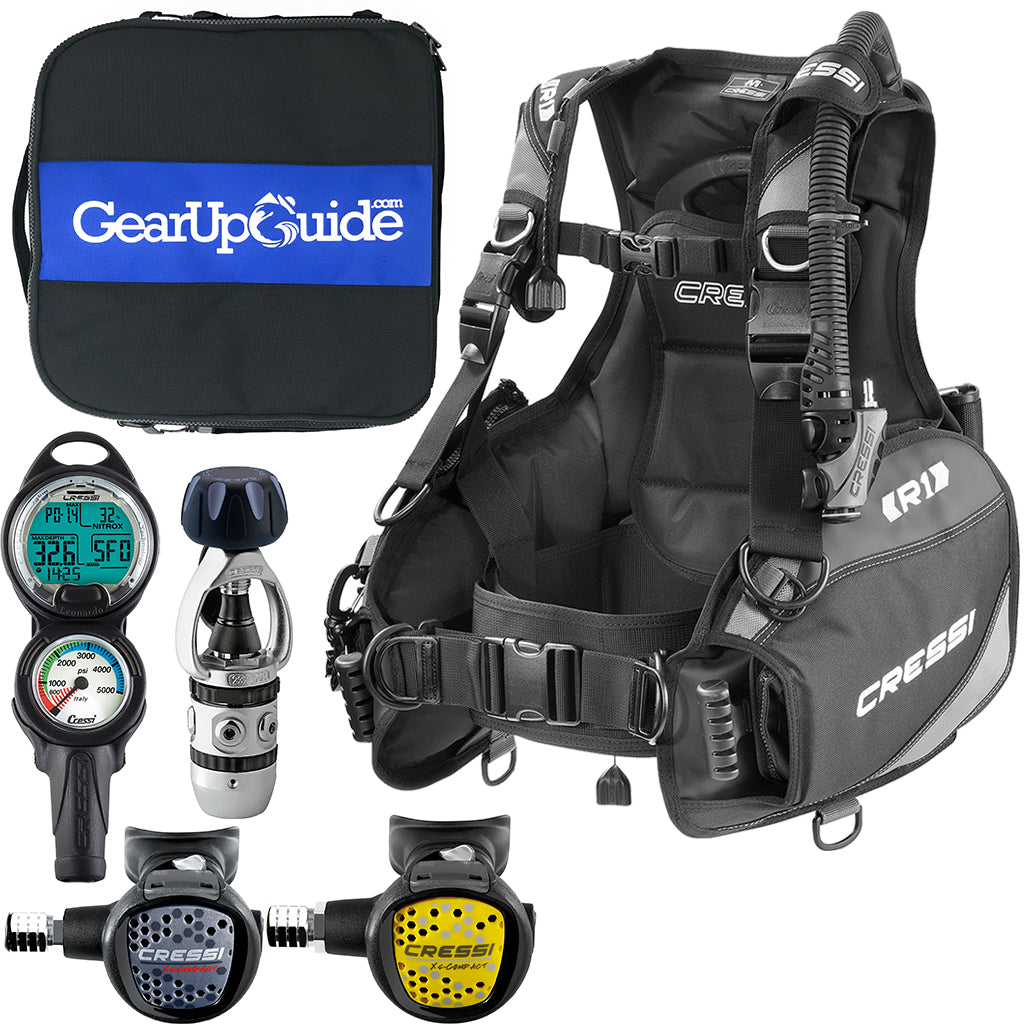
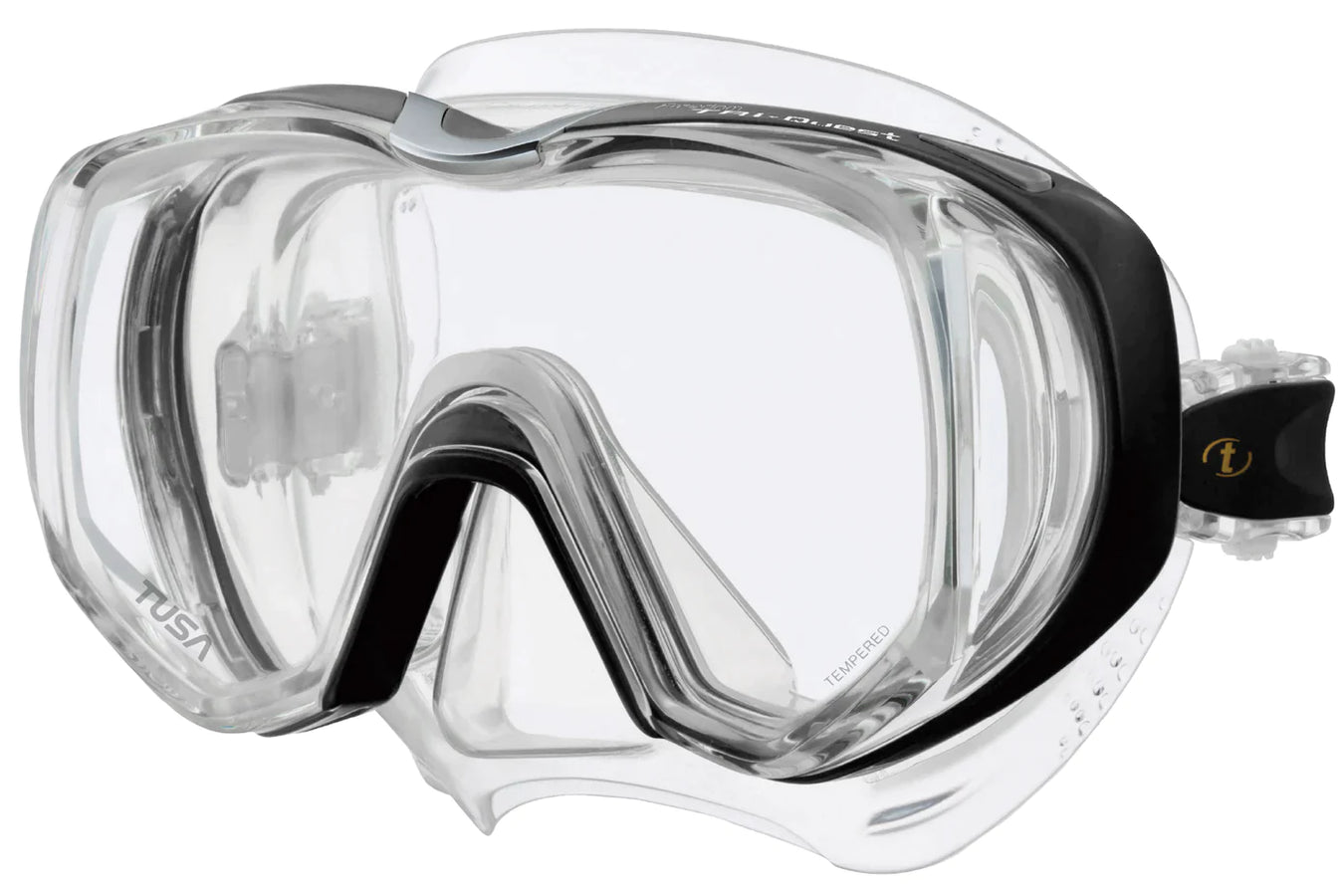
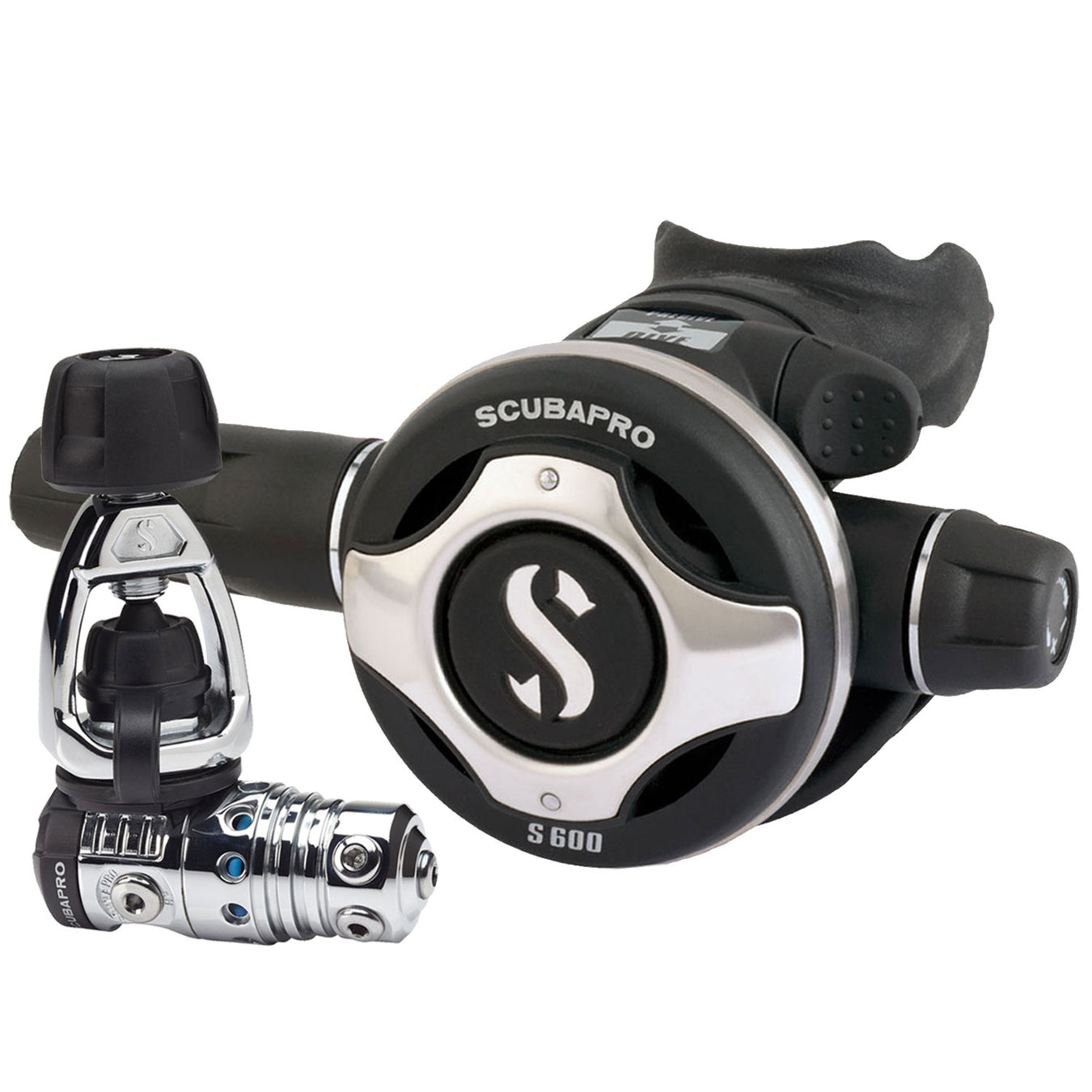
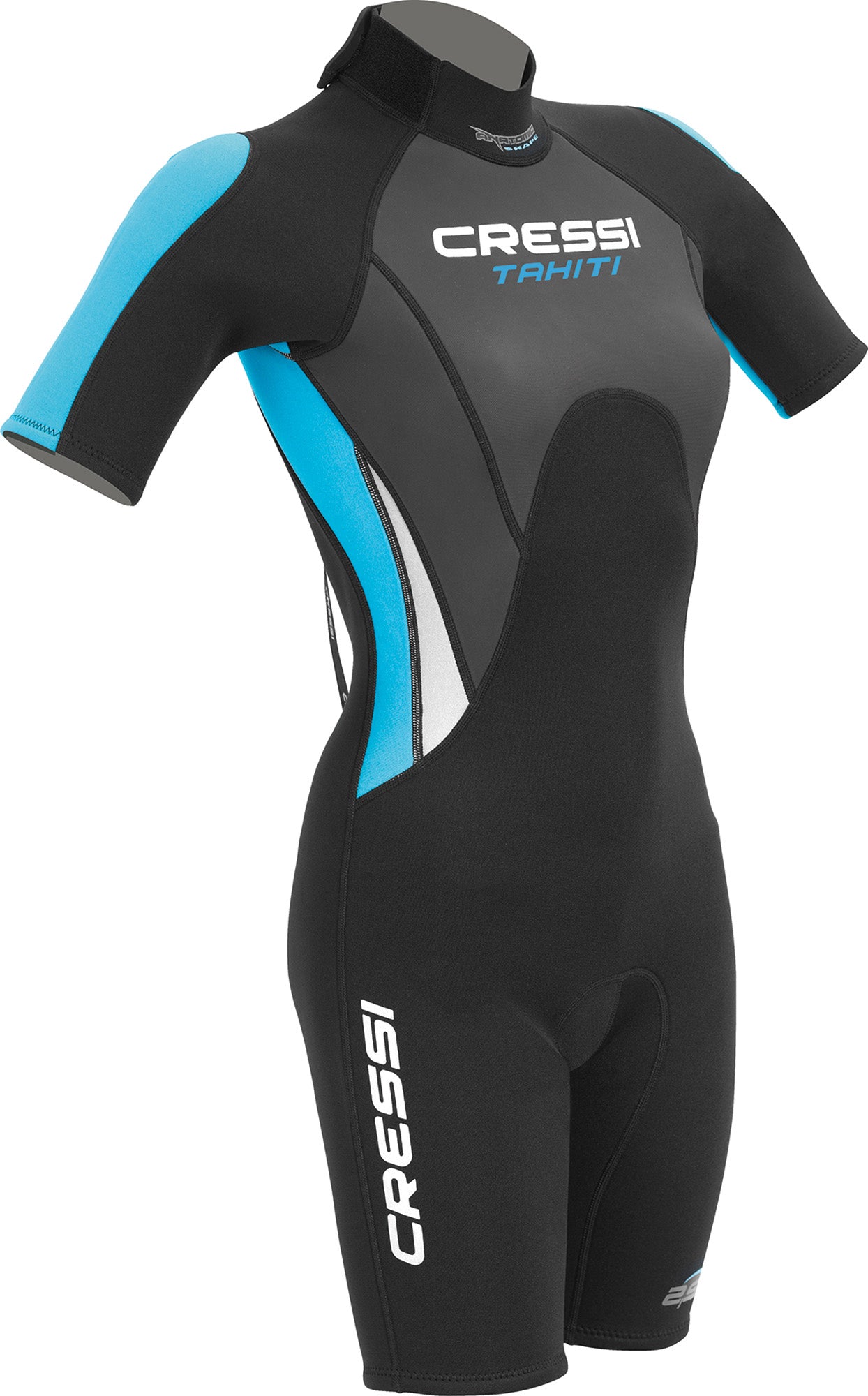
As you embrace the art of spearfishing and the adventures that await in the ocean's depths, ensure you're equipped with the best gear for the journey. At Lancaster Scuba, we're dedicated to enhancing your underwater experience with our extensive selection of scuba and water sports equipment. From the novice spearfisher to the seasoned diver, our range caters to every level of expertise. Check out our scuba gear and embark on your next dive with confidence, backed by the quality and service that Lancaster Scuba is known for. Gear. Dive. Travel. Start your adventure with us today.


{"one"=>"Select 2 or 3 items to compare", "other"=>"{{ count }} of 3 items selected"}