

Exploring the Depths: Spearfishing in San Diego
Dive into the exhilarating world of spearfishing in San Diego! Discover the best spots, techniques, and gear for an unforgettable underwater adventure.
Read now
In the vast expanse of the ocean, where adventure beckons the brave, spearfishing emerges as a pursuit that combines skill, patience, and respect for the marine environment. Among the prized catches in the spearfishing world, the wahoo stands out for its speed, beauty, and the challenge it presents to spearfishers. This article embarks on a comprehensive journey into the realm of spearfishing wahoo, exploring the nuances of technique, the essential gear, and the importance of conservation in this exhilarating sport.
The wahoo, a torpedo-shaped speedster of the seas, is renowned for its lightning-fast strikes and elusive nature, making it a coveted trophy for spearfishers. Before delving into the techniques and gear required to spearfish wahoo, it's crucial to understand the characteristics that make this species a fascinating target.
Wahoo (Acanthocybium solandri) are solitary pelagic fish found in tropical and subtropical waters worldwide. Known for their striking iridescent blue and silver coloration, wahoo can reach speeds of up to 60 mph, thanks to their streamlined bodies. They typically inhabit offshore waters and are often found near floating debris, drop-offs, and weed lines, where they hunt smaller fish.
Understanding the wahoo's habitat and behavior is essential for spearfishers, as it informs the strategies used to locate and approach these swift predators. Their preference for deep blue water necessitates a boat for access, and their speed and agility demand precise timing and aim from the spearfisher.
Wahoo exhibit seasonal migration patterns that can influence their availability in certain regions at different times of the year. In general, they are more commonly found in warmer waters, with movements that correlate with temperature changes and prey availability. Spearfishers should research local wahoo migrations and peak seasons to increase their chances of encountering these elusive fish.
By aligning spearfishing trips with these migration patterns, enthusiasts can maximize their opportunities for success. Local fishing reports, marine weather forecasts, and experienced spearfishing communities can provide valuable insights into the best times and locations to target wahoo.
Wahoo are apex predators in their marine ecosystem, preying on a variety of smaller fish species. Their hunting strategy often involves high-speed chases to catch their prey. Flying fish, squid, and smaller pelagic fish are among the common prey items for wahoo. Understanding the feeding behavior and preferred prey of wahoo can help spearfishers choose the right bait or lures to attract these elusive fish.
When targeting wahoo, spearfishers can mimic the movements of their natural prey to increase the chances of a successful catch. Using lures that resemble the fish wahoo typically feed on can be an effective strategy to lure them closer for a shot.
The pursuit of wahoo requires not only skill and knowledge but also the right gear. The equipment used in spearfishing wahoo must withstand the power and speed of these formidable opponents, ensuring both effectiveness and safety for the spearfisher.
Choosing the appropriate spearfishing gun is critical when targeting wahoo. Given the size and strength of wahoo, a powerful speargun with a range of at least 3 meters is recommended. Pneumatic and band-powered spearguns are both popular choices among spearfishers, with the latter often preferred for its power and reliability.
The spear itself should be made of durable material, such as stainless steel, and equipped with a slip tip to prevent the wahoo from tearing off after being speared. The use of a reel or float line system is also crucial, as it allows the spearfisher to maintain control over the speared fish, reducing the risk of losing both the catch and the gear.
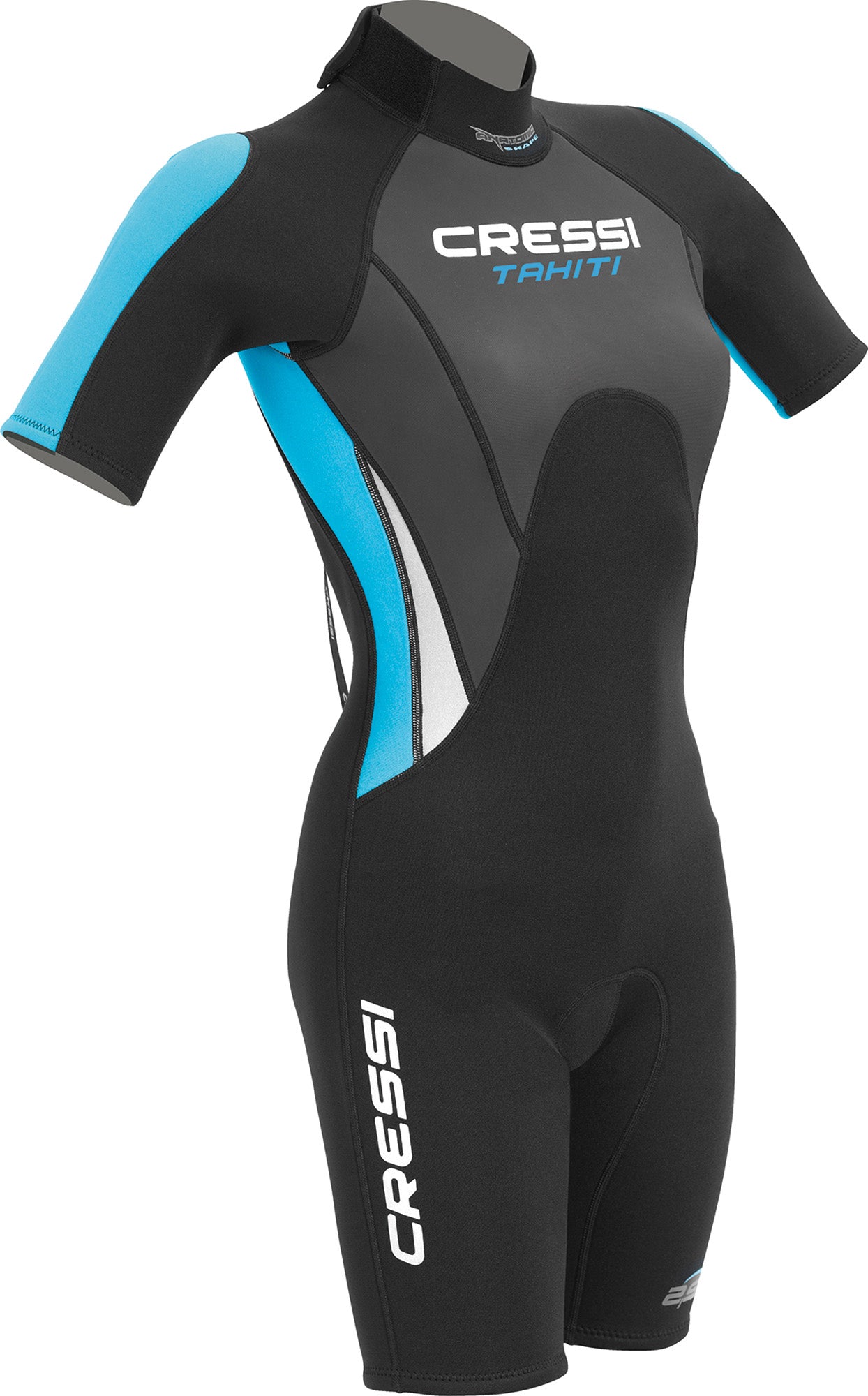
Safety should always be a spearfisher's top priority, especially when hunting powerful species like wahoo. A well-fitted wetsuit not only provides protection from the elements and potential hazards such as jellyfish stings but also aids in buoyancy control. Gloves and booties offer additional protection and grip, while a quality diving knife is essential for any unforeseen entanglements.
Dive computers and GPS devices can enhance safety by monitoring dive times, depths, and locations. These tools are invaluable for managing dive profiles and ensuring safe ascents, especially in the open waters where wahoo are found.
Documenting the thrill of spearfishing wahoo can be a rewarding experience, not only for personal memories but also for sharing the adventure with others. Underwater photography and videography equipment, such as waterproof cameras and action cams, allow spearfishers to capture the excitement of the hunt and the beauty of the marine environment.
By recording their spearfishing expeditions, enthusiasts can create lasting mementos of their encounters with wahoo and other marine species. These visual records can also serve educational purposes, raising awareness about the importance of marine conservation and sustainable fishing practices.
As with all forms of fishing, spearfishing wahoo carries a responsibility to practice sustainable and ethical methods. The thrill of the hunt must be balanced with a commitment to preserving marine ecosystems and ensuring the future of the sport.
Adhering to local regulations and size limits is fundamental to responsible spearfishing. These rules are designed to protect fish populations and ensure that species like the wahoo can thrive for future generations. Spearfishers should always familiarize themselves with the regulations in their area and practice selective fishing—targeting only those fish that meet legal size requirements and avoiding overfishing.
Additionally, the practice of catch and release, when done correctly, can contribute to conservation efforts. If a spearfisher inadvertently catches a fish that is undersized or not intended, safely removing the spear and releasing the fish can help preserve the population.
Spearfishers have a unique opportunity to act as stewards of the ocean. By participating in citizen science projects, such as fish population surveys, and supporting marine protected areas, spearfishers can contribute valuable data and advocate for the protection of marine habitats.
Furthermore, the spearfishing community can lead by example, promoting ethical practices, educating others about the importance of conservation, and working together to reduce the impact of fishing on the marine environment. Through responsible actions and a commitment to sustainability, spearfishers can ensure that the adventure of spearfishing wahoo remains a thrilling pursuit for generations to come.
In the heart of the spearfishing community, the pursuit of wahoo embodies the spirit of adventure, the challenge of mastering one's skills, and the importance of harmony with the marine world. By understanding the nuances of wahoo behavior, equipping oneself with the right gear, and practicing ethical spearfishing, enthusiasts can experience the exhilaration of the hunt while contributing to the conservation of our oceans. The journey to spearfish wahoo is not just about the thrill of the catch but about diving deeper into our connection with the natural world.
Ready to dive into the world of spearfishing wahoo with the expertise and gear that match your passion? Lancaster Scuba is your one-stop destination for all things scuba and spearfishing. From top-notch equipment to PADI-certified courses tailored for spearfishers, we've got you covered. Gear up for your next underwater adventure, enhance your diving skills, and join us on an unforgettable journey to the most beautiful spearfishing locales. Check out our scuba gear today and take the first step towards a seamless spearfishing experience with Lancaster Scuba.


{"one"=>"Select 2 or 3 items to compare", "other"=>"{{ count }} of 3 items selected"}