

Exploring the Depths: Spearfishing in San Diego
Dive into the exhilarating world of spearfishing in San Diego! Discover the best spots, techniques, and gear for an unforgettable underwater adventure.
Read now
In the vast expanse of the ocean, there lies a world teeming with life, color, and mystery. Snorkeling offers a unique window into this underwater realm, providing both novices and seasoned adventurers with the opportunity to explore the wonders beneath the waves. Mastering the art of snorkeling is not just about the technicalities of using a snorkel; it's about embracing the adventure, understanding the environment, and ensuring safety in every breath taken underwater.
At its core, snorkeling is a simple yet profound way to interact with the aquatic world. It's an activity that requires minimal equipment but opens up a universe of exploration. The essence of snorkeling lies in its accessibility and the immediate connection it fosters with marine life, offering an experience that is as enriching as it is exhilarating.
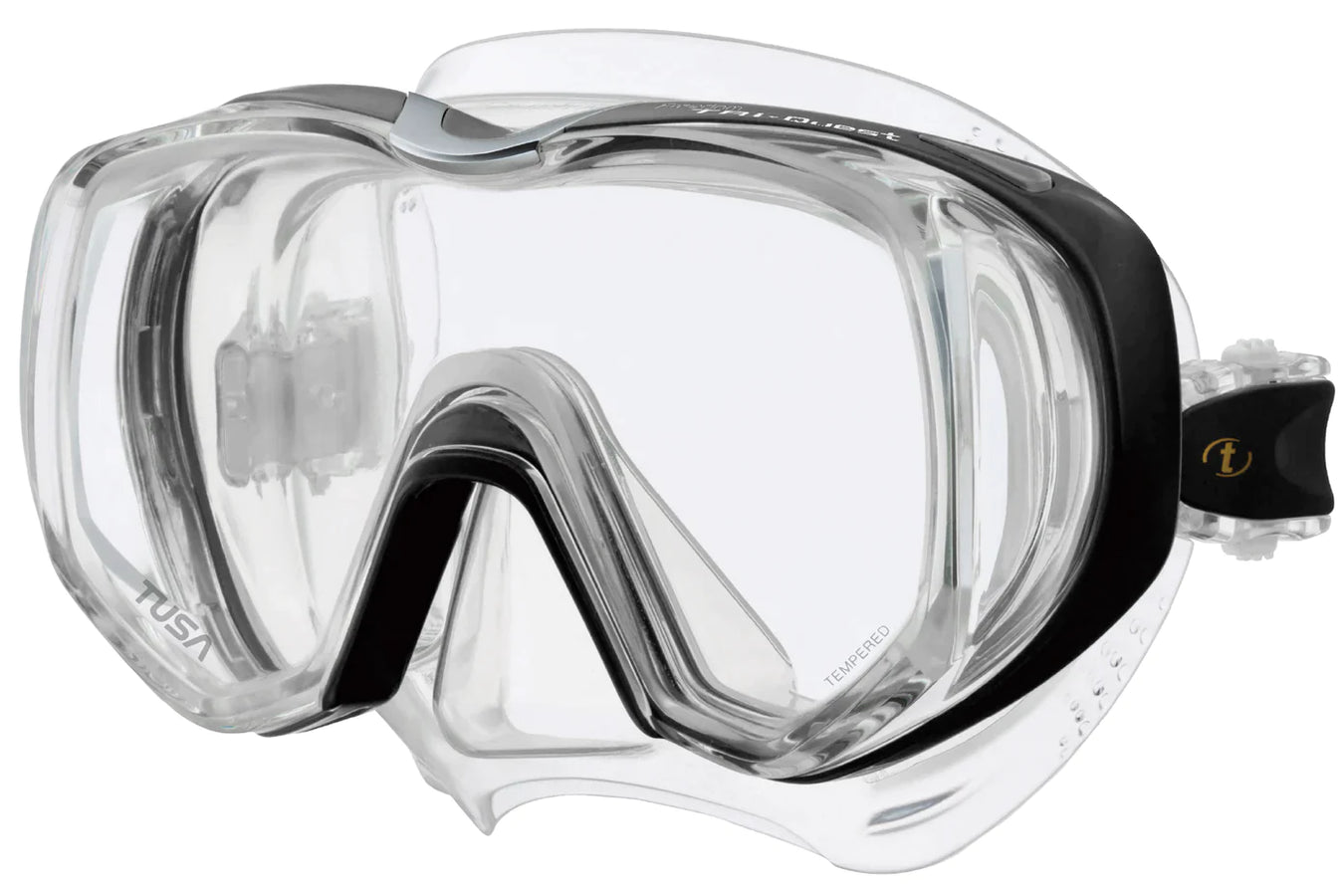
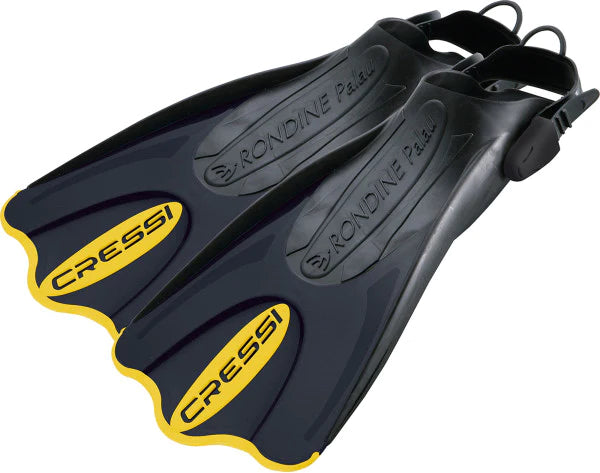
The snorkel, a seemingly simple tube, is the lifeline of the snorkeler. It allows one to breathe while floating face-down on the water's surface, observing the underwater spectacle without the need to surface frequently for air. Alongside the snorkel, the mask provides a clear view beneath the water, and fins offer the mobility to glide effortlessly. Understanding and selecting the right equipment is the first step in the snorkeler's journey.
Choosing a snorkel and mask that fit comfortably and securely is paramount. The mask should form a tight seal around the face, preventing water from entering, while the snorkel should be of a suitable length and diameter to allow easy breathing. Fins should be neither too tight nor too loose, enabling efficient movement without causing cramps or discomfort.
For those new to snorkeling, mastering basic techniques is essential for a safe and enjoyable experience. Learning to breathe calmly and evenly through the snorkel can take some practice but is crucial for conserving energy and staying relaxed in the water. Equally important is becoming comfortable with using fins to navigate, making smooth, controlled movements to minimize disturbance to marine life.
Practicing in shallow, calm waters before venturing into deeper or more challenging environments can help beginners build confidence. It's also beneficial to snorkel with a buddy, not only for safety but also to share the thrill of discovery as you encounter colorful fish, intricate coral formations, and perhaps even the occasional curious sea turtle.
While snorkeling offers an unparalleled adventure, it also demands a commitment to safety and environmental conservation. The ocean is a powerful and sometimes unpredictable force, and respecting its boundaries is key to a rewarding snorkeling experience.
Staying aware of your surroundings, including currents, tides, and weather conditions, is critical. Even experienced snorkelers can find themselves in challenging situations if they underestimate the ocean's dynamics. It's also essential to be mindful of your physical limits, avoiding overexertion and staying hydrated, especially in warm climates.
Using a buoyancy control device or a snorkeling vest can enhance safety, providing the option to float effortlessly when needed. Additionally, snorkelers should always inform someone onshore of their plans, including their intended location and return time.
Snorkeling also carries the responsibility of protecting the underwater environments we are privileged to explore. This means adhering to guidelines such as not touching or standing on coral, which is fragile and easily damaged. Observing marine life without disturbing it is part of ethical snorkeling practices, ensuring that our encounters are non-intrusive and sustainable.
Moreover, being mindful of the sunscreen we use and opting for reef-safe products can significantly reduce the impact on marine ecosystems. Every small action counts towards preserving the ocean's health and beauty for future generations to marvel at and enjoy.
Snorkeling is more than just a pastime; it's a gateway to adventure, a way to connect with the natural world on a profound level. Each dive is an opportunity to witness the marvels of the ocean, from the tiniest nudibranch to the majestic manta ray.
As skills and confidence grow, snorkelers can seek out new destinations, each with its unique ecosystems and challenges. From the vibrant coral reefs of the Caribbean to the kelp forests of the Pacific, the world is full of snorkeling spots waiting to be discovered. Embracing the spirit of adventure means being open to these experiences, ready to explore, learn, and be amazed.
Part of the adventure is also in the unexpected encounters and the stories that emerge from each snorkeling trip. The ocean is full of surprises, and its inhabitants often have a way of reminding us of the wonder and fragility of life beneath the waves.
Mastering snorkeling is a journey that never truly ends. There is always more to learn, from refining techniques to deepening our understanding of marine biology and conservation. It's a pursuit that challenges and rewards in equal measure, offering endless opportunities for growth and discovery.
Ultimately, the art of snorkeling is about embracing the adventure with curiosity, respect, and a sense of responsibility. It's about diving not just into the water, but into life's potential, exploring the depths of our planet and ourselves. As we float on the ocean's surface, looking down into the blue, we are reminded of the vastness of the world and our place within it—a humbling and exhilarating perspective that only snorkeling can provide.
For those looking to take their snorkeling skills to the next level, mastering advanced techniques can enhance the overall experience underwater. One such technique is duck diving, a method used to descend below the surface efficiently without causing disturbance. By gently kicking downwards while simultaneously tilting the body forward, snorkelers can glide smoothly into deeper waters.
Another advanced technique is the use of a snorkel purge valve, which allows for quick clearing of any water that enters the snorkel. This feature can be especially useful in choppy conditions or when performing dynamic movements underwater. Additionally, practicing controlled breathing patterns can help improve air consumption and prolong dive times, enabling snorkelers to explore the underwater world for longer durations.
For the truly adventurous, night snorkeling offers a unique perspective on the underwater world. Equipped with underwater lights or glow sticks, snorkelers can witness a different array of marine life that emerges under the cover of darkness. From bioluminescent plankton creating mesmerizing light shows to nocturnal creatures like octopuses and lobsters, night snorkeling adds an element of mystery and excitement to the snorkeling experience.
Before embarking on a night snorkeling adventure, it's essential to familiarize oneself with the chosen location during daylight hours to ensure safety and orientation in the dark. Additionally, using signaling devices such as dive lights or glow markers can help maintain visibility and communication with fellow snorkelers in low-light conditions.
From tropical paradises to cold-water havens, the world is dotted with exceptional snorkeling destinations that cater to a variety of preferences and skill levels. In the crystal-clear waters of the Maldives, snorkelers can encounter vibrant coral reefs teeming with a kaleidoscope of fish species, while in the Galapagos Islands, the opportunity to swim alongside marine iguanas and sea lions awaits.
For those seeking a unique experience, the cenotes of Mexico offer a surreal underwater landscape of freshwater caves and caverns, providing a glimpse into a different realm altogether. Closer to home, the Florida Keys boast a diverse marine ecosystem, including the iconic Christ of the Abyss statue in Key Largo, a popular snorkeling site rich in history and marine biodiversity.
While many envision snorkeling in warm, tropical waters, cold-water snorkeling presents its own set of challenges and rewards. In destinations like Norway's fjords or Canada's Vancouver Island, snorkelers can witness stunning kelp forests and encounter cold-water species such as seals and sea otters.
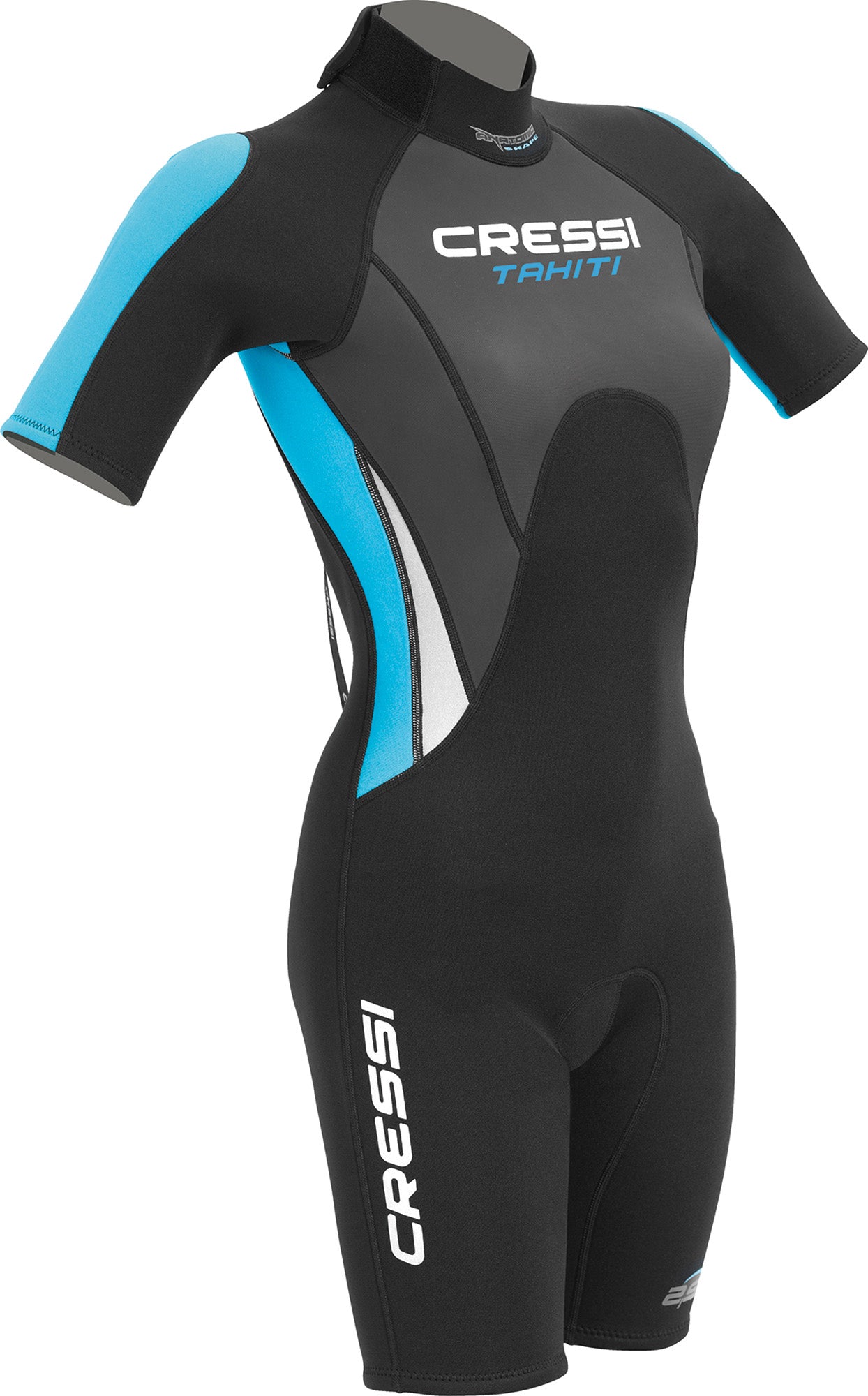
When preparing for cold-water snorkeling, wearing appropriate exposure protection is crucial to maintaining body heat and comfort. Thick wetsuits or drysuits, along with insulated hoods and gloves, help prevent hypothermia and extend the duration of cold-water dives. Additionally, familiarizing oneself with cold-water safety protocols and signs of hypothermia is essential for a safe and enjoyable experience.
By embracing the diversity of snorkeling destinations around the world, enthusiasts can expand their horizons and discover the beauty and complexity of underwater ecosystems across different climates and environments.
As you embark on your snorkeling adventures, let Lancaster Scuba be your trusted companion. With our extensive selection of scuba and water sports gear, expert diving instruction, and thrilling travel opportunities, we are dedicated to enhancing your underwater experiences. Whether you're just starting out or looking to expand your horizons, our "Gear. Dive. Travel." approach ensures you're well-equipped for the journey ahead. Check out our scuba gear and take the first step towards mastering the art of snorkeling with confidence and style.


{"one"=>"Select 2 or 3 items to compare", "other"=>"{{ count }} of 3 items selected"}