

Exploring the Depths: Spearfishing in San Diego
Dive into the exhilarating world of spearfishing in San Diego! Discover the best spots, techniques, and gear for an unforgettable underwater adventure.
Read now
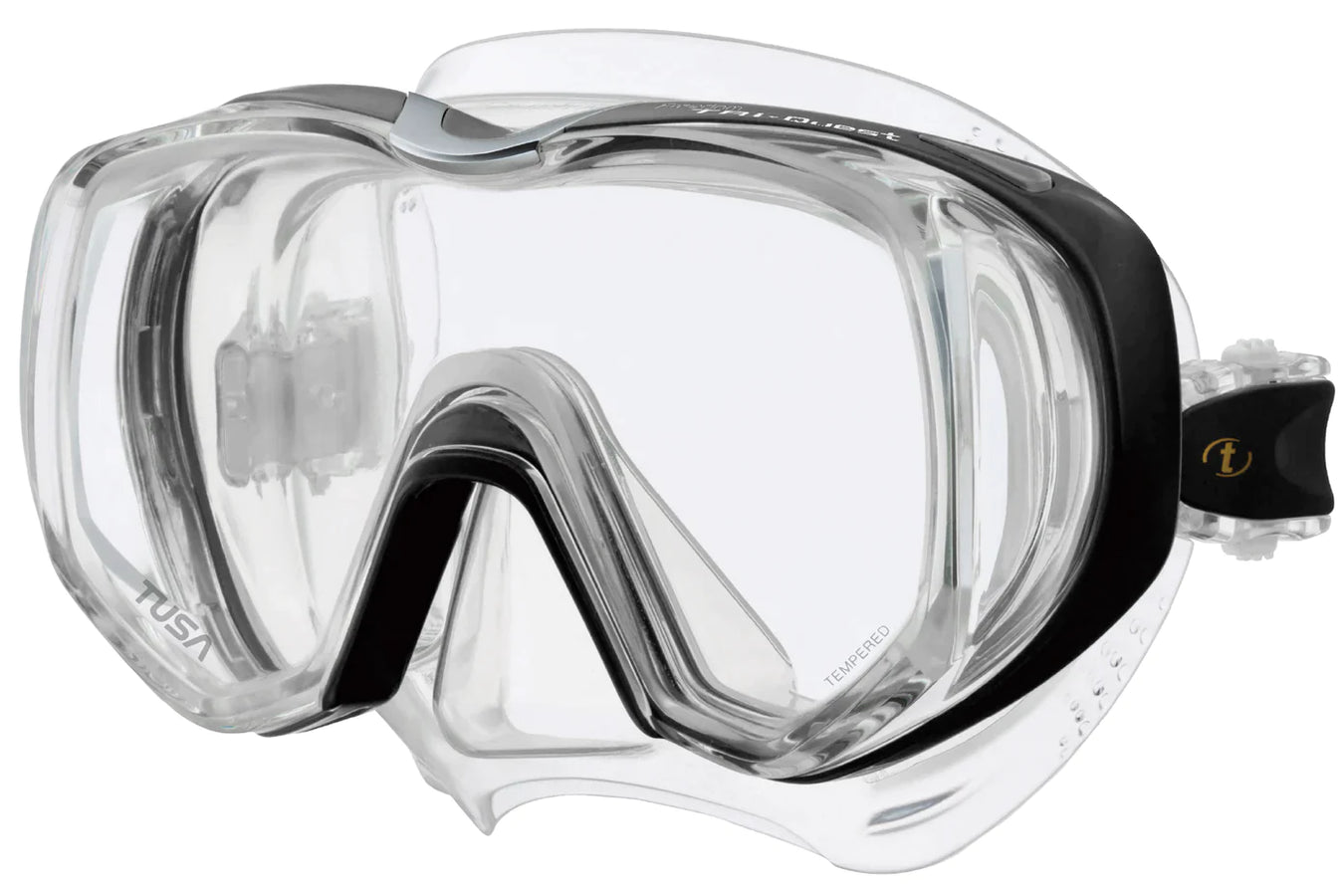
In the realm of scuba diving, a clear vision beneath the waves is not just a matter of convenience, but a cornerstone of safety and enjoyment. The scuba mask, a diver's window to the underwater world, requires meticulous care to ensure it remains fog-free and in pristine condition. This guide delves into the essential techniques and practices for cleaning your scuba mask, ensuring every dive is as clear and exhilarating as the first.
A clean scuba mask is pivotal not only for the quality of your dive but for your safety beneath the waves. A mask that is not properly cleaned can become a breeding ground for bacteria, or worse, fog up during a dive, potentially obscuring hazards and diminishing the overall experience. Understanding the significance of this task is the first step in embracing the adventure that lies in the meticulous care of your diving gear.
Clear vision is paramount in the underwater realm. It allows divers to navigate, appreciate the vibrant marine life, and communicate effectively with their dive buddies. A well-maintained mask ensures that your underwater adventures remain safe and visually stunning.
Regular cleaning not only preserves the clarity of your mask but also extends its lifespan. Saltwater, if left to dry on the mask, can degrade the silicone skirt and strap, while bacteria and oils from your skin can cloud the lens. Proper cleaning prevents these issues, ensuring your mask remains a reliable companion on many dives.
A new scuba mask often comes with a thin layer of silicone film from the manufacturing process, which can cause fogging. Preparing your mask before its first plunge is a crucial step in ensuring clear vision on your dives.
The initial cleaning of a new mask involves removing the silicone film. This can be done using a non-abrasive toothpaste or a mask cleaner designed for scuba gear. Gently rub the cleaner on the inside of the lens with your fingertips, rinse thoroughly with fresh water, and allow it to air dry.
Some divers prefer using a lighter to carefully burn off the silicone film. This method requires holding the flame a few inches away from the lens, moving it continuously to avoid damaging the mask. It's a delicate process that, when done correctly, effectively prepares the mask for anti-fog treatments.
Post-dive maintenance is essential in keeping your mask clear and ready for your next underwater adventure. This routine care removes salt, chlorine, and any organic material that may have settled on your mask during your dive.
Immediately after your dive, rinse your mask thoroughly with fresh water. This simple step removes the majority of the salt and chlorine, preventing them from crystallizing on the lens and damaging the silicone.
After rinsing, allow your mask to air dry in a shaded area. Direct sunlight can degrade the silicone and fade the color of your mask. Once dry, store your mask in a case to protect it from dust and scratches, ensuring it remains in optimal condition for your next dive.
Fogging is a common issue that can impair a diver's vision, but with the right techniques, it can be effectively managed.
Applying an anti-fog solution before each dive can significantly reduce fogging. These solutions create a thin film on the lens that prevents condensation. For a more eco-friendly option, baby shampoo diluted with water works as an effective natural alternative.
A time-honored method among divers is the simple act of spitting into the mask and rinsing it with a small amount of water before the dive. This makeshift anti-fog treatment is surprisingly effective and widely used in the diving community.
Even with meticulous care, a scuba mask will eventually show signs of wear and tear. Recognizing when it's time to replace your mask is crucial for maintaining the quality of your diving experiences.
Signs that indicate it's time for a new mask include noticeable scratches on the lens that impair vision, a skirt that has become stiff or cracked, and a strap that no longer maintains its elasticity. These issues can compromise the fit and seal of the mask, leading to leaks and discomfort during your dives.
Advancements in scuba gear technology may also prompt an upgrade. Newer models offer improved field of vision, enhanced comfort, and better anti-fog properties. Keeping up with these innovations ensures that your gear enhances, rather than detracts from, your diving adventures.
Storing your scuba mask correctly is just as important as cleaning it. Improper storage can lead to damage and reduce the lifespan of your mask. To ensure your mask stays in top condition, follow these storage tips:
By following these storage guidelines, you can prolong the life of your scuba mask and maintain its clarity for many dives to come.
When it comes to cleaning your scuba mask, using the right products is essential to prevent damage and maintain clarity. Here are some tips for selecting the best cleaning products for your mask:
By choosing the appropriate cleaning products, you can ensure that your scuba mask remains in pristine condition and provides you with clear vision on every dive.
While commercial anti-fog solutions are readily available, you can also create your own DIY defogging remedies using household items. Here are a few simple recipes to try:
Mix equal parts of distilled water and white vinegar in a small spray bottle. Before each dive, spray the solution on the inside of your mask, then rinse it with fresh water to prevent fogging.
Create a paste using non-abrasive toothpaste and water. Gently rub the paste on the inside of your mask, rinse thoroughly, and let it air dry. This method can help prevent fogging and maintain clarity.
Dilute baby shampoo with water to create a gentle anti-fog solution. Apply a small amount to the inside of your mask, rinse, and enjoy a fog-free dive with crystal-clear vision.
Experiment with these DIY defogging recipes to find the one that works best for your mask and diving conditions. With these homemade solutions, you can keep your mask clear and fog-free without the need for commercial products.
While it's essential to keep your scuba mask clean, it's also important to consider the environmental impact of the cleaning products you use. Some commercial cleaners contain chemicals that can be harmful to marine life if they enter the ocean. To minimize your ecological footprint, opt for eco-friendly cleaning products or DIY solutions made from natural ingredients.
By choosing environmentally conscious cleaning products, you can enjoy your dives knowing that you're protecting the underwater environment you love to explore.
If you require prescription lenses in your scuba mask, proper care is crucial to maintain both the corrective properties of the lenses and the clarity of your vision underwater. Here are some tips for caring for your prescription mask:
By following these care tips, you can ensure that your prescription mask provides you with clear vision and enhances your diving experience every time you explore the underwater world.
In conclusion, the care and maintenance of your scuba mask are integral to the quality of your diving experiences. A clean, well-maintained mask ensures clear vision, safety, and comfort beneath the waves. By adopting these practices, divers can continue to explore the underwater world with clarity and confidence, embarking on each dive as if it were their first.
Now that you understand the importance of keeping your scuba mask in top condition, it's time to gear up for your next underwater adventure with Lancaster Scuba. Whether you're in need of new equipment, looking to rent, or require professional servicing, our extensive selection caters to all your diving needs. Embrace the full spectrum of "Gear. Dive. Travel." and enhance your diving experiences with our expertly curated products. Check out our scuba gear today and dive into your next aquatic journey with clarity and confidence.


{"one"=>"Select 2 or 3 items to compare", "other"=>"{{ count }} of 3 items selected"}