

Exploring the Depths: Spearfishing in San Diego
Dive into the exhilarating world of spearfishing in San Diego! Discover the best spots, techniques, and gear for an unforgettable underwater adventure.
Read now
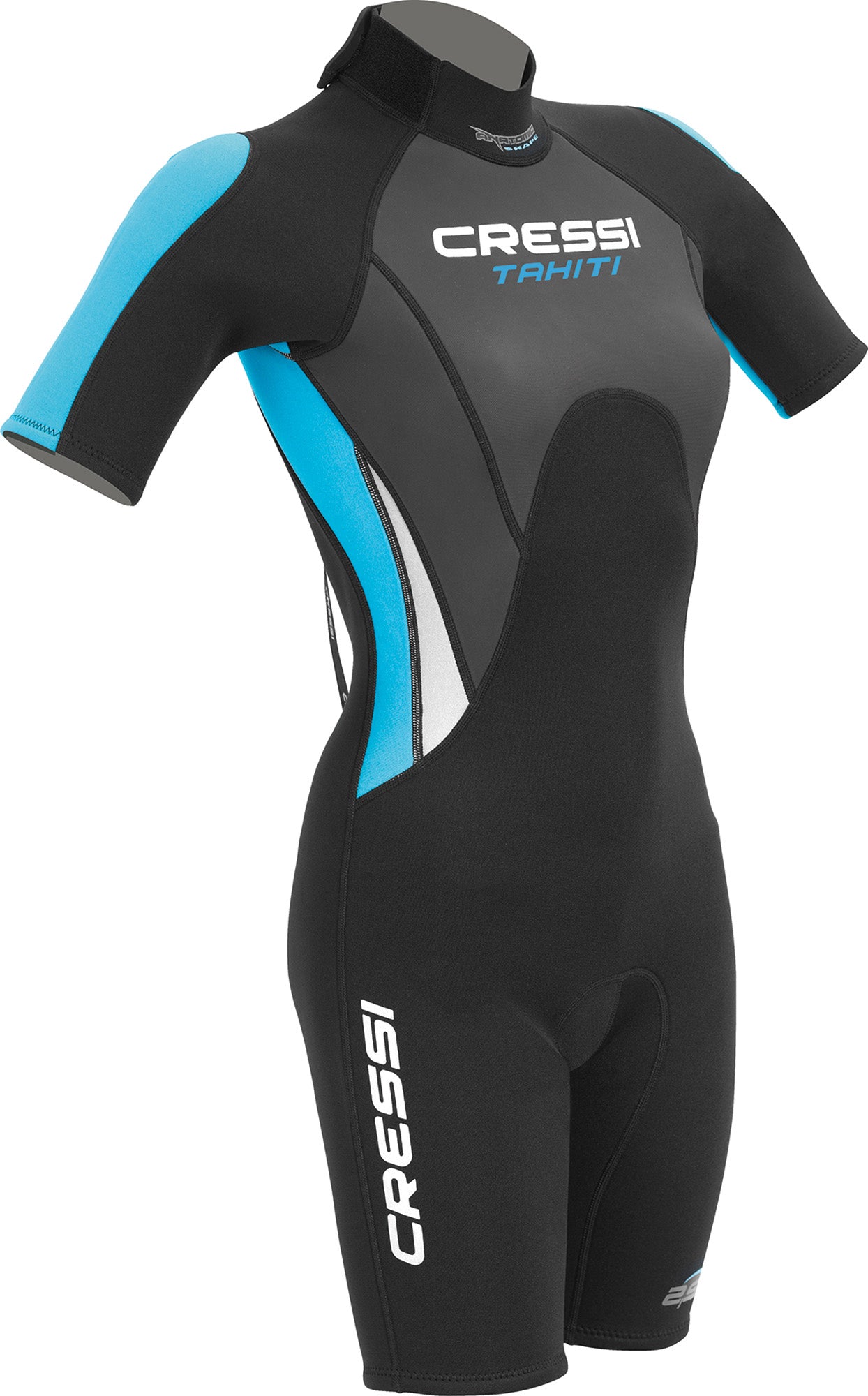
In the realm of aquatic adventures, the wetsuit emerges not just as a piece of equipment but as a companion that braves the depths of the ocean with you. Its significance goes beyond its neoprene fabric; it's a shield, a comfort, and sometimes, a lifeline. However, the care we extend towards this essential gear, particularly in drying it, profoundly impacts its longevity and performance. This guide delves into the meticulous art of drying a wetsuit, ensuring it's ready for your next dive into the unknown.
Understanding the criticality of drying your wetsuit correctly is the first step in safeguarding its essence. A well-maintained wetsuit not only serves you longer but also enhances your diving experience, making every adventure beneath the waves as thrilling as the first.
The material of a wetsuit, predominantly neoprene, is susceptible to degradation if not cared for properly. Saltwater, in particular, can be harsh, causing the neoprene to lose its flexibility and warmth over time. Proper drying techniques can mitigate these effects, significantly extending the life of your wetsuit.
Moreover, moisture trapped within the fibers of the wetsuit can lead to the growth of mold and mildew, which not only produces an unpleasant odor but can also cause skin irritations. Ensuring your wetsuit is thoroughly dry before storage is crucial in preventing these issues.
A wetsuit that's not properly dried can become stiff and uncomfortable, detracting from the joy of diving. On the other hand, a well-maintained wetsuit retains its flexibility, fitting snugly and comfortably, allowing you to move freely underwater. This not only improves your overall diving experience but also ensures your safety by preventing unnecessary distractions.
When selecting a spot to dry your wetsuit, consider factors beyond just avoiding direct sunlight. Ideally, choose a location with good air circulation to facilitate faster drying. Hanging your wetsuit in a place with a gentle breeze can expedite the process and reduce any lingering odors that may develop in a stagnant environment.
Drying a wetsuit might seem straightforward, but doing it correctly is an art that requires attention to detail. Follow these steps to ensure your wetsuit is ready for your next adventure.
Immediately after your dive, rinse your wetsuit with fresh water. This step is crucial in removing salt, chlorine, and other contaminants that can degrade the neoprene. Ensure you turn the wetsuit inside out to rinse both sides effectively.
After rinsing, gently squeeze out the excess water from your wetsuit. Avoid wringing it, as this can damage the neoprene. Instead, press the fabric gently between your hands or against a flat surface.
Hang your wetsuit in a well-ventilated area out of direct sunlight. UV rays can degrade the neoprene over time, so it's essential to find a spot that's shaded yet allows air to circulate freely. Use a wide hanger to avoid creases and ensure the wetsuit dries evenly.
After a few hours, flip your wetsuit inside out to ensure both sides dry evenly. This step is crucial in preventing mold and mildew growth by ensuring no moisture is trapped inside.
Investing in a wetsuit drying rack can be beneficial, especially if you're a frequent diver. These racks are designed to support the wetsuit in a way that promotes proper airflow, aiding in quicker and more thorough drying. Additionally, they help maintain the shape of the wetsuit, preventing any stretching or distortion.
Beyond the basic steps of drying a wetsuit, there are additional measures you can take to ensure your gear remains in top condition.
Occasionally, using a specialized wetsuit cleaner can help remove odors and buildup that regular rinsing might not tackle. These cleaners are designed to be gentle on neoprene and can significantly extend the life of your wetsuit.
Regularly inspect your wetsuit for any signs of wear and tear, such as fraying seams or punctures. Addressing these issues promptly can prevent further damage and prolong the lifespan of your wetsuit. Consider patching small tears with neoprene cement to prevent them from expanding.
When storing your wetsuit, proper folding can make a difference in maintaining its shape and integrity. Avoid folding along the same lines repeatedly, as this can weaken the neoprene. Instead, vary the folding pattern to distribute stress evenly across the fabric.
The journey of a diver is filled with awe-inspiring moments, from the magical encounters with marine life to the serene tranquility of being underwater. Your wetsuit is a silent witness to these adventures, a companion that, with proper care, will continue to be part of many more. Drying your wetsuit correctly is not just about maintenance; it's about respect for the gear that accompanies you into the depths, a testament to the adventures that await. As you embark on your next dive, remember that the care you extend to your wetsuit today ensures countless tomorrows filled with exploration and wonder.
As you ensure your wetsuit's longevity with proper care, remember that Lancaster Scuba is here to enhance your aquatic journey. With our extensive selection of top-quality scuba gear, expert diving instruction, and exotic dive travel opportunities, we're committed to providing you with a seamless experience. Gear up, dive into new depths, and explore the world with us. Check out our scuba gear today and prepare for your next underwater adventure.


{"one"=>"Select 2 or 3 items to compare", "other"=>"{{ count }} of 3 items selected"}