

Exploring the Depths: Spearfishing in San Diego
Dive into the exhilarating world of spearfishing in San Diego! Discover the best spots, techniques, and gear for an unforgettable underwater adventure.
Read now
In the vast, open embrace of the ocean, spearfishers engage in a dance as old as time, merging skill, patience, and an intimate understanding of their own limits. The question of 'how long do spearfishers hold their breath' opens a gateway into the profound connection between human and sea, a testament to both physical endurance and mental fortitude. This exploration is not merely about numbers but about understanding the essence of spearfishing and the adventurers who practice it.
At the heart of spearfishing lies the spearfisher's ability to hold their breath underwater, a skill that is both innate and honed through practice. This capability is not just a physical feat but a complex ballet of physiology, technique, and mental strength.
Human bodies are not designed for the underwater world. Yet, through breath-hold diving, spearfishers push the boundaries of what seems biologically possible. The act of holding one's breath underwater triggers the mammalian dive reflex, optimizing the body to conserve oxygen and prioritize vital organs. This reflex, shared with dolphins and seals, is a spearfisher's silent ally in the depths.
Statistics reveal that the average person can hold their breath for about 30 seconds to 2 minutes. However, trained spearfishers and freedivers can extend this duration significantly, with elite athletes reaching breath-hold times of over 5 minutes under static conditions. It's a testament to the human body's adaptability and the power of focused training.
Training to extend breath-hold times involves a combination of physical conditioning and mental preparation. Techniques such as diaphragmatic breathing, meditation, and yoga are employed to increase lung capacity, control heart rate, and calm the mind. Safety is paramount, with spearfishers always emphasizing the importance of never diving alone and being aware of one's limits.
Consistent practice in controlled environments helps build the endurance needed for longer dives. However, it's crucial to approach this training with respect for the body's signals, understanding that the pursuit of longer breath-holds should never compromise safety.
While physical training is essential for extending breath-hold times, the mental aspect of breath-holding is equally crucial. Spearfishers often speak of the mental fortitude required to remain calm and focused underwater, where every second counts.
Visualization techniques, where divers mentally rehearse their dives and breath-holding sequences, can enhance performance and reduce anxiety. By visualizing success and practicing mindfulness, spearfishers can enter a state of flow where distractions fade away, and the dive becomes a seamless, almost meditative experience.
Safety in spearfishing cannot be overstated, with the practice of breath-hold diving carrying inherent risks. Understanding and mitigating these risks is essential for every spearfisher, from the novice to the seasoned expert.
Shallow water blackout, a sudden loss of consciousness caused by a lack of oxygen to the brain during a breath-hold, is the most significant risk associated with freediving and spearfishing. This condition can occur without warning, making it a silent threat beneath the waves.
Educating oneself on the signs of hypoxia (oxygen deficiency) and adhering to safety protocols, such as diving with a buddy and avoiding the urge to push beyond one's limits, are critical measures to prevent accidents. The spearfishing community places a strong emphasis on safety courses and certifications, advocating for a culture of preparedness and caution.
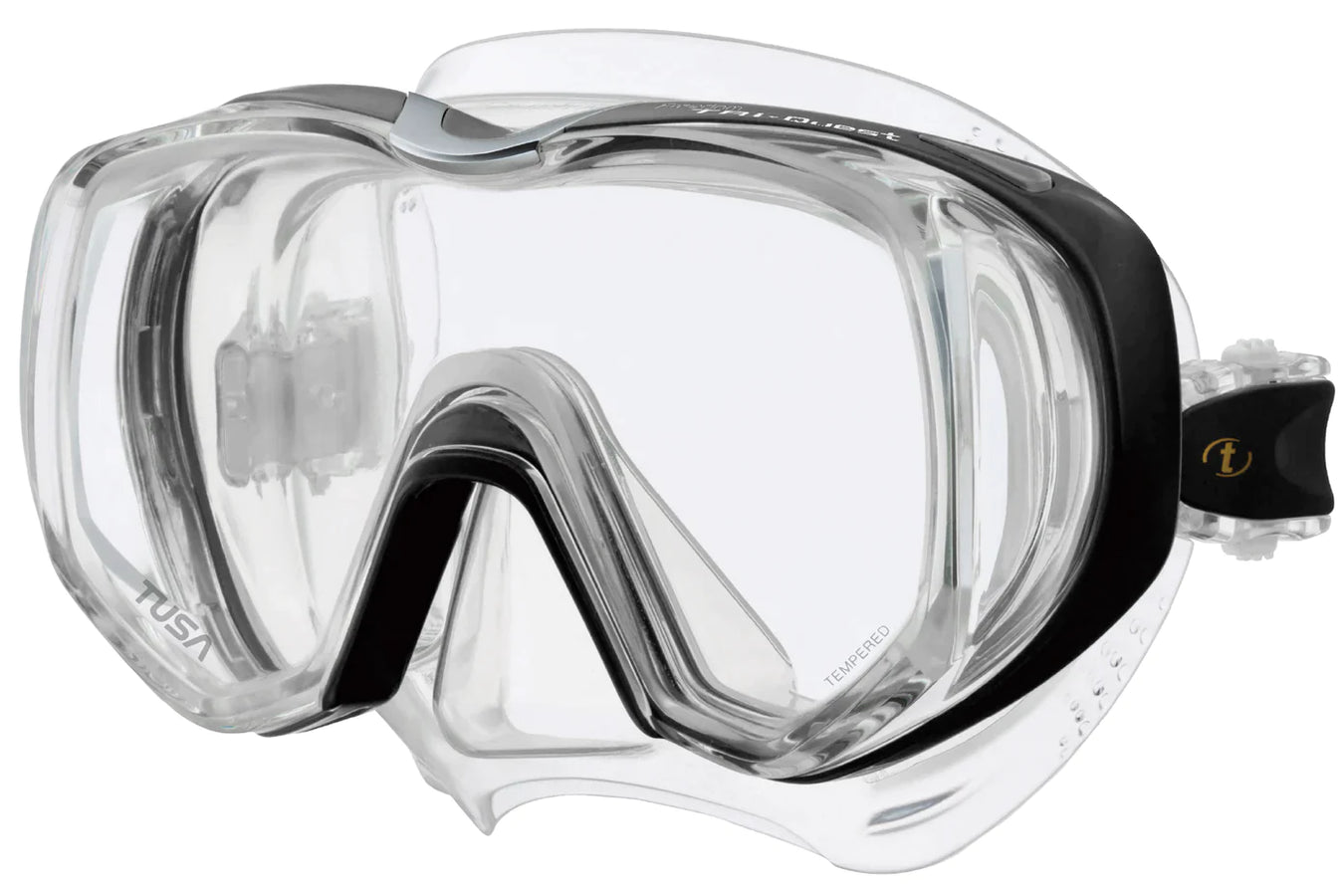
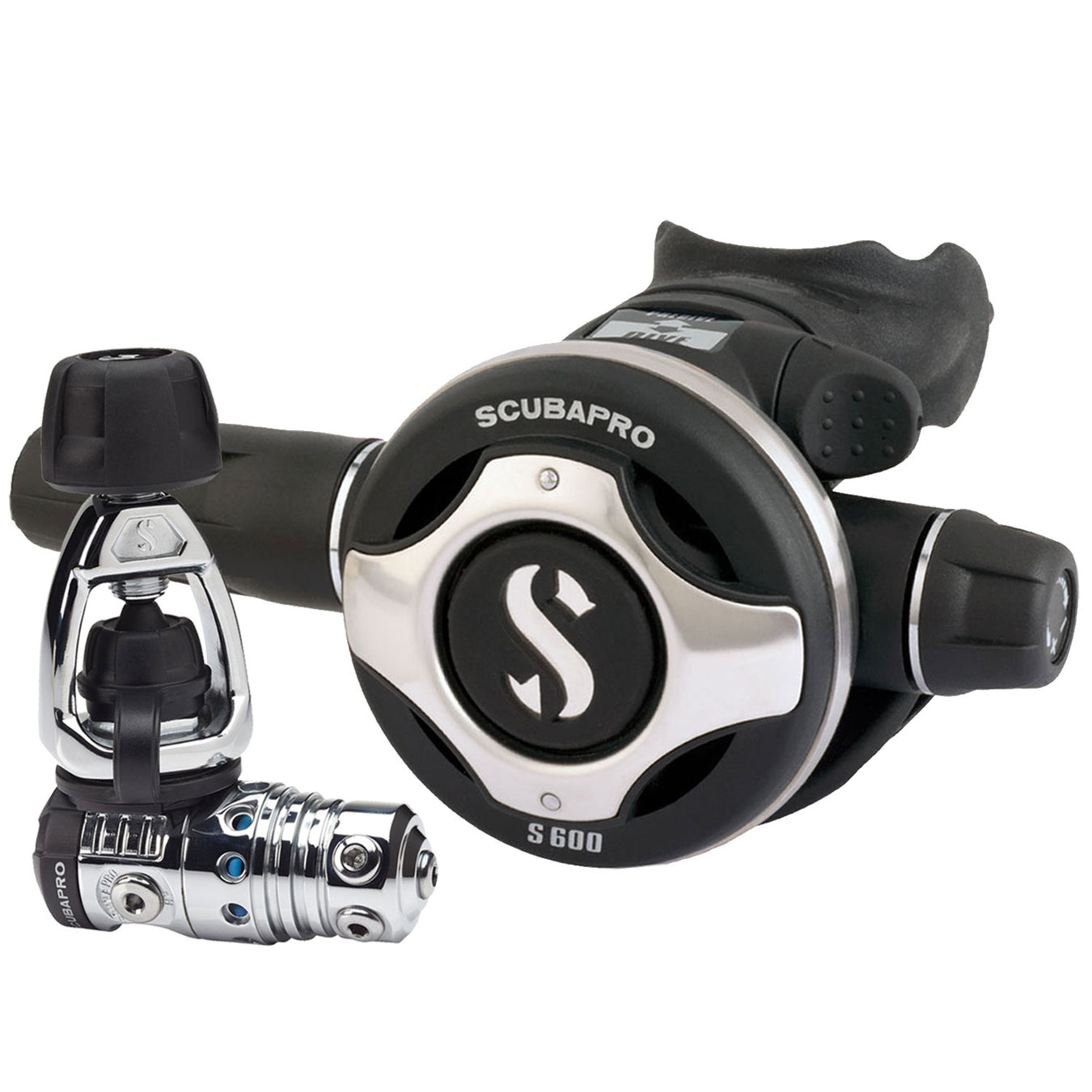
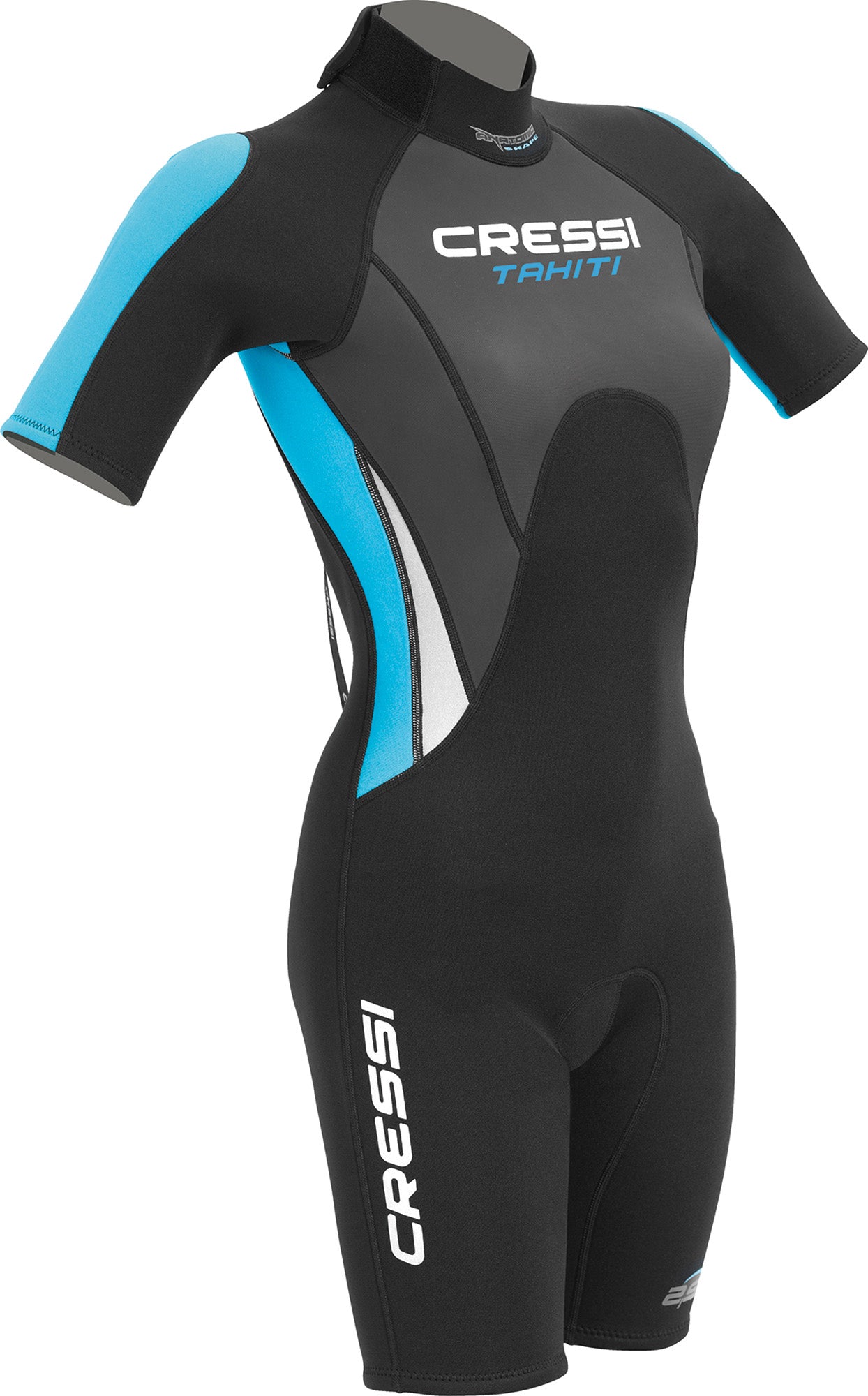
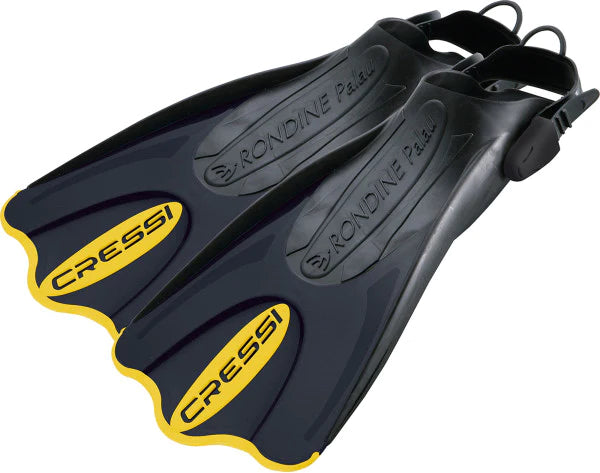
The right equipment also plays a crucial role in ensuring safety during spearfishing adventures. From the choice of wetsuit, which provides thermal protection and buoyancy control, to the selection of fins, masks, and spearguns, each piece of gear must be suited to the diver's experience level and the diving conditions.
Pre-dive preparation, including thorough gear checks and a clear dive plan, further solidifies the safety foundation necessary for a successful spearfishing outing. This preparation, combined with a respect for the ocean's power, forms the backbone of safe spearfishing practices.
Despite meticulous preparation, emergencies can still occur during spearfishing expeditions. Being well-versed in emergency protocols, such as rescue techniques and first aid for diving-related injuries, is essential for every spearfisher.
Carrying safety equipment, such as signaling devices and emergency oxygen kits, can provide a crucial lifeline in challenging situations. Regular drills and scenario-based training help spearfishers react swiftly and effectively in emergencies, ensuring the safety of themselves and their dive buddies.
Beyond the breath-holding and the meticulous attention to safety, spearfishing is an adventure that connects humans with the marine world in a unique and profound way.
The allure of spearfishing lies in its promise of adventure, the thrill of immersing oneself in the underwater realm, and the pursuit of the unknown. Each dive is a journey into uncharted waters, where spearfishers encounter the mysteries of the deep, from hidden shipwrecks to secluded coral gardens teeming with life.
This exploration is not just about the hunt but about experiencing the ocean's vastness and diversity. It's a reminder of our place in the natural world, a humbling and exhilarating realization that comes with each breath held and each dive embarked upon.
At its core, spearfishing is about more than the individual; it's about being part of a community that shares a passion for the ocean and its conservation. Spearfishers often speak of the camaraderie that forms on the water, a bond forged through shared experiences and mutual respect for the sea.
This sense of belonging, combined with the collective knowledge and stories passed down through generations, enriches the spearfishing experience, making it not just a sport but a way of life. It's a journey of continuous learning, where each dive offers new insights and opportunities for personal growth.
As spearfishers venture into the depths, they become stewards of the ocean, witnessing firsthand the beauty and fragility of marine ecosystems. This responsibility fuels a deep sense of connection to the underwater world, driving efforts to protect and preserve it for future generations.
Recognizing the impact of human activities on marine environments, spearfishers are increasingly championing conservation initiatives and sustainable practices. From participating in beach clean-ups to supporting marine protected areas, spearfishing communities worldwide are actively engaged in safeguarding the oceans they hold dear.
By promoting responsible fishing practices and advocating for the health of marine ecosystems, spearfishers are not only hunters of the sea but also its guardians. This dual role underscores the profound relationship between spearfishers and the underwater world, emphasizing the importance of balance and harmony in all interactions with nature.
As you seek to deepen your connection with the ocean and master the art of breath-holding, Lancaster Scuba is your ally beneath the waves. With our extensive selection of top-quality gear, expert diving instruction, and thrilling travel adventures, we're here to support your spearfishing journey. Check out our scuba gear and join a community that values the thrill of the dive and the importance of marine conservation. Gear up, dive deep, and explore the world with Lancaster Scuba.


{"one"=>"Select 2 or 3 items to compare", "other"=>"{{ count }} of 3 items selected"}