

Exploring the Depths: Spearfishing in San Diego
Dive into the exhilarating world of spearfishing in San Diego! Discover the best spots, techniques, and gear for an unforgettable underwater adventure.
Read now
In the vast, blue expanse of the ocean, spearfishing emerges not just as a sport but as an adventure, offering a unique blend of thrill, skill, and the intimate knowledge of marine life. Central to this aquatic pursuit is an often-overlooked tool that ensures both the efficiency and ethics of the sport—the fish stringer. Understanding how to use a fish stringer in spearfishing is not just about technique; it's about diving deeper into the ethos of the sport, respecting the ocean and its inhabitants, and enhancing the overall experience.
At its core, a fish stringer is a simple device, yet it embodies the spirit of responsibility and adventure in spearfishing. It allows divers to secure their catch while continuing their dive, blending the practical with the profound.
A fish stringer is a line, often made of metal or durable synthetic materials, with a needle on one end and a loop or a clip on the other. It's designed to thread through the gills and mouths of fish, keeping them secure while the diver remains underwater. The simplicity of its design belies its importance in the sport of spearfishing, where it serves not just as a tool for carrying fish but as a symbol of the spearfisher's respect for the ocean's bounty.
Choosing the right stringer involves considering the material, length, and type of closure, each aspect reflecting the diver's commitment to both safety and sustainability.
The use of a fish stringer in spearfishing speaks to the heart of the sport—adventure with respect. It allows divers to keep their hands free, enhancing safety by reducing encounters with predators attracted to the catch. Moreover, it underscores the ethical consideration of not overfishing, as it limits the catch to what can be realistically consumed.
Statistics show that spearfishing, when practiced responsibly, has a significantly lower impact on marine populations compared to commercial fishing methods. This sustainable approach is further supported by the use of fish stringers, emphasizing selectivity and minimal bycatch.
Learning to use a fish stringer effectively is a rite of passage in the spearfishing community. It's not just about securing your catch but doing so in a way that respects the marine environment and enhances the safety of the dive.
The first step in mastering the fish stringer is selecting the right one for your needs. Metal stringers are durable and resistant to sharp teeth, making them ideal for larger, predatory fish. Synthetic stringers, on the other hand, are lighter and less cumbersome, suited for smaller catches and shorter dives.
Length is another consideration. A longer stringer can hold more fish but may become unwieldy, while a shorter stringer is easier to manage but limits the catch. The choice reflects the diver's balance between ambition and responsibility.
The technique of threading the stringer through the gills and out the mouth of the fish minimizes suffering and preserves the quality of the catch. This method, while requiring practice, demonstrates the spearfisher's respect for the life taken.
Safety is paramount. Divers are advised to secure the stringer to a buoy rather than to themselves, reducing the risk of attracting predators. This practice not only ensures the diver's safety but also respects the natural order of the ocean's ecosystem.
Using a fish stringer responsibly involves more than just technique; it's about understanding and mitigating the impact on marine life. Spearfishers are encouraged to take only what they need, reflecting a commitment to conservation and sustainability.
Data from marine conservation organizations highlight the importance of selective fishing practices in preserving coral reefs and fish populations. The fish stringer, when used thoughtfully, becomes a tool for conservation, enabling spearfishers to participate in the ecosystem without depleting it.
The true essence of using a fish stringer in spearfishing lies in the adventure it enables. It's not just about the fish secured on the line but about the stories, the experiences, and the connection to the underwater world.
Each fish on a stringer tells a story—a dive that tested skills, a moment of connection with the marine world, or a challenge overcome. These stories, shared among the community, weave the fabric of the spearfishing culture, rich with respect, adventure, and camaraderie.
At its heart, spearfishing is about more than the hunt; it's about understanding and respecting the ocean and its inhabitants. The fish stringer, as a tool, embodies this ethos, enabling divers to engage with the marine environment thoughtfully and sustainably.
In the end, knowing how to use a fish stringer in spearfishing is about embracing the sport's inherent adventure while upholding a commitment to conservation and respect for the ocean. It's a testament to the spirit of exploration and the enduring bond between humans and the sea.
When it comes to spearfishing, safety should always be a top priority. In addition to using a fish stringer, divers should consider other safety measures to ensure a successful and secure dive.
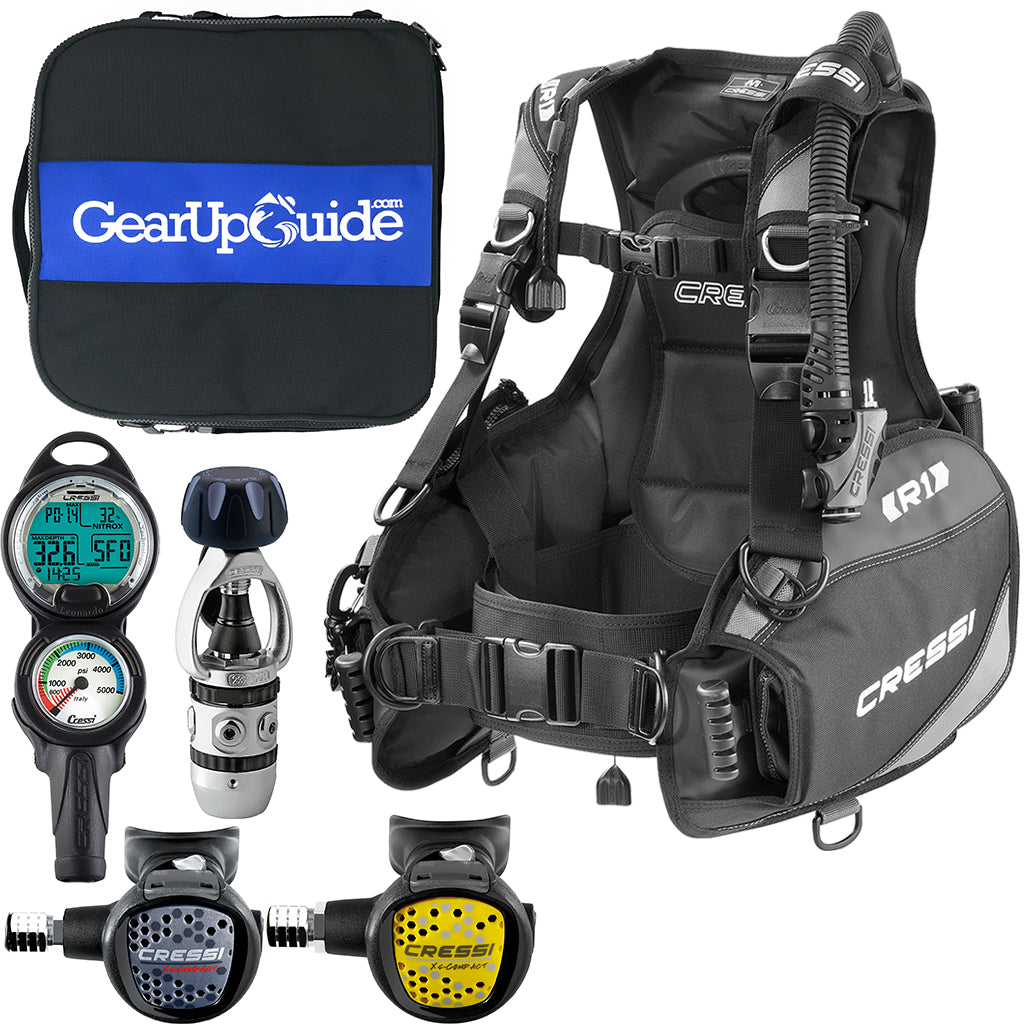
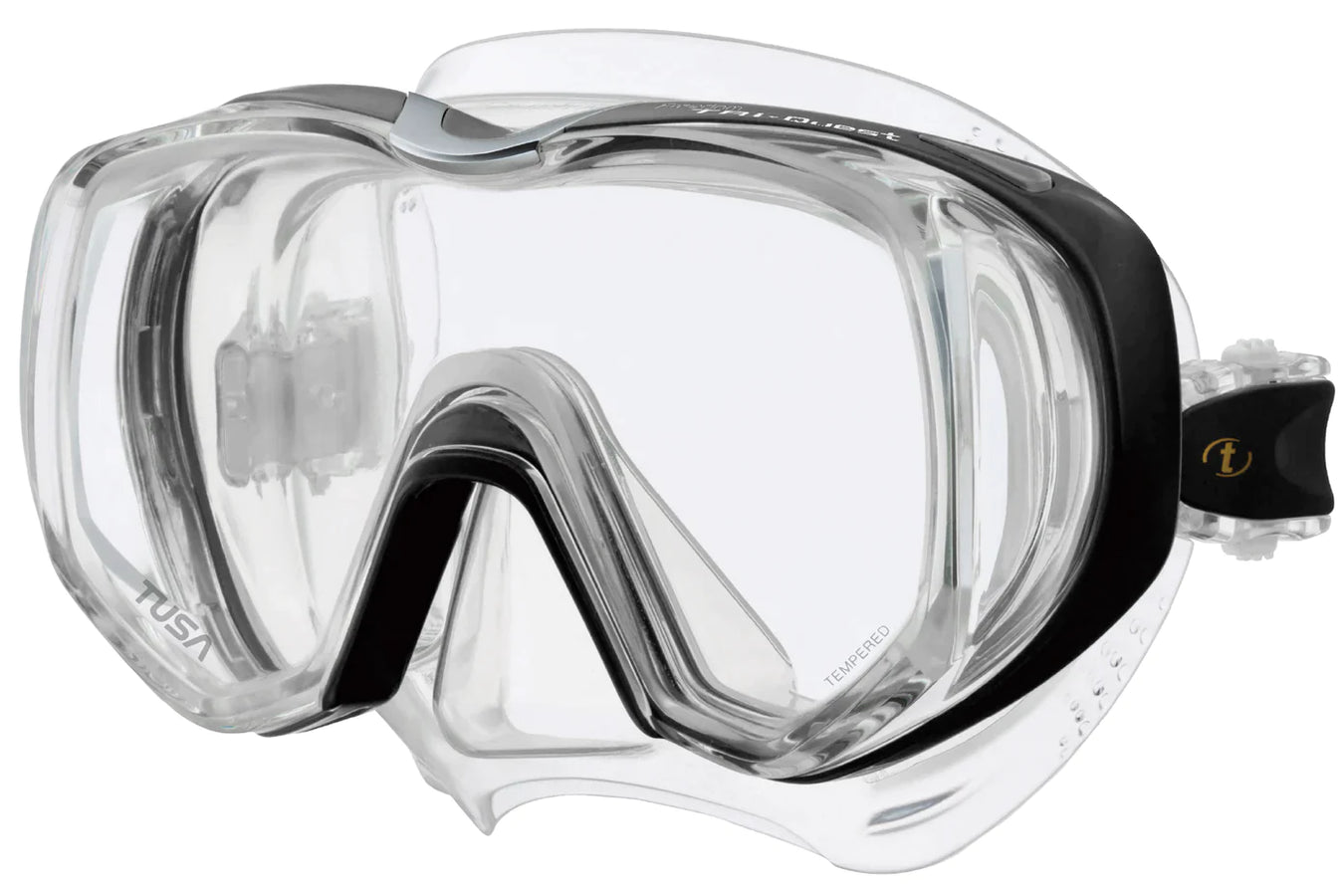
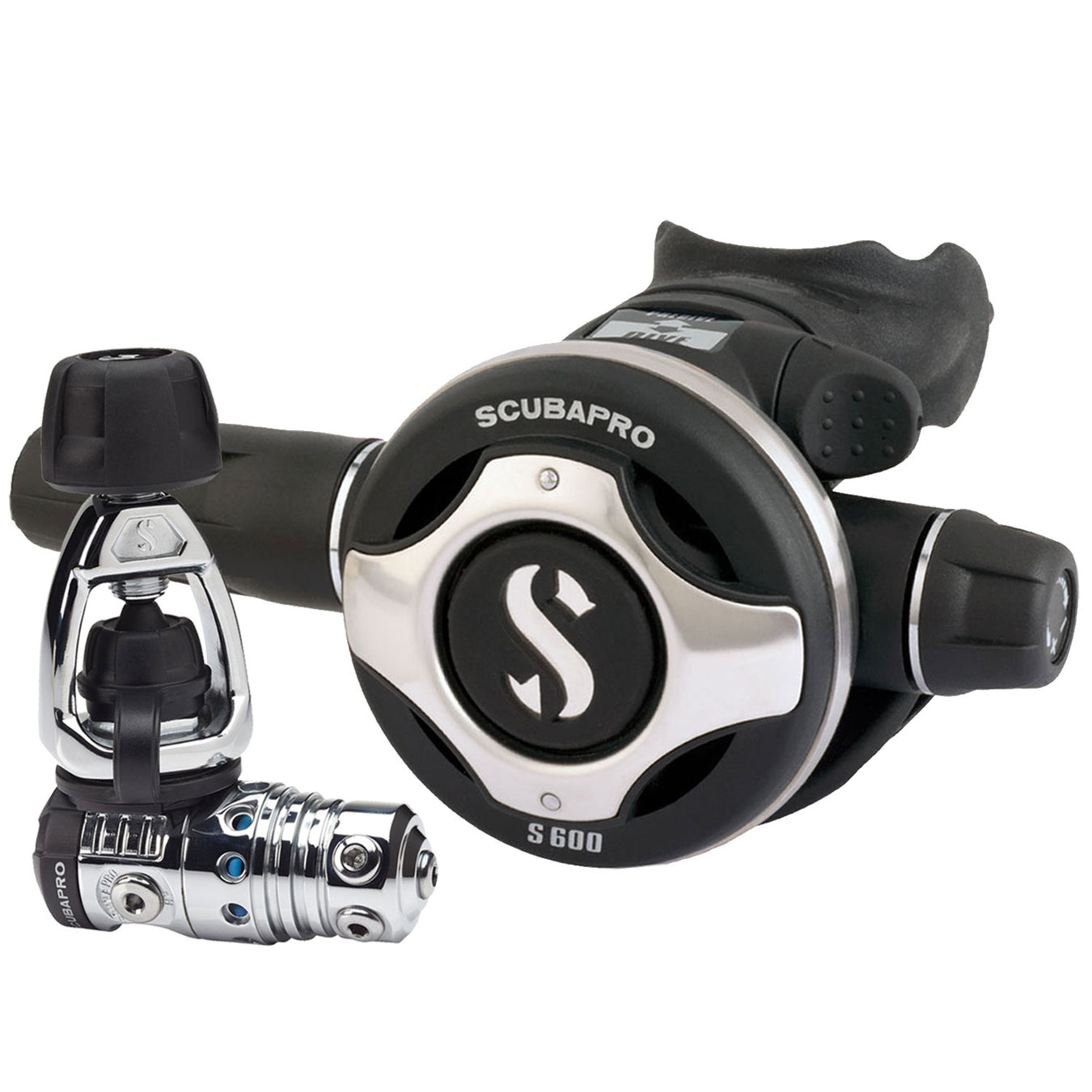
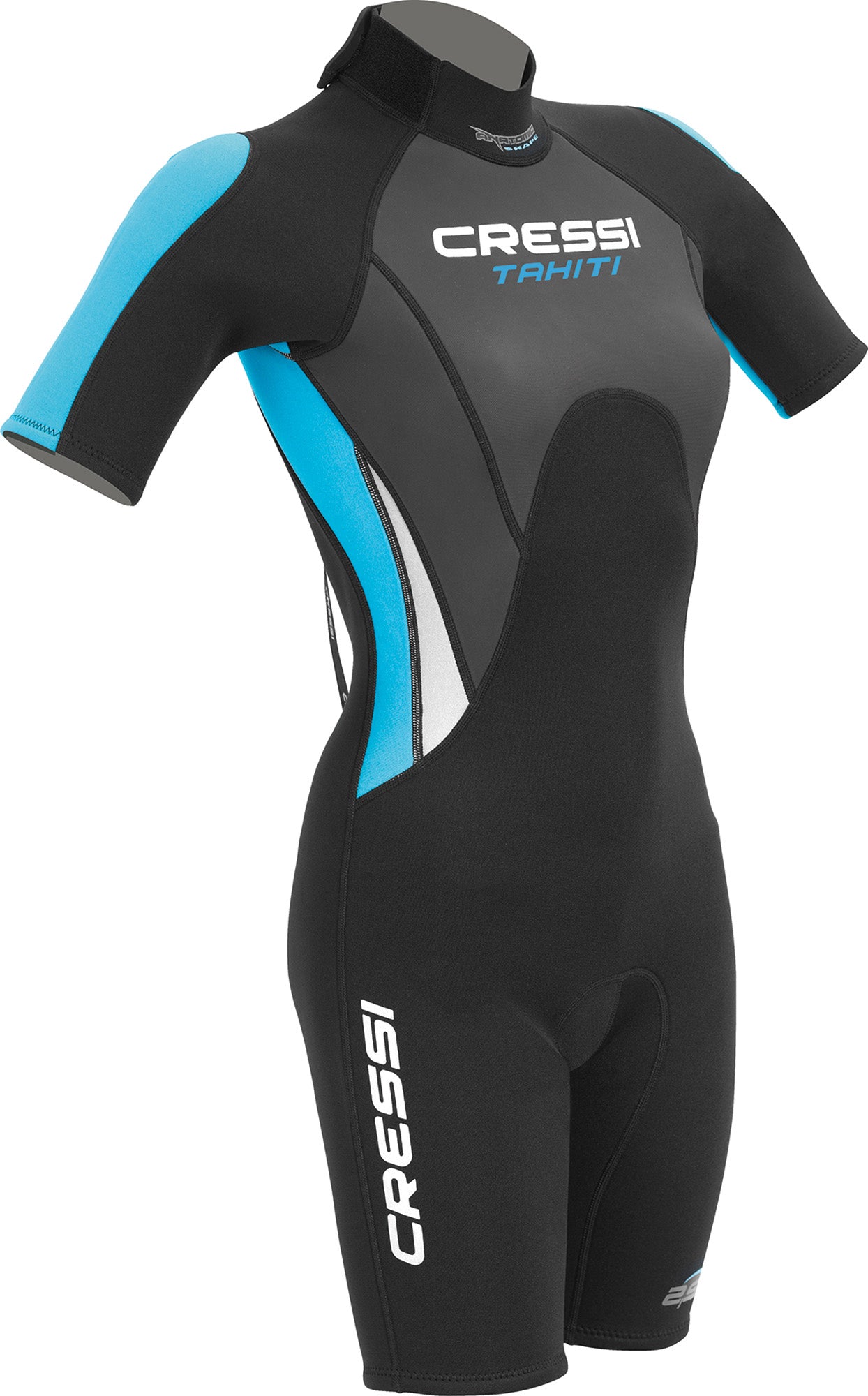
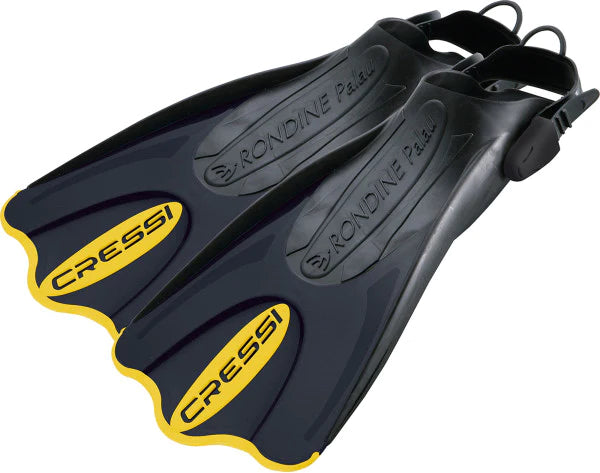
One crucial aspect of safety is proper equipment maintenance. Before every dive, it's essential to check your gear thoroughly, including your speargun, mask, fins, and wetsuit. Ensuring that everything is in good working condition can prevent accidents underwater.
Another safety measure is diving with a buddy. Spearfishing with a partner not only enhances the overall experience by allowing you to share the adventure but also provides an extra layer of safety in case of emergencies.
Furthermore, staying informed about local marine life and potential risks in the area you are diving is key. Knowing which species are common, understanding their behavior, and being aware of any dangerous marine life can help you avoid risky situations while underwater.
Being prepared for emergencies is crucial in spearfishing. Divers should undergo proper training in first aid and CPR to handle any medical emergencies that may arise during a dive. Carrying a well-equipped first aid kit and knowing how to use it can make a significant difference in emergency situations.
Additionally, having a communication device, such as a whistle or a signaling mirror, can help attract attention in case of emergencies. It's important to establish clear communication signals with your dive buddy to indicate distress or the need for assistance.
By prioritizing safety measures, spearfishers can enjoy their underwater adventures with peace of mind, knowing that they are well-prepared to handle any challenges that may come their way.
Ready to take your spearfishing journey to the next level? Lancaster Scuba is your trusted partner in the pursuit of underwater excellence. With our extensive selection of top-quality scuba and water sports gear, we've got everything you need to gear up for your next dive. Whether you're a seasoned spearfisher or just starting out, our PADI certification courses and specialized equipment will enhance your experience. Plus, don't miss the chance to join us on one of our exciting dive trips, from local explorations to exotic tropical destinations. Check out our scuba gear today and embrace the "Gear. Dive. Travel." lifestyle with Lancaster Scuba.


{"one"=>"Select 2 or 3 items to compare", "other"=>"{{ count }} of 3 items selected"}