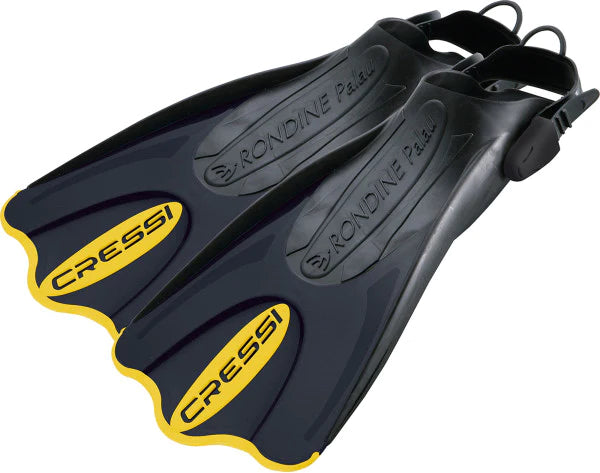


Exploring the Depths: Spearfishing in San Diego
Dive into the exhilarating world of spearfishing in San Diego! Discover the best spots, techniques, and gear for an unforgettable underwater adventure.
Read now
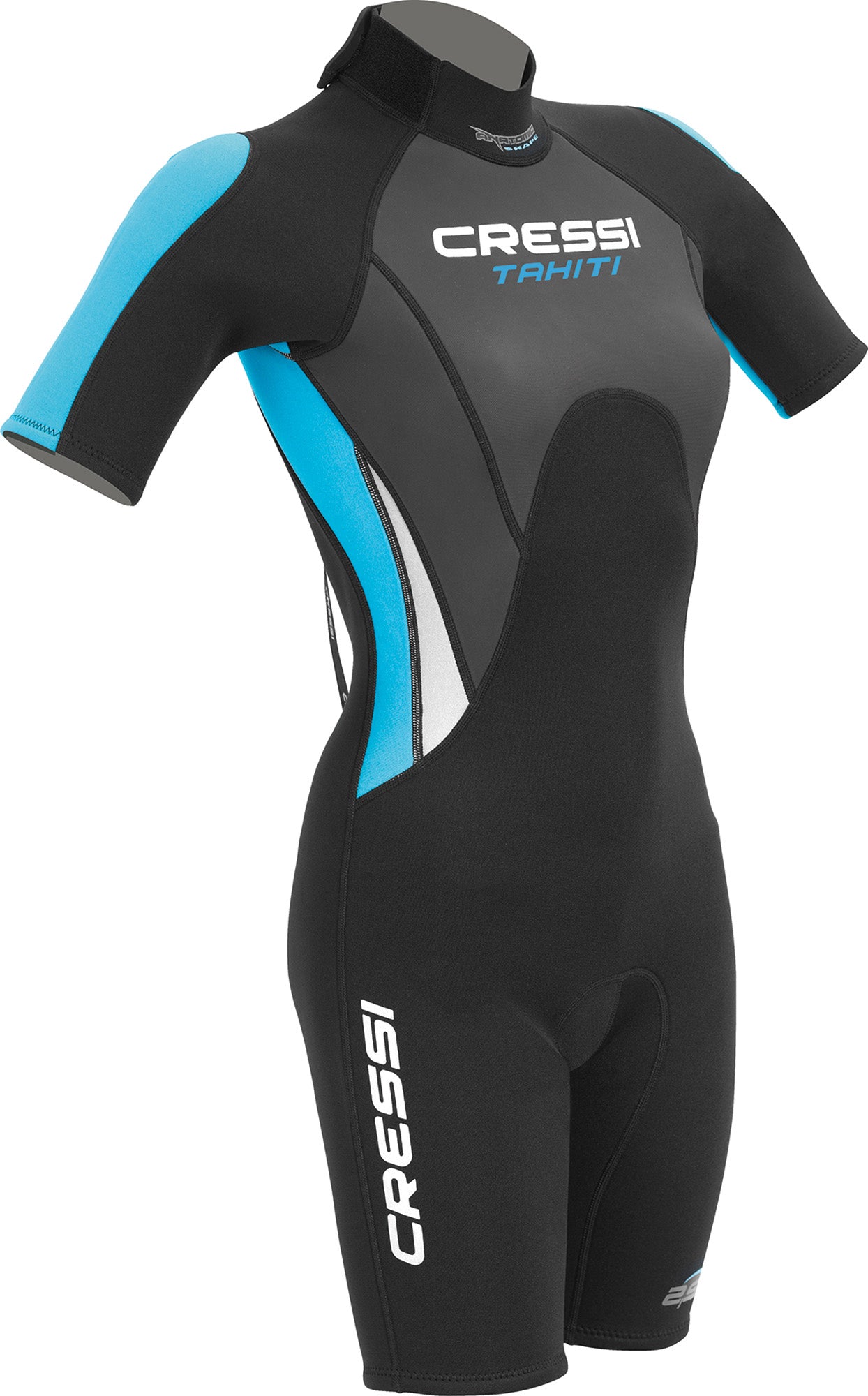
If you love the water and crave adventure, then surfing and scuba diving are two activities that can satisfy your thirst for excitement. Whether you're seeking the adrenaline rush of catching the perfect wave or exploring the hidden depths of the ocean, having the right wetsuit is essential to maximize your comfort and performance. In this comprehensive guide, we will delve into the world of surfing and scuba diving wetsuits, uncovering their key differences, exploring their dual-use potential, and decoding the wetsuit selection process.
Before we dive into the specifics of each type of wetsuit, it's important to understand the fundamental differences between surfing and scuba diving. While both activities involve being in the water, the conditions each demands are quite distinct.
When it comes to surfing, the emphasis is on flexibility and mobility. Surfers need wetsuits that allow for a wide range of motion, enabling them to paddle, pop up on the board, and ride the waves with ease. Surfing wetsuits are typically thinner, ranging from 2mm to 4mm, providing insulation without compromising movement.
In contrast, scuba diving requires protection from the cold temperatures at greater depths. Scuba wetsuits are generally thicker, ranging from 5mm to 7mm, to provide the necessary insulation. They also often feature additional reinforcements to withstand the wear and tear associated with diving, such as reinforced knees and elbows.
When it comes to finding the perfect surfing wetsuit, fit is everything. A well-fitting wetsuit not only enhances your performance in the water but also ensures your comfort throughout your surfing sessions.
One essential consideration when selecting a surfing wetsuit is the closure system. Back-zip wetsuits are a popular choice for their ease of entry, while chest-zip and zipless wetsuits provide a snugger fit and increased flexibility. Ultimately, the choice between different closure systems comes down to personal preference and comfort.
Another factor to consider is the seams of the wetsuit. Seams can impact the flexibility and durability of the wetsuit. Flatlock seams are commonly found in surfing wetsuits and provide a comfortable and flexible fit, while glued and blind-stitched seams offer increased durability and insulation.
Additionally, the material used in surfing wetsuits plays a crucial role in their performance. Neoprene, a synthetic rubber, is the most commonly used material due to its excellent insulation properties and flexibility. Look for high-quality neoprene with added features like stretch zones in key areas to optimize your comfort and freedom of movement.
The realm of scuba diving wetsuits is quite unique, as they not only protect against the cold but also provide buoyancy and insulation against the pressure that comes with diving to greater depths.
When selecting a scuba diving wetsuit, thickness is a crucial factor to consider. Thicker wetsuits offer better insulation but can restrict movement. It's important to strike the right balance to ensure optimum comfort and flexibility during your dives.
One essential feature to look for in a scuba diving wetsuit is a proper hood. Your head loses heat rapidly underwater, so a wetsuit with an integrated hood or a separate neoprene hood can help maintain a comfortable body temperature throughout your dives.
Furthermore, in cold-water diving, drysuits are often preferred over wetsuits. Unlike wetsuits that allow a thin layer of water to enter, drysuits keep you completely dry by sealing you off from the surrounding water. This provides an additional layer of insulation and allows you to wear thermal undergarments for ultimate warmth.
Now that we've explored the differences between surfing and scuba diving wetsuits, and delved into the details of finding the perfect fit, it's crucial to highlight the importance of proper maintenance for these essential pieces of gear.
After each use, it's essential to rinse your wetsuit thoroughly with fresh water to remove any salt, sand, or debris that may have accumulated. This helps prevent the deterioration of the neoprene material and keeps the wetsuit in optimal condition for longer.
Once rinsed, hang your wetsuit to dry in a shaded area, away from direct sunlight. Sunlight can cause the neoprene to degrade over time, leading to a decrease in its performance and lifespan. Avoid using a clothesline or hanger with sharp edges that could damage the fabric.
Additionally, it's recommended to store your wetsuit in a cool, dry place, away from any potential sources of heat or humidity. Folding your wetsuit can cause creases that may become permanent, so it's best to store it flat or hang it using a wetsuit hanger.
By following these simple maintenance tips, you can prolong the life of your wetsuit and ensure that it continues to provide you with the comfort and performance you need for your surfing or scuba diving adventures.
For those passionate about both surfing and scuba diving, dual-use wetsuits offer a convenient and cost-effective solution. These wetsuits are specially designed to cater to the needs of both activities, providing versatility and adaptability.
Dual-use wetsuits usually have a medium thickness, ranging from 4mm to 5mm, to strike a balance between flexibility and insulation. They often feature reinforced knees and elbows for durability, making them suitable for both riding waves and exploring the depths of the ocean.
By investing in a dual-use wetsuit, you can eliminate the need for multiple wetsuits and streamline your gear collection. This not only saves you money but also ensures you're always ready for your next adventure, whether it's catching waves or discovering underwater wonders.
One of the key features of dual-use wetsuits is their innovative design that incorporates elements from both surfing and scuba diving gear. For surfers, these wetsuits offer the flexibility and freedom of movement needed to paddle and ride waves effectively. On the other hand, scuba divers benefit from the thermal protection and durability required for extended periods underwater.
Additionally, dual-use wetsuits often come with extra features such as integrated hoods, ankle zippers, and adjustable collars to enhance comfort and functionality. These details not only cater to the specific needs of surfers and divers but also ensure a snug fit that minimizes water entry and heat loss.
Whether you're planning a day of surfing in tropical waters or embarking on a deep-sea diving expedition, a dual-use wetsuit can be a versatile and reliable companion. With advancements in wetsuit technology, these dual-purpose garments continue to evolve, offering enthusiasts the best of both worlds in one sleek package.
If you're primarily a scuba diver but also enjoy catching a few waves now and then, using a scuba diving wetsuit for surfing can bring exciting possibilities. Scuba diving wetsuits offer exceptional insulation, ensuring you stay warm even in colder water temperatures.
The thicker neoprene used in scuba diving wetsuits provides more buoyancy, which can help improve your paddling efficiency and overall stability while riding waves. Additionally, scuba wetsuits often have reinforced knees and elbows, providing more protection and durability in the dynamic environment of surfing.
Although scuba diving wetsuits may not offer the same level of flexibility as surfing-specific wetsuits, they can still provide a comfortable and functional option for casual surfers who prioritize warmth and protection. Plus, they offer the added benefit of being suitable for scuba diving adventures as well.
When considering using a scuba diving wetsuit for surfing, it's essential to pay attention to the thickness of the neoprene. Thicker neoprene suits, typically 5mm or more, are ideal for colder water temperatures common in scuba diving but may feel restrictive for surfing movements. Opting for a 3mm or 4mm scuba diving wetsuit can strike a balance between warmth and flexibility, making it suitable for both activities.
Furthermore, scuba diving wetsuits often feature back zippers for easy donning and doffing, a convenient design element that can enhance the overall surfing experience. The snug fit of a scuba wetsuit can also reduce water flushing, where cold water enters the suit, helping you maintain body heat during extended surf sessions. By choosing a scuba diving wetsuit with a design that prioritizes mobility and comfort, you can seamlessly transition from exploring the depths of the ocean to riding the crest of waves.
If you're a passionate surfer who also wants to dive into the underwater world, using a surfing wetsuit for scuba diving may seem unconventional but can be done with caution. Surfing wetsuits are designed for maximum mobility and flexibility, which can be advantageous in some diving situations.
Surfing wetsuits allow for a wide range of motion, enabling divers to easily maneuver underwater, especially in less demanding and warmer diving conditions. They're also typically lighter in weight and offer quick-drying properties, making them ideal for traveling divers who want to minimize their gear load.
However, it's important to consider the limitations of surfing wetsuits for scuba diving, especially in colder water temperatures and deeper dives. Surfing wetsuits may not provide sufficient insulation and protection against the chilling effects of deep-sea temperatures and extended periods of exposure.
If you opt to use a surfing wetsuit for scuba diving, it's crucial to thoroughly evaluate the conditions and consult with experienced divers to ensure your safety and comfort throughout your underwater adventures.
When it comes to selecting the right wetsuit, there are several factors to consider to meet your specific needs and preferences. Here are some key considerations to keep in mind:
Remember, investing in a high-quality wetsuit is an investment in your comfort, safety, and overall enjoyment of the water. Take the time to research and try out different wetsuits to find the perfect fit that will accompany you on countless aquatic adventures in the years to come.
So, whether you're a wave-chasing surfer or a curious explorer of the sea's depths, understanding the differences between surfing and scuba diving wetsuits is crucial for optimizing your performance and safety. With the right wetsuit tailored to your needs, you'll be ready to dive into your next aquatic adventure with confidence and style.
Ready to take the plunge with the perfect wetsuit for your underwater pursuits? Lancaster Scuba is here to ensure you're equipped for every wave and dive. With our extensive selection of scuba gear and expert advice, we'll help you find the ideal fit to enhance your water experiences. Whether you're gearing up for your next surf session or preparing for a scuba adventure, check out our scuba gear and embrace the "Gear. Dive. Travel." lifestyle today!


{"one"=>"Select 2 or 3 items to compare", "other"=>"{{ count }} of 3 items selected"}