

Exploring the Depths: Spearfishing in San Diego
Dive into the exhilarating world of spearfishing in San Diego! Discover the best spots, techniques, and gear for an unforgettable underwater adventure.
Read now
In the vast, blue expanse of California's waters, spearfishing emerges not just as a sport but as a testament to the human spirit's quest for adventure and harmony with nature. Yet, this pursuit, much like any great adventure, is governed by a set of rules and regulations designed to ensure safety, sustainability, and respect for the underwater world. Understanding these regulations is not merely about legal compliance; it's about diving deeper into the ethos of spearfishing as a responsible and enlightened endeavor.
At the heart of spearfishing regulations in California is a dual commitment to conservation and the safety of the spearfishing community. These laws are crafted with a profound understanding of the marine ecosystem, aiming to balance the thrill of the hunt with the imperative of ecological preservation.
Regulations serve as the guiding compass for spearfishers, directing them towards practices that protect marine life and habitats. They are the result of meticulous scientific research and community consultation, ensuring that the sport remains sustainable for generations to come. By adhering to these rules, spearfishers not only contribute to the conservation efforts but also enhance their own experience, gaining a deeper appreciation for the underwater world and its inhabitants.
Moreover, these regulations foster a culture of safety and respect among spearfishers. They ensure that every dive is not just about the pursuit of adventure but also about returning safely to share the tales of the deep.
California's spearfishing regulations cover a wide array of aspects, from licensing requirements to specific fish species that can be legally targeted. These rules are periodically updated to reflect changes in marine populations and environmental conditions, making it crucial for spearfishers to stay informed.
One of the fundamental rules is the requirement for a valid California fishing license for anyone engaging in spearfishing. This license is a spearfisher's passport to the underwater world, symbolizing their commitment to responsible and regulated fishing practices.
Diving into the specifics, California's spearfishing regulations are meticulously detailed when it comes to the species that can be hunted. This specificity ensures the protection of vulnerable species and the maintenance of healthy marine ecosystems.
Among the tapestry of life beneath the waves, certain species are designated as protected or prohibited from spearfishing. These include the great white shark, a species that plays a crucial role in the marine food chain, and the garibaldi, California's state marine fish. Understanding which species are off-limits is not just a legal requirement but a mark of respect for the ocean's biodiversity.
Additionally, regulations also specify size and bag limits for various species, designed to prevent overfishing and ensure that fish populations remain robust. These limits are based on scientific assessments of fish stocks and are critical for the sustainable management of marine resources.
The timing and location of spearfishing are also governed by specific regulations, reflecting the seasonal patterns of marine life and the need to protect sensitive habitats. Certain areas, such as marine protected areas (MPAs), have restrictions or outright bans on spearfishing to preserve their ecological integrity.
Seasonal restrictions, on the other hand, are often in place to protect species during their breeding seasons, ensuring that they can reproduce successfully and maintain healthy populations. Adhering to these restrictions is a testament to the spearfishing community's commitment to conservation and ethical sportsmanship.
The ethos of spearfishing in California extends beyond the thrill of the hunt to encompass a deep commitment to safety and education. These twin pillars support not just individual spearfishers but the entire community, fostering a culture of responsibility and care.
Safety in spearfishing is paramount, with regulations often emphasizing the use of proper gear, the importance of diving with a buddy, and adherence to safe diving practices. These measures are not constraints but lifelines, ensuring that every dive is a return journey.
Education plays a critical role in this, with many organizations offering courses on safe spearfishing practices, marine conservation, and first aid. These educational opportunities enrich the spearfishing experience, empowering individuals with the knowledge and skills to dive safely and sustainably.
The spirit of spearfishing in California is embodied in its community—a diverse group of individuals united by their love for the ocean and their commitment to its preservation. Regulations, in this context, are not just rules to follow but a collective agreement to uphold the highest standards of responsibility and respect for the marine environment.
By engaging with these regulations, spearfishers not only ensure their own safety and the sustainability of their sport but also contribute to a larger narrative of conservation and ecological stewardship. It's a journey that goes beyond the individual, embracing a shared vision for a future where the oceans continue to thrive, teeming with life and adventure.
One crucial aspect of spearfishing regulations that often goes unnoticed is the requirement for environmental impact assessments in certain areas. These assessments are conducted to evaluate the potential effects of spearfishing activities on marine ecosystems, helping authorities make informed decisions about permitting and conservation measures.
Environmental impact assessments involve studying the biodiversity, habitat characteristics, and ecological dynamics of a specific area to determine the potential risks posed by spearfishing. By integrating scientific data with stakeholder input, these assessments ensure that spearfishing activities are conducted in a manner that minimizes harm to the environment.
Engaging local communities and stakeholders in the environmental impact assessment process is essential for fostering a sense of ownership and stewardship over marine resources. By involving those who rely on the ocean for their livelihoods or cultural practices, these assessments become more comprehensive and inclusive, leading to better conservation outcomes.
Community engagement also helps build awareness about the importance of sustainable fishing practices and the need to protect marine biodiversity. It creates a platform for dialogue and collaboration, where diverse perspectives can contribute to the development of effective management strategies that benefit both the environment and the community.
As technology continues to advance, spearfishing enthusiasts are exploring innovative tools and equipment to enhance their underwater experiences while minimizing environmental impact. From eco-friendly spear guns to underwater drones for scouting, these technological innovations are reshaping the way spearfishers interact with the marine environment.
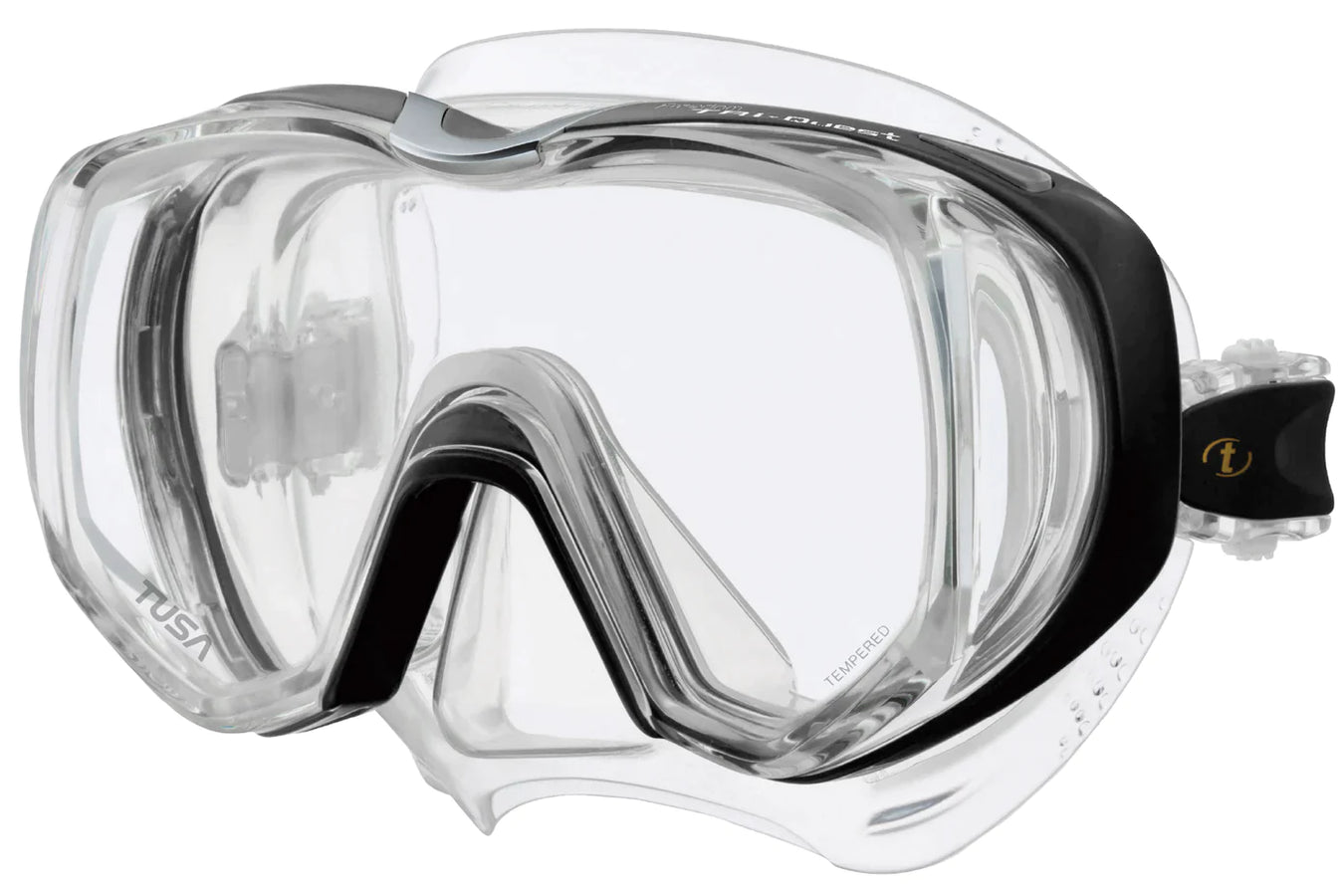
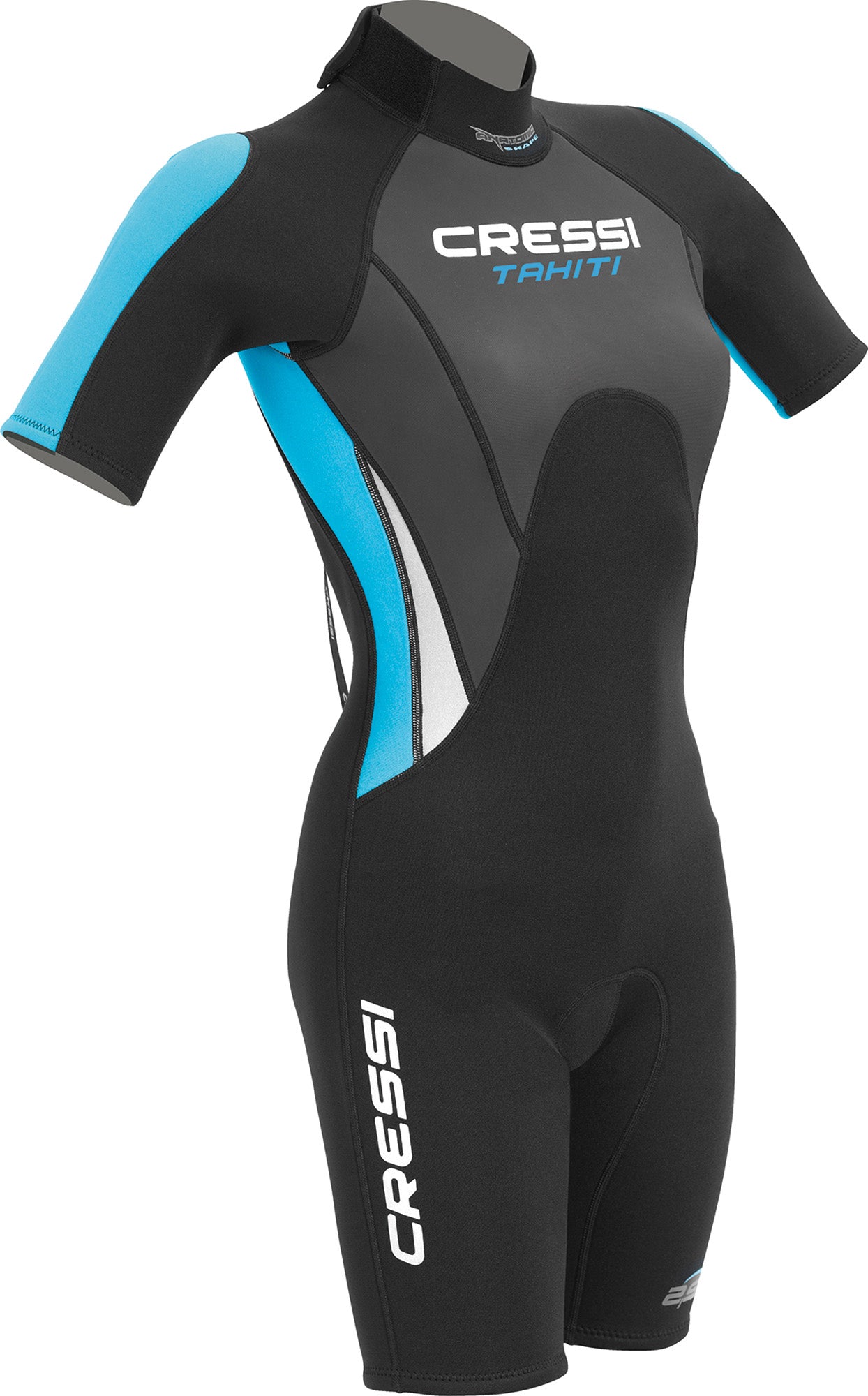
One notable trend in spearfishing is the development of eco-friendly gear that reduces the sport's carbon footprint and minimizes waste. Biodegradable spear tips, recycled materials in wetsuits, and sustainably sourced snorkels are just a few examples of how manufacturers are incorporating environmental considerations into their products.
By opting for eco-friendly gear, spearfishers can align their passion for the sport with a commitment to conservation, ensuring that their underwater pursuits have minimal negative impact on marine ecosystems. These innovations not only benefit the environment but also set a positive example for sustainable practices in the broader fishing industry.
Advancements in underwater imaging technology have revolutionized the way spearfishers observe and track marine life. High-resolution cameras, sonar systems, and GPS-enabled devices allow divers to document their encounters with fish species, monitor underwater habitats, and contribute valuable data to scientific research efforts.
Underwater drones equipped with cameras and sensors have also become popular tools for spearfishers, enabling them to scout for fish, assess underwater conditions, and plan their dives more effectively. These technological innovations not only enhance the safety and efficiency of spearfishing expeditions but also deepen our understanding of marine ecosystems.
In conclusion, spearfishing regulations in California are a testament to the state's commitment to conservation, safety, and the sustainable enjoyment of its marine resources. They are the framework within which the adventure of spearfishing unfolds, guided by respect for the ocean and a deep sense of responsibility towards its preservation. For those who venture beneath the waves, these regulations are not just rules but the very essence of the sport—a reflection of the spirit of adventure, stewardship, and community that defines spearfishing in California.
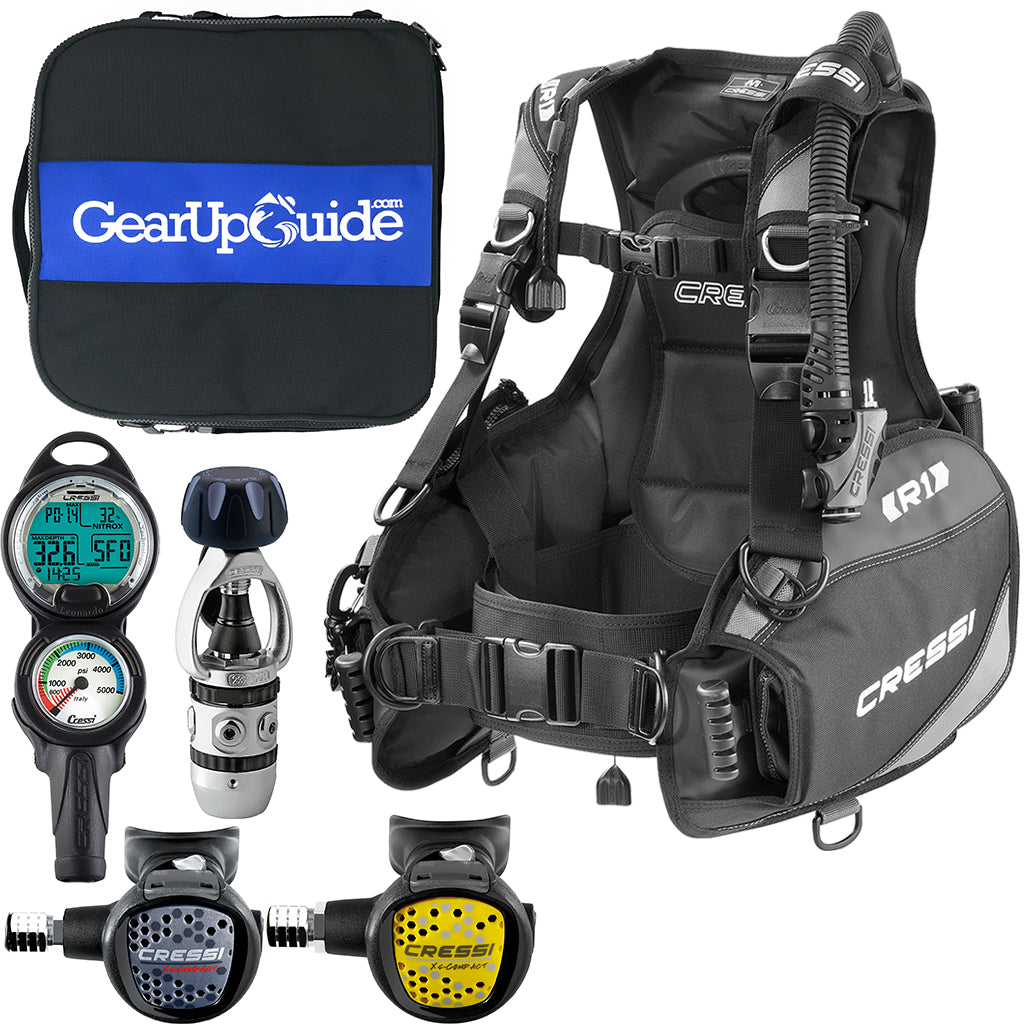
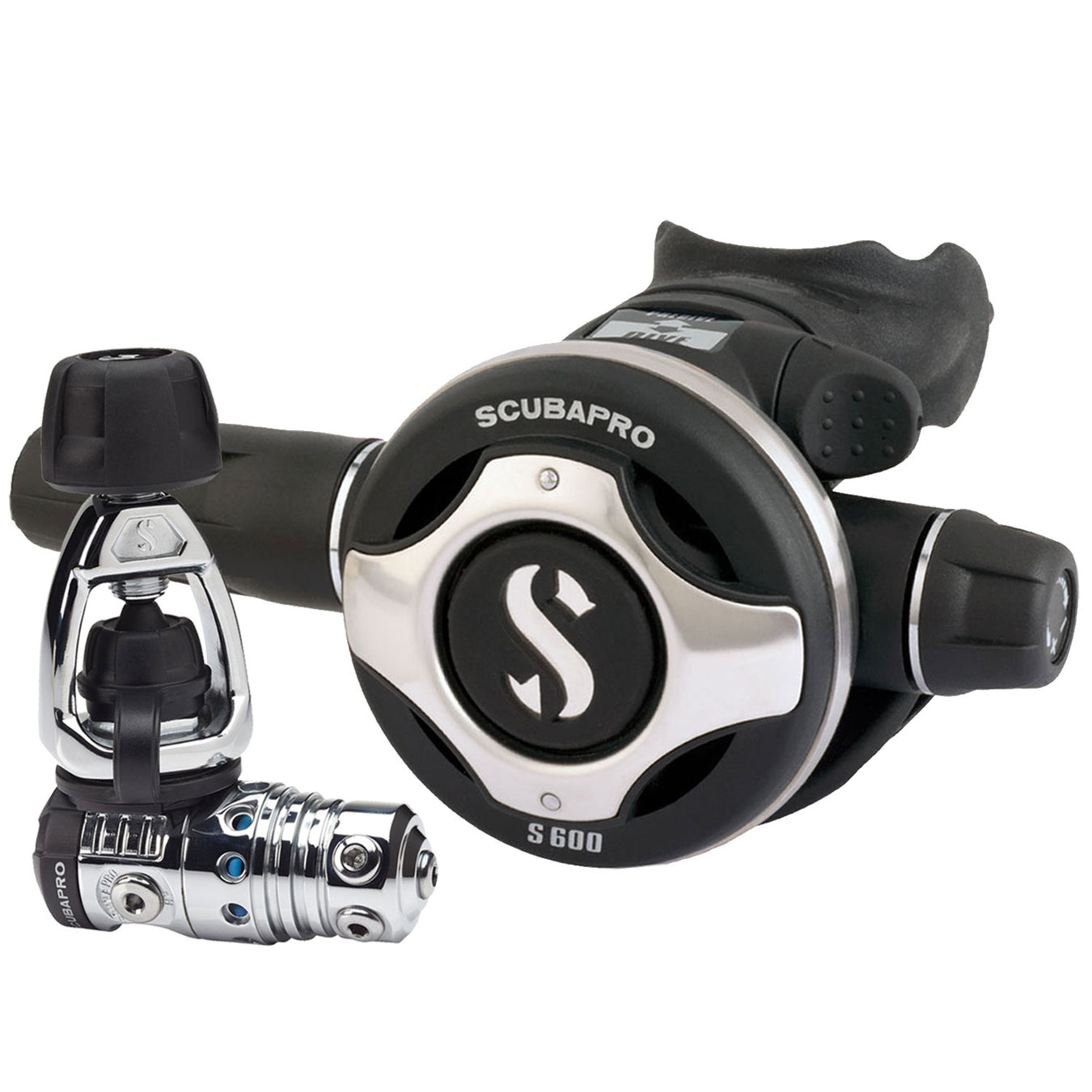
Ready to dive into the thrilling world of spearfishing with the utmost respect for California's regulations and marine life? Lancaster Scuba is your trusted partner in this aquatic journey. With our extensive selection of top-notch scuba gear, expert diving instruction, and unforgettable travel experiences, we provide everything you need to gear up, dive in, and explore the wonders beneath the waves. Whether you're a beginner seeking certification or an experienced spearfisher looking for the best equipment and specialty courses, Lancaster Scuba is here to ensure a seamless and responsible adventure. Check out our scuba gear today and join a community passionate about diving and conservation.


{"one"=>"Select 2 or 3 items to compare", "other"=>"{{ count }} of 3 items selected"}