

Exploring the Depths: Spearfishing in San Diego
Dive into the exhilarating world of spearfishing in San Diego! Discover the best spots, techniques, and gear for an unforgettable underwater adventure.
Read now
Are you a water baby looking to explore the depths of the ocean? If so, you're probably torn between two popular underwater activities: snorkeling and scuba diving. Both have their merits, but one key factor that sets them apart is the air supply. In this article, we'll dive deep into the comparison of air supply in these different diving techniques, so you can make an informed decision for your next underwater adventure.
When it comes to scuba diving, a steady and reliable air supply is crucial. Breathing underwater is a remarkable experience, but it requires specialized equipment to make it possible. With a scuba tank strapped to your back, you have an ample and continuous supply of compressed air. This allows you to explore the mesmerizing marine world for extended periods of time, where you can encounter breathtaking underwater landscapes and intriguing creatures.
Scuba diving gives you the freedom to venture deeper into the ocean, where you'll meet vibrant coral reefs and schools of colorful fish. The air supply also opens up the possibility of exploring shipwrecks, a fascinating dive experience that allows you to uncover history while being immersed in the beauty of the underwater world.
For those seeking an even longer air supply, rebreather technology is revolutionizing the diving industry. Rebreathers recycle the air you exhale, removing carbon dioxide and replenishing it with oxygen. As a result, you can dive for prolonged periods without constantly needing to refill tanks. This technology is particularly popular among deep-sea explorers and underwater photographers who require extended dive times to capture the perfect shot.
With rebreathers, you have the opportunity to embark on thrilling deep diving adventures. Pushing the limits of maximum depth is an adrenaline-pumping experience, but it's critical to remember that safety should always be a top priority. Proper training and adherence to dive plans are essential when engaging in deep diving activities.
Underwater photography is a captivating art form that allows you to capture the beauty and mystery of the underwater world. Armed with a camera and the right equipment, you can document the vibrant colors of coral reefs, the graceful movements of marine creatures, and the haunting allure of shipwrecks.
Underwater photographers often rely on rebreathers to extend their dive times and maximize their chances of capturing that perfect shot. The ability to stay underwater for longer periods allows them to patiently wait for the ideal lighting, the perfect composition, and the most captivating subjects.
Deep-sea exploration is an exhilarating endeavor that pushes the boundaries of human curiosity and discovery. With advancements in technology and the use of rebreathers, divers can now descend to greater depths, revealing the mysteries that lie beneath the surface.
Exploring the deep sea unveils a whole new world, where sunlight fades and darkness takes over. Here, you may encounter rare and elusive species that have adapted to survive in extreme conditions. The thrill of venturing into the unknown, surrounded by the vastness of the deep sea, is an experience that leaves divers in awe and inspires a deep appreciation for the wonders of our planet.
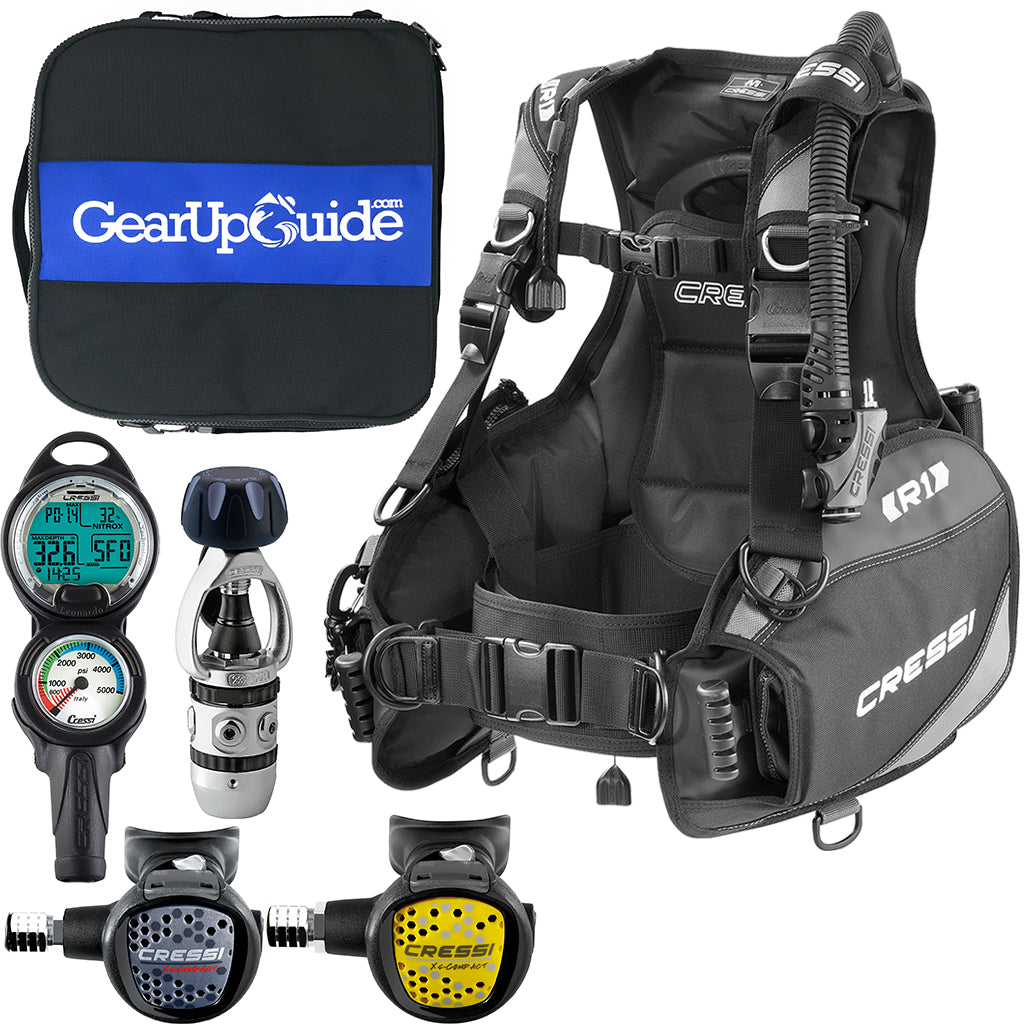
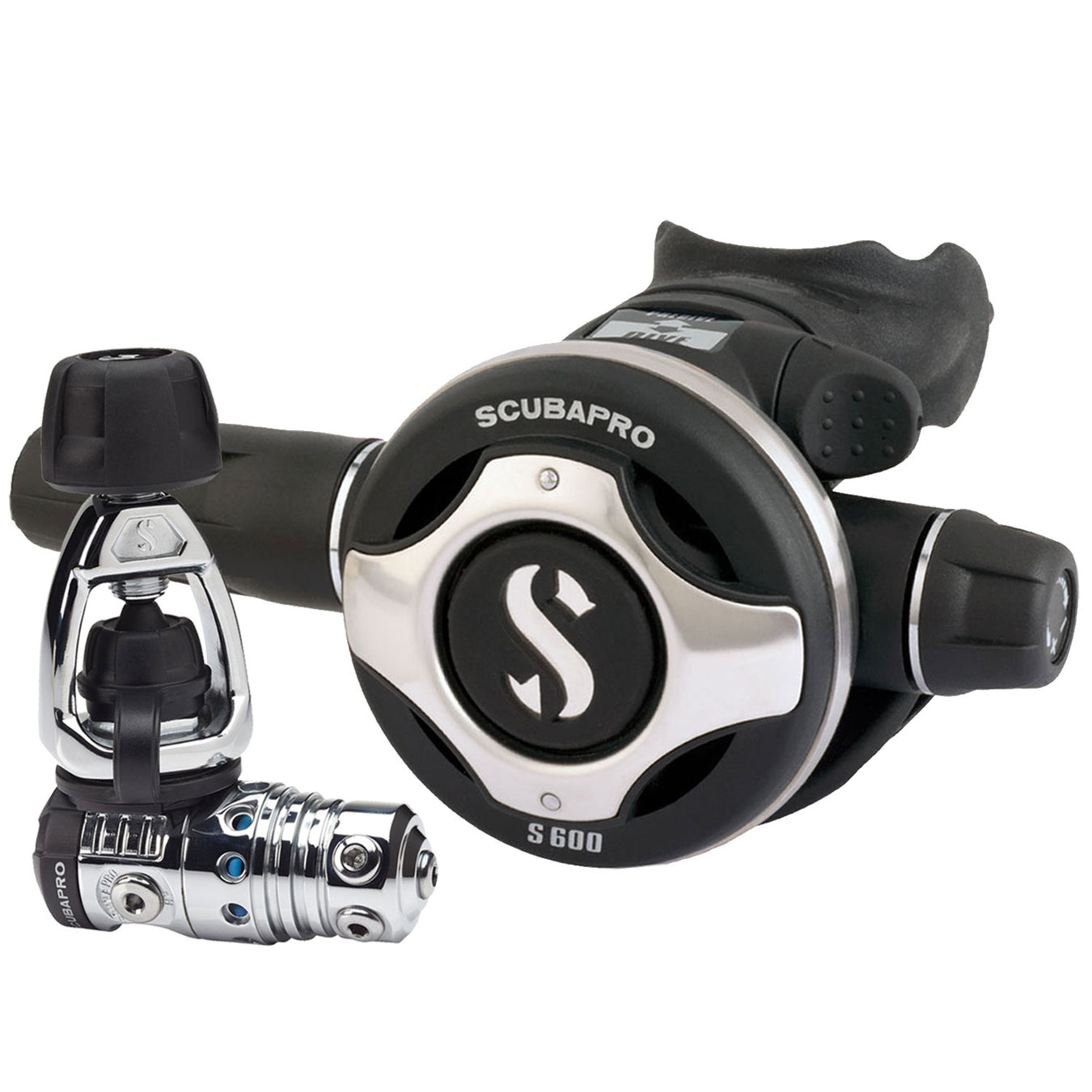
Apart from the scuba tank, scuba diving requires several pieces of essential equipment. A buoyancy control device (BCD) helps you achieve neutral buoyancy and maintain control underwater. A regulator keeps your air supply flowing smoothly by reducing the high-pressure air from the tank to a level you can breathe. A dive computer ensures your safety by monitoring your depth, bottom time, and decompression limits.
Investing in high-quality scuba gear is crucial to ensure a safe and enjoyable diving experience. Get familiar with your gear, practice proper maintenance, and always conduct pre-dive checks to ensure everything is functioning correctly.
When selecting a BCD, consider factors such as fit, lift capacity, and integrated weight systems. Regulators come in various designs, including piston and diaphragm models, each with its own set of advantages. Dive computers range from simple models displaying essential data to advanced versions with multiple gas integration capabilities.
For seasoned divers looking to push the boundaries of their underwater adventures, specialized gear can enhance the experience. Dive lights illuminate the darkest corners, revealing hidden creatures and enhancing your visibility. Underwater cameras allow you to capture awe-inspiring moments and share them with others. Dive propulsion vehicles (DPVs) propel you through the water with minimal effort, enabling you to cover more ground and explore more extensively.
Remember, with advanced gear comes increased responsibility. Proper training is essential to ensure you can handle the equipment safely and effectively in different diving conditions.
When choosing dive lights, consider factors such as beam angle, brightness, and battery life. Underwater cameras vary in resolution, depth rating, and additional features like video recording capabilities. DPVs come in different sizes and power levels, offering varying speeds and run times to suit different diving needs.
The maximum depth a diver can reach depends on several factors, including the gas mixture in their tank, their training, and their physical health. Oxygen toxicity and nitrogen narcosis are potential risks at greater depths, so divers must carefully monitor their depth and adhere to safe diving practices.
As you venture into deeper waters, you'll discover fascinating underwater phenomena, such as thermoclines and haloclines. These sudden changes in water temperature and salinity can create mesmerizing visual effects, adding another layer of wonder to your diving adventures.
Exploring the depths of the ocean unveils a world of mystery and beauty. The deeper you go, the more you may encounter bioluminescent organisms that light up the darkness with their enchanting glow. These tiny creatures add a magical touch to the underwater landscape, turning your dive into a surreal and captivating experience.
Deep diving can be an exhilarating and challenging endeavor. Technical divers undergo extensive training to use mixed gas blends, enabling them to explore depths beyond the recreational diving limits. This allows for encounters with unique marine species that dwell in the unfathomable depths, providing an opportunity for thrilling and adventurous experiences.
Furthermore, deep diving opens up the possibility of discovering historical wrecks hidden in the ocean's depths. These sunken treasures hold stories of the past, offering a glimpse into maritime history and serving as underwater time capsules waiting to be explored. Navigating through the remnants of ancient ships can transport divers to another era, where each rusted hull and decaying mast whispers tales of bygone days.
One of the most exciting aspects of diving is the opportunity to come face to face with marine life. Whether you're exploring the Great Barrier Reef in Australia or diving in the Galapagos Islands, you'll encounter an astounding array of colorful fish, turtles, sharks, and even dolphins if you're lucky. These encounters immerse you in a world teeming with beauty and diversity.
Be sure to respect marine life and their habitats. Admire from a distance, never touch, and do not disrupt their natural behavior. Remember, we are merely visitors in their world.
Beyond the living wonders, exploring shipwrecks is a captivating experience that allows you to step back in time. As you navigate through sunken vessels, you'll witness history unfold before your eyes. Each shipwreck tells a unique story, providing a glimpse into the past and allowing you to connect with the mysteries of the underwater realm.
Diving among the remains of these mighty structures is an adventure like no other. However, caution must be exercised when exploring shipwrecks, as they can pose hazards if not approached with respect and proper training.
Learning to scuba dive requires time and dedication, but the rewards are priceless. Traditional classroom and pool training are common, but eLearning offers a flexible alternative. With online courses, you can study at your own pace and complete the theory portion of your training before heading to the dive center for practical sessions. This allows you to maximize your time underwater and fast-track your certification process.
Investing in your diving skills is an investment in a lifetime of adventure and exploration.
While scuba diving provides incredible experiences, it's essential to consider the financial aspect. Scuba certification courses, gear purchase, and dive trips can add up, but there are ways to make it more affordable. Some dive centers offer package deals that include gear rental and certification. Joining dive clubs or diving during off-peak seasons can also help reduce costs. Remember, your safety and comfort should always be prioritized, so choose reputable dive centers and high-quality equipment.
One of the greatest joys of diving is the element of surprise and spontaneity. You never know what wonders await you beneath the surface. Each dive is a new adventure, offering a chance to explore uncharted territory and create lifelong memories. Whether it's a chance encounter with a majestic manta ray or finding yourself amidst a kaleidoscope of clownfish, these unexpected moments are what make diving so utterly captivating.
As scuba diving continues to evolve, new diving techniques and opportunities for adventure emerge. One such adventure is wreck diving, which celebrates its 20th anniversary this year. Exploring sunken vessels that have become artificial reefs brings together history, marine life, and adrenaline-fueled exploration. Wreck diving has flourished over the years, providing divers with a unique blend of excitement and discovery.
Thailand is renowned for its stunning beaches and vibrant marine life, making it a sought-after destination for scuba diving. From the tropical paradise of Koh Tao to the bustling city of Phuket, you'll find a wide range of dive centers offering scuba certification courses suitable for all levels of experience. These centers provide expert instructors, state-of-the-art equipment, and immersive training programs, ensuring you receive top-notch instruction to kickstart your diving journey.
No matter where you choose to get certified, remember that diving is a lifelong learning process. Embrace each dive as an opportunity to improve your skills and expand your underwater horizons.
So, whether you choose to embark on a snorkeling excursion or take the plunge into the scuba diving world, the comparison of air supply in these different diving techniques is an essential factor to consider. Both activities offer incredible opportunities for adventure, with the underwater realm opening its doors to mesmerizing wonders and unforgettable encounters. So, gear up, take a deep breath, and let your underwater exploration begin!
Now that you're equipped with the knowledge of air supply differences between snorkeling and scuba diving, it's time to take the next step with Lancaster Scuba. Whether you're gearing up for your first dive or looking to enhance your underwater experiences, we've got you covered with top-notch equipment, expert instruction, and unforgettable dive trips. Check out our scuba gear and start your adventure with "Gear. Dive. Travel." today!


{"one"=>"Select 2 or 3 items to compare", "other"=>"{{ count }} of 3 items selected"}