

Exploring the Depths: Spearfishing in San Diego
Dive into the exhilarating world of spearfishing in San Diego! Discover the best spots, techniques, and gear for an unforgettable underwater adventure.
Read now
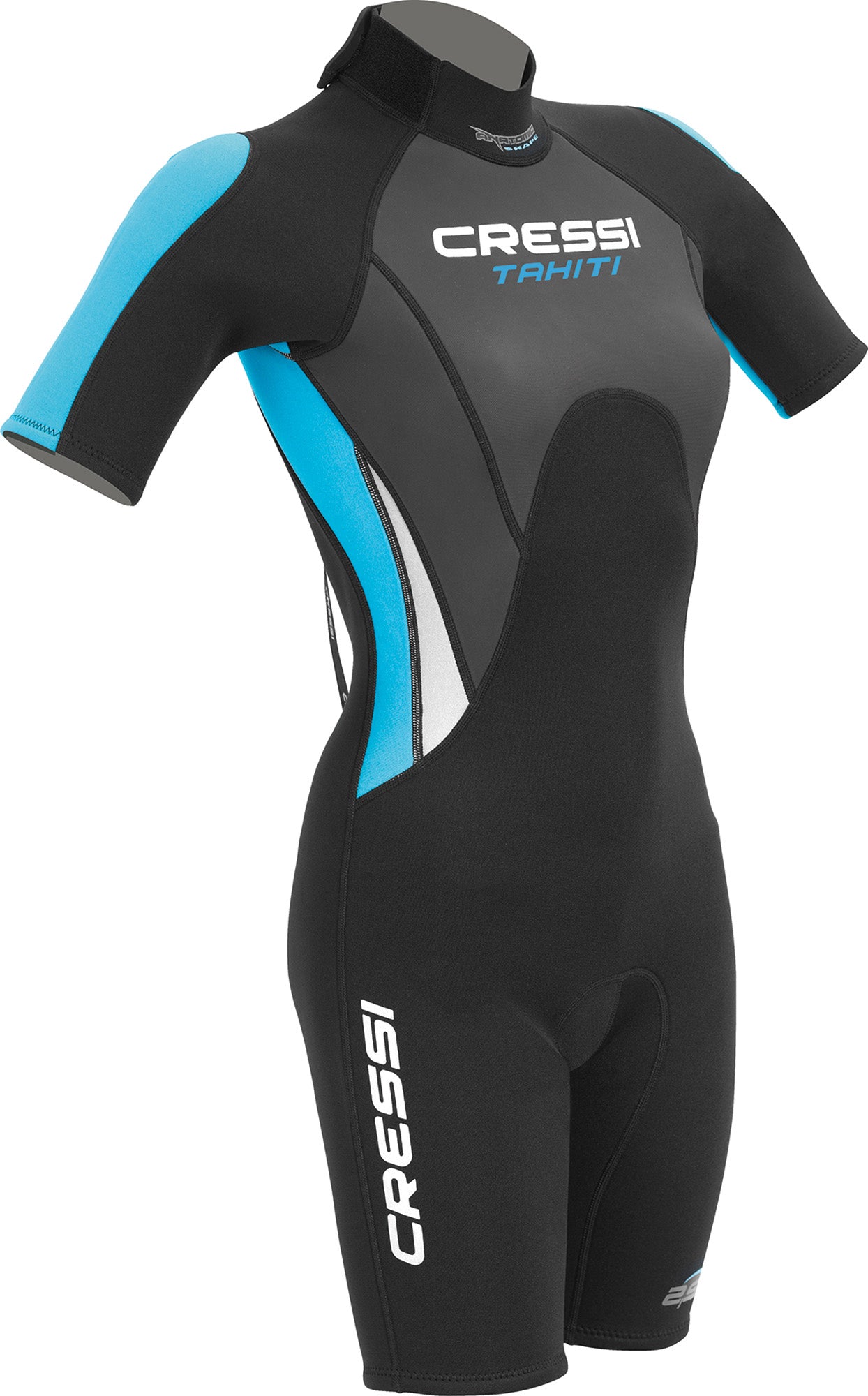
In the realm of water sports and diving, the wetsuit emerges not just as a piece of equipment but as a companion that braves the depths and the cold alongside its wearer. The care and maintenance of this crucial gear are paramount, not only for extending its life but also for ensuring the safety and comfort of the diver. Among the various methods of wetsuit maintenance, washing it in a washing machine stands out as a topic surrounded by queries and caution. This guide aims to navigate the intricacies of this process, ensuring your wetsuit remains in prime condition, ready for your next underwater adventure.
Before introducing your wetsuit to the mechanical whirls of a washing machine, a few preparatory steps are essential. These initial actions are crucial in safeguarding the material integrity of your wetsuit and ensuring the washing process is as effective as possible.
Begin with a thorough inspection of your wetsuit. Look for any signs of wear and tear, such as cracks, tears, or areas of significant distress. These vulnerabilities can be exacerbated by the washing machine's vigorous motions. Identifying and addressing these issues beforehand can prevent further damage.
Additionally, check for any foreign objects like sand, seaweed, or small pebbles lodged in the wetsuit. These can not only harm your wetsuit during the wash but can also damage your washing machine.
After a dive or a swim, your wetsuit is likely to be coated in saltwater and possibly debris. It's imperative to rinse your wetsuit with fresh water thoroughly. This initial rinse helps remove salt, which can degrade neoprene over time, and any debris that could cause abrasions during the machine wash.
Properly drying your wetsuit is just as crucial as washing it correctly. After rinsing, gently squeeze out excess water without twisting the material. Lay your wetsuit flat on a towel, rolling it up to absorb more moisture. Avoid hanging it directly under the sun, as UV rays can damage the neoprene. Instead, opt for a shaded, well-ventilated area for drying.
The settings on your washing machine play a pivotal role in the safety and effectiveness of the washing process. The goal is to clean your wetsuit without subjecting it to conditions that could cause harm.
Neoprene, the material most wetsuits are made of, is sensitive to high temperatures. Warm or hot water can cause the neoprene to lose its flexibility, affecting its insulating properties and fit. Therefore, it's advisable to use cold water for washing your wetsuit, ensuring the material's integrity is maintained.
Opt for a gentle cycle with a low spin setting. The gentle cycle mimics hand washing, reducing the stress on your wetsuit's seams and material. A high spin speed can stretch or tear the neoprene, so keeping the spin to a minimum is crucial.
Standard laundry detergents are often too harsh for neoprene and can break down the material over time. It's essential to use a cleaner specifically designed for wetsuits or a mild, eco-friendly detergent that's free of harsh chemicals. These specialized cleaners help maintain the neoprene's integrity while ensuring thorough cleaning.
Regardless of the detergent used, ensuring that your wetsuit is thoroughly rinsed post-wash is vital. Residual detergent can irritate the skin and degrade the neoprene. A second rinse cycle without detergent can help remove any leftover soap.
The care for your wetsuit extends beyond the washing process. How you dry and store your wetsuit can significantly impact its condition and readiness for your next adventure.
After washing, gently squeeze out any excess water from your wetsuit, avoiding wringing it out, as this can damage the material. Hang your wetsuit in a shaded area, away from direct sunlight. UV rays can degrade neoprene over time, affecting its flexibility and strength. Ensure that your wetsuit is hung in a way that allows air to circulate freely inside and out, facilitating even drying.
Once dry, store your wetsuit in a cool, dry place away from direct sunlight. Avoid folding your wetsuit, as this can create creases that weaken the neoprene. Instead, hang it on a wide hanger to maintain its shape and prevent stretching.
Aside from washing and drying, there are additional steps you can take to ensure your wetsuit remains in optimal condition. One such tip is to periodically treat your wetsuit with a specialized conditioner. This conditioner helps maintain the neoprene's flexibility and prevents it from becoming stiff over time.
Furthermore, storing your wetsuit in a mesh bag can protect it from dust and sunlight when not in use. This simple step can prolong the life of your wetsuit and keep it ready for your next aquatic adventure.
Regularly inspect the seams and zippers of your wetsuit for any signs of damage or corrosion. Damaged seams can lead to water leakage, reducing the wetsuit's thermal efficiency. Lubricate the zippers with a silicone-based lubricant to prevent them from sticking and corroding.
If you notice minor tears or punctures in your wetsuit, address them promptly to prevent further damage. Neoprene cement or patches specifically designed for wetsuits can be used to mend small holes effectively. Ignoring minor damage can result in larger issues that may compromise the wetsuit's performance.
Wetsuit maintenance is a crucial aspect of ensuring the longevity and performance of your diving gear. By following the proper washing techniques, choosing the right detergents, and implementing post-wash care practices, you can keep your wetsuit in top condition for numerous underwater excursions. Remember, a well-maintained wetsuit not only enhances your comfort and safety but also prolongs the lifespan of this essential piece of equipment. So, treat your wetsuit with care, and it will continue to accompany you on many memorable underwater adventures.
Now that you're equipped with the knowledge to keep your wetsuit in pristine condition, it's time to gear up for your next dive with confidence. Lancaster Scuba is here to support your underwater journeys with top-notch equipment and expert advice. Whether you're a seasoned diver or just starting out, our extensive collection of scuba gear caters to all your needs. Check out our scuba gear and embrace the full "Gear. Dive. Travel." experience to make your aquatic adventures unforgettable.


{"one"=>"Select 2 or 3 items to compare", "other"=>"{{ count }} of 3 items selected"}