

Exploring the Depths: Spearfishing in San Diego
Dive into the exhilarating world of spearfishing in San Diego! Discover the best spots, techniques, and gear for an unforgettable underwater adventure.
Read now
In the vast, blue expanse of the ocean, there lies an adventure that beckons the human spirit to explore—snorkeling. This activity is not just about floating effortlessly over coral reefs or marveling at the kaleidoscope of marine life; it's about embracing the ocean's mystery without the intrusion of the outside world. However, for many, the fear of swallowing water while snorkeling can dampen the spirit of adventure. But fear not, for mastering the art of snorkeling without swallowing water is an attainable skill, one that opens up a world of underwater wonder without the discomfort.
At the heart of a fulfilling snorkeling experience is the ability to breathe comfortably and confidently through your snorkel, without the concern of ingesting water. This foundation is built on understanding the equipment, proper technique, and a bit of practice.
The first step in your snorkeling journey is selecting the right equipment. Not all snorkels are created equal, and the design can significantly impact your ability to breathe without swallowing water.
Traditional snorkels are simple tubes, but newer models come with features like dry tops, purge valves, and comfortable mouthpieces, designed to keep water out and allow easy clearing if water does enter. A dry-top snorkel, for example, has a mechanism that seals the snorkel's top when submerged, preventing water from entering.
With the right snorkel in hand, the next step is mastering the technique. Proper positioning in the water, controlled breathing, and knowing how to clear your snorkel are key components.
Keeping your head at the right angle and your snorkel tube clear of the water's surface is crucial. Practice breathing slowly and deeply through your snorkel in calm, shallow water before venturing deeper. If water does enter your snorkel, remain calm. A quick exhale will force the water out through the purge valve or the top of the snorkel.
Once you've laid the foundation for snorkeling without swallowing water, it's time to enhance your experience. Snorkeling offers more than just an underwater view; it's an opportunity for adventure, exploration, and connection with the marine environment.
As your confidence grows, so too will your desire to explore. Snorkeling in different environments—from coral reefs to shipwrecks—presents new opportunities to witness the ocean's biodiversity and its historical mysteries.
Each environment offers unique challenges and rewards. Coral reefs teem with life and color, while shipwrecks tell stories of history and tragedy. Both require a respect for the environment and an awareness of your abilities and surroundings.
With adventure comes responsibility. Snorkeling safely not only ensures your well-being but also protects the marine environments you visit.
Always snorkel with a buddy, stay aware of your surroundings, and be mindful of currents and weather conditions. Additionally, practicing responsible snorkeling—such as not touching coral or feeding fish—helps preserve these ecosystems for future generations.
For those looking to take their snorkeling skills to the next level, there are advanced techniques that can further enhance your underwater experience. One such technique is free diving while snorkeling, which involves diving below the surface on a single breath.
Free diving allows you to explore greater depths and observe marine life up close in their natural habitat. It requires proper breath-holding techniques, relaxation, and an understanding of equalization to prevent ear discomfort as you descend.
Equalization is essential when free diving while snorkeling. As you descend, the pressure on your ears increases, which can cause discomfort if not equalized properly. To equalize, gently pinch your nose and blow air through it to open the Eustachian tubes and equalize the pressure.
Practice equalization techniques in shallow water before attempting deeper dives. Remember to equalize early and often during your descent to prevent ear injuries and enjoy a comfortable dive.
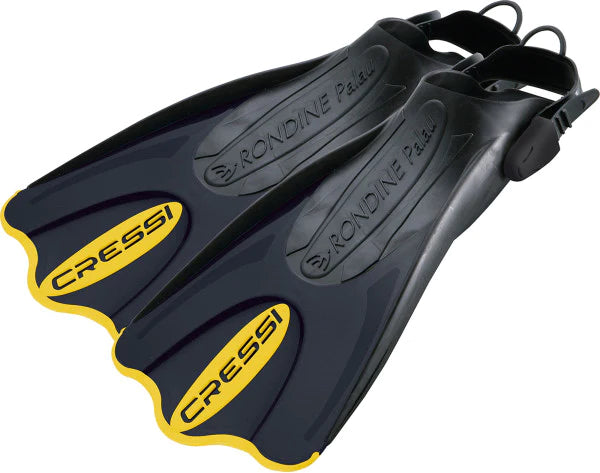
To ensure a safe and enjoyable snorkeling experience, proper maintenance of your gear is essential. After each use, rinse your snorkel, mask, and fins with fresh water to remove salt, sand, and debris that can cause damage over time.
Inspect your equipment regularly for any signs of wear or damage, such as cracks in the snorkel tube or tears in the mask strap. Replace any worn-out parts to prevent equipment failure while snorkeling.
Proper storage of your snorkeling gear is crucial to prolong its lifespan. Store your equipment in a cool, dry place away from direct sunlight to prevent degradation of materials like silicone and rubber.
Consider investing in a mesh gear bag to allow your equipment to dry thoroughly and prevent mold growth. Avoid storing your gear in a sealed container or airtight bag, as this can trap moisture and lead to unpleasant odors and bacterial growth.
Mastering the art of snorkeling without swallowing water is a journey that leads to greater adventures and deeper connections with the ocean. It starts with understanding and respecting the equipment and techniques, and it grows with each dive, as you explore new depths and embrace the wonders of the underwater world.
Remember, the ocean is not just a place to visit; it's a world to be experienced. With each snorkel, you're not just moving through water; you're immersing yourself in a realm of discovery, adventure, and endless possibilities. So, take a deep breath through your snorkel, dive in, and let the adventure begin.
Ready to turn your snorkeling dreams into a reality? Lancaster Scuba is here to ensure you have the best experience possible, both above and beneath the waves. With our extensive selection of top-quality scuba gear, expert diving instruction, and thrilling travel opportunities, you're all set for your next underwater adventure. Gear up, dive in, and explore the world with us. Check out our scuba gear today and take the first step towards mastering the art of snorkeling and beyond.


{"one"=>"Select 2 or 3 items to compare", "other"=>"{{ count }} of 3 items selected"}