

Exploring the Depths: Spearfishing in San Diego
Dive into the exhilarating world of spearfishing in San Diego! Discover the best spots, techniques, and gear for an unforgettable underwater adventure.
Read now
In the realm of underwater exploration, the significance of well-maintained snorkeling equipment cannot be overstated. It's not just about extending the lifespan of your gear but about ensuring each dive is as safe and exhilarating as the first. This comprehensive guide is dedicated to adventurers who seek to dive deeper into the essence of snorkeling by mastering the art of equipment maintenance.
Before delving into the intricacies of cleaning and maintenance, it's crucial to understand that the foundation of snorkeling safety lies in the condition of your equipment. A well-maintained snorkel set not only guarantees a smoother dive but also minimizes the risk of unexpected malfunctions underwater.
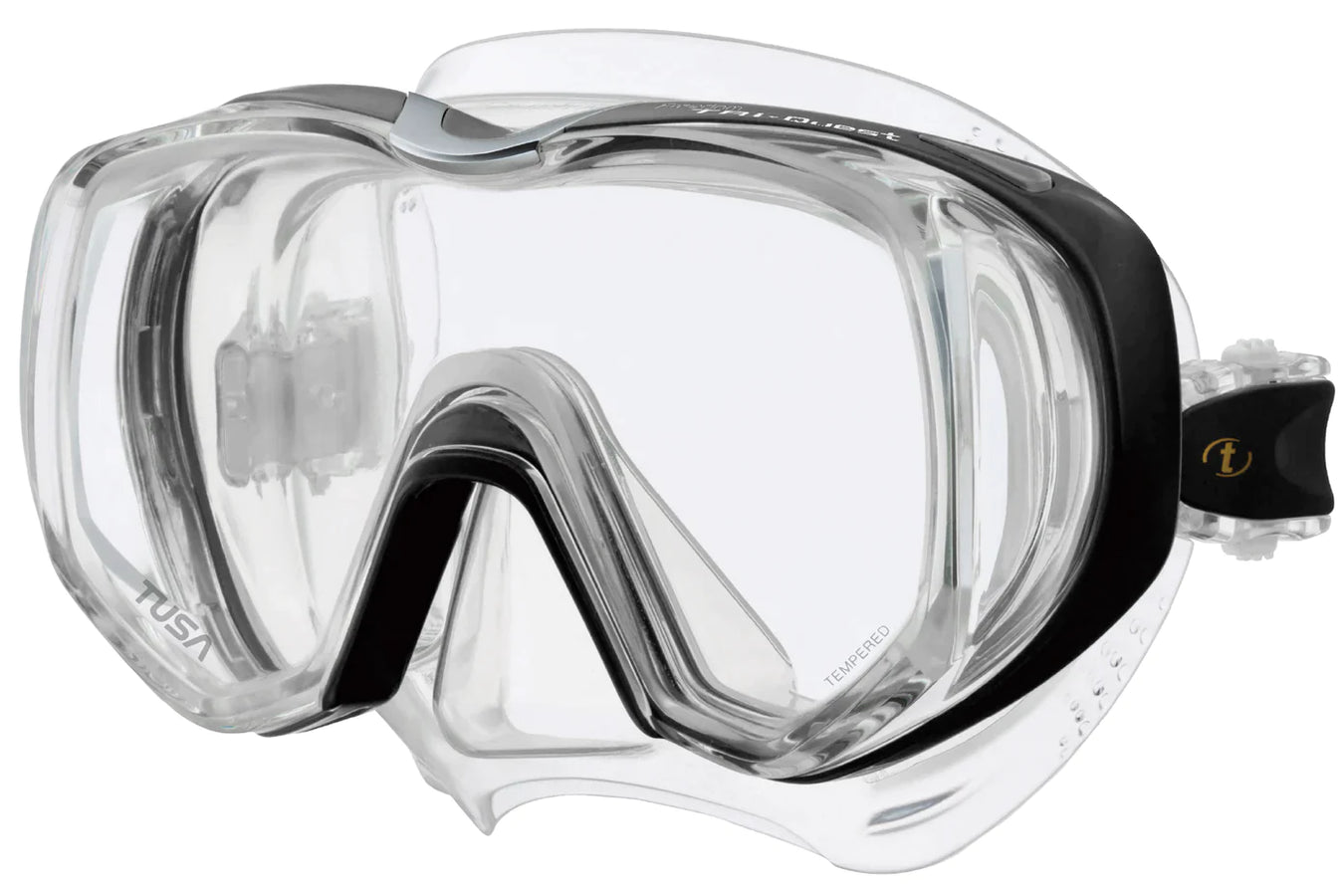
Snorkeling equipment, at its core, consists of a mask, snorkel, and fins. Each component plays a pivotal role in your underwater experience. The mask provides a clear window to the underwater world, the snorkel allows you to breathe with ease at the surface, and the fins offer the necessary propulsion to glide through the water.
Knowing the material composition of your gear is the first step in proper maintenance. Most snorkeling masks are made of silicone or rubber, with tempered glass lenses. Snorkels, too, are typically silicone-based, while fins can vary from rubber to a combination of plastic and rubber.
Regular cleaning is not just about aesthetics; it's about functionality and safety. Saltwater, chlorine, and even freshwater can leave harmful residues on your gear, which, over time, can degrade the materials and compromise their integrity. A routine cleaning schedule ensures that your equipment remains in optimal condition, ready for your next adventure.
Moreover, clean equipment provides a better user experience. Clear lenses and a clean snorkel improve visibility and breathing quality, enhancing your overall enjoyment of the dive.
Cleaning your snorkeling equipment is a simple yet essential practice that every diver should incorporate into their post-dive routine. Here's how to ensure your gear remains in pristine condition, dive after dive.
The first step in maintenance begins the moment you emerge from the water. Rinse your equipment with fresh water as soon as possible to remove any salt, chlorine, or debris. This initial rinse helps prevent the buildup of harmful residues that can damage your gear over time.
It's particularly important to thoroughly rinse the mask and snorkel, as these components are most susceptible to residue buildup in hard-to-reach areas.
For a more thorough cleaning, especially after several dives, a deeper clean is necessary. Prepare a mild solution of warm water and dish soap. Submerge your mask and snorkel in the solution and gently clean the surfaces with a soft brush or cloth, paying special attention to the skirt of the mask and the mouthpiece of the snorkel.
Rinse thoroughly with fresh water and allow the equipment to air dry completely in a shaded area. Direct sunlight can degrade the materials over time, so it's best to avoid exposing your gear to harsh UV rays for prolonged periods.
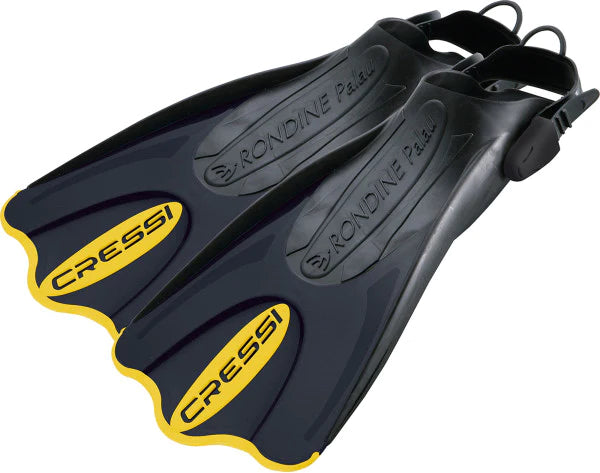
Fins require a slightly different approach due to their size and material composition. After rinsing with fresh water, inspect the fins for any signs of wear or damage, such as cracks or tears. Use a soft cloth to wipe down the fins, paying close attention to the foot pockets where debris can accumulate.
Store your fins flat or hang them vertically to maintain their shape and prevent warping. Like masks and snorkels, fins should be stored in a cool, dry place away from direct sunlight.
Beyond regular cleaning, there are additional steps you can take to ensure your snorkeling equipment remains in top condition.
Regular inspection of your gear can help identify potential issues before they become problematic. Check for cracks, tears, or any signs of degradation. Replacing damaged parts promptly can prevent equipment failure during a dive, ensuring your safety and the longevity of your gear.
Manufacturers often offer replacement parts for common wear items, such as mask straps or snorkel mouthpieces. Taking advantage of these options can extend the life of your equipment significantly.
Proper storage is key to maintaining the condition of your snorkeling gear. Invest in a breathable mesh bag to allow your equipment to dry thoroughly while minimizing exposure to dirt and dust. Avoid storing your gear in airtight containers, as this can encourage the growth of mold and mildew, especially in damp environments.
By following these guidelines, you not only preserve the condition of your snorkeling equipment but also enhance your diving experience. Clean, well-maintained gear is essential for a safe and enjoyable dive, allowing you to explore the underwater world with confidence and ease.
When it comes to selecting snorkeling equipment, there are a few key factors to consider. The fit of your mask is crucial for a comfortable and leak-free dive. Make sure the mask skirt creates a seal against your face without being too tight. Additionally, opt for a snorkel with a comfortable mouthpiece that allows for easy breathing.
For fins, choose a pair that provides the right balance of propulsion and comfort. Fins that are too stiff can cause cramping, while overly flexible fins may not offer enough power for efficient movement through the water. Try on different styles to find the perfect fit for your diving style.
If you're looking to enhance your snorkeling adventures, consider investing in advanced gear features. Anti-fog coatings for masks can improve visibility, especially in colder water conditions. Dry-top snorkels prevent water from entering the tube, reducing the need for clearing it while at the surface.
Adjustable fins allow you to customize the fit for maximum comfort and performance. Look for features such as quick-release buckles for easy donning and doffing, as well as vented blades for efficient propulsion with minimal effort.
For those interested in specialized snorkeling experiences, there is a range of equipment available to cater to unique diving environments. Full-face masks provide a panoramic view of the underwater world and allow for natural breathing through both the nose and mouth.
Underwater communication devices enable divers to stay in contact with their buddies or communicate with the surface support team. These devices use wireless technology to transmit audio signals, enhancing safety and coordination during group dives.
By staying informed about the latest advancements in snorkeling gear, you can tailor your equipment selection to match your diving goals and preferences, opening up new possibilities for exploration and enjoyment.
Now that you're well-versed in maintaining your snorkeling equipment for peak performance, it's time to gear up with the best in the business. Lancaster Scuba is your one-stop destination for top-quality scuba and water sports gear, expert diving instruction, and unforgettable dive travel experiences. Whether you're just starting out or looking to upgrade your diving repertoire, we have everything you need to make your underwater adventures safe, enjoyable, and memorable. Check out our scuba gear today and dive into your next aquatic journey with confidence!


{"one"=>"Select 2 or 3 items to compare", "other"=>"{{ count }} of 3 items selected"}