

Exploring the Depths: Spearfishing in San Diego
Dive into the exhilarating world of spearfishing in San Diego! Discover the best spots, techniques, and gear for an unforgettable underwater adventure.
Read now
In the realm of underwater exploration, snorkeling stands out as a gateway to the mesmerizing beauty of the ocean's depths. It's an activity that combines the thrill of adventure with the serenity of being immersed in a completely different world. For many, learning how to use a snorkel underwater is the first step towards unlocking this unique experience. This guide is designed not just to instruct but to inspire, drawing from the essence of what makes snorkeling a beloved pursuit for adventurers at heart.
Before plunging into the azure waters, understanding the fundamentals of snorkeling is crucial. It's about more than just breathing through a tube; it's learning to move harmoniously with the water, to observe without disturbing, and to embrace the ocean's wonders with respect and awe.
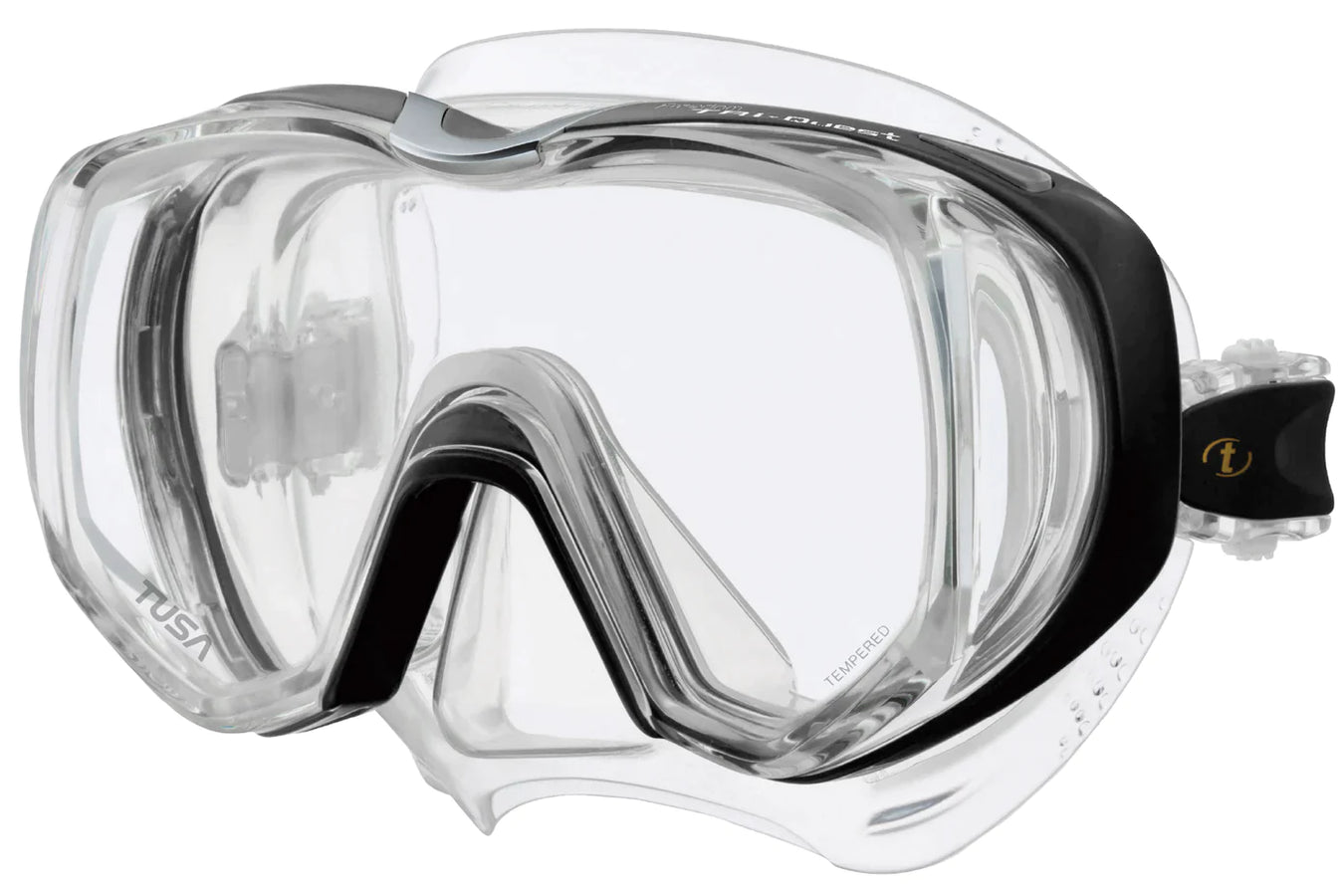
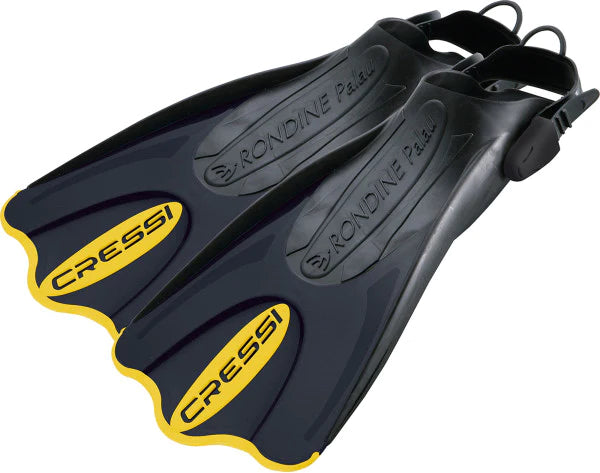
Selecting the right equipment is the first step in your snorkeling journey. A comfortable, well-fitting mask and a snorkel are paramount. The mask should seal smoothly against your face, and the snorkel must be of a suitable length and feature a comfortable mouthpiece. Fins that fit snugly yet comfortably will enhance your mobility underwater.
Recent advancements in snorkeling gear have introduced features like dry snorkels, which prevent water from entering the snorkel tube, and full-face masks that offer a wider field of vision. These innovations have made snorkeling more accessible and enjoyable for people of all skill levels.
Breathing through a snorkel is an experience unlike any other, requiring practice and patience. Initially, it may feel unnatural to breathe only through your mouth, but with time, it becomes second nature. Practicing in shallow water or even on dry land can help acclimate you to the sensation.
It's essential to remain calm and breathe slowly and deeply. Panic can lead to rapid, shallow breathing, which is less efficient and can cause fogging in the mask. Mastering calm, rhythmic breathing is not only a safety skill but also enhances the overall snorkeling experience, allowing for longer, more enjoyable explorations.
With the basics of gear and breathing under your belt, the next step is learning to navigate the underwater landscape. This is where the true adventure begins, as each snorkel session offers opportunities to encounter the ocean's diverse inhabitants and hidden marvels.
Good buoyancy control is key to a successful snorkeling experience. It allows you to float effortlessly, conserve energy, and avoid damaging the delicate marine ecosystem. Wearing a snorkeling vest can help beginners maintain buoyancy, while more experienced snorkelers often rely on their lung capacity and body positioning to adjust their buoyancy.
Practicing in calm, shallow waters can help you learn how to control your buoyancy by taking deep, slow breaths to rise and exhaling to gently descend. This skill not only improves your safety but also enhances your ability to observe marine life up close without disturbing their natural habitat.
Effective snorkeling involves more than just floating; it's about moving gracefully and efficiently through the water. The flutter kick, performed with straight legs and small, rapid movements from the hips, is a fundamental snorkeling technique that minimizes effort and maximizes mobility.
Another essential skill is learning to clear your snorkel of water, either by using a purge valve, if available, or by exhaling forcefully to expel the water. This technique ensures that you can continue to breathe easily and enjoy your snorkeling adventure without interruption.
One of the joys of snorkeling is the variety of locations you can explore. From tropical coral reefs to kelp forests and even freshwater springs, each environment offers a unique underwater experience. Coral reefs, with their vibrant colors and diverse marine life, are popular snorkeling destinations, providing opportunities to see tropical fish, rays, and even sharks in some regions.
Kelp forests, found in cooler waters, are home to an array of marine species, including sea otters, seals, and a variety of fish. Snorkeling in these environments allows you to witness the intricate ecosystem supported by these towering underwater plants. Freshwater springs offer a different experience, with crystal-clear waters and unique geological formations to discover.
Before embarking on a snorkeling excursion, it's essential to prepare adequately. Checking weather conditions, tides, and water visibility can help ensure a safe and enjoyable experience. Packing essentials such as sunscreen, a rash guard for sun protection, and a first aid kit is crucial for a day out on the water.
Additionally, familiarizing yourself with the local marine life and any potential hazards, such as jellyfish or strong currents, can help you stay alert and responsive while snorkeling. Having a buddy system in place, where you and a partner keep an eye on each other during the dive, enhances safety and allows for shared discoveries underwater.
Responsible snorkeling goes beyond just enjoying the underwater world; it involves respecting the marine environment and its inhabitants. By following established guidelines and practicing good snorkeling etiquette, you can minimize your impact on delicate ecosystems and contribute to their preservation for future generations.
When snorkeling, it's essential to observe marine life from a respectful distance. Avoid touching or chasing animals, as this can disrupt their natural behavior and habitat. Admire creatures such as sea turtles, octopuses, and colorful fish from a distance, allowing them to go about their daily activities undisturbed.
Feeding marine animals can also have negative consequences, as it can alter their natural diet and behavior. Refrain from feeding wildlife while snorkeling, and remember that human food can be harmful to marine species. By being a passive observer, you can enjoy the beauty of the underwater world without causing harm.
Protecting the marine environment involves more than just respecting wildlife. Being mindful of your actions, such as avoiding standing on coral reefs or stirring up sediment, helps preserve fragile ecosystems. Properly disposing of any trash or waste, even biodegradable items, is crucial to maintaining the cleanliness of the ocean.
Participating in beach clean-ups and supporting local conservation efforts are ways to give back to the marine environment. By taking an active role in protecting the oceans, snorkelers can help ensure that future generations can continue to enjoy the wonders of underwater exploration.
Before snorkeling in a new area, take the time to familiarize yourself with local regulations and guidelines. Some marine reserves have specific rules regarding snorkeling activities to protect sensitive habitats and species. By following these regulations, you can help preserve the biodiversity of these areas and contribute to their long-term sustainability.
Respecting marine protected areas and designated snorkeling zones is essential for maintaining the health of underwater ecosystems. By adhering to established rules and regulations, snorkelers can play a role in safeguarding marine biodiversity and ensuring that these natural wonders remain intact for future generations to enjoy.
In conclusion, learning how to use a snorkel underwater opens the door to a world of adventure, discovery, and connection. By mastering the basics, navigating with skill, and embracing the spirit of exploration, snorkelers can experience the ocean's wonders in a way that is both exhilarating and respectful. Whether you're taking your first breaths through a snorkel or seeking to deepen your underwater adventures, the journey is sure to be unforgettable.
Ready to dive deeper into the underwater world? Lancaster Scuba is your trusted partner in this aquatic journey. With our extensive range of scuba and water sports gear, expert diving instruction, and exciting travel opportunities, we're here to ensure your snorkeling adventures are just the beginning. Check out our scuba gear and take the first step towards a deeper exploration of the oceans. Gear up, dive in, and let's travel the seas together with Lancaster Scuba.


{"one"=>"Select 2 or 3 items to compare", "other"=>"{{ count }} of 3 items selected"}