

Exploring the Depths: Spearfishing in San Diego
Dive into the exhilarating world of spearfishing in San Diego! Discover the best spots, techniques, and gear for an unforgettable underwater adventure.
Read now
In the realm of underwater exploration, the right gear is not just a matter of comfort—it's a conduit to the world beneath the waves, a key to unlocking the mysteries of the deep. Among the most crucial pieces of this gear is the wetsuit, a second skin that stands between the diver and the vast, intriguing, yet unforgiving marine environment. Understanding how to size a wetsuit is not merely about ensuring a snug fit; it's about enhancing safety, mobility, and the overall diving experience, allowing adventurers to dive deeper into the ocean's secrets.
The quest for the perfectly sized wetsuit is akin to the search for a treasure chest hidden beneath the sea. It's a journey filled with considerations, measurements, and choices that, when navigated correctly, lead to the ultimate prize: a diving experience that is both safe and exhilarating.
A wetsuit that fits flawlessly is crucial for thermal protection. The thin layer of water that gets trapped between the suit and the skin is warmed by the body, creating an insulating layer. Too loose, and a diver risks excessive water exchange, leading to a loss of warmth. Too tight, and it can restrict movement and even breathing, turning what should be a joyous dive into a struggle.
Moreover, the right fit affects buoyancy and hydrodynamics. A suit that hugs the body just right reduces drag, making swimming more efficient and conserving precious energy during dives. It also plays a subtle yet significant role in buoyancy control, a skill every diver cherishes.
Embarking on the journey to find the perfect wetsuit begins with accurate measurements. Chest, waist, hips, and height are the primary dimensions to consider, but arm and leg length can also play a crucial role, especially for individuals whose proportions do not fit the standard sizing charts.
It's essential to use a flexible tape measure and to measure against the skin or very thin clothing to ensure accuracy. Many manufacturers offer detailed sizing guides, but remember, each brand's sizing can vary slightly. When in doubt, consulting with experienced divers or reputable dive shops can provide invaluable insights.
The fabric of the ocean's narrative is as varied and complex as the materials and thicknesses of wetsuits designed to explore it. The choice of material and the thickness of a wetsuit can dramatically affect its warmth, flexibility, and durability.
At the core of most wetsuits is neoprene, a synthetic rubber that offers a blend of flexibility, buoyancy, and insulation. Advances in neoprene technology have led to variations like super-stretch neoprene, which offers greater flexibility and a better fit for a wider range of body types.
However, the trade-off between flexibility and warmth is a constant balancing act. High-flexibility neoprene may not provide the same level of insulation as denser, less flexible varieties. Divers must consider the conditions they plan to dive in when choosing their wetsuit material.
Wetsuit thickness is measured in millimeters, often with different thicknesses for the body and limbs to optimize warmth and flexibility. The range can vary from a thin 2mm for warm water dives to a cozy 7mm for frigid conditions.
Understanding the water temperature and your own tolerance to cold is crucial in selecting the right thickness. A thicker suit offers more warmth but can restrict movement, while a thinner suit provides greater flexibility but less insulation. It's a personal choice that can significantly impact your diving experience.
While the wetsuit forms the core of a diver's gear, the right accessories can enhance comfort and safety. Items like hoods, gloves, and boots provide additional insulation in colder waters, ensuring that no part of the body is left exposed to the elements.
When selecting accessories, it's essential to consider compatibility with the wetsuit. A well-fitted hood, for example, should seamlessly integrate with the neck seal of the wetsuit to prevent water from entering and compromising warmth. Gloves and boots should provide a snug fit without restricting movement, allowing for dexterity and agility underwater.
Just as the ocean's landscapes are diverse, so too are the styles of wetsuits designed to explore them. From full suits to shorties, each style serves a purpose and caters to different diving conditions and personal preferences.
Full suits, covering the body from wrists to ankles, are the go-to for most divers seeking thermal protection in cooler waters. They offer the most comprehensive coverage, reducing the risk of scrapes and stings while providing consistent warmth.
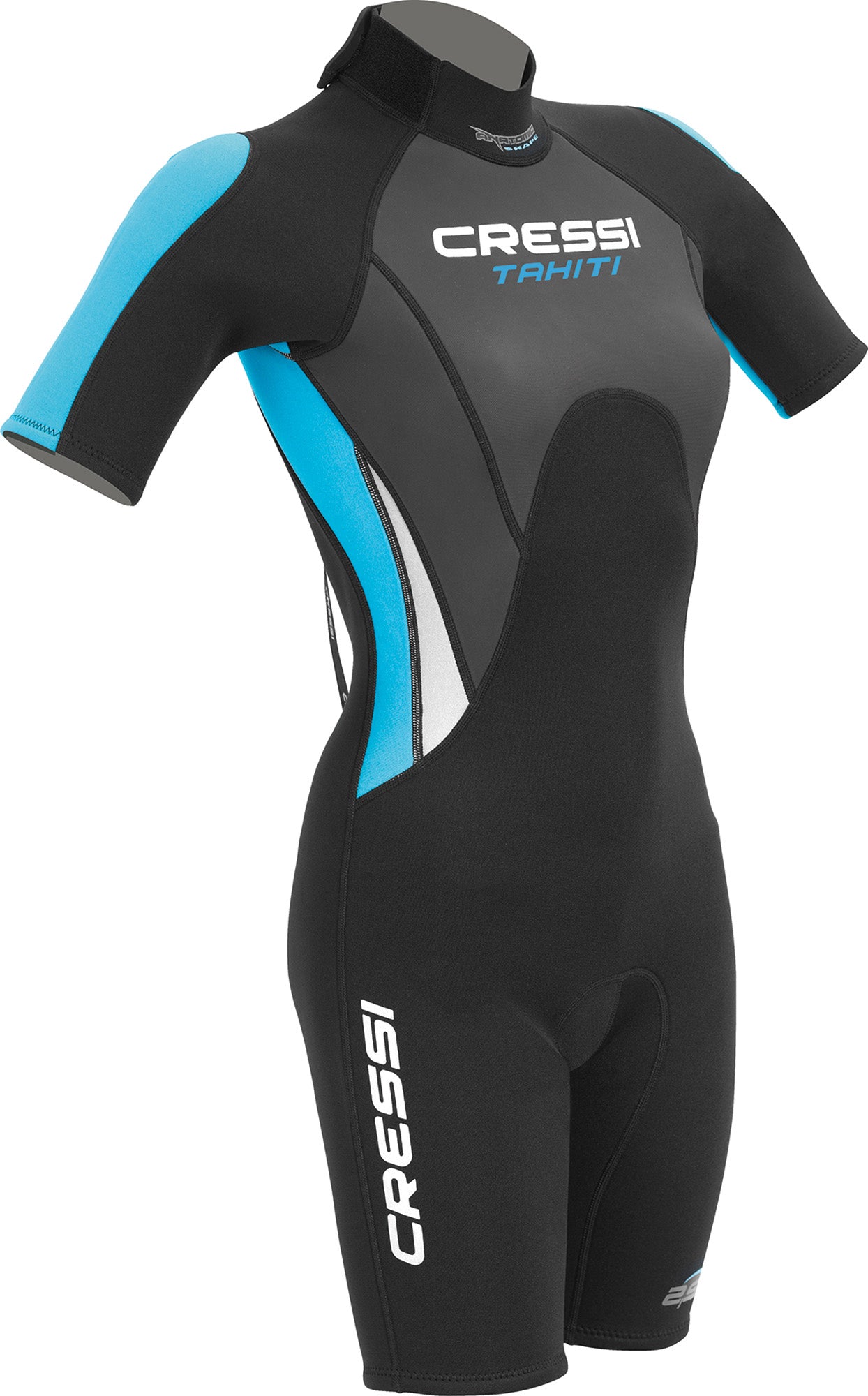
Shorties, with short sleeves and legs, are favored for warm-water diving. They offer ease of movement and are easier to put on and take off, making them a popular choice for casual dives in tropical climates.
Beyond the basic full suit and shortie, there are specialized suits designed for specific conditions. Semi-dry suits, for example, offer seals at the wrists, ankles, and neck to minimize water entry, making them suitable for colder waters where a dry suit is not necessary.
Each style of wetsuit opens different doors to adventure, from exploring the vibrant coral reefs in a shortie to venturing into the mysterious depths of colder waters in a semi-dry suit. The choice of style is as much about personal comfort and preference as it is about the diving conditions.
While often overlooked, the color of a wetsuit can have practical implications for divers. In bright, sunny conditions, darker colors absorb more heat, keeping the body warmer during extended dives. On the other hand, in tropical waters where overheating is a concern, lighter colors can help reflect sunlight, preventing the diver from becoming too hot.
Additionally, color can play a role in visibility underwater. Brightly colored wetsuits can make divers more visible to their buddies and boat crew, enhancing safety during group dives. Some divers also opt for camouflage patterns to blend in with their surroundings, ideal for underwater photographers seeking to get closer to marine life without causing disturbance.
Ensuring the longevity and performance of a wetsuit requires proper maintenance and care. After each dive, rinsing the wetsuit with fresh water helps remove salt, sand, and other debris that can degrade the material over time. It's essential to thoroughly rinse both the inside and outside of the suit, paying attention to zippers and seals.
Once rinsed, the wetsuit should be hung to dry in a shaded, well-ventilated area, away from direct sunlight and heat sources. Folding or storing a wetsuit while damp can lead to mold and mildew growth, compromising both the material and the fit of the suit. Some divers choose to use wetsuit-specific detergents for occasional deep cleaning to maintain the neoprene's flexibility and integrity.
Choosing the right wetsuit is a journey of discovery, one that is essential to the diving adventure. It's about finding that perfect balance between comfort, safety, and the thrill of exploration. With the right wetsuit, sized and selected with care, divers are not just prepared to face the challenges of the deep; they're ready to embrace the boundless wonders of the underwater world.
Remember, the ocean waits for no one, and with each dive, it offers a new story, a new adventure, and a new opportunity to explore the unknown. Armed with the right knowledge and the perfect wetsuit, you're not just diving into the water; you're diving deeper into life's potential, just as Johnny Walker dives deeper into the heart of the diving community with passion and a relentless pursuit of adventure.
As you stand on the brink of your next underwater adventure, remember that the perfect wetsuit is just the beginning. Lancaster Scuba is here to guide you through the rest of your journey with our expertly curated selection of scuba gear. Whether you're gearing up for your first dive or looking to enhance your professional kit, we have everything you need to dive with confidence. Check out our scuba gear and embrace the full spectrum of "Gear. Dive. Travel." for an unparalleled underwater experience.


{"one"=>"Select 2 or 3 items to compare", "other"=>"{{ count }} of 3 items selected"}