

Exploring the Depths: Spearfishing in San Diego
Dive into the exhilarating world of spearfishing in San Diego! Discover the best spots, techniques, and gear for an unforgettable underwater adventure.
Read now
In the vast expanse of artistic endeavors, there lies a niche yet captivating subject that draws enthusiasts and professionals alike—the scuba diver. Capturing the essence of underwater exploration through the strokes of a pencil not only celebrates the spirit of adventure but also pays homage to the intricate details of diving gear and the human form in harmony with the ocean's depths. This guide aims to navigate the intricate process of drawing a scuba diver, from understanding the basic gear to bringing to life the dynamic posture of underwater exploration.
Before delving into the artistic process, it's crucial to understand the components that make up a scuba diver's gear. This knowledge serves as the backbone of our drawing, ensuring accuracy and realism in our depiction.
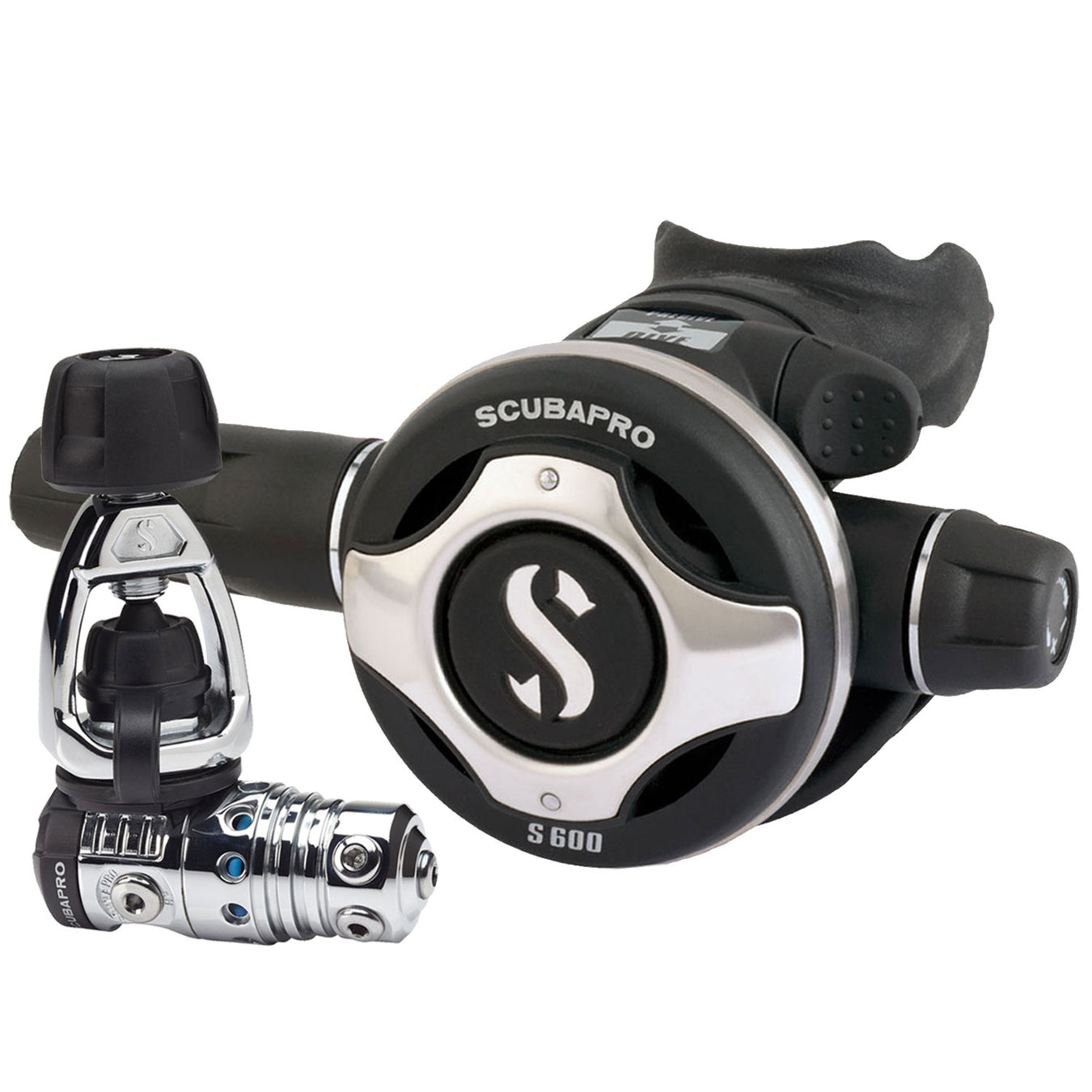
The scuba unit is the heart of diving gear, comprising the tank, regulator, buoyancy control device (BCD), and harness. The tank, often depicted as a sleek, cylindrical container, is the diver's source of compressed air. Attached to it is the regulator, a complex piece that demands attention to detail, with its hoses and mouthpiece designed to deliver air to the diver. The BCD, a vest-like apparatus, allows the diver to maintain neutral buoyancy, a critical aspect to capture for a realistic portrayal.
Illustrating these components with precision not only enhances the authenticity of the drawing but also pays homage to the technological advancements that make underwater exploration possible. When drawing the tank, pay attention to the reflections and distortions caused by the water, adding a layer of realism to your artwork. The regulator, with its intricate design, can be a focal point of detail, showcasing the precision required in scuba equipment.
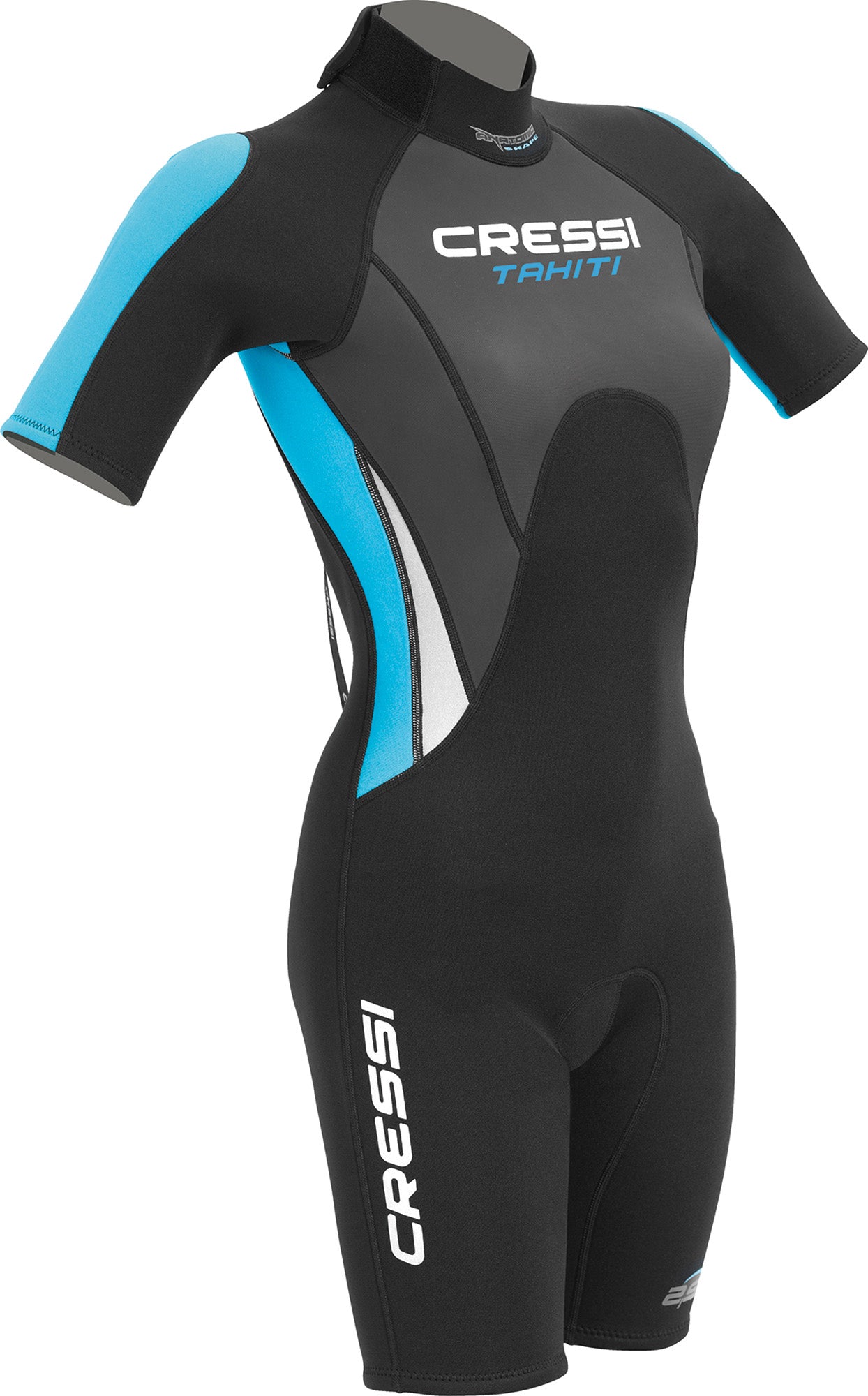
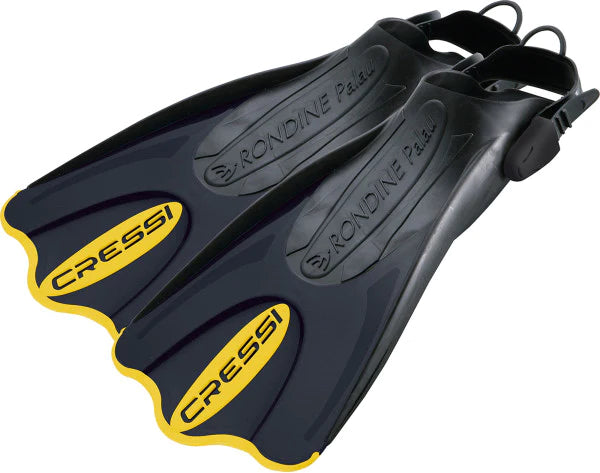
The diver's suit, whether a snug-fitting wetsuit or a bulky drysuit, contours to the body, highlighting the human form amidst the ocean's vastness. Drawing the suit requires a keen eye for texture and form, capturing the sleekness or bulkiness that defines the diver's silhouette. Fins, extending from the feet, add a dynamic element to the drawing. Their design, often sleek and hydrodynamic, emphasizes the diver's mobility and grace under the sea.
Accurately rendering these elements not only showcases the diver's gear but also brings attention to the human aspect of scuba diving, where technology and biology merge in pursuit of adventure. When drawing the fins, consider the movement they create in the water, adding a sense of flow and direction to your composition. The diving suit, with its material clinging to the diver's body, can convey a sense of weightlessness and freedom in the underwater realm.
At the core of every scuba diving adventure lies the diver—a figure of resilience, curiosity, and harmony with the underwater world. Capturing the diver's essence involves more than just replicating gear; it's about portraying the spirit of exploration and the physicality of diving.
The posture of a scuba diver is unique, characterized by buoyancy and weightlessness. Drawing a diver in motion, perhaps gliding beside a coral reef or investigating a shipwreck, involves understanding human anatomy in a state of suspension. The arms may be positioned close to the body or extended to adjust equipment, while the legs, aided by fins, propel the diver forward. Capturing this movement requires a balance between fluidity and precision, illustrating not just a figure in water, but a dancer in an immense, liquid ballroom.
Emphasizing the diver's interaction with the underwater environment adds depth to the drawing, inviting viewers to ponder the mysteries lying beneath the ocean's surface. Consider adding small details like bubbles escaping from the regulator or the play of light on the diver's skin to enhance the sense of immersion in your artwork. The movement of the diver can be further accentuated by the surrounding marine life, creating a dynamic and engaging composition.
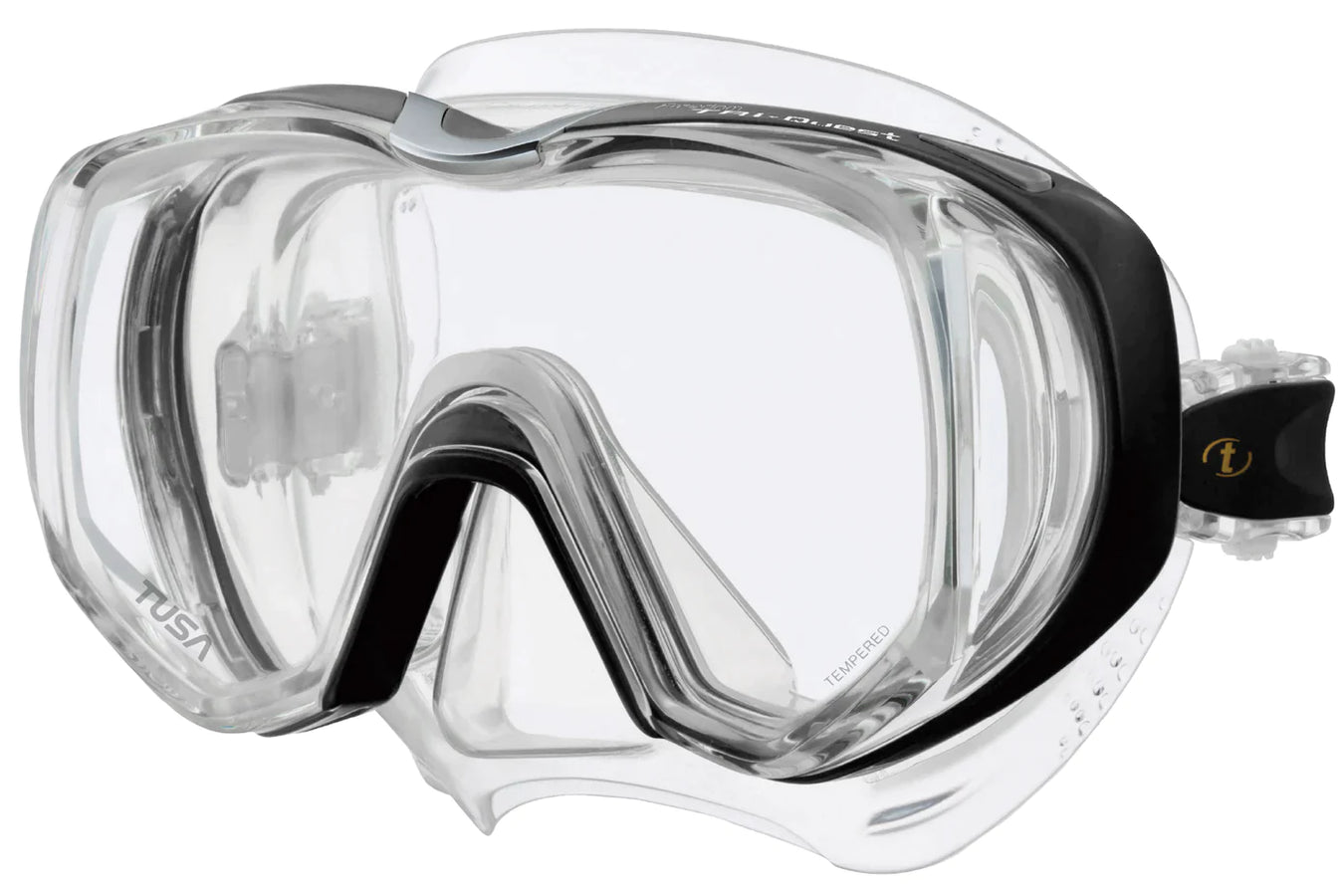
While the diver's face may often be obscured by a mask, glimpses of the eyes can convey a wealth of emotion—from the thrill of discovery to the serene peace of being one with the sea. The mask, a clear barrier between the diver and the water, reflects the surrounding light and shadows, adding a layer of complexity to the drawing. Capturing the subtle interplay of light and emotion through the mask's lens challenges the artist to delve deeper into their craft, transforming a simple drawing into a narrative of adventure and exploration.
Portraying the diver's emotion connects the viewer to the drawing on a personal level, bridging the gap between the terrestrial and the aquatic. Consider adding a sense of mystery by partially obscuring the diver's face with reflections or distortions in the water, inviting the viewer to project their own emotions onto the diver. The eyes, often referred to as the windows to the soul, can convey a sense of wonder and awe in the underwater world.
As we delve deeper into the art of drawing a scuba diver, it's essential to consider the vast and diverse landscapes that await beneath the ocean's surface. From vibrant coral reefs to eerie shipwrecks, each underwater environment presents a unique opportunity to showcase the beauty and mystery of the deep.
Coral reefs are bustling ecosystems teeming with life, color, and movement. When drawing a scuba diver amidst a coral reef, pay attention to the intricate details of the coral formations, from the branching structures of staghorn corals to the delicate fronds of sea fans. Adding small fish, crustaceans, and other marine creatures among the coral can bring the scene to life, creating a sense of abundance and activity.
Consider the play of light on the reef, casting dappled patterns on the ocean floor and the diver's equipment. Shadows created by the coral formations can add depth and drama to your composition, enhancing the overall sense of immersion. By carefully observing the textures and shapes of different coral species, you can create a realistic and captivating underwater landscape.
Shipwrecks are haunting yet fascinating remnants of maritime history, offering a glimpse into the past and providing shelter for a diverse array of marine life. When drawing a scuba diver exploring a shipwreck, focus on the imposing structure of the vessel, with its rusted hull, broken masts, and hidden passageways. Incorporating details like barnacles, algae growth, and fish darting in and out of portholes can add authenticity to the scene.
Pay attention to the play of light and shadow within the shipwreck, creating a sense of mystery and intrigue. The diver's interaction with the wreck, whether swimming through corridors or peering into darkened rooms, can convey a sense of exploration and discovery. By capturing the contrast between the man-made structure and the natural marine environment, you can evoke a sense of timelessness and wonder in your artwork.
While drawing a scuba diver offers a unique perspective on underwater exploration, the art of underwater photography provides another avenue to capture the beauty and diversity of the marine world. Through the lens of a camera, divers can immortalize fleeting moments, vibrant colors, and elusive creatures, creating visual narratives that inspire awe and conservation.
Underwater photography presents a set of challenges distinct from terrestrial photography, including issues of light absorption, color distortion, and buoyancy control. To capture stunning underwater images, divers must master techniques such as adjusting white balance to counteract color loss, using artificial lighting to illuminate dark environments, and maintaining proper buoyancy to steady the camera.
Experimenting with different camera settings, angles, and compositions can result in striking underwater photographs that convey the magic of the ocean realm. By understanding the principles of light, color, and composition, underwater photographers can create images that not only document marine life but also evoke emotion and wonder in viewers.
Beyond their aesthetic value, underwater photographs play a crucial role in marine conservation efforts. By capturing the beauty and fragility of underwater ecosystems, photographers raise awareness about the importance of preserving these habitats for future generations. Images of endangered species, coral bleaching, and plastic pollution serve as powerful reminders of the urgent need to protect our oceans.
Underwater photographers can contribute to conservation initiatives by sharing their images with scientists, policymakers, and the public, advocating for marine protected areas, sustainable fishing practices, and reduced plastic consumption. Through the lens of a camera, divers can become ambassadors for the ocean, inspiring action and fostering a deeper connection to the underwater world.
With the foundation laid and the human element captured, the final step is to immerse our scuba diver in the underwater world—a realm of color, mystery, and life.
The ocean is not just a backdrop but a character in its own right. From the dappled sunlight filtering through the water to the intricate coral reefs teeming with life, the environment sets the stage for our diver's adventure. Drawing the underwater scene requires an understanding of light and shadow, color and contrast, creating a sense of depth and vastness. Incorporating marine life, from the smallest fish to the majestic whale shark, adds vibrancy and movement to the scene, making the drawing not just a portrait but a story.
Each element, from the coral to the sunbeams, contributes to the atmosphere, inviting the viewer to dive into the drawing and explore the wonders of the underwater world alongside the scuba diver. Consider adding elements of marine flora and fauna that interact with the diver, creating a sense of harmony and interconnectedness in your artwork. The interplay of light and shadow can evoke different moods and emotions, from the tranquility of a sunlit reef to the drama of a predator-prey interaction.
In the spirit of adventure and exploration, it's essential to highlight the importance of safety and conservation within our drawing. Illustrating the diver maintaining a safe distance from delicate corals or observing marine life without interference reflects a respect for the ocean and its inhabitants. These subtle cues not only educate the viewer about responsible diving practices but also reinforce the message that our exploration should leave the underwater world as pristine as we found it.
By integrating these principles into our artwork, we not only celebrate the beauty and thrill of scuba diving but also advocate for the preservation of our planet's last unexplored frontier. Consider adding visual cues that promote environmental awareness, such as a diver picking up marine debris or signaling to fellow divers about potential hazards. Through art, we can inspire positive change and instill a sense of stewardship for the underwater world.
In conclusion, drawing a scuba diver is more than an artistic endeavor; it's a journey into the heart of adventure, a tribute to the technology that enables us to explore the unknown, and a reminder of our responsibility towards the underwater world. Through careful attention to gear, the human element, and the environment, we can create a drawing that not only captivates the viewer but also inspires a deeper appreciation for the art of scuba diving.
Now that you've explored the artistry behind drawing a scuba diver, take the plunge into real-world underwater adventures with Lancaster Scuba. Whether you're a seasoned diver or just starting out, our expert diving instruction and extensive selection of equipment will enhance your diving experience. Embrace the spirit of "Gear. Dive. Travel." and equip yourself for your next aquatic journey. Check out our scuba gear and start charting your course to the world's most breathtaking underwater landscapes today!


{"one"=>"Select 2 or 3 items to compare", "other"=>"{{ count }} of 3 items selected"}