

Exploring the Depths: Spearfishing in San Diego
Dive into the exhilarating world of spearfishing in San Diego! Discover the best spots, techniques, and gear for an unforgettable underwater adventure.
Read now
In the realm of aquatic adventures, there exists a challenge that beckons the brave and the bold—swimming in cold water without the protective embrace of a wetsuit. This endeavor is not merely about braving the chill; it's a journey into understanding one's physical limits, enhancing mental resilience, and experiencing the raw beauty of nature. As we dive into the intricacies of this unique form of swimming, we explore not just the methods but the spirit that fuels this passion.
The allure of cold water swimming lies in its simplicity and the profound connection it offers with the natural world. It's an activity that strips away the complexities of modern life, presenting a challenge that is as mental as it is physical. But to embark on this journey safely and enjoyably, one must approach it with respect, preparation, and an understanding of the risks involved.
When the human body is exposed to cold water, it undergoes several physiological responses. Initially, there's the cold shock response—a gasp reflex followed by hyperventilation. This can be dangerous if one's head is underwater. Gradually, the body attempts to preserve heat by reducing blood flow to the extremities, a process known as peripheral vasoconstriction. Understanding these responses is crucial for anyone looking to swim in cold water without a wetsuit, as it informs the preparation and acclimatization process necessary for a safe swim.
Acclimatization is the key to enjoying cold water swims without the aid of a wetsuit. This process involves gradual exposure to cold water, allowing the body to adapt over time. Start with short swims in slightly cool water, progressively making the water colder and the swims longer. This not only helps in reducing the cold shock response but also improves the body's ability to generate heat through shivering and increased metabolism.
Safety cannot be overstated when it comes to swimming in cold water. Always inform someone about your swimming plans, including location and expected return time. It's advisable to swim with a partner and stay close to the shore. Furthermore, understanding the signs of hypothermia and having a plan for warming up after the swim are essential components of a safe cold water swimming experience.
Swimming in cold water without a wetsuit is not just a test of endurance; it's an adventure that offers unique rewards. The sensation of the cold, the clarity of the water, and the feeling of achievement can provide a euphoric high. This section delves into the aspects of cold water swimming that make it an adventure worth pursuing.
Regular cold water swimming has been shown to improve circulation, boost the immune system, and increase metabolism. Additionally, the mental health benefits are significant. The challenge of cold water swimming can enhance mood, reduce stress, and increase resilience. The sense of accomplishment after each swim builds confidence and a profound sense of connection with one's own capabilities.
Swimming without a wetsuit allows for an unmediated experience of the water and its environment. It's a way to connect deeply with nature, to feel the variations in temperature, and to observe the underwater world more closely. This connection fosters a greater appreciation for the environment and a deeper understanding of the delicate balance that sustains aquatic ecosystems.
Preparation is the foundation of a successful cold water swimming experience. This involves not just physical preparation, but mental readiness and the right approach to gradually exposing oneself to the cold.
Building up general physical fitness is beneficial for cold water swimming. Cardiovascular exercises, strength training, and regular swimming in warmer conditions can help prepare the body. Additionally, practicing controlled breathing techniques can aid in managing the initial cold shock response.
Mental resilience is as important as physical conditioning. Visualization techniques, meditation, and setting realistic goals can help in building the mental toughness required to face the cold. Embracing the discomfort rather than fighting it is a crucial mindset for cold water swimmers.
The principle of gradual exposure cannot be emphasized enough. It's important to start in the late spring or early summer when water temperatures are milder and gradually build up to colder conditions. This not only helps in physical acclimatization but also builds mental resilience, making the cold a familiar rather than a feared element.
While the adventure of cold water swimming is enticing, it comes with its set of challenges. Understanding these and preparing to face them is part of the journey.
The initial shock of cold water can be overwhelming. It's important to enter the water slowly, control your breathing, and allow your body to adjust. Remember, the cold shock response is temporary, and with time, your body will adapt.
Physical discomfort is inevitable in cold water swimming. However, focusing on the rhythm of your stroke, the beauty of the surroundings, and the feeling of moving through the water can help shift focus away from the cold. It's also crucial to listen to your body and recognize the difference between discomfort and the onset of hypothermia.
Maintaining motivation, especially on cold, dark days, can be challenging. Setting small, achievable goals, celebrating progress, and connecting with a community of cold water swimmers can provide the encouragement needed to keep going.
One of the joys of cold water swimming without a wetsuit is the opportunity to explore new horizons. Whether it's swimming in a glacial lake, a wild river, or the open sea, each environment presents its own set of challenges and rewards. Embracing the unknown and pushing your boundaries can lead to unforgettable experiences and a deeper connection with the natural world.
While the essence of cold water swimming lies in the simplicity of the act, having the right equipment can enhance safety and comfort. Insulating neoprene caps, gloves, and booties can help retain heat and protect extremities. Additionally, brightly colored swim caps and tow floats increase visibility in the water, ensuring safety, especially in open water swims. However, it's essential to strike a balance between safety and the pure experience of swimming unencumbered by excessive gear.
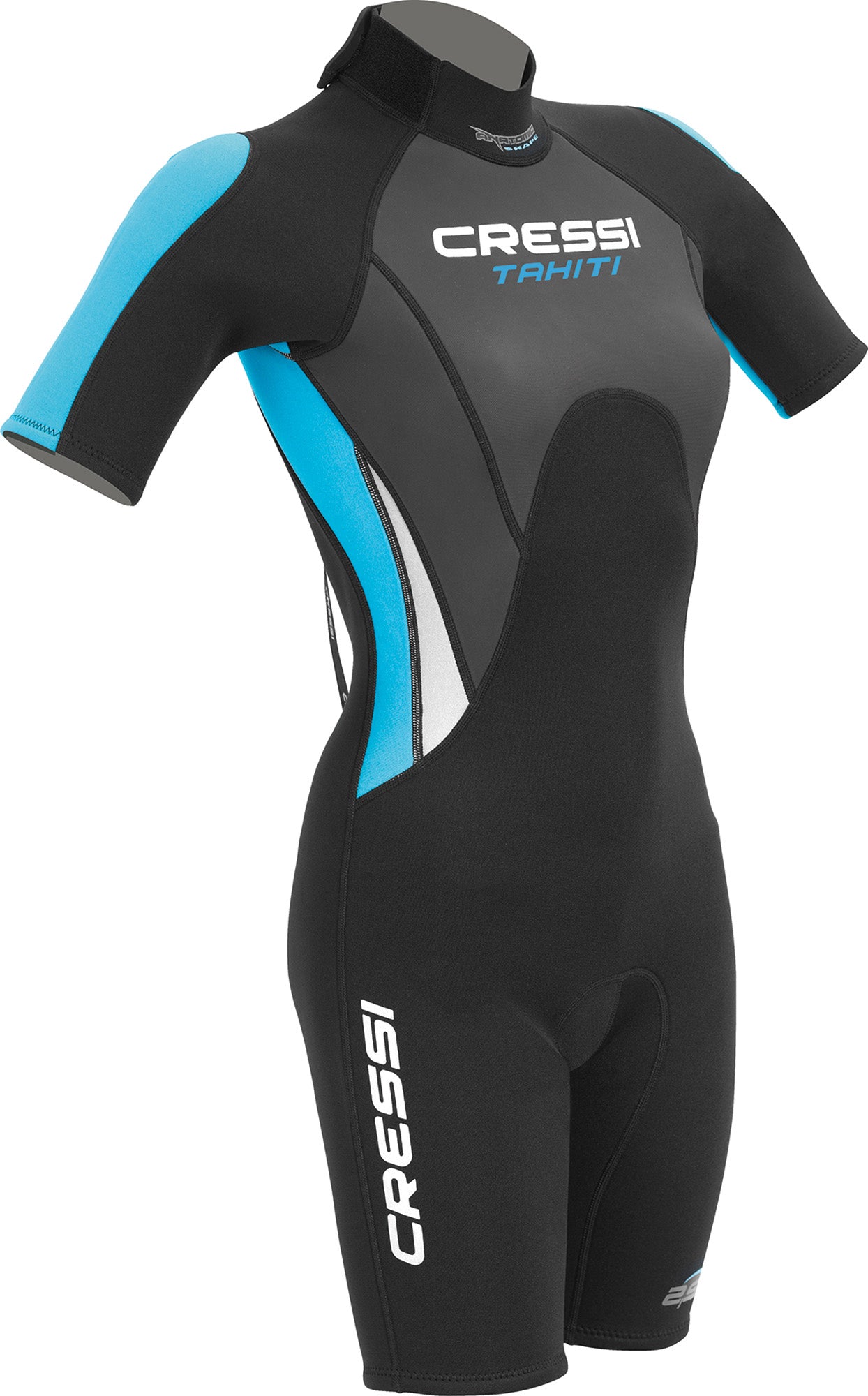
Opting for high-quality swimwear designed for cold water swimming is crucial. Look for materials that provide insulation while allowing freedom of movement. Neoprene swimwear, such as vests or full suits, can offer additional warmth without compromising flexibility. It's important to ensure a snug fit to minimize water entry and maximize the insulating properties of the gear.
In addition to swimwear, accessories like goggles with UV protection and anti-fog features are essential for clear vision underwater. Earplugs can prevent cold water from entering the ears, reducing the risk of discomfort and potential ear infections. A thermos of warm beverage post-swim can aid in raising core body temperature and warding off the chill after exiting the water.
In conclusion, swimming in cold water without a wetsuit is an adventure that offers unique challenges and rewards. It's a journey that requires preparation, respect for the elements, and a willingness to embrace the cold. For those who undertake this journey, the experience is transformative, offering a deeper connection with nature, enhanced physical and mental health, and a profound sense of accomplishment.
Ready to dive deeper into your aquatic adventures? Whether you're looking to enhance your cold water swimming experience or explore the underwater world, Lancaster Scuba has you covered. With our extensive selection of high-quality gear, expert diving instruction, and thrilling travel opportunities, you're set for success in any water environment. Check out our scuba gear today and gear up for your next dive, travel, and beyond. Dive into excellence with Lancaster Scuba—where your underwater journey begins.


{"one"=>"Select 2 or 3 items to compare", "other"=>"{{ count }} of 3 items selected"}