

Exploring the Depths: Spearfishing in San Diego
Dive into the exhilarating world of spearfishing in San Diego! Discover the best spots, techniques, and gear for an unforgettable underwater adventure.
Read now
In the vast, open embrace of the ocean, spearfishing emerges not just as a sport but as a dance with the primal elements of nature. It's a pursuit that demands skill, patience, and a deep understanding of one's own limits and capabilities. Central to this ancient practice is the art of breath-holding—a skill that, when mastered, not only enhances safety and performance but also connects the spearfisher with the serene beauty of the underwater world.
At the heart of spearfishing lies the challenge of holding one's breath underwater, a practice that dates back thousands of years. It's a skill that transforms an ordinary dive into a journey of self-discovery and adventure. Understanding the intricacies of breath-hold can elevate the experience, making each dive not just a hunt but a step closer to mastering the ocean's depths.
For spearfishers, the ability to hold one's breath is not just about staying underwater longer; it's about becoming one with the environment. It allows for a quieter approach to prey, minimizing disturbances in the water. This skill is essential for the successful spearfisher, turning each dive into an opportunity to harmonize with the aquatic realm.
Moreover, mastering breath-hold techniques is crucial for safety. It reduces the risk of shallow water blackout—a dangerous condition that can occur when divers lose consciousness due to a lack of oxygen. Understanding and respecting one's limits is a fundamental aspect of spearfishing, ensuring that each dive is both successful and safe.
Improving breath-hold capacity is a gradual process that involves both physical and mental preparation. It begins with conditioning the body to optimize oxygen use and training the mind to remain calm under pressure. Techniques such as static apnea training, where one holds their breath in a controlled environment, can significantly enhance breath-hold times.
Regular practice is key to progress. Starting with short intervals and gradually increasing the duration of breath-holds can help build tolerance and confidence. Additionally, incorporating relaxation and visualization techniques can improve performance, making each breath-hold not just longer but also more serene.
The human body's response to breath-holding is a fascinating aspect of spearfishing, revealing the depth of our connection to the natural world. By delving into the physiological changes that occur during a breath-hold, spearfishers can better understand their capabilities and limitations, enhancing both safety and performance.
Oxygen plays a critical role in breath-hold diving, serving as the fuel that powers our muscles and organs. As we hold our breath, oxygen levels decrease while carbon dioxide levels increase, signaling the brain to breathe. Managing this delicate balance is crucial for extending breath-hold times while maintaining safety.
Training can help the body become more efficient at using oxygen and tolerating higher levels of carbon dioxide. This adaptation allows spearfishers to remain underwater longer, giving them a greater opportunity to approach their target stealthily and with precision.
One of the most remarkable aspects of breath-hold diving is the activation of the mammalian dive reflex. This innate response, shared with aquatic mammals, optimizes the body for underwater survival. It includes the conservation of oxygen, reduction of heart rate, and the redirection of blood flow to vital organs.
Understanding and leveraging the mammalian dive reflex can significantly enhance breath-hold capabilities. It's a testament to our deep-seated connection with the ocean, a reminder of our shared heritage with the creatures of the deep.
Developing a longer breath-hold is a journey that requires dedication, patience, and the right training techniques. By incorporating specific exercises and practices into their routine, spearfishers can steadily improve their breath-hold times, unlocking new levels of adventure and discovery beneath the waves.
Static apnea training is a foundational practice for improving breath-hold. It involves holding one's breath while stationary, either on land or in water. This practice helps in conditioning the body to better manage oxygen and carbon dioxide, enhancing both breath-hold duration and comfort underwater.
Starting with manageable intervals and gradually increasing the duration of breath-holds can lead to significant improvements. It's essential, however, to always practice static apnea with a partner or in a controlled environment to ensure safety.
Dynamic apnea training, which involves swimming underwater on a single breath, is another effective method for improving breath-hold for spearfishing. It simulates the conditions of a spearfishing dive, allowing practitioners to develop both their breath-hold and swimming efficiency.
Incorporating freediving techniques, such as proper finning, relaxation, and equalization, can further enhance underwater performance. These skills not only extend breath-hold times but also contribute to a safer and more enjoyable spearfishing experience.
While physical training is crucial for improving breath-hold capacity, mental focus and relaxation techniques are equally important. Spearfishers often face challenging underwater environments that require a calm and focused mindset. By incorporating mindfulness practices, visualization exercises, and meditation into their routine, divers can enhance their ability to stay composed and extend their breath-hold durations.
Visualization techniques involve mentally rehearsing the dive, envisioning a successful hunt, and picturing oneself moving gracefully underwater. This not only prepares the mind for the challenges ahead but also instills confidence and reduces anxiety, leading to improved performance and longer breath-hold times.
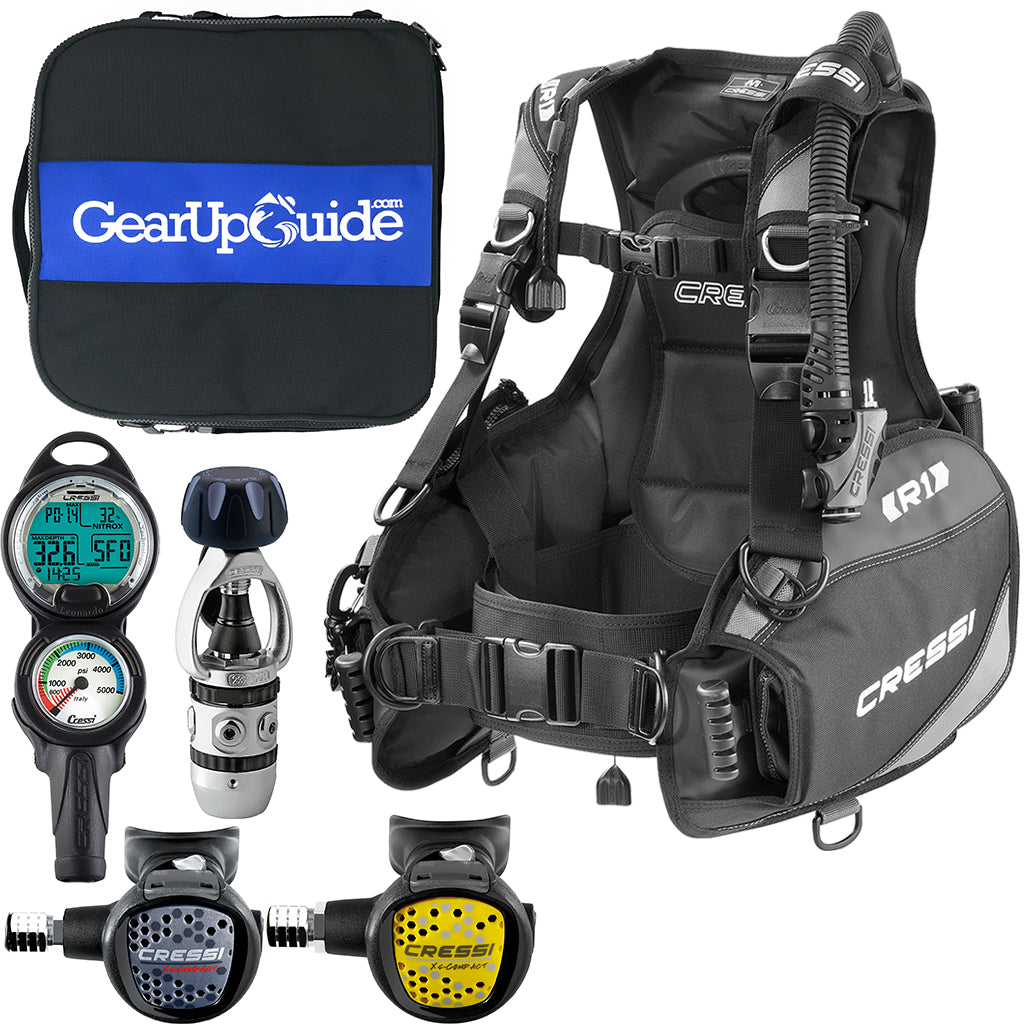
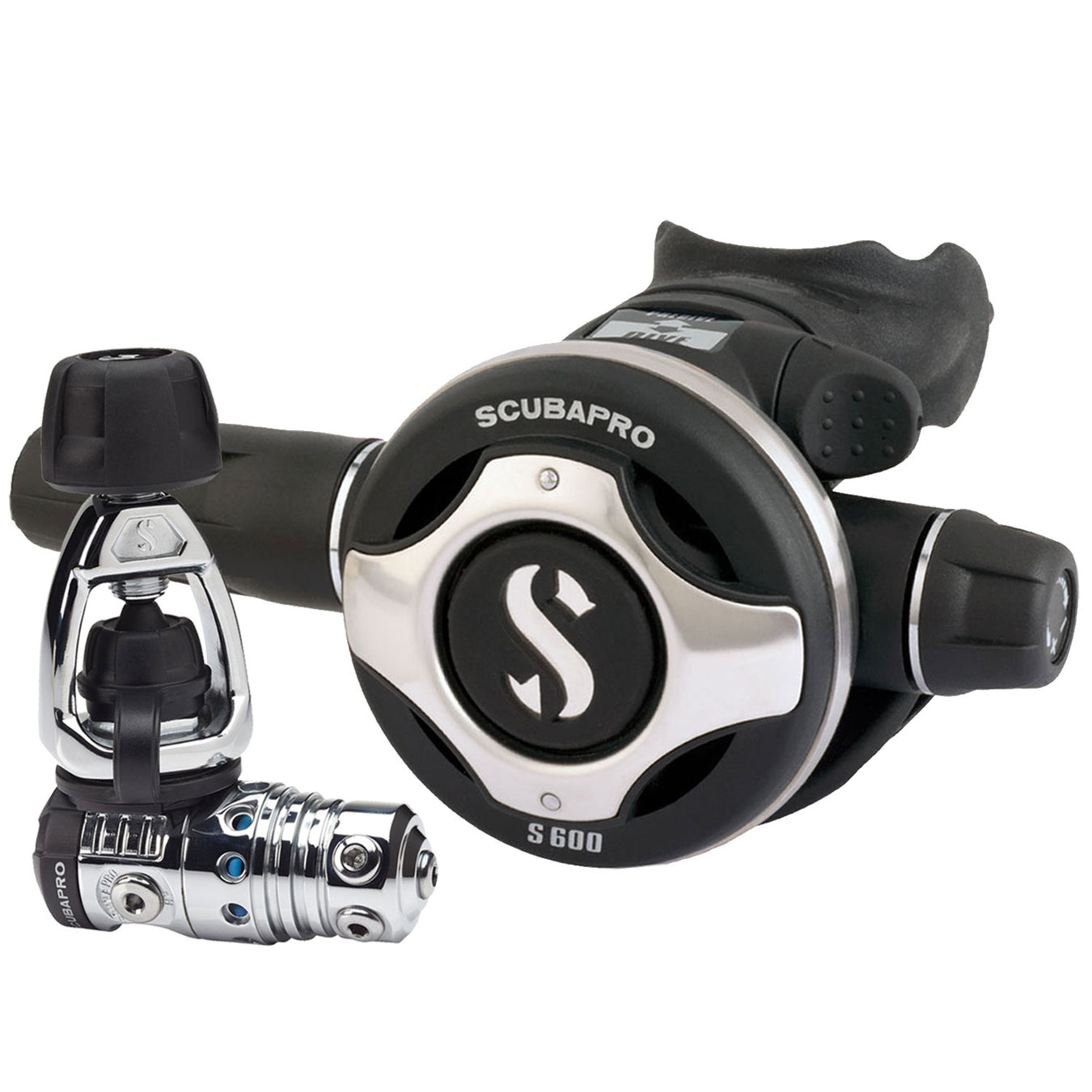
Choosing the right equipment is essential for safe and successful breath-hold diving. Spearfishers must select gear that enhances their performance, provides comfort underwater, and ensures their safety throughout the dive. From wetsuits to fins, each piece of equipment plays a crucial role in optimizing the breath-hold experience.
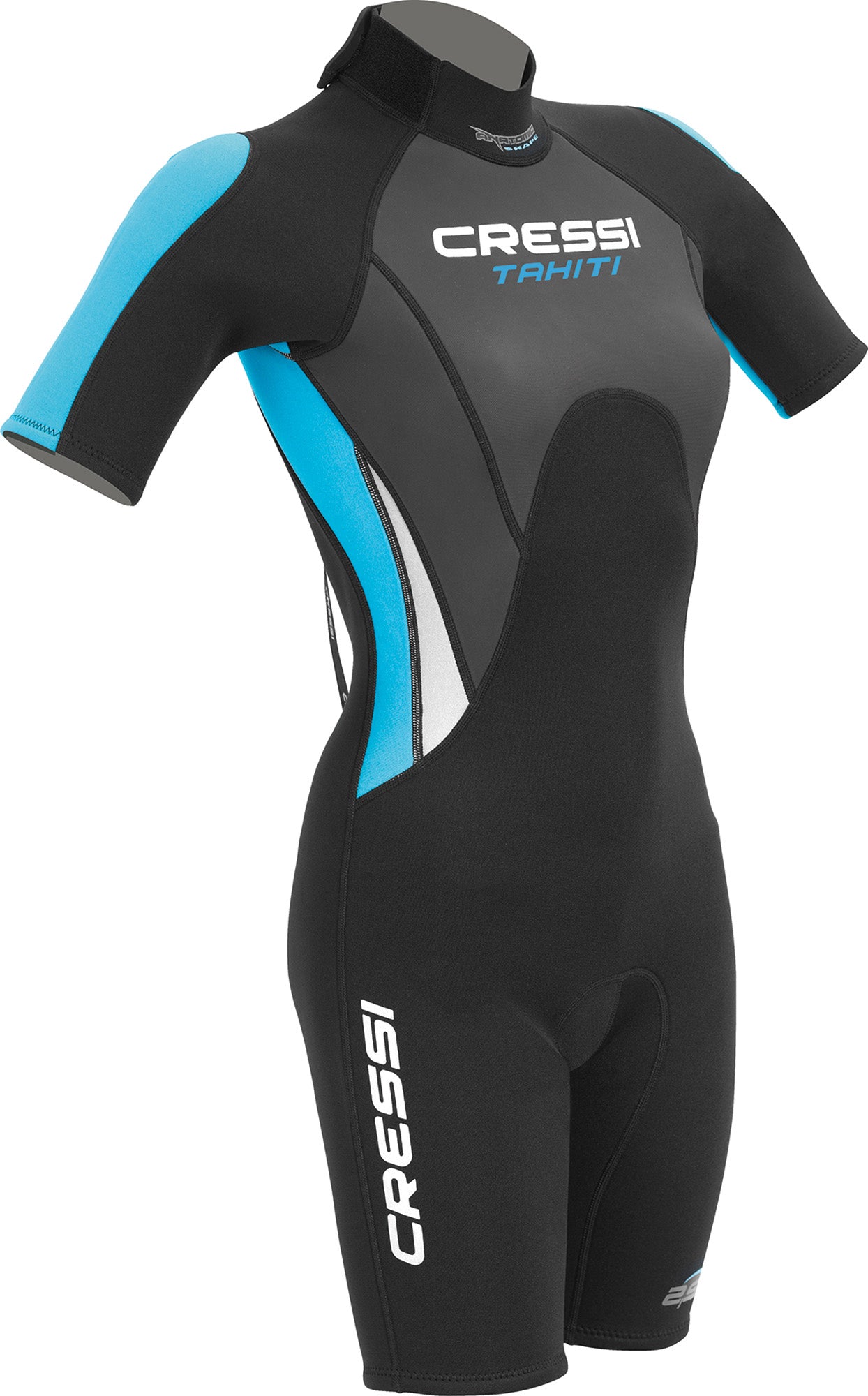
Wetsuits not only keep spearfishers warm in cold waters but also provide protection against abrasions and stings. Selecting a wetsuit that fits well and offers flexibility is key to unrestricted movement and comfort during breath-hold dives. Buoyancy compensators help divers achieve neutral buoyancy, conserving energy and allowing for effortless descents and ascents.
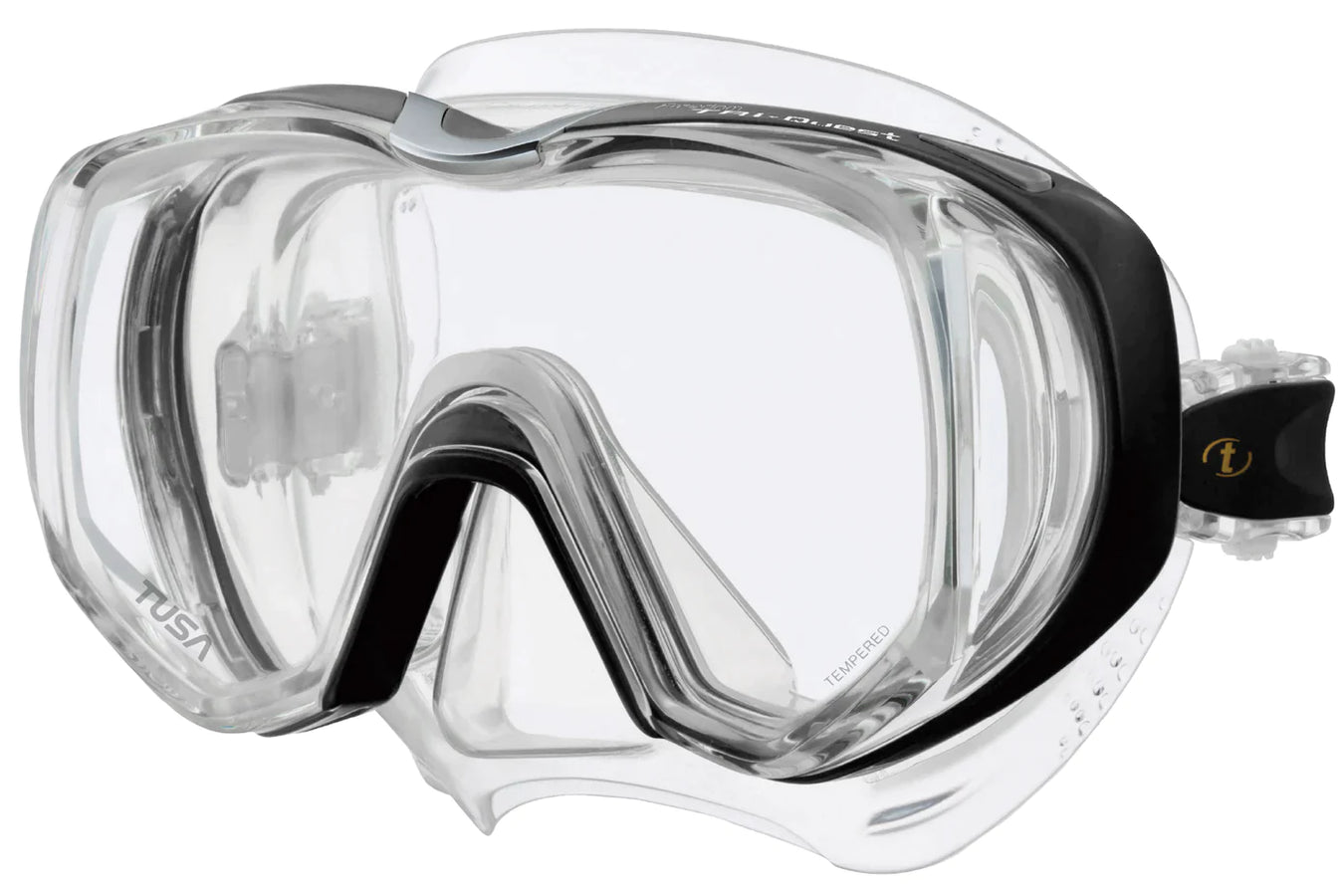
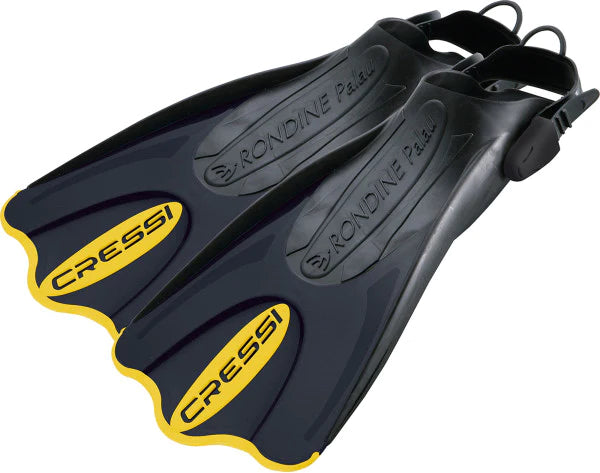
Choosing the right fins is essential for efficient propulsion and maneuverability underwater. Long-bladed fins are favored for spearfishing as they require less effort to move through the water, conserving energy and extending dive times. Masks with low volume and comfortable seals ensure clear vision and a secure fit, enhancing the overall diving experience.
In addition to standard diving gear, spearfishers should always carry safety equipment such as dive knives, signaling devices, and emergency oxygen kits. These tools can be invaluable in emergency situations, providing a sense of security and preparedness during breath-hold dives. Properly maintaining and regularly inspecting safety equipment is essential to ensure its reliability when needed.
Effective navigation is crucial for successful spearfishing expeditions, especially when breath-hold diving. Understanding underwater topography, currents, and landmarks can help spearfishers locate prime hunting grounds, conserve energy, and ensure a safe return to the surface. By mastering navigation techniques, divers can maximize their time underwater and optimize their breath-hold dives.
Observing natural markers such as rock formations, coral formations, and underwater vegetation can aid in navigation during breath-hold dives. These landmarks serve as reference points, guiding spearfishers to familiar hunting spots and helping them maintain their bearings in the vast underwater environment. By honing their ability to recognize and utilize natural markers, divers can navigate with confidence and precision.
Knowledge of ocean currents is essential for efficient movement underwater and strategic hunting. Spearfishers should familiarize themselves with local currents, their direction, and intensity to plan their dives effectively. Utilizing currents to conserve energy during descents and ascents can extend dive times and enhance the overall spearfishing experience.
Equipping oneself with dive watches and compasses can significantly aid in underwater navigation and time management. Dive watches provide essential information such as dive duration, depth, and surface intervals, allowing spearfishers to track their performance and stay within safe limits. Compasses help maintain direction and orientation, ensuring divers can navigate back to their entry point with precision.
In the realm of spearfishing, mastering the art of breath-hold is a journey of adventure, self-discovery, and connection with the natural world. It's a skill that not only enhances the practical aspects of the sport but also deepens the spiritual bond between the spearfisher and the ocean. With the right training, understanding, and respect for safety, the art of breath-hold opens the door to a world of underwater wonders, waiting to be explored.
Ready to dive deeper into the world of spearfishing and breath-hold mastery? Lancaster Scuba is your gateway to the finest gear and expert guidance. Whether you're just starting out or looking to refine your skills, our selection of top-tier scuba equipment and PADI-certified courses will equip you for success. Embrace the "Gear. Dive. Travel." experience and transform your aquatic adventures. Check out our scuba gear today and take the first step towards unlocking the treasures of the deep.


{"one"=>"Select 2 or 3 items to compare", "other"=>"{{ count }} of 3 items selected"}