

Exploring the Depths: Spearfishing in San Diego
Dive into the exhilarating world of spearfishing in San Diego! Discover the best spots, techniques, and gear for an unforgettable underwater adventure.
Read now
In the vast, open embrace of the ocean, spearfishing stands out as an adventure that combines skill, patience, and respect for marine life. Among the essential techniques that every spearfisher must master, the art of bleeding a fish is paramount. This practice is not only about honoring the catch but ensuring the quality of the meat and contributing to sustainable fishing practices. In this comprehensive guide, we delve into the intricacies of how to bleed a fish in spearfishing, a skill that enriches the experience and deepens the connection between the spearfisher and the marine environment.
Bleeding a fish immediately after the catch is a practice steeped in both tradition and practicality. It's a step that underscores the spearfisher's commitment to sustainability and ethical fishing. Let's explore the reasons behind this crucial technique and how it impacts the quality of your catch.
The primary reason for bleeding a fish is to remove blood, which contains impurities and bacteria that can affect the taste and longevity of the meat. By properly bleeding the fish, you ensure that the flesh remains pristine, with a clean, fresh flavor that is highly sought after in culinary circles. This practice is especially important for species known for their rich and delicate flavors, where the quality of the meat is paramount.
Moreover, bleeding reduces the risk of spoilage. Blood left in the fish can accelerate decomposition, affecting the texture and overall quality of the meat. For spearfishers who pride themselves on the freshness of their catch, this step is indispensable.
Beyond the practical benefits, bleeding a fish is a gesture of respect towards the marine life that sustains our passion for spearfishing. It ensures a quick and humane end for the fish, minimizing suffering and acknowledging the value of the life taken. This practice reflects the ethos of the spearfishing community, which emphasizes harmony with the ocean and its inhabitants.
Mastering the technique of bleeding a fish is a rite of passage for spearfishers. It's a skill that marries precision with swift action, ensuring the integrity of the catch while honoring the life of the fish. Here's a detailed walkthrough of the process.
Before attempting to bleed your catch, it's crucial to prioritize safety—for both the spearfisher and the fish. Ensure that you have a sharp knife specifically designed for the task, and always keep the blade away from your body. Wearing gloves can provide additional protection and grip, especially in wet conditions.
It's also important to secure the fish properly. A thrashing fish can pose a danger, so immobilize it by holding it firmly behind the head or using a fish stringer. This not only makes the process safer but also more humane, as it reduces the stress on the fish.
The effectiveness of bleeding a fish depends on cutting the right areas to ensure rapid blood loss. The gill arches are the primary target, as severing the arteries here will quickly bleed the fish. Another method involves cutting the throat latch or making an incision near the tail, severing the main artery.
Each species may require a slightly different approach, depending on the anatomy of the fish. Familiarizing yourself with the specific bleeding points of your target species can enhance the efficiency of the process.
With the fish secured and the bleeding point identified, make a firm, decisive cut. If targeting the gills, insert the knife into the gill cavity and slice through the arches, taking care not to damage the meat. For the tail cut, locate the artery near the base of the tail and make a clean incision.
After the cut, immerse the fish in seawater to facilitate the bleeding process. This not only helps remove the blood more effectively but also cools the meat, further preserving its quality.
Bleeding the fish is just the first step in ensuring the quality of your catch. Proper aftercare and preservation are crucial to maintaining the freshness and flavor of the meat until it reaches the table.
After bleeding, it's essential to cool the fish as quickly as possible. This slows down bacterial growth and preserves the texture of the meat. Using a cooler filled with ice or a mixture of ice and seawater can achieve this, mimicking the fish's natural environment and ensuring optimal freshness.
Proper storage is key to maintaining the quality of your catch during transport. Fish should be stored in a clean, insulated cooler, ideally with a drain to remove excess water. Ensure that the fish remains covered with ice and avoid stacking them on top of each other to prevent bruising and damage to the flesh.
While the general process of bleeding a fish remains consistent, it's essential to consider how different species may require specific techniques for optimal results. For example, oily fish like tuna benefit greatly from bleeding as it helps remove excess blood and oil, enhancing the flavor and texture of the meat.
On the other hand, white fish such as snapper may require a slightly different approach due to their anatomy. Understanding the unique characteristics of each species you target can elevate your bleeding technique and ensure the best possible outcome in terms of meat quality.
Some fish have thicker blood vessels or different circulatory systems, necessitating adjustments in your bleeding method. For instance, fish with a strong heart may require additional care to ensure complete bleeding. Tailoring your approach based on the species you encounter showcases a deep understanding of marine life and a commitment to preserving the quality of your catch.
Across different cultures and regions, traditional methods of bleeding fish have been passed down through generations, each with its unique rituals and significance. These practices often reflect a deep connection to the sea and a profound respect for the bounty it provides. By exploring traditional techniques, spearfishers can gain a richer understanding of the historical context of bleeding fish.
In some cultures, bleeding a fish is accompanied by ceremonial gestures or prayers, symbolizing gratitude for the sustenance it offers. These rituals not only honor the fish but also acknowledge the interconnectedness of all life forms in the marine ecosystem. Embracing traditional practices can add a spiritual dimension to the act of bleeding, transforming it into a profound expression of reverence for nature.
Traditional methods of bleeding often involve specific cuts and rituals that have been refined over centuries. By learning these techniques, modern spearfishers can tap into a wealth of knowledge accumulated through years of experience and observation. Incorporating traditional practices into contemporary spearfishing not only enriches the cultural tapestry of the sport but also deepens the appreciation for the art of bleeding a fish.
Bleeding a fish in spearfishing is more than just a technique; it's a testament to the spearfisher's respect for the ocean and its inhabitants. It embodies the principles of sustainability, ethical fishing, and the pursuit of quality that define the spearfishing community. By mastering this skill, spearfishers not only enhance the culinary value of their catch but also deepen their connection to the marine world, embarking on each adventure with a sense of responsibility and reverence.
As we navigate the waters, spear in hand, let us remember the importance of our actions and the impact they have on the delicate balance of marine life. The art of bleeding a fish is a step towards a more sustainable and respectful relationship with the ocean, a journey that each of us can contribute to, one catch at a time.
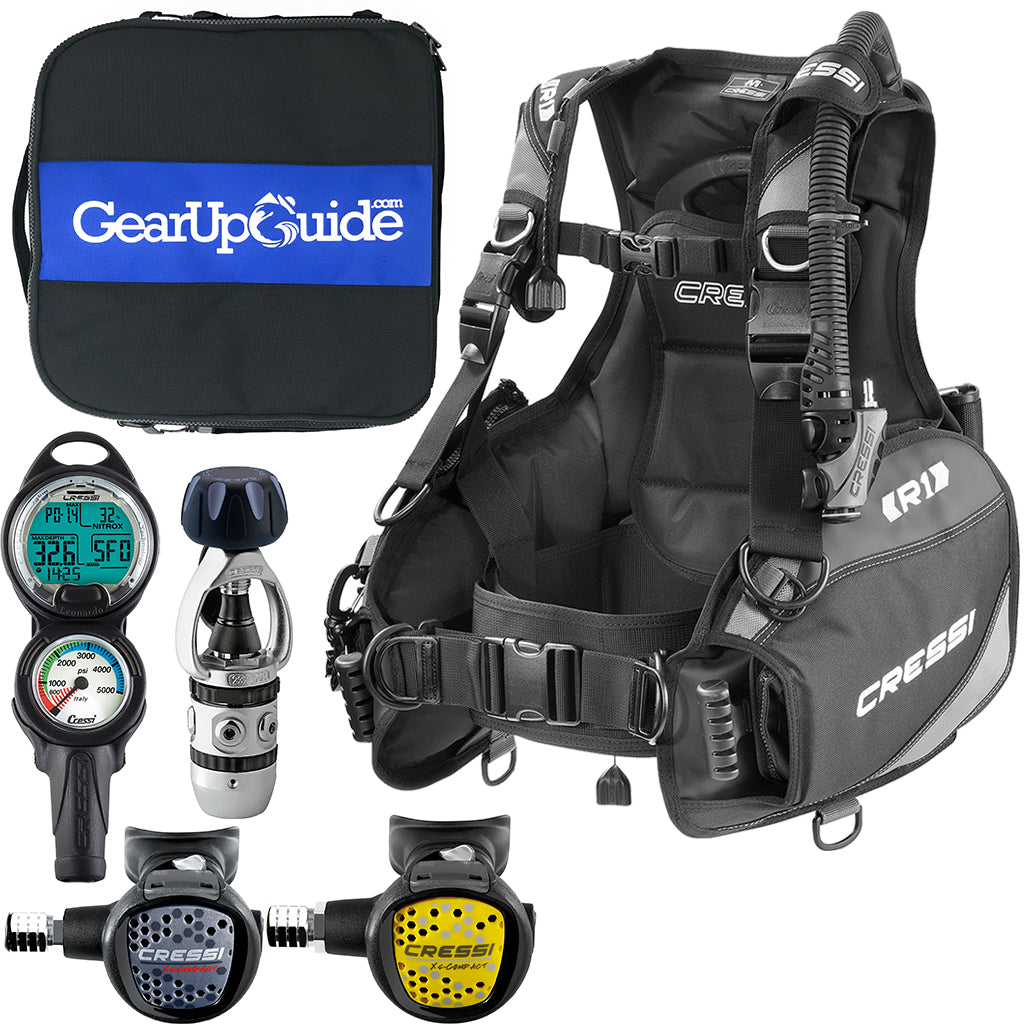
As you refine your skills in the ethical art of spearfishing, having the right gear is essential. Lancaster Scuba is your trusted partner in this journey, offering top-notch equipment that meets all your underwater needs. From spearfishing essentials to scuba gear that stands up to the rigors of the deep, we have you covered. Check out our scuba gear and embark on your next underwater adventure with confidence, knowing you're well-equipped to honor the ocean's bounty responsibly.


{"one"=>"Select 2 or 3 items to compare", "other"=>"{{ count }} of 3 items selected"}