

Exploring the Depths: Spearfishing in San Diego
Dive into the exhilarating world of spearfishing in San Diego! Discover the best spots, techniques, and gear for an unforgettable underwater adventure.
Read now
In the vast, open ocean, where the dance of marine life plays out beneath the waves, spearfishing emerges not just as a sport but as an adventure that connects us more deeply with the natural world. At its heart, the challenge of spearfishing is not just in the hunt but in understanding the intricate behaviors of fish, learning how to attract them close enough for a successful catch. This journey into the underwater realm is filled with lessons on patience, skill, and respect for the marine environment.
Before delving into the strategies for attracting fish, it's essential to grasp the essence of spearfishing. It's a pursuit that combines ancient techniques with modern technology and knowledge, offering a unique way to interact with the ocean's mysteries. The foundation of successful spearfishing lies in understanding the species you're targeting, their habits, and the environment they inhabit.
At the core of spearfishing is a deep understanding of fish behavior. Fish, like all creatures, follow specific patterns and routines dictated by their need to feed, reproduce, and survive. By studying these patterns, spearfishers can anticipate where and when certain fish might be found. Factors such as water temperature, time of day, and season play significant roles in determining fish behavior.
For instance, many species are more active during dawn and dusk, making these ideal times for spearfishing. Additionally, understanding the types of environments your target species prefers, whether it's rocky reefs, sandy bottoms, or seagrass beds, can significantly increase your chances of a successful hunt.
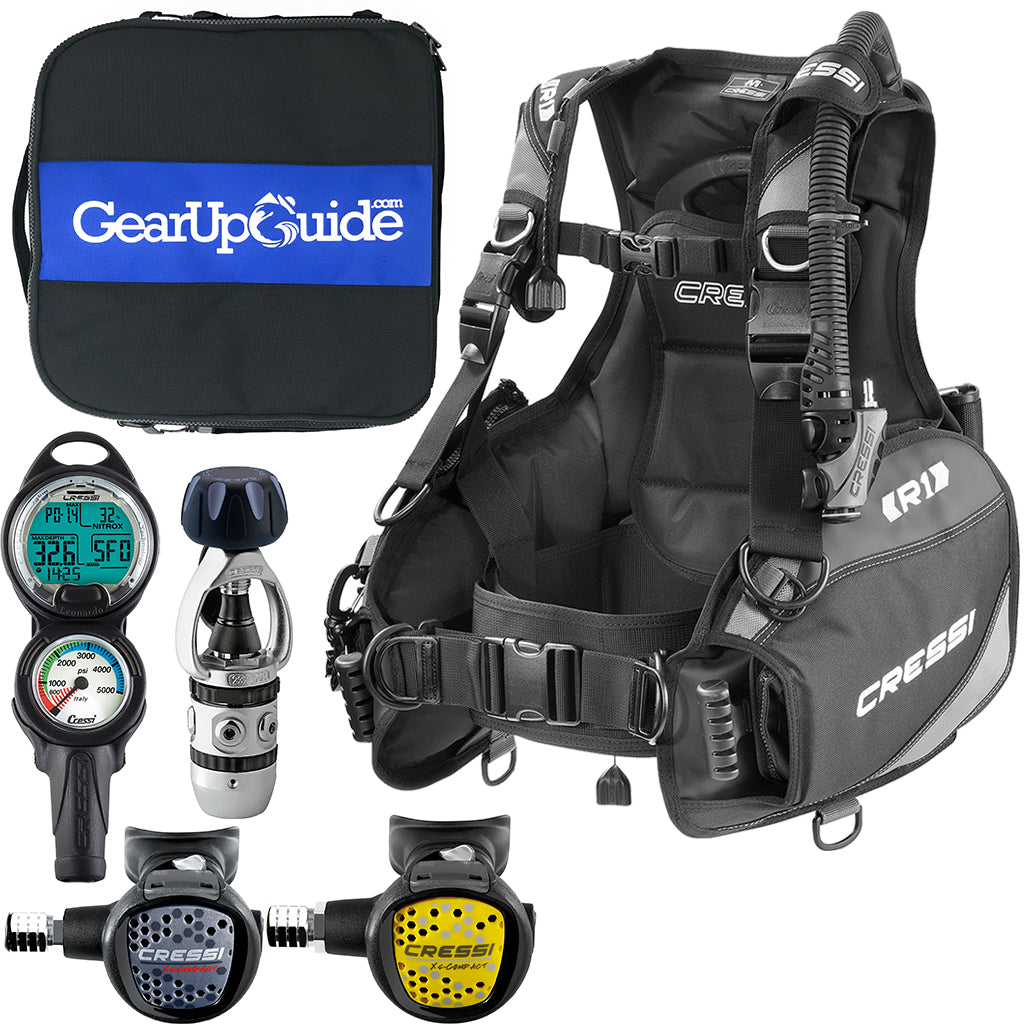
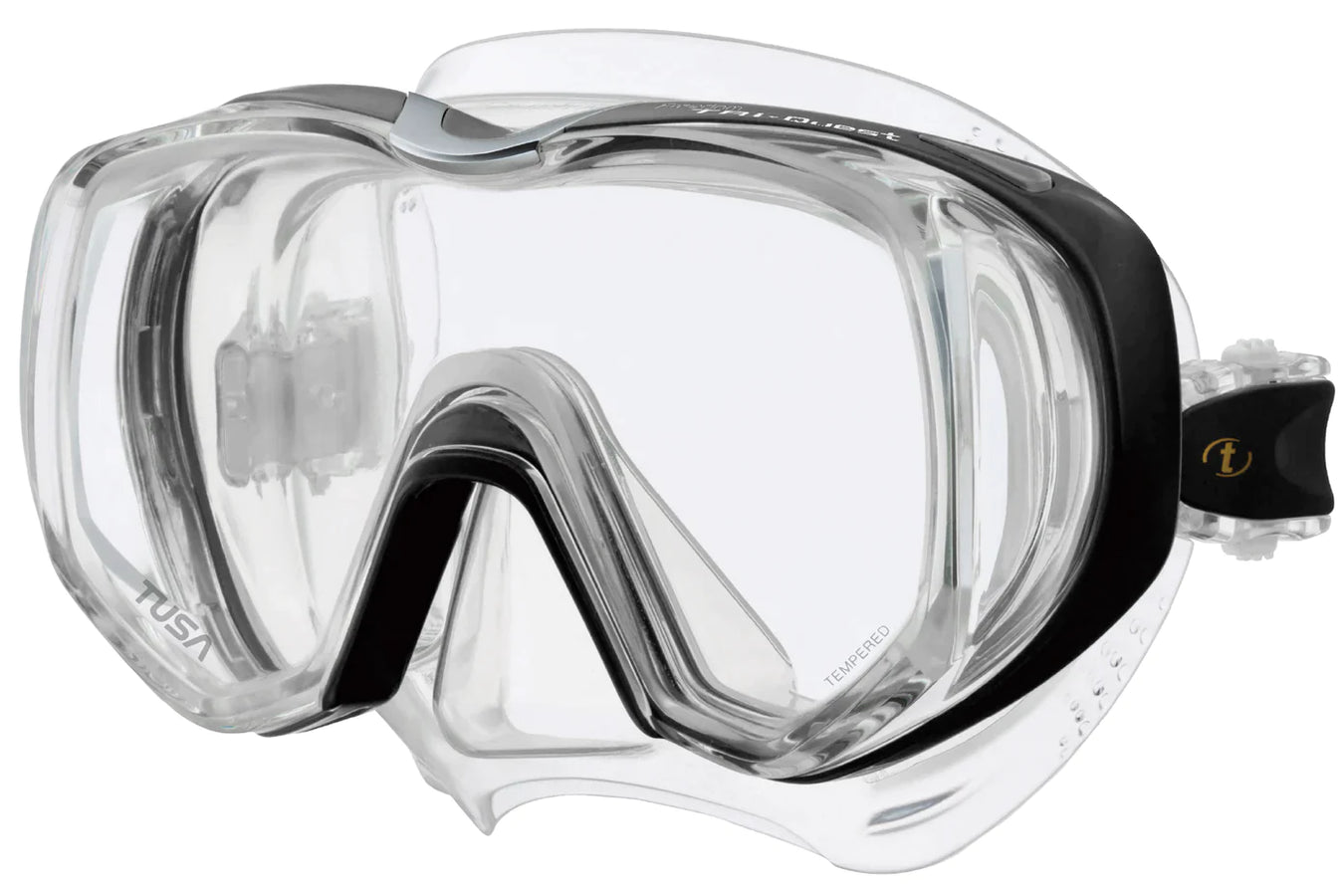
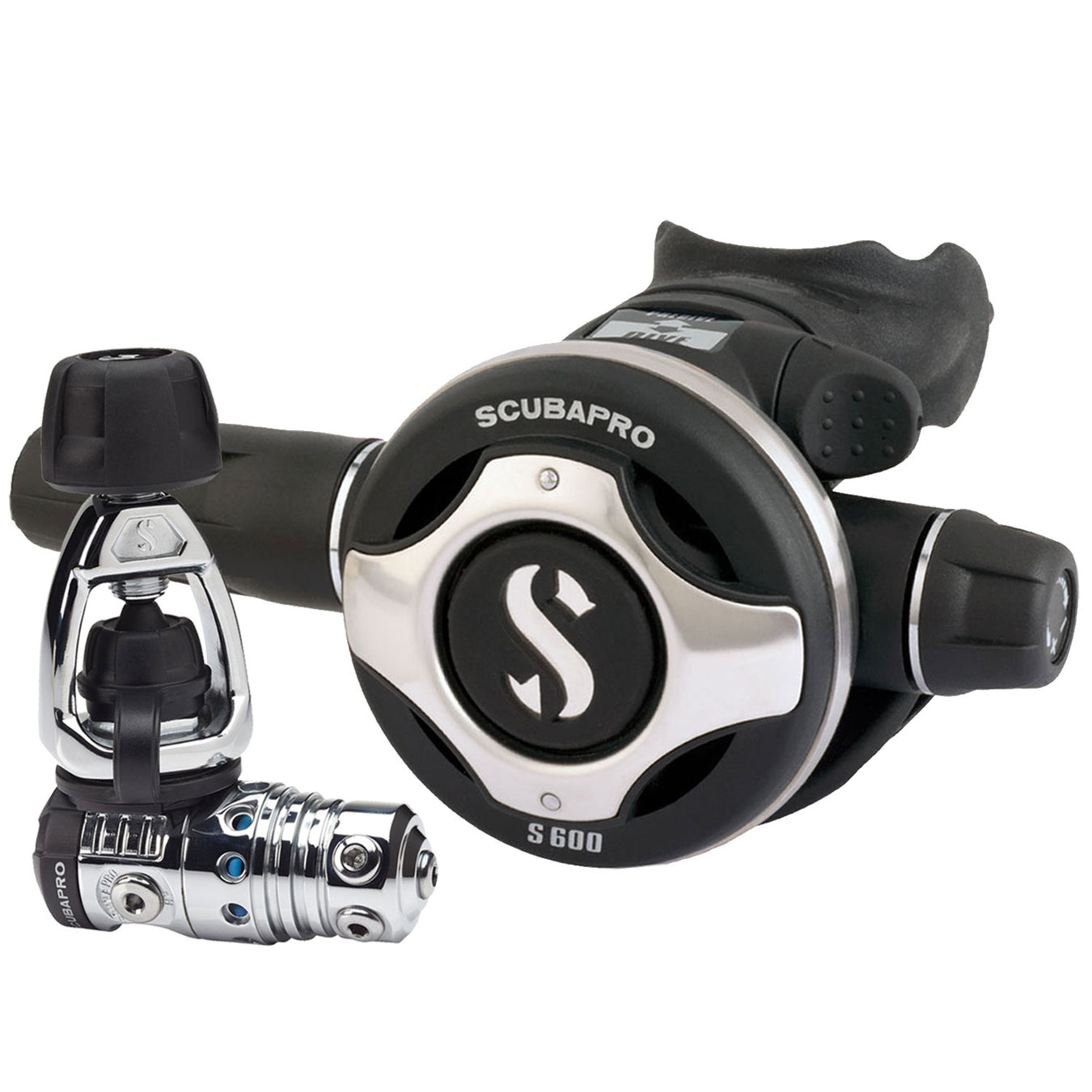
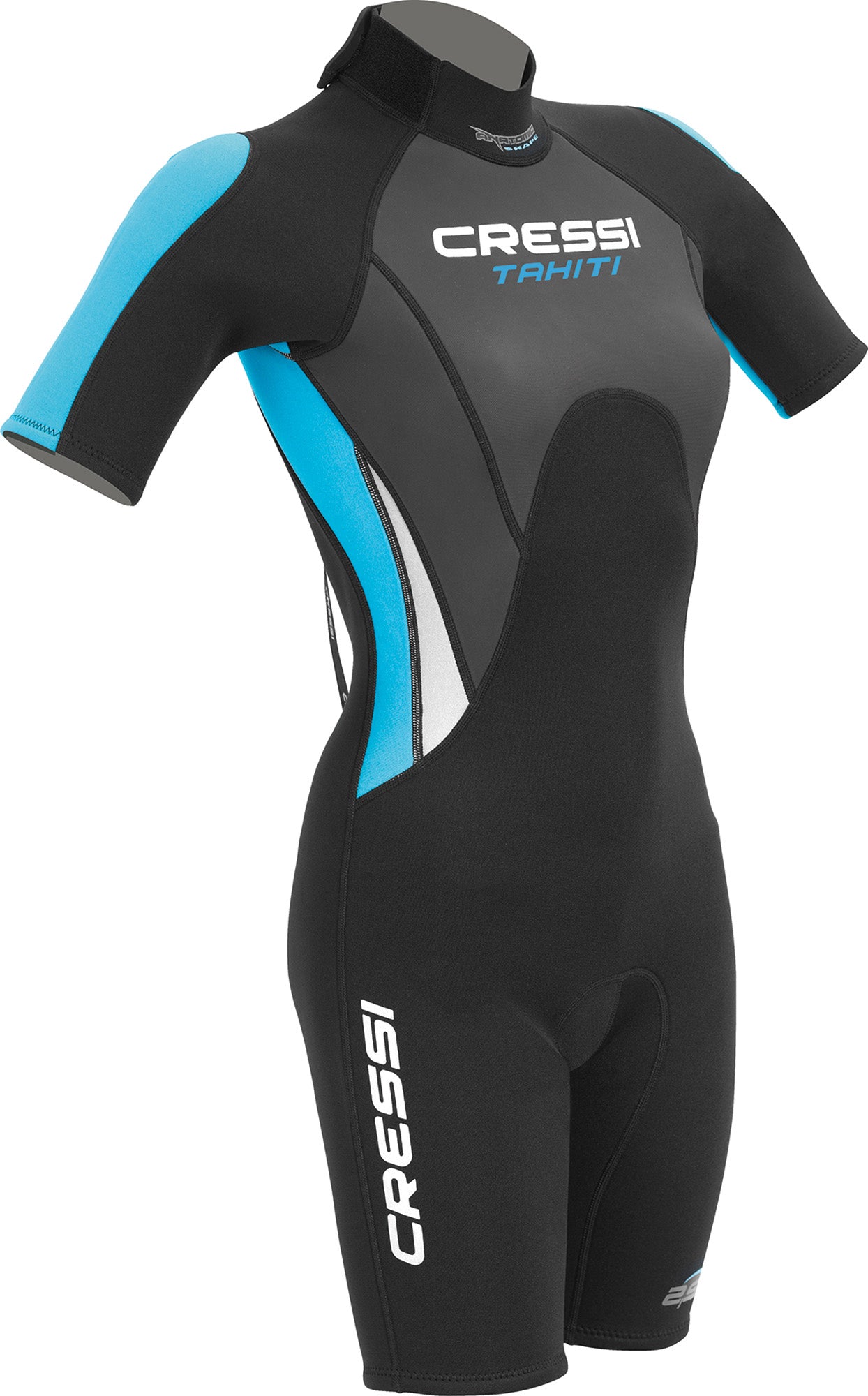
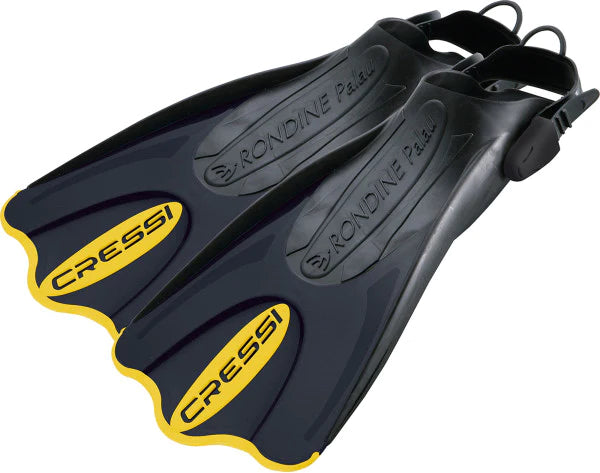
The right equipment is crucial in spearfishing, not just for effectiveness but for safety as well. A spearfisher's gear might include a speargun or pole spear, a dive knife, fins, a mask, a snorkel, and a wetsuit for protection and buoyancy control. Each piece of equipment should be chosen with care, considering the specific conditions and the fish you aim to attract.
For example, the choice between a speargun and a pole spear can depend on the size and type of fish targeted, as well as the spearfisher's experience level. Similarly, the selection of spear tips can be crucial, with different tips designed for penetration, holding power, or a combination of both.
With a solid understanding of fish behavior and the right equipment in hand, the next step is to employ techniques that can attract fish within range. These methods vary widely, from using natural baits to mimicking the sounds and movements of prey.
Chumming is a technique that involves dispersing small pieces of fish or other bait into the water to attract predatory fish. The scent and visual appeal of the chum can draw fish from a wide area. However, it's essential to use chum sparingly and responsibly, as overuse can disrupt natural feeding behaviors and attract unwanted species.
Safety is also a paramount concern when chumming. Spearfishers must be aware of their surroundings and prepared for the arrival of potentially dangerous predators. It's recommended to chum in a controlled manner, keeping a safe distance from the chum line and being vigilant at all times.
Another effective technique is to mimic the sounds and movements of prey. This can be achieved through various means, such as tapping on the side of your speargun or using specialized lures that replicate the vibrations of distressed fish. The key is to create a realistic portrayal of prey that piques the curiosity of predatory fish, drawing them closer for investigation.
It's worth noting that this technique requires patience and practice. The movements and sounds must be subtle enough to intrigue fish without startling them. Observing the reactions of fish and adjusting your approach accordingly is crucial for success.
As with any form of hunting, spearfishing carries a responsibility to the environment and the species within it. Ethical spearfishing practices ensure that the sport can be enjoyed by future generations while minimizing the impact on marine ecosystems.
One of the pillars of ethical spearfishing is selective hunting. This means targeting only species that are abundant and avoiding those that are overfished or critical to the ecosystem's health. It also involves choosing only fish of appropriate size, leaving smaller, younger fish to grow and reproduce.
Selective hunting not only supports sustainable fishing practices but also challenges the spearfisher to improve their skills, aiming for specific targets rather than shooting indiscriminately.
Respect for marine life and their habitat is fundamental. This includes minimizing disturbance to the underwater environment, such as avoiding damage to coral reefs and seagrass beds. Spearfishers should also practice catch and release when appropriate, especially if a fish is accidentally speared that does not meet size or species regulations.
By adhering to these ethical guidelines, spearfishers contribute to the conservation of marine ecosystems, ensuring that the adventure of spearfishing can be shared with generations to come.
For seasoned spearfishers looking to enhance their skills, there are advanced techniques that can be employed to attract elusive or wary fish species. These methods require a deeper understanding of fish behavior and a high level of proficiency in spearfishing.
One advanced technique involves mastering the art of camouflage and stealth. By blending in with the underwater environment and moving silently, spearfishers can approach fish without alerting them. This requires wearing specialized camouflage wetsuits and fins that help break up the human silhouette and reduce visibility.
Additionally, practicing controlled breathing and slow, deliberate movements can further enhance stealth, allowing spearfishers to get closer to their targets without causing alarm.
Another advanced technique is the use of artificial lights to attract fish during night dives. Many fish species are more active at night, and the strategic use of lights can draw them in for a closer look. Lights can mimic the bioluminescent glow of plankton or small fish, creating an enticing spectacle for nocturnal predators.
However, it's crucial to use lights responsibly, avoiding excessive brightness that can disorient or harm marine life. By mastering the art of lighting techniques, spearfishers can unlock new opportunities for successful catches in the dark depths of the ocean.
Physical conditioning and training play a vital role in spearfishing success. The sport requires a combination of strength, endurance, and agility to navigate the underwater world effectively. Spearfishers must maintain a high level of fitness to handle the challenges of breath-holding, swimming against currents, and carrying gear over long distances.
Cardiovascular fitness is essential for spearfishers, as it directly impacts their ability to hold their breath and dive to depths where fish may be found. Engaging in activities such as swimming, running, or cycling can improve lung capacity and overall endurance, allowing spearfishers to stay submerged for longer periods and cover greater distances underwater.
Interval training, which involves alternating between high-intensity bursts of activity and rest, can be particularly beneficial for building cardiovascular strength and simulating the demands of spearfishing dives.
Strength and flexibility are also crucial components of physical fitness for spearfishing. Spearfishers need strength to handle the resistance of water, maneuver their bodies effectively, and control their gear underwater. Additionally, flexibility is essential for performing fluid movements, reducing the risk of injury, and enhancing overall agility in the water.
Incorporating strength training exercises that target major muscle groups, such as the core, back, and legs, can improve overall performance and reduce fatigue during spearfishing expeditions. Stretching routines focused on key areas like the shoulders, hips, and legs can help maintain flexibility and prevent muscle strain while diving.
In conclusion, attracting fish while spearfishing is an art that blends knowledge, skill, and respect for the ocean. By understanding fish behavior, equipping oneself properly, and employing effective techniques, spearfishers can enhance their success rate and enjoyment of the sport. However, it's crucial to balance the thrill of the hunt with ethical practices and conservation efforts, preserving the marine world's beauty and diversity for future adventurers.
Ready to take your spearfishing adventure to the next level? Lancaster Scuba is your one-stop destination for all your underwater needs. With our extensive selection of top-quality scuba and water sports gear, you can find the perfect equipment to enhance your ability to attract and catch fish. Whether you're just starting out or looking to refine your skills with specialized spearfishing gear, our expert team is here to guide you. Check out our scuba gear and embark on your next underwater journey with confidence. Gear up, dive in, and explore the world beneath the waves with Lancaster Scuba.


{"one"=>"Select 2 or 3 items to compare", "other"=>"{{ count }} of 3 items selected"}