

Exploring the Depths: Spearfishing in San Diego
Dive into the exhilarating world of spearfishing in San Diego! Discover the best spots, techniques, and gear for an unforgettable underwater adventure.
Read now
If you're fascinated by the underwater world and looking to push your limits, mastering dynamic apnea is the ultimate goal. Dynamic apnea refers to the distance a freediver can cover horizontally underwater. It requires excellent breath-holding ability, endurance, and efficient technique. In this article, we will explore a range of top training techniques and tips to help you become a dynamic apnea master.
To become a dynamic apnea expert, it's crucial to have a consistent and effective training regimen. Here are some strategies to enhance your training and maximize your performance:
One of the key aspects of dynamic apnea is improving your breath-holding endurance. Incorporating specific exercises into your training routine can help you progress steadily.
Begin by practicing static apnea, which involves holding your breath while remaining still. Gradually increase the duration over time, aiming for shorter breaks between each attempt. This will improve your lung capacity and ability to handle the buildup of carbon dioxide.
Additionally, interval training can be highly effective. Alternate between periods of intensive breath-holding and active recovery, such as swimming or jogging. This technique simulates the demands of dynamic apnea and enhances your overall endurance.
Furthermore, to challenge yourself even further, you can introduce hypoxic training. This involves reducing the amount of oxygen available during your breath-holding exercises. By gradually decreasing the oxygen concentration, you can train your body to become more efficient at utilizing the limited oxygen available, ultimately improving your apnea endurance.
Once you've developed a solid foundation in breath-holding, it's time to introduce advanced techniques that will take your dynamic apnea skills to the next level.
A popular technique is the use of "packs." By performing a series of deep, controlled breaths prior to your dive, you can increase your lung capacity and oxygen saturation. This method allows you to push your limits and extend your underwater distances.
In addition to packs, another advanced technique is the incorporation of underwater streamline movements. By mastering proper body positioning and reducing water resistance, you can achieve faster and more efficient swims. Utilize your arms and legs in fluid, synchronized movements, and focus on maintaining a streamlined physique.
Moreover, mental preparation plays a significant role in dynamic apnea. Visualize your dives beforehand, imagining yourself effortlessly gliding through the water with each stroke. Practice relaxation techniques, such as deep breathing and meditation, to calm your mind and improve your focus. By training your mind to stay calm and composed, you'll be able to perform at your best during intense apnea sessions.
While dynamic apnea offers thrilling adventures and a unique connection to the underwater world, it is essential to approach it with caution. Understanding the risks associated with freediving is crucial for a safe and enjoyable experience.
When it comes to dynamic apnea, knowledge is power. Educating yourself about the common risks associated with freediving will help you make informed decisions and take necessary precautions. Let's take a closer look at some of these risks.
One of the primary dangers of dynamic apnea is shallow-water blackout, where a diver loses consciousness due to low oxygen levels. This can occur during ascent, making it critical to have a trained buddy who can monitor your dives and guide you safely back to the surface.
Another risk is barotrauma, which can happen when the pressure changes during descents and ascents, leading to ear and lung injuries. Proper equalization techniques and gradual depth progression are vital to mitigate this risk.
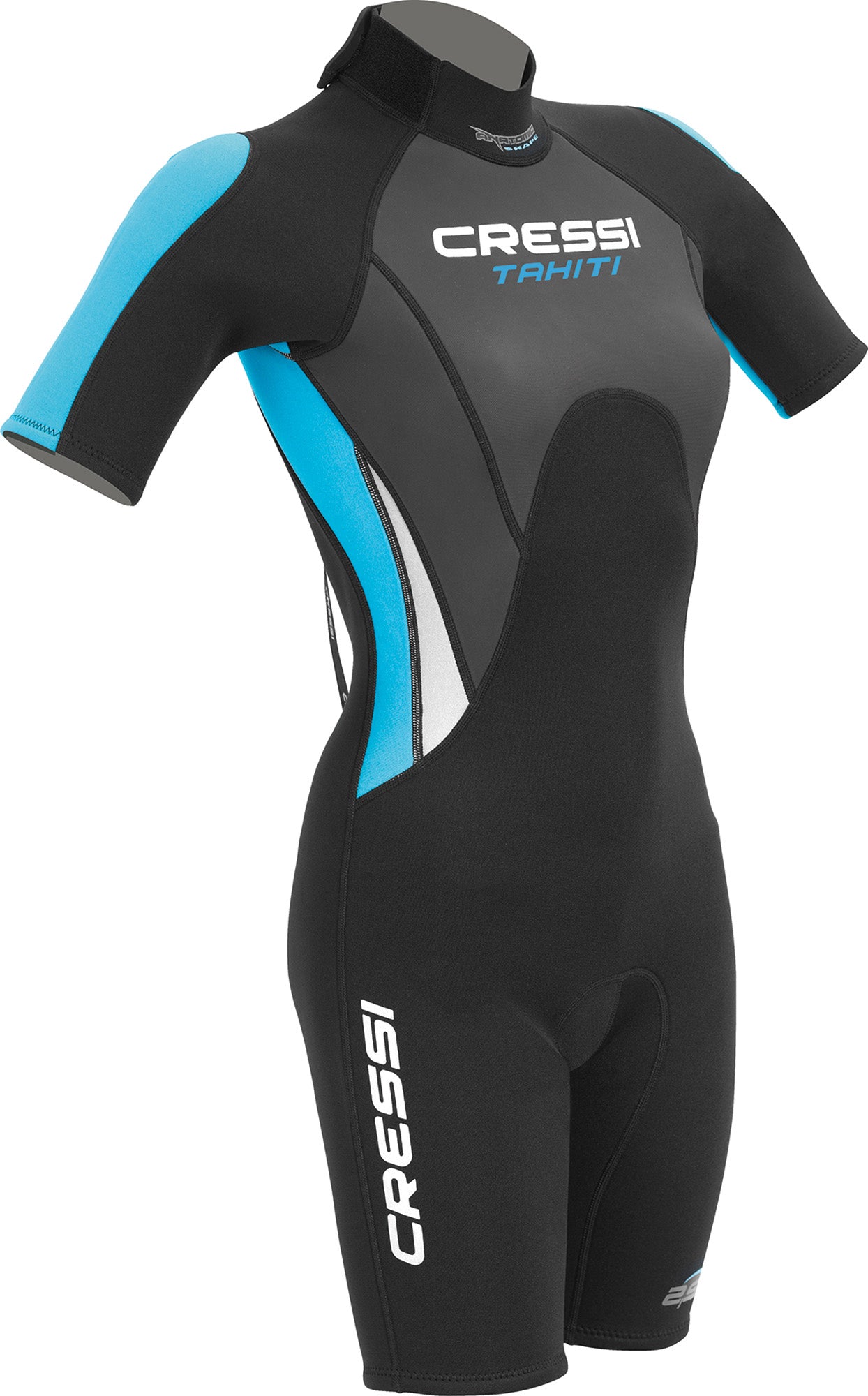
Lastly, cold-water immersion poses a threat to even the most experienced freedivers. Hypothermia can set in quickly, compromising physical and mental performance. Wearing a well-fitted wetsuit and using proper thermal protection will help you stay warm and comfortable during your dives.
Ensuring safety during dynamic apnea is of paramount importance. Here are some crucial safety measures to follow:
Always dive with a reliable and experienced buddy. This ensures that there is someone who can assist you in case of an emergency and provides an extra layer of protection.
Never dive beyond your limits or push yourself too hard. Listen to your body and take breaks when needed. Overexertion can lead to exhaustion and increase the risk of accidents.
Regularly practice rescue and emergency procedures. Being familiar with these protocols boosts confidence and enables you and your buddy to respond quickly in case of an incident.
Dynamic apnea is just the tip of the iceberg when it comes to freediving. There are various disciplines within the sport that offer unique challenges and adrenaline-pumping adventures.
Spearfishing, for example, combines freediving with the thrill of hunting underwater. It requires precision, stealth, and deep breath-holds as you stalk your prey. Spearfishing can take you to stunning locations and provide an immersive encounter with marine life.
Underwater photography is another captivating discipline. Practicing dynamic apnea can help you capture stunning shots of marine creatures in their natural habitat. It's a fantastic way to combine your passion for freediving with a creative outlet.
Whether you choose to explore the depths for the thrill of spearfishing or capture breathtaking moments through underwater photography, remember to always prioritize safety and continue to expand your knowledge and skills in the world of freediving.
One of the most enticing aspects of freediving is the opportunity to explore breathtaking underwater locations. From vibrant coral reefs to mesmerizing underwater caves, the possibilities are endless.
Imagine diving in the crystal-clear waters of the Maldives, surrounded by colorful fish and vibrant corals. Or exploring the cenotes of Mexico, where the caverns offer an otherworldly diving experience. These unique locations enable you to combine the thrill of dynamic apnea with the wonders of the world beneath the surface.
As you descend into the depths, you'll encounter a myriad of marine life, each with its own fascinating characteristics. From graceful sea turtles gliding through the water to schools of shimmering fish darting in synchronized harmony, the underwater world is a symphony of life and movement. Exploring these unique locations not only provides an adrenaline rush but also offers a chance to witness the delicate balance of nature firsthand.
Freediving has a rich history that dates back thousands of years. Our ancestors relied on freediving for survival, gathering food from the ocean's depths. Today, it has evolved into a recreational sport and a means of exploration.
From the Ama divers of Japan to the Sponge divers of Greece, freediving traditions have shaped cultures worldwide. These divers possessed an intimate knowledge of the sea, honing their skills and techniques over generations. Their stories are a testament to the resilience and adaptability of the human spirit, as they braved the depths without the aid of modern technology.
Exploring the history of freediving not only enhances your understanding of the sport but also highlights the deep-rooted connection between humans and the ocean. It is a reminder of our shared heritage and the importance of preserving the fragile ecosystems that support life beneath the waves.
Before embarking on your dynamic apnea journey, it's important to have the right equipment. While freediving requires minimal gear compared to scuba diving, a few essentials are necessary:
Investing in quality equipment that fits properly ensures your comfort and safety during your dynamic apnea endeavors.
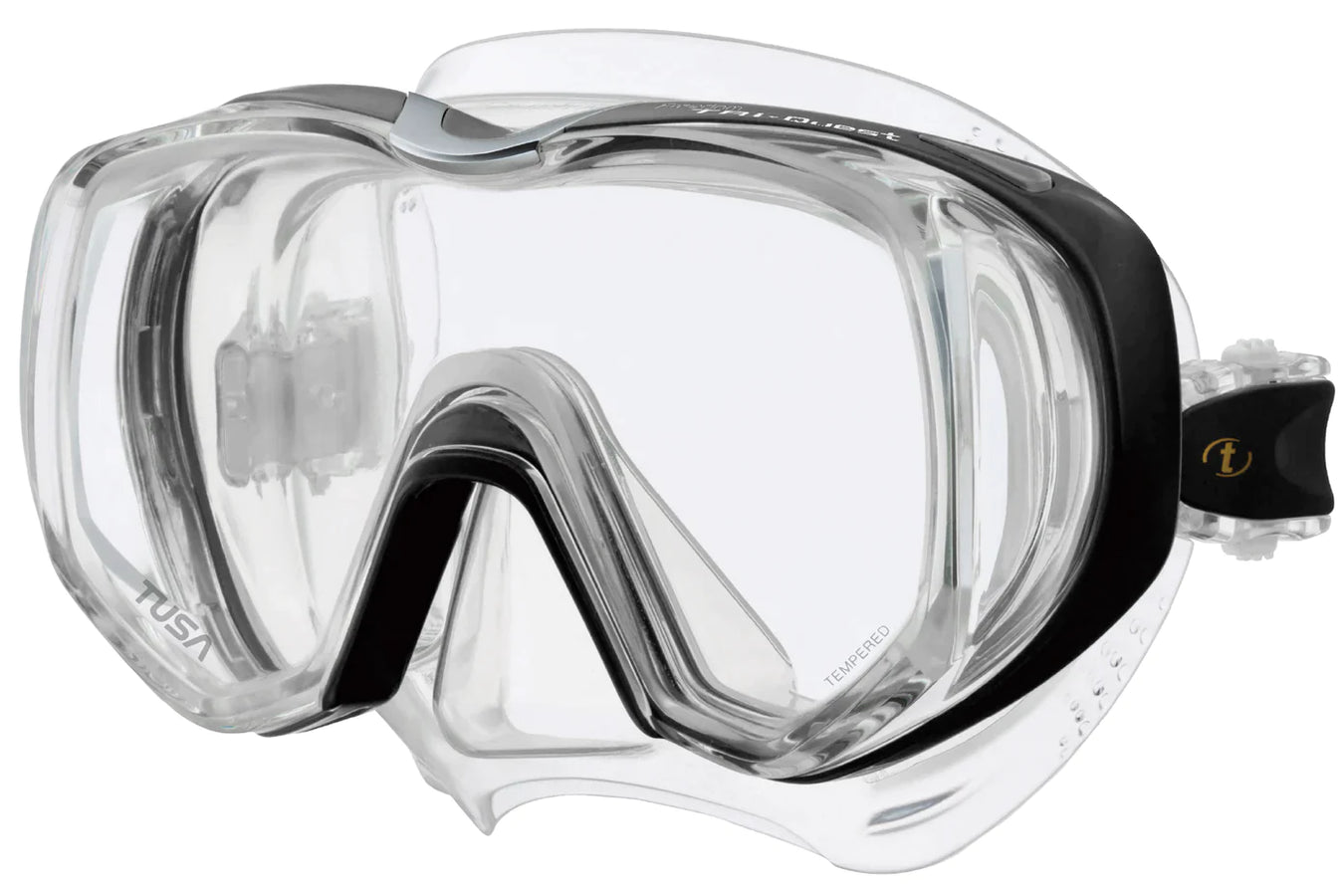
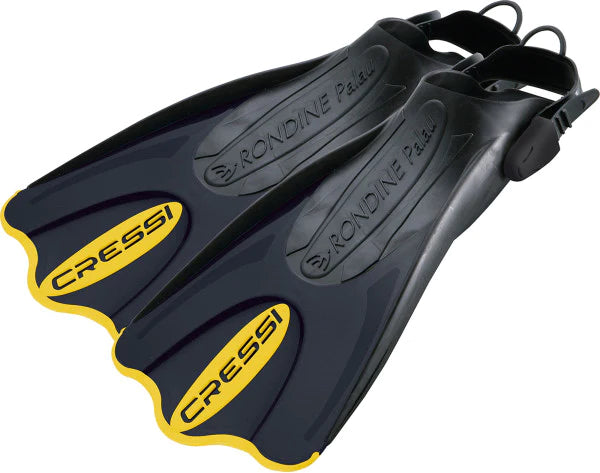
When it comes to freediving, the right equipment is not just about functionality, but also about personal preference. Some divers prefer low-volume masks for a more streamlined experience, while others opt for full-face masks that provide a wider field of vision. The choice of wetsuit material and thickness depends on the water temperature and personal comfort. And let's not forget about the fins – the shape and stiffness can greatly impact your swimming efficiency and overall performance.
As you delve deeper into the world of freediving, you'll discover that equipment choices are as diverse as the underwater landscapes you'll explore. Experimenting with different gear and finding what works best for you is part of the journey, adding another layer of excitement and personalization to your dynamic apnea adventures.
Mastering dynamic apnea requires dedication, practice, and a thirst for adventure. By incorporating top training techniques, understanding the risks involved, and exploring the broader world of freediving, you can embark on an exciting underwater journey. Remember to prioritize safety, embrace the wonders of unique locations, and make the most of your dynamic apnea experience.
Ready to take your dynamic apnea skills to the next level? Lancaster Scuba is here to support your underwater adventures every fin stroke of the way. With our extensive selection of top-quality scuba gear, expert diving instruction, and thrilling dive travel opportunities, we've got everything you need to gear up, dive in, and explore the world beneath the waves. Check out our scuba gear and start your journey towards mastering the art of dynamic apnea today!


{"one"=>"Select 2 or 3 items to compare", "other"=>"{{ count }} of 3 items selected"}