

Exploring the Depths: Spearfishing in San Diego
Dive into the exhilarating world of spearfishing in San Diego! Discover the best spots, techniques, and gear for an unforgettable underwater adventure.
Read now
Freediving is a fascinating sport that allows us to explore the underwater world with nothing but a single breath. To truly excel in this activity, one must master the art of buoyancy control. Understanding the science behind buoyancy and mastering the techniques involved can greatly enhance a freediver's experience and safety. In this article, we will delve into the various aspects of buoyancy control and provide valuable insights to help you become a more proficient freediver.
What is buoyancy, and how does it affect our ability to dive? To answer these questions, let us explore the principles of buoyancy in water.
Buoyancy is the upward force exerted on an object submerged in a fluid, such as water. It is a result of the pressure difference between the top and bottom surfaces of the object. When we enter the water, our body displaces a certain volume of water, and the force exerted upwards by that water is what gives us buoyancy.
It is important to understand that buoyancy is not solely dependent on the weight of an object but also on its density. An object with a lower density than water will float, while an object with a higher density will sink. Achieving neutral buoyancy, where you neither sink nor float, is the key to efficient diving.
Several factors influence an object's buoyancy in water. One of the most significant factors is the density of the object compared to water. In freediving, our body's buoyancy is influenced by our lung volume, body composition, and the presence of wetsuits or weight belts.
Lung volume plays a critical role in buoyancy control. As we take a breath and fill our lungs with air, our body becomes more buoyant. Conversely, exhaling will decrease our buoyancy, causing us to sink. Understanding how to fine-tune our lung volume can help us achieve the desired buoyancy for different depths.
The use of wetsuits and weight belts also affects our buoyancy. Wetsuits provide insulation and add buoyancy, while weight belts help us counteract the natural buoyancy of our bodies. Striking the right balance between these factors is essential to maintaining proper buoyancy throughout a dive.
Buoyancy control not only enhances the diving experience but also plays a crucial role in ensuring our safety underwater. A lack of buoyancy control can lead to rapid ascent or descent, increasing the risk of decompression sickness or barotrauma.
By mastering buoyancy control techniques, divers can maintain a controlled ascent or descent, safely equalize their ears, and conserve energy throughout the dive. Additionally, proper buoyancy reduces the risk of damaging delicate marine life or disturbing underwater ecosystems, allowing us to enjoy our dives responsibly.
Furthermore, understanding the science behind buoyancy can also help us appreciate the incredible adaptations of marine organisms. Many aquatic species have evolved specialized structures, such as air sacs or swim bladders, to regulate their buoyancy. These adaptations enable them to navigate their watery habitats with ease, whether it's a fish gracefully gliding through the ocean or a penguin effortlessly diving into the depths.
Moreover, the study of buoyancy extends beyond the realm of diving. It has practical applications in various fields, including engineering and transportation. For example, engineers use buoyancy principles to design and construct ships, submarines, and floating structures. By harnessing the power of buoyancy, these engineering marvels can navigate through water and support heavy loads with remarkable stability.
Now that we understand the science behind buoyancy, let's explore some techniques to master buoyancy control and become proficient freedivers.
Before descending into the depths, it is crucial to establish neutral buoyancy at the surface. This can be achieved by taking a deep breath and floating on the surface, ensuring that you neither sink nor float. By adjusting your lung volume and body position, you can maintain neutral buoyancy and conserve energy before starting your dive.
But what happens if you find it challenging to achieve neutral buoyancy? Don't worry; there are additional techniques you can employ to fine-tune your buoyancy control. One such technique is using a weight belt or ankle weights to help you achieve the desired buoyancy level. These weights can be adjusted to compensate for any positive or negative buoyancy you may experience.
Practicing shallow dives near the surface allows you to fine-tune your buoyancy control skills. Focus on maintaining a streamlined body position and making small adjustments to your buoyancy as you descend and ascend. This will help you develop better control and a greater awareness of your body's response to different depths.
As you progress in your freediving journey, it becomes essential to perfect your submerged buoyancy control. Achieving neutral buoyancy at different depths requires practice and experimentation.
One effective technique is to use your breath as a tool for buoyancy control. By inhaling or exhaling slightly, you can adjust your lung volume and consequently your buoyancy. This technique allows you to fine-tune your position in the water column, allowing for easier equalization and better conservation of energy.
Remember to maintain a streamlined body position and minimize unnecessary movements. Minimizing fins kicks and using your hands and arms as stabilizers will help you maintain a more constant depth and conserve energy for longer dives.
Another technique to perfect your submerged buoyancy is to pay attention to your body's trim. Trim refers to the horizontal balance of your body in the water. A proper trim ensures that your body is parallel to the surface, reducing drag and allowing for smoother movement through the water. To achieve optimal trim, you can adjust the distribution of weights on your weight belt or harness, or use ankle weights to fine-tune your body's position.
By practicing these techniques and paying attention to the subtle nuances of buoyancy control, you can become a master of the underwater realm. Remember, it takes time and patience to develop these skills, but the rewards are well worth the effort. So dive in, explore the depths, and unlock the true potential of your freediving abilities!
Once you have mastered the fundamentals of buoyancy control, it's time to explore various strategies that can enhance your diving experience. Understanding how to manipulate your buoyancy effectively can make a significant difference in your comfort and efficiency underwater.
One advanced technique for buoyancy control is known as lung volume control. By adjusting the air volume in your lungs, you can fine-tune your buoyancy without relying solely on your weight system. This skill requires practice and awareness of your breathing patterns, but it can help you achieve a more precise and responsive buoyancy control.
Proper weight management is crucial for achieving optimal buoyancy control. Carrying excess weight can make it challenging to achieve neutral buoyancy, while insufficient weight can lead to unnecessary effort and fatigue.
Consulting with experienced freediving instructors or dive professionals can help you determine the ideal weight for your body type and diving style. By conducting buoyancy tests and adjusting your weight belt accordingly, you can achieve a balanced and customized diving experience.
Weight distribution can significantly impact your buoyancy control. Placing your weights correctly on your weight belt or weight vest helps you maintain a horizontal body position and minimize the effort required to equalize your ears.
Additionally, placing your weights strategically can improve hydrodynamics, reduce drag, and make your dives more fluid and efficient. Experiment with different weight distributions and consult with experienced freedivers to find the optimal setup for your dives.
Another factor to consider in buoyancy control is your body positioning. Maintaining a streamlined and hydrodynamic posture in the water can reduce resistance and make it easier to move through the water with minimal effort. By practicing proper body positioning techniques, such as keeping your legs together and arms close to your body, you can improve your overall buoyancy and diving performance.
Now that you have mastered the art of buoyancy control, it's time to embark on exciting freediving adventures and explore the wonders of the underwater world.
As with any adventure sport, it is important to be aware of the risks involved in freediving and take the necessary precautions to ensure your safety. Freediving beyond your limits or without proper training can lead to shallow water blackout or other potentially dangerous situations.
On the other hand, freediving offers an incredible opportunity to connect with the ocean and its inhabitants in an intimate and peaceful way. Exploring underwater caves, encountering marine life, and capturing breathtaking moments through videography are just some of the rewarding experiences that await you as a freediver.
Freediving videography allows you to document your adventures and share the mesmerizing beauty of the underwater world with others. Mastering the art of filming underwater requires skill and creativity.
When capturing footage, strive to create dynamic compositions and focus on showcasing the unique movements and interactions of marine life. Utilize natural light to enhance the colors and textures of the underwater environment, and experiment with different camera angles to provide viewers with a captivating perspective.
Freediving offers a range of disciplines to suit different interests and ambitions. From depth diving and constant weight disciplines to dynamic apnea and synchronized swimming, the possibilities are endless.
Choosing the right discipline allows you to focus on specific skills and techniques, helping you progress as a freediver. Explore the different disciplines, connect with fellow enthusiasts, and revel in the sense of adventure that each one offers.
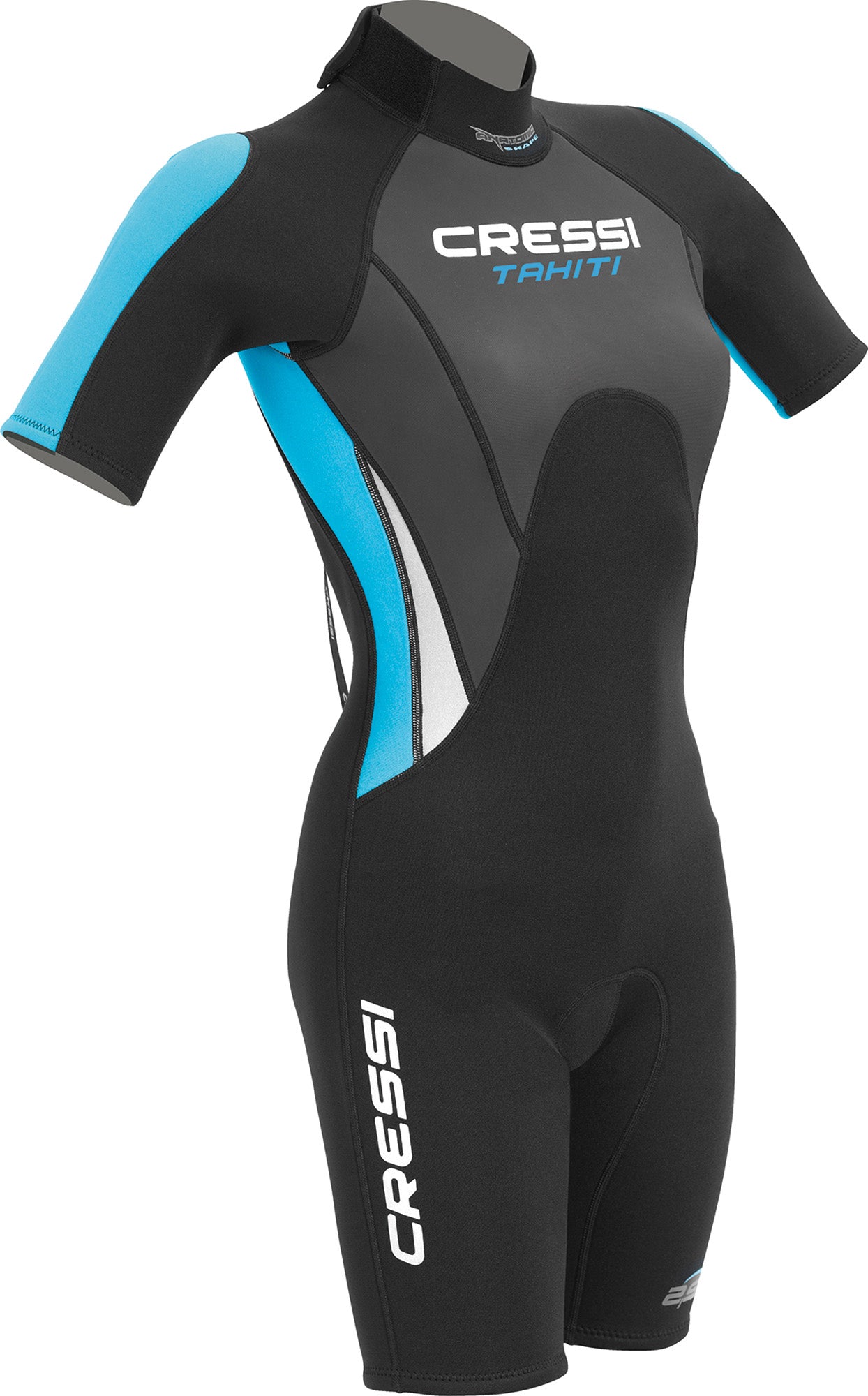
A proper wetsuit is an essential piece of equipment for freedivers. It provides insulation, protects against abrasions, and adds buoyancy. Selecting the right wetsuit depends on various factors, such as water temperature, depth, and personal preference.
Consider the thickness of the wetsuit material, its flexibility, and the design features that enhance comfort and mobility. A well-fitting wetsuit will not only keep you warm but also allow for a greater range of motion, ensuring a more enjoyable and rewarding freediving experience.
In conclusion, mastering buoyancy control is crucial for becoming an effective and safe freediver. By understanding the principles of buoyancy, perfecting the techniques, and exploring different strategies, you can enhance your diving skills and unlock exciting opportunities for adventure. Remember to prioritize safety, seek guidance from experienced professionals, and revel in the unique joys that freediving brings. So, take a deep breath, dive in, and unlock the wonders that lie beneath the surface of the sea.
As you embark on your freediving journey, the right gear is just as important as mastering the techniques. Lancaster Scuba is here to support your underwater adventures with top-quality equipment and expert advice. Whether you're looking for a wetsuit that offers the perfect balance of warmth and flexibility, or you're ready to explore deeper with PADI-certified courses, we've got you covered. Check out our scuba gear and take the first step towards a seamless and exhilarating dive experience. Gear up, dive in, and let the wonders of the sea captivate your spirit with Lancaster Scuba.


{"one"=>"Select 2 or 3 items to compare", "other"=>"{{ count }} of 3 items selected"}