

Exploring the Depths: Spearfishing in San Diego
Dive into the exhilarating world of spearfishing in San Diego! Discover the best spots, techniques, and gear for an unforgettable underwater adventure.
Read now
In the vast expanse of the ocean's embrace, there lies a world teeming with life, color, and mystery, inviting the adventurous at heart to explore its depths. Snorkeling, a gateway to this underwater realm, offers an experience that is both exhilarating and accessible. Yet, a question often surfaces among those drawn to the allure of the sea: Is swimming required for snorkeling?
At its core, snorkeling is about immersion in the aquatic environment, observing the vibrant marine life and coral reefs that flourish beneath the surface. It's an adventure that requires minimal equipment—a snorkel, a mask, and fins—yet opens up a world of breathtaking beauty and serenity.
Snorkeling is distinct from scuba diving and other forms of underwater exploration. It is practiced at the surface, with the snorkeler floating and breathing through a snorkel tube. This simplicity makes snorkeling an accessible activity for people of all ages and backgrounds, offering a glimpse into the marine world without the need for extensive training or certification.
Despite its accessibility, snorkeling does pose challenges and considerations, particularly regarding the physical skills required. This brings us to the central question: the role of swimming in snorkeling.
While snorkeling takes place at the surface, being a proficient swimmer enhances the experience, providing a sense of security and freedom in the water. Swimming skills allow snorkelers to navigate currents, waves, and varying water depths with confidence. However, it's important to note that absolute swimming proficiency is not a strict requirement for enjoying snorkeling.
Many snorkeling spots are situated in shallow waters, where individuals can stand and easily lift their heads above the surface if needed. Additionally, the use of flotation devices, such as life jackets or snorkeling vests, can make snorkeling accessible even to those with limited swimming abilities, ensuring safety while exploring the underwater world.
Embarking on a snorkeling adventure, like any venture into the natural world, requires preparation and respect for safety protocols. Whether you're a seasoned swimmer or someone with minimal experience, understanding and adhering to safety guidelines is paramount.
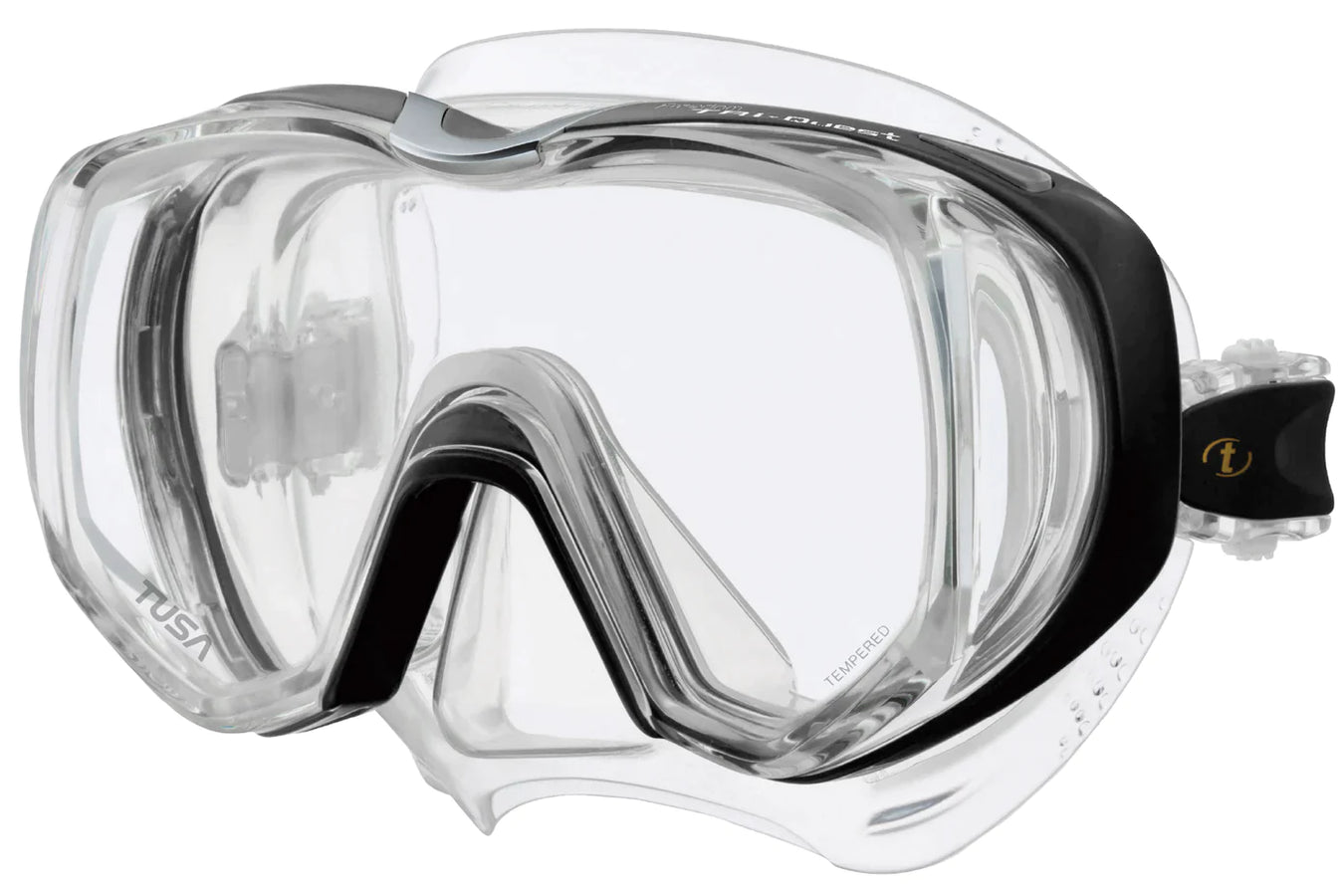
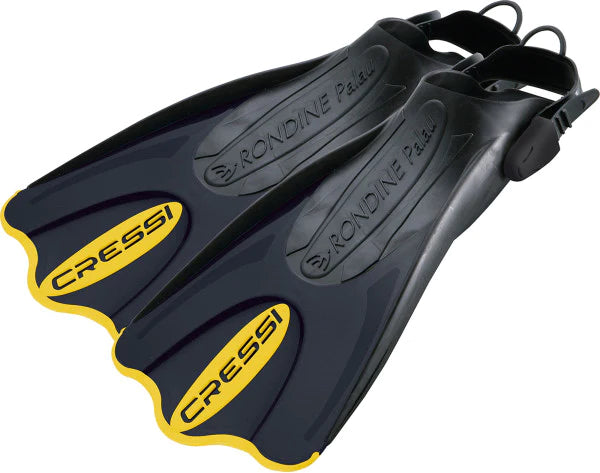
The right equipment is the first step toward a safe and enjoyable snorkeling experience. A well-fitting mask is crucial for clear underwater vision, while a snorkel allows for breathing without lifting your head from the water. Fins enhance mobility, enabling snorkelers to glide effortlessly over coral reefs and interact with marine life. For those less confident in their swimming abilities, flotation devices provide an added layer of safety.
It's also essential to select snorkeling gear that suits your level of comfort and experience. Beginners may benefit from full-face snorkel masks, which cover the entire face and offer a more natural breathing experience. However, it's important to choose high-quality, reputable equipment to avoid potential safety risks.
The ocean is a dynamic and sometimes unpredictable environment. Currents, tides, and weather conditions can change rapidly, affecting water safety and visibility. Before entering the water, familiarize yourself with the local conditions, including any potential hazards. It's also advisable to snorkel in designated areas where lifeguards are present, further ensuring your safety.
For those with limited swimming skills, snorkeling near the shore or in calm, shallow waters is a good starting point. Always snorkel with a buddy, as having someone to share the experience with not only enhances enjoyment but also adds a layer of safety.
As you delve deeper into the world of snorkeling, there are various ways to enhance your experience and make the most of your underwater adventures. One key aspect to consider is proper breathing techniques while using a snorkel.
Practice breathing steadily and deeply through your snorkel to maintain a relaxed and comfortable rhythm. Avoid rapid, shallow breaths, as these can lead to hyperventilation and discomfort. By mastering your breathing technique, you can prolong your time underwater and fully immerse yourself in the beauty that surrounds you.
One of the most captivating aspects of snorkeling is the opportunity to observe marine life in its natural habitat. From colorful fish darting among coral formations to graceful sea turtles gliding through the water, each encounter offers a glimpse into the intricate ecosystem beneath the waves.
When snorkeling, move slowly and avoid sudden movements to prevent startling marine creatures. Respect the delicate balance of the underwater world and observe from a respectful distance, allowing the wildlife to carry on with their natural behaviors undisturbed. Remember, you are a guest in their domain, and treating them with care and consideration is essential.
Documenting your snorkeling adventures through photography or videography can provide lasting memories of your underwater explorations. Invest in a waterproof camera or housing to capture the vibrant colors and unique sights that await beneath the surface.
Before taking photos or videos, ensure that you are familiar with your equipment and its settings to avoid any mishaps while in the water. Practice framing your shots and experimenting with different angles to create visually stunning images that showcase the beauty of the marine world.
Respecting the marine environment and fellow snorkelers is essential to ensure a positive and sustainable snorkeling experience for all. By following snorkeling etiquette guidelines, you can minimize your impact on the underwater ecosystem and contribute to the preservation of marine habitats.
When snorkeling, avoid touching or disturbing marine life and coral reefs. Even seemingly harmless interactions can have negative consequences for delicate organisms. Refrain from standing on or kicking coral, as these actions can cause irreparable damage to these vital underwater structures.
Additionally, be mindful of your surroundings and avoid littering or leaving any waste behind. Pack out any trash or debris you may encounter during your snorkeling excursions, and dispose of it properly to help protect the marine environment for future generations.
While encountering marine animals can be a thrilling experience, it's important to remember that these creatures are wild and should be treated with respect. Maintain a safe distance from wildlife and refrain from feeding or touching them, as this can disrupt their natural behaviors and potentially harm both the animals and yourself.
Observe marine life from a distance, allowing them to move freely and undisturbed in their habitat. By respecting the wildlife you encounter while snorkeling, you contribute to the conservation of these species and help preserve the delicate balance of the marine ecosystem.
Being considerate of other snorkelers and following established guidelines for safe and responsible snorkeling is key to fostering a positive underwater experience for everyone. Avoid crowding popular snorkeling sites and give fellow snorkelers ample space to explore and enjoy the beauty of the ocean.
Communicate with your snorkeling companions using hand signals or underwater gestures to ensure clear understanding while in the water. By practicing good snorkeling behavior and respecting the rights of others to enjoy the marine environment, you contribute to a harmonious and enjoyable snorkeling experience for all.
Snorkeling opens up a world of adventure, offering a unique perspective on the planet's diverse marine ecosystems. From the vibrant coral reefs of the Caribbean to the serene waters of the Pacific, snorkeling sites around the world beckon with their beauty and mystery.
Each snorkeling journey is an opportunity to connect with nature, observing the intricate dance of fish, the gentle sway of sea plants, and the vivid colors that paint the underwater landscape. It's an adventure that enriches the soul, reminding us of the beauty and complexity of the natural world.
Whether you're gliding over shallow coral gardens or floating above deep sea trenches, snorkeling offers a sense of freedom and wonder. It's an activity that transcends age, background, and swimming ability, inviting all who seek to explore the depths of the ocean's beauty.
For those drawn to the allure of the ocean, snorkeling is a call to adventure, a chance to explore the unknown and witness the marvels of the marine world. It's an invitation to step out of the ordinary and dive into the extraordinary, discovering the wonders that lie beneath the surface of the sea.
So, is swimming required for snorkeling? While swimming skills certainly enhance the experience, they are not an absolute necessity. With the right preparation, equipment, and respect for safety, snorkeling is an accessible and rewarding adventure for everyone. The ocean awaits, ready to reveal its treasures to those who dare to explore.
Ready to heed the call of the sea and immerse yourself in the underwater spectacle? Lancaster Scuba is your trusted partner for all things snorkeling. Whether you're a seasoned swimmer or just starting out, our extensive selection of gear, expert diving instruction, and thrilling travel opportunities will ensure a seamless and unforgettable experience. Check out our scuba gear and take the first step towards your next aquatic adventure.


{"one"=>"Select 2 or 3 items to compare", "other"=>"{{ count }} of 3 items selected"}