

Exploring the Depths: Spearfishing in San Diego
Dive into the exhilarating world of spearfishing in San Diego! Discover the best spots, techniques, and gear for an unforgettable underwater adventure.
Read now
In the vast, blue expanse of our world's oceans, lakes, and rivers, spearfishing emerges as a thrilling blend of ancient tradition and modern sport. It's a pursuit that beckons the adventurous at heart, offering a unique way to interact with the underwater realm. Yet, as with any endeavor that treads the delicate balance between human activity and natural ecosystems, spearfishing is enveloped in a tapestry of laws and regulations. This article dives deep into the legalities of spearfishing, aiming to illuminate the path for enthusiasts seeking to embrace this sport responsibly and ethically.
Spearfishing is more than a method of harvesting fish; it's a journey into the primal, a test of skill, patience, and respect for the marine environment. It connects us with the ancient ways of our ancestors, who relied on the oceans for sustenance, long before the advent of modern fishing techniques.
The roots of spearfishing trace back thousands of years, with early humans fashioning spears from wood and stone to catch fish. This method of fishing has evolved significantly, with modern spearfishers equipped with sophisticated gear such as spearguns and pneumatic spears. Despite these advancements, the essence of spearfishing remains a deeply personal engagement with the sea.
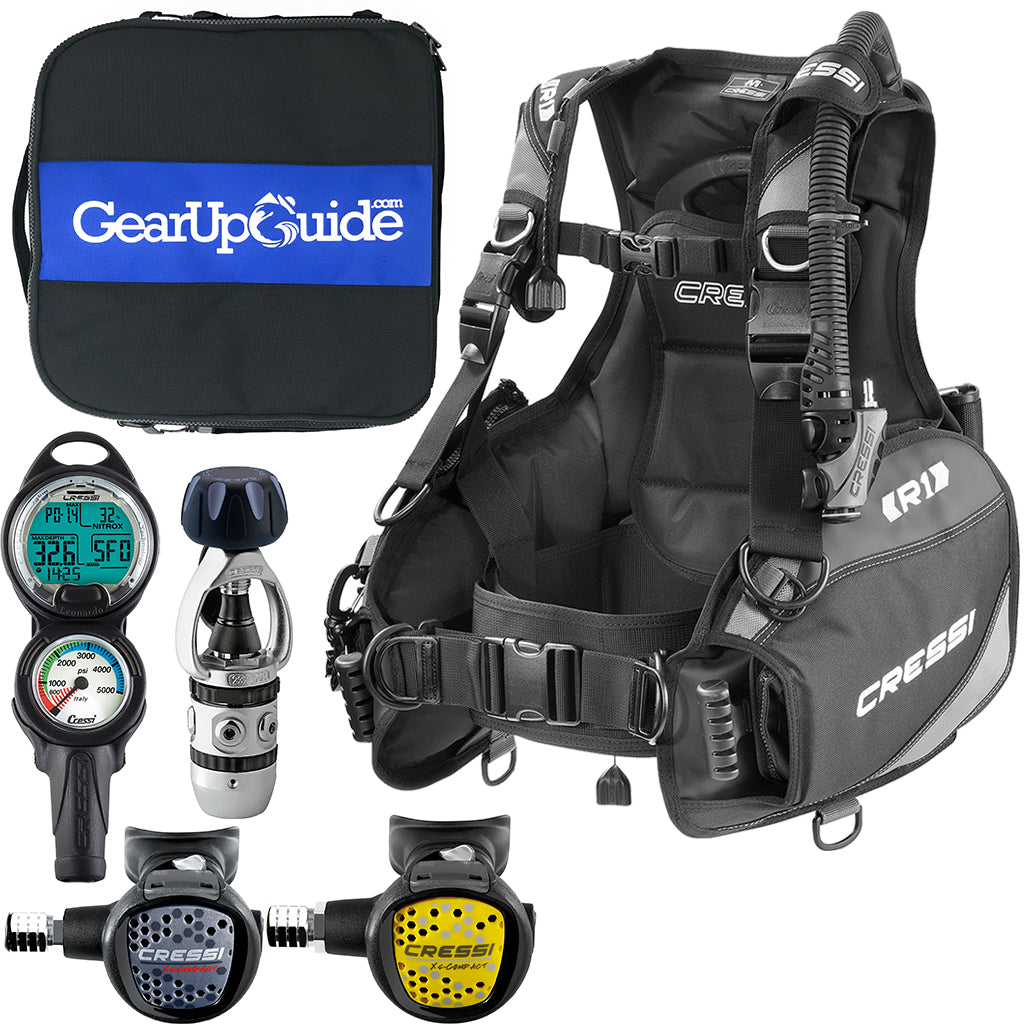
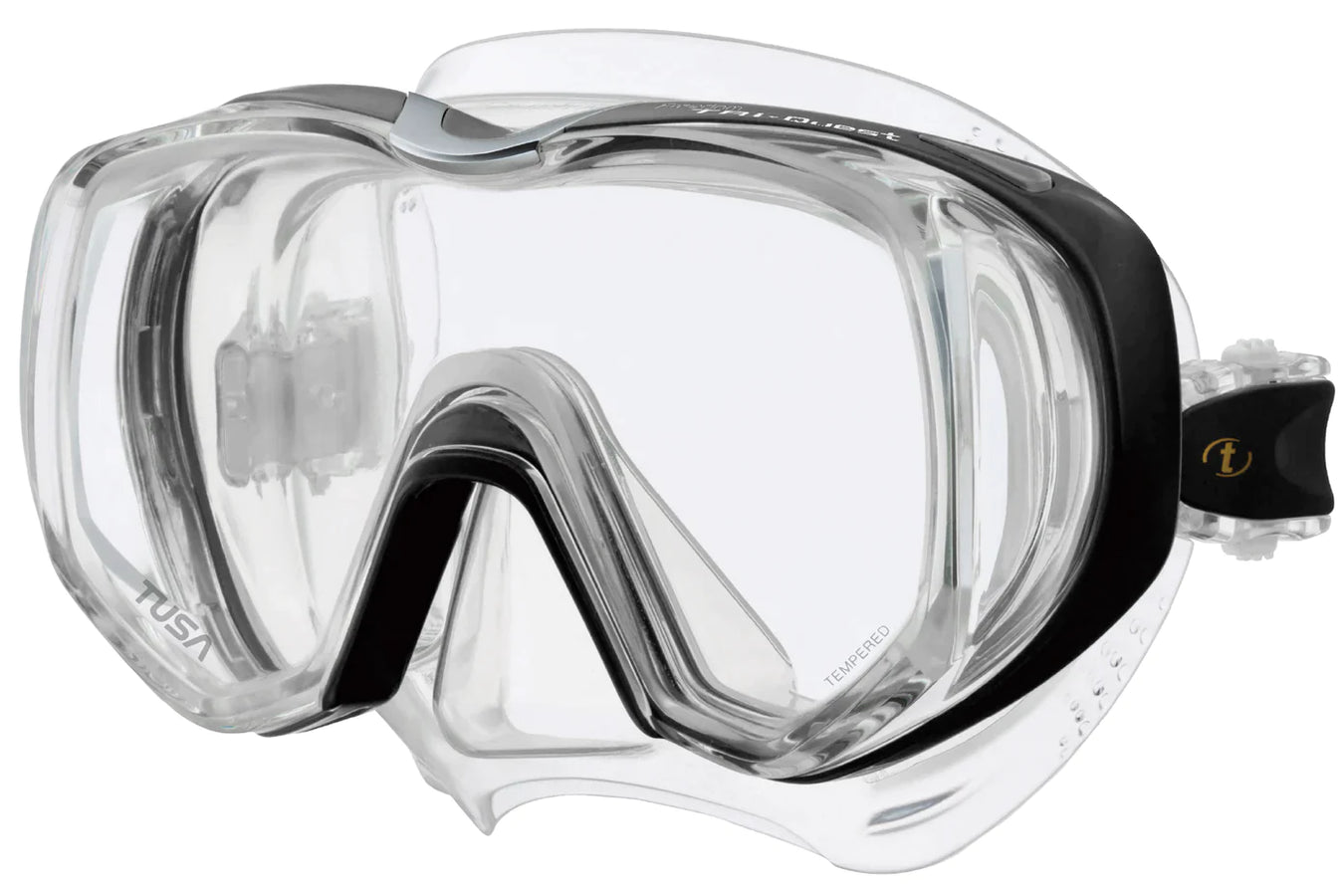
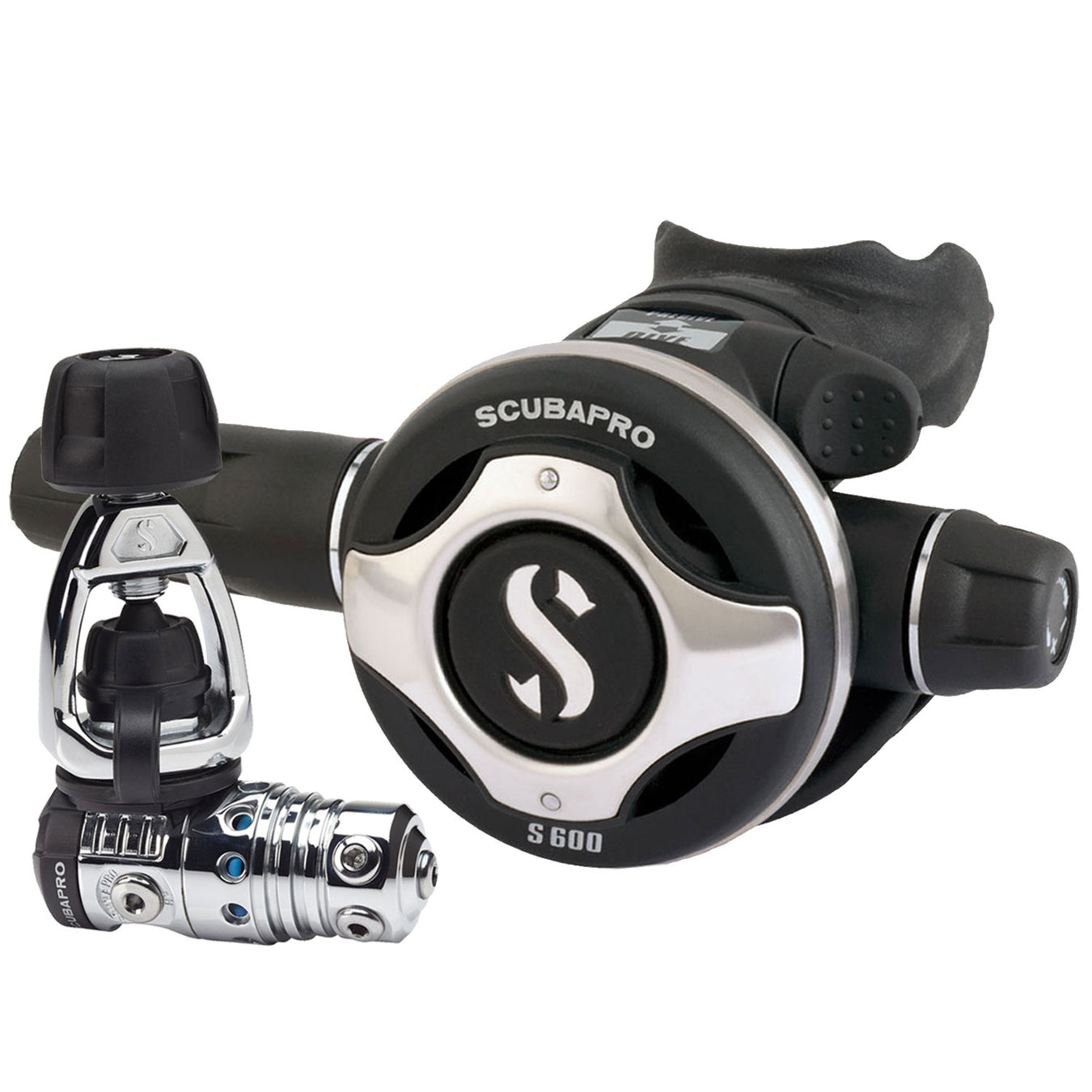
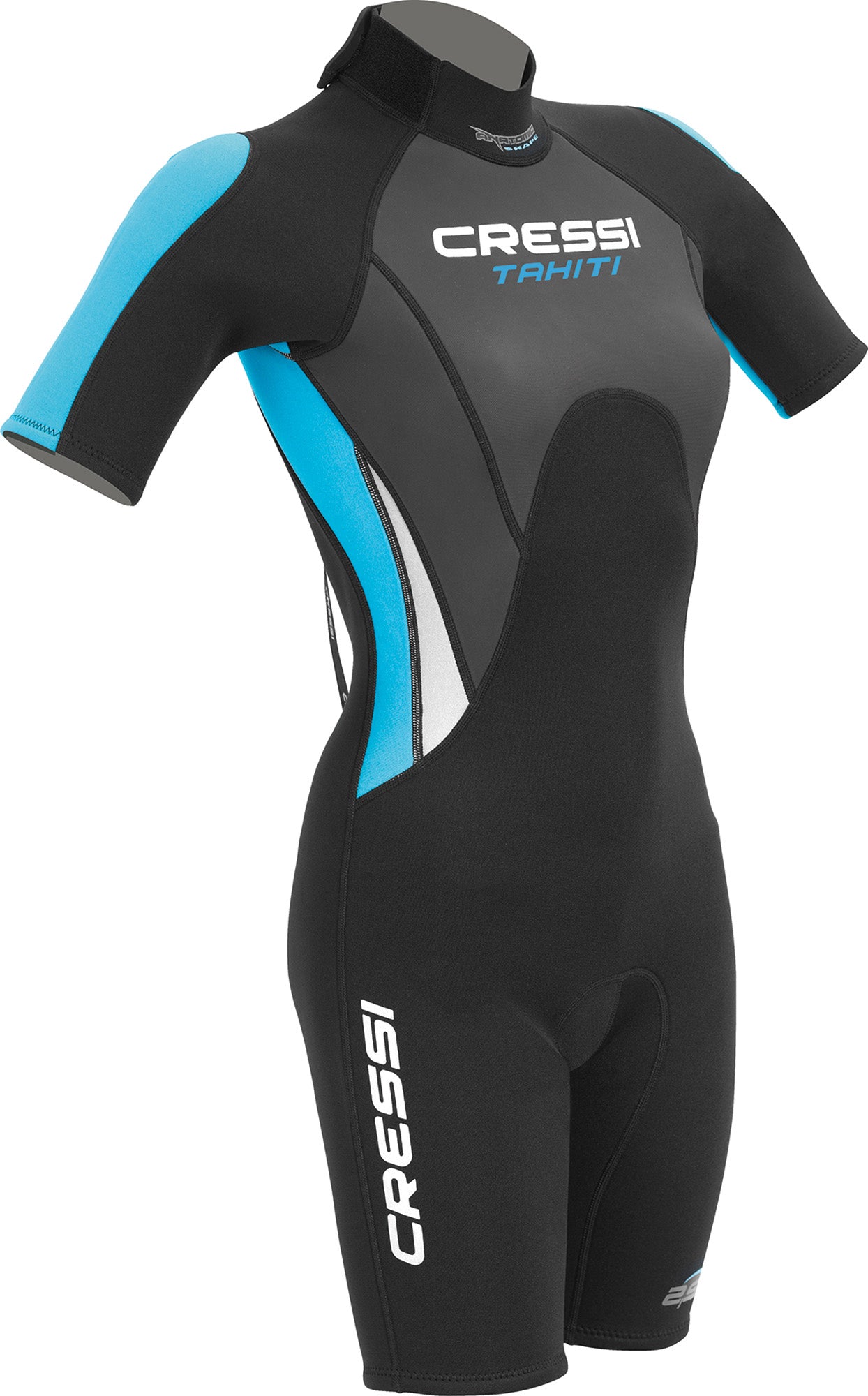
Today's spearfishing gear includes a range of spearguns, from band-powered models to air-powered varieties, each suited to different environments and target species. Divers also utilize various techniques, from free diving, relying solely on one's ability to hold their breath, to scuba diving, which allows for longer underwater excursions. This evolution in gear and techniques has made spearfishing accessible to a broader audience, yet it also underscores the importance of understanding and adhering to regulations to ensure safety and sustainability.
While spearfishing can be a sustainable method of harvesting fish when practiced responsibly, it is not without its environmental impact. Overfishing, habitat destruction, and bycatch are significant concerns associated with irresponsible spearfishing practices. By understanding the ecosystems they interact with, spearfishers can minimize their impact and contribute to the conservation of marine biodiversity.
As spearfishing has grown in popularity, so too has the complexity of laws governing it. These regulations are not arbitrary; they are crucial for the protection of marine ecosystems and the sustainability of fish populations. They vary significantly by location, reflecting the unique ecological, cultural, and economic contexts of different regions.
Around the world, countries have established their own sets of rules regarding spearfishing. In some places, it's celebrated and widely practiced within the bounds of the law, while in others, it's heavily regulated or even banned. For instance, in certain marine protected areas, spearfishing is prohibited to preserve biodiversity, whereas other regions may allow it with specific restrictions on gear, target species, and seasons.
The key to legally and ethically enjoying spearfishing lies in understanding and complying with local regulations. This requires spearfishers to conduct thorough research before embarking on their adventures. Regulations can cover a wide range of aspects, including licensing requirements, permitted and prohibited areas, size and bag limits for specific species, and restrictions on the use of certain types of gear. Ignorance of these laws not only risks legal repercussions but can also harm the very ecosystems spearfishers cherish.
Engaging with local communities and authorities is essential for spearfishers to contribute positively to marine conservation efforts. By participating in clean-up initiatives, supporting sustainable fishing practices, and advocating for the protection of marine habitats, spearfishers can be active stewards of the underwater environment they cherish.
Adhering to legal guidelines is just one facet of responsible spearfishing. Equally important are the safety and ethical considerations that ensure both the well-being of the spearfisher and the health of marine life.
Safety is paramount in spearfishing, a sport that inherently involves risks. Proper training, the use of appropriate gear, and adherence to safe diving practices are non-negotiable. Spearfishers must be vigilant about their physical condition, weather conditions, and the presence of potentially dangerous marine life. Furthermore, diving with a buddy is not just recommended; it's a critical safety measure.
Beyond legality and safety, ethical considerations play a crucial role in spearfishing. This includes practicing selective fishing—targeting only species that are abundant and avoiding those that are overfished or endangered. It also means respecting size limits and practicing catch and release when appropriate. Ethical spearfishers are stewards of the ocean, taking only what they need and leaving minimal impact on the marine environment.
Education is a powerful tool in promoting sustainable spearfishing practices. By educating fellow spearfishers, as well as the broader community, about the importance of marine conservation, species protection, and responsible fishing methods, individuals can contribute to a collective effort to safeguard our oceans for future generations.
For those drawn to the allure of the underwater world, spearfishing offers an unparalleled adventure. It's a sport that demands skill, respect for nature, and a commitment to learning and adhering to regulations. By navigating the legal and ethical landscapes with diligence and care, spearfishers can enjoy the thrill of the hunt while contributing to the conservation of our planet's precious marine ecosystems.
In the end, spearfishing is not just about the catch; it's about the journey. It's about immersing oneself in the silence of the sea, where the only sound is your heartbeat, and the only goal is harmony with the underwater world. As we explore these depths, let us do so with respect, responsibility, and a relentless pursuit of adventure, guided by the laws that protect these sacred spaces.
Ready to embark on your spearfishing journey with the right equipment and knowledge? Lancaster Scuba is your trusted partner in this adventure. With our extensive selection of gear, expert diving instruction, and thrilling travel opportunities, we ensure you're well-prepared for the waters ahead. Whether you're a novice or a seasoned spearfisher, our PADI-certified courses and specialty training will enhance your skills and confidence. Check out our scuba gear and join the Lancaster Scuba community where "Gear. Dive. Travel." is not just a slogan, but a gateway to your underwater explorations.


{"one"=>"Select 2 or 3 items to compare", "other"=>"{{ count }} of 3 items selected"}