

Exploring the Depths: Spearfishing in San Diego
Dive into the exhilarating world of spearfishing in San Diego! Discover the best spots, techniques, and gear for an unforgettable underwater adventure.
Read now
In the vast, azure waters that surround the Philippine archipelago, a tradition as old as the islands themselves continues to thrive. Spearfishing, a method that has sustained communities and sparked the spirit of adventure in many, remains a topic of both interest and debate. The question of its legality is not just a matter of law but of understanding the delicate balance between tradition and conservation. This article delves into the heart of spearfishing in the Philippines, exploring its legal framework, cultural significance, and the ongoing efforts to ensure it contributes positively to both community and marine life.
The legality of spearfishing in the Philippines is a tapestry woven with various laws, regulations, and local ordinances. Understanding this complex legal framework is essential for both local and visiting spearfishers who wish to engage in this activity responsibly and sustainably.
At the national level, the Philippine Fisheries Code of 1998 (Republic Act No. 8550) and its amendments under Republic Act No. 10654 lay the groundwork for the regulation of all fishing activities, including spearfishing. These laws aim to protect aquatic resources while ensuring sustainable fishing practices. However, the specifics regarding spearfishing can often be found in the implementing rules and regulations issued by the Bureau of Fisheries and Aquatic Resources (BFAR).
One key aspect of these regulations is the prohibition of certain methods of fishing that are deemed destructive or unsustainable. While spearfishing with traditional handheld spears is generally permitted, the use of scuba gear and spearguns can be restricted in certain areas to protect coral reefs and marine habitats.
Beyond national laws, local government units (LGUs) have the authority to enact ordinances that further regulate fishing activities within their jurisdictions. These ordinances can include specific rules about spearfishing, such as designated areas where it is allowed, seasons or times when it is permitted, and the types of equipment that can be used. For spearfishers, it is crucial to be aware of and comply with these local regulations, as they can vary significantly from one area to another.
For instance, some coastal communities may embrace spearfishing as part of their cultural heritage and allow it with minimal restrictions, while others may impose stricter rules to protect their marine ecosystems. Engaging with local communities and authorities can provide valuable insights and guidance for respectful and legal spearfishing practices.
Spearfishing in the Philippines is not just a matter of legality; it is deeply intertwined with the cultural fabric of the islands. For many Filipino coastal communities, spearfishing is a way of life, passed down through generations as a skill and a tradition.
Historically, spearfishing was one of the primary methods of subsistence for many island communities, allowing them to harvest the bounty of the sea. This traditional practice was not only about survival but also about understanding and respecting the marine environment. Today, spearfishing continues to be a significant cultural activity, connecting people with their ancestral heritage and the natural world.
Modern spearfishers in the Philippines are often guided by the same principles of respect and sustainability. Many are advocates for marine conservation, understanding that responsible spearfishing practices contribute to the health of the ecosystems they rely on. This includes selective fishing—targeting only mature specimens of species that are not overfished—and avoiding areas where fishing is prohibited to allow marine habitats to regenerate.
With the increasing popularity of spearfishing, both as a sport and a sustainable method of fishing, education and safety have become paramount. Spearfishing courses and certifications are available, focusing on safe diving practices, underwater navigation, and species identification. These educational efforts are crucial for minimizing risks to both spearfishers and marine life, ensuring that spearfishing can continue as a sustainable and enriching activity.
Moreover, the emphasis on safety extends to the proper use of spearfishing equipment and awareness of the marine environment. Understanding currents, tides, and the behavior of marine species is essential for a safe and successful spearfishing experience. This knowledge not only protects the individual but also supports conservation efforts by reducing accidental damage to coral reefs and non-target species.
Spearfishing in the Philippines offers unparalleled opportunities for adventure, connection with nature, and personal growth. The diverse marine landscapes of the archipelago, from shallow coral gardens to deep underwater drop-offs, provide a rich hunting ground for those seeking the thrill of the hunt under the waves.
For many, spearfishing is more than just a method of fishing; it is an adventure that challenges the body and the mind. It requires skill, patience, and a deep understanding of the marine environment. The thrill of stalking fish among the coral, the discipline of waiting for the perfect shot, and the satisfaction of a successful catch are experiences that many spearfishers find deeply rewarding.
However, the adventure of spearfishing also comes with its challenges. The physical demands of freediving, the need for meticulous preparation and safety precautions, and the ethical considerations of sustainable hunting are all aspects that spearfishers must navigate. Yet, it is these challenges that often make spearfishing such a fulfilling pursuit, offering a unique way to engage with the underwater world.
As spearfishing continues to grow in popularity, the role of spearfishers in marine conservation and community engagement becomes increasingly important. By participating in citizen science projects, advocating for marine protected areas, and supporting sustainable fishing practices, spearfishers can contribute to the preservation of the Philippines' marine biodiversity for future generations.
Furthermore, the spearfishing community in the Philippines is a testament to the power of shared passion and collective action. Through clubs, forums, and competitions, spearfishers come together to share knowledge, celebrate their catches, and work towards common goals of sustainability and conservation. This sense of community not only enriches the experience of spearfishing but also amplifies its positive impact on marine ecosystems and local livelihoods.
With advancements in technology, spearfishing gear has evolved to enhance both the efficiency and safety of this traditional practice. Modern spearfishers have access to a wide range of equipment designed to improve their underwater hunting experience.
One notable advancement is the development of carbon fiber spearguns, which offer increased accuracy and power compared to traditional wooden spearguns. These lightweight yet durable tools allow spearfishers to target fish with precision while minimizing recoil and maximizing efficiency.
Additionally, innovations in underwater cameras and dive computers have revolutionized the way spearfishers document their hunts and monitor their diving profiles. High-definition cameras mounted on spearguns or masks capture thrilling underwater footage, while dive computers provide real-time data on depth, time, and decompression limits, enhancing safety during dives.
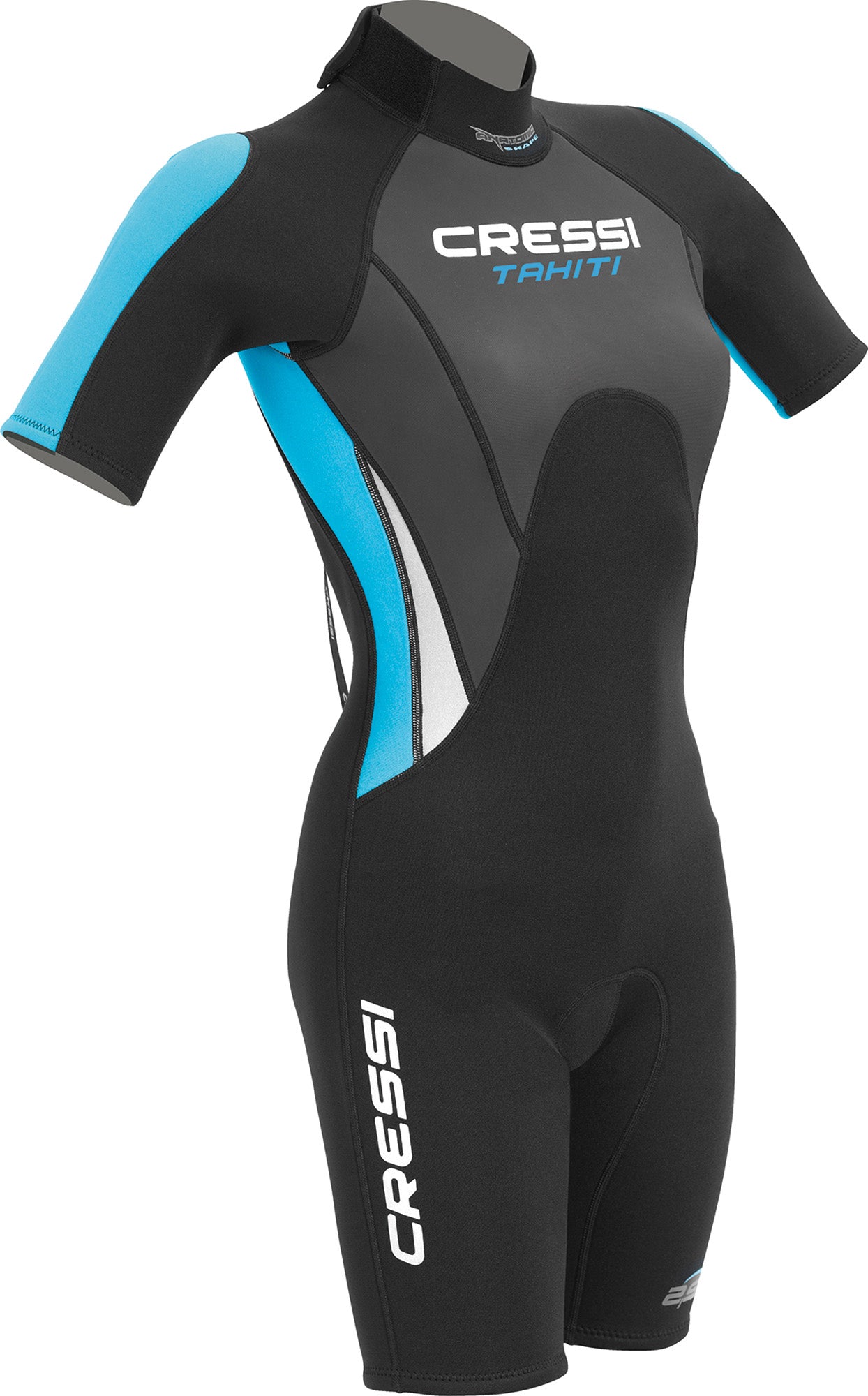
Furthermore, advancements in wetsuit materials have improved comfort and thermal insulation for spearfishers diving in a variety of water temperatures. Neoprene suits with integrated camouflage patterns not only provide warmth but also help spearfishers blend into their surroundings, reducing the chances of startling fish before taking a shot.
While technological advancements in spearfishing gear offer benefits to practitioners, there is also a growing awareness of the environmental impact of these tools. The production and disposal of non-biodegradable materials used in modern spearfishing equipment can contribute to marine pollution if not managed responsibly.
As a response to these concerns, some spearfishing gear manufacturers are exploring eco-friendly alternatives, such as biodegradable plastics and recycled materials, to reduce the environmental footprint of their products. By prioritizing sustainability in gear design and production, spearfishers can align their passion for the sport with a commitment to protecting the marine environments they cherish.
Ensuring compliance with spearfishing regulations and enforcing sustainable practices are essential components of effective marine resource management. Regulatory bodies, enforcement agencies, and conservation organizations play crucial roles in monitoring and safeguarding marine ecosystems against overexploitation and illegal fishing activities.
Through regular patrols, inspections, and surveillance efforts, authorities can deter illegal fishing practices, including spearfishing in protected areas or using prohibited equipment. By collaborating with local communities and stakeholders, enforcement agencies can promote awareness of fishing regulations and foster a culture of compliance among fishers.
Moreover, public education campaigns and outreach initiatives can empower spearfishers and other fisherfolk to become stewards of marine conservation. By raising awareness about the importance of sustainable fishing practices, the value of marine biodiversity, and the threats facing aquatic ecosystems, these initiatives can inspire individuals to make informed choices that benefit both the environment and future generations.
Community-based conservation initiatives are integral to the success of marine resource management efforts, including those related to spearfishing. By engaging local communities in decision-making processes, fostering partnerships with fisherfolk, and recognizing traditional fishing practices, conservation organizations can promote sustainable resource use and biodiversity conservation.
One example of a successful community-based conservation initiative is the establishment of marine protected areas (MPAs) where spearfishing and other extractive activities are regulated to allow marine ecosystems to recover and thrive. By involving fisherfolk in the planning and management of MPAs, communities can take ownership of conservation efforts and ensure the long-term sustainability of their fisheries.
Furthermore, capacity-building programs, training workshops, and knowledge-sharing platforms can empower fisherfolk to adopt best practices in fishing, gear maintenance, and resource management. By equipping individuals with the skills and knowledge needed to fish sustainably, these initiatives contribute to the resilience of coastal communities and the health of marine ecosystems.
Spearfishing in the Philippines is a practice rich in tradition, adventure, and potential for positive impact. While navigating the legalities of spearfishing is essential for anyone looking to explore these waters with a spear in hand, it is equally important to engage with the cultural and ecological aspects of this activity. By embracing responsible practices, education, and a commitment to conservation, spearfishers can continue to enjoy the thrill of the hunt while contributing to the health and sustainability of the Philippines' marine environments. In the end, spearfishing is not just about the catch but about diving deeper into the connections between people, tradition, and the natural world.
Ready to immerse yourself in the world of spearfishing? Lancaster Scuba is your gateway to the underwater realm. With top-notch gear, expert instruction, and unforgettable travel experiences, we are dedicated to enhancing your aquatic journey. Whether you're a seasoned spearfisher or looking to dive into a new adventure, we have everything you need. Check out our scuba gear and join us as we gear up, dive deep, and travel far in the pursuit of spearfishing excellence and marine conservation.


{"one"=>"Select 2 or 3 items to compare", "other"=>"{{ count }} of 3 items selected"}