

Exploring the Depths: Spearfishing in San Diego
Dive into the exhilarating world of spearfishing in San Diego! Discover the best spots, techniques, and gear for an unforgettable underwater adventure.
Read now
In the vast and vibrant world of oceanic adventures, spearfishing stands out as a pursuit that combines the thrill of the hunt with the serene beauty of the underwater realm. California, with its extensive coastline, offers a unique backdrop for this ancient practice. However, the question of legality brings many enthusiasts to a pause. This article delves into the intricate tapestry of regulations, safety considerations, and the spirit of adventure that defines spearfishing in the Golden State.
The legal framework governing spearfishing in California is as multifaceted as the marine ecosystems it aims to protect. Understanding these regulations is the first step for any aspiring or experienced spearfisher looking to embrace the sport within the state's waters.
At the heart of spearfishing legality in California lies the requirement for a valid fishing license. This foundational aspect ensures that all participants contribute to the conservation efforts and management of marine resources. The California Department of Fish and Wildlife (CDFW) oversees the issuance of these licenses, which are mandatory for anyone 16 years and older engaging in spearfishing.
Beyond the license, the state delineates specific zones where spearfishing is permitted and areas where it is strictly prohibited. Marine Protected Areas (MPAs), for instance, often restrict or entirely ban the practice to preserve biodiversity. It is imperative for spearfishers to familiarize themselves with these zones to avoid unintentional violations.
California's approach to spearfishing also includes species-specific regulations designed to sustain fish populations and ecological balance. Size and bag limits are in place for various species, dictating the minimum size a fish must be for it to be legally taken and the maximum number of fish one can harvest in a day. These regulations are subject to change, reflecting the state's commitment to adaptive management based on scientific research and population assessments.
Protected species, such as the giant sea bass, are off-limits to spearfishers, underscoring the importance of species identification skills. The CDFW provides resources and workshops to help spearfishers distinguish between legal and protected species, promoting responsible fishing practices.
Ensuring compliance with spearfishing regulations in California is a shared responsibility. Conservation officers from the CDFW patrol the state's waters, monitoring for violations and educating fishers on the importance of adherence to the rules. Penalties for non-compliance can range from fines to confiscation of equipment, emphasizing the seriousness of protecting marine resources.
Reporting violations or suspicious activities is encouraged within the spearfishing community, fostering a culture of accountability and stewardship. By working together to uphold the laws, fishers contribute to the preservation of California's diverse underwater ecosystems for future generations to enjoy.
While the legalities form the framework for spearfishing in California, safety is the keystone that supports the entire endeavor. Spearfishing, by its nature, presents unique challenges and risks, making safety education and preparedness paramount.
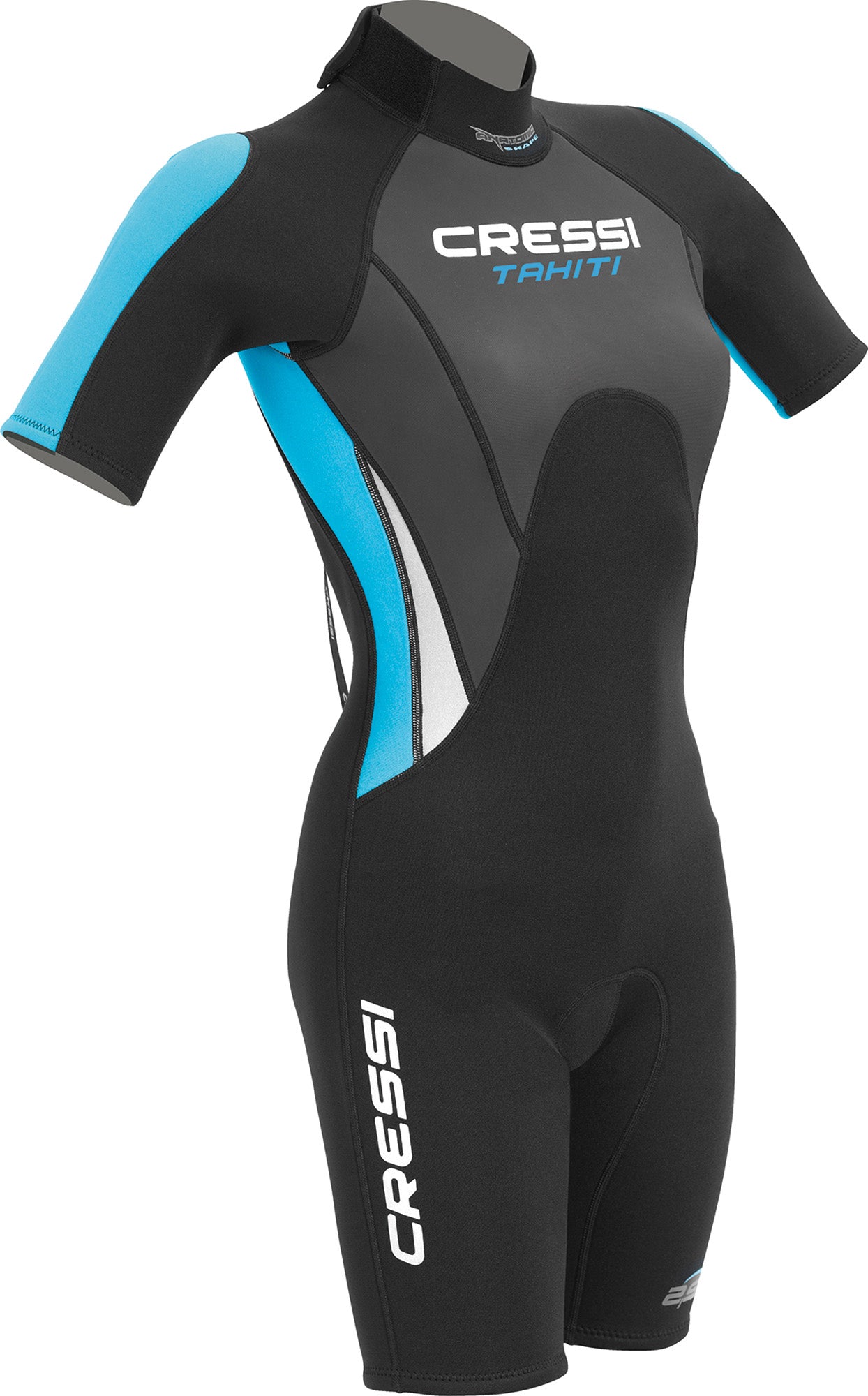
The right safety gear is a non-negotiable aspect of spearfishing. This includes, but is not limited to, a suitable wetsuit for thermal protection, gloves, a dive knife, and a float line attached to a buoy. The buoy serves multiple purposes: it signals the diver's presence to boats, provides a point of rest, and can carry additional safety equipment.
Dive computers or depth gauges and timers are also invaluable tools for monitoring dive times and ensuring safe ascent rates, reducing the risk of decompression sickness—a critical consideration for spearfishers who may engage in multiple dives throughout the day.
Perhaps the most crucial safety measure in spearfishing is the practice of diving with a companion. The buddy system ensures that in the event of an emergency, such as entanglement or equipment failure, immediate help is available. Effective communication, both before diving to discuss plans and signals and during the dive, enhances safety and the overall experience.
Comprehensive training that includes first aid, CPR, and rescue techniques further empowers spearfishers to handle potential emergencies. Many organizations and dive shops offer courses specifically tailored to the spearfishing community.
Understanding the dynamic nature of the ocean and its impact on spearfishing activities is essential for safe and enjoyable dives. Monitoring weather conditions, including wind patterns, swell forecasts, and tide movements, is crucial for determining suitable dive windows and locations.
Environmental awareness extends to respecting marine life and habitats. Spearfishers should strive to minimize their impact on the underwater environment, avoiding contact with sensitive species and refraining from disturbing delicate ecosystems. By practicing responsible behavior, fishers contribute to the preservation of California's marine biodiversity.
Amidst the discussions of legality and safety, the core of spearfishing's allure remains the adventure. California's diverse marine environments, from the kelp forests of the Channel Islands to the rocky reefs of the Northern coast, offer a backdrop for exploration and the pursuit of the underwater hunt.
Each region presents its own set of challenges and rewards. The kelp forests, with their towering stalks and leaves, provide a habitat for a variety of game species, including calico bass and white seabass. Navigating these underwater forests requires skill and patience but yields unparalleled encounters with marine life.
The rocky reefs and drop-offs along the coast are home to species like the lingcod and various rockfish, demanding a different approach. Here, the ability to read the environment and adapt one's techniques is key to a successful hunt.
Integral to the adventure of spearfishing is a commitment to conservation and ethical practices. Selective fishing, taking only what one needs, and adhering to regulations are principles that ensure the sustainability of California's marine resources. Spearfishers often become advocates for marine conservation, driven by a deep appreciation for the underwater world they engage with.
In conclusion, spearfishing in California is a multifaceted activity that intertwines the thrill of the hunt with a profound respect for the ocean and its inhabitants. Navigating the legal and safety aspects is essential, but at its heart, spearfishing is about connecting with the primal elements of nature and embracing the adventure that lies beneath the waves. As enthusiasts and guardians of the marine environment, spearfishers play a crucial role in the stewardship of California's oceanic treasures.
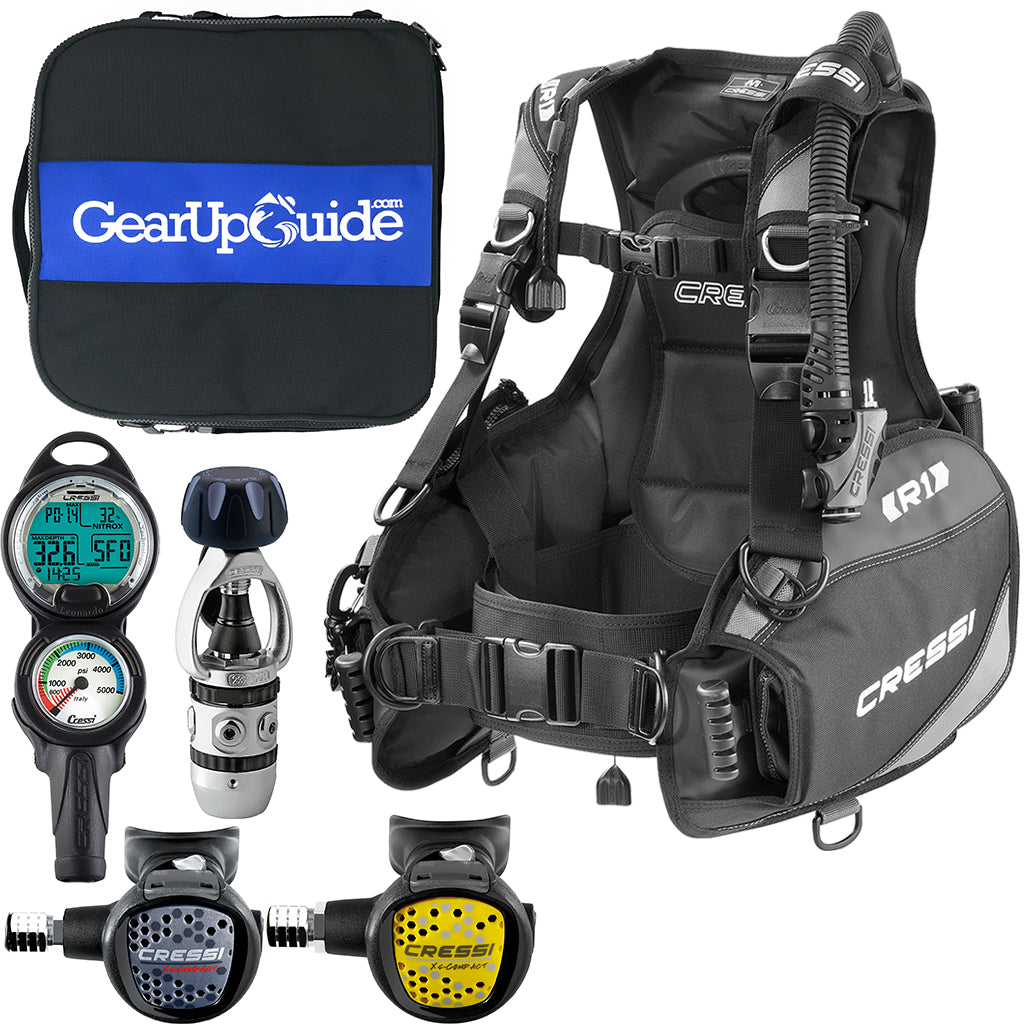
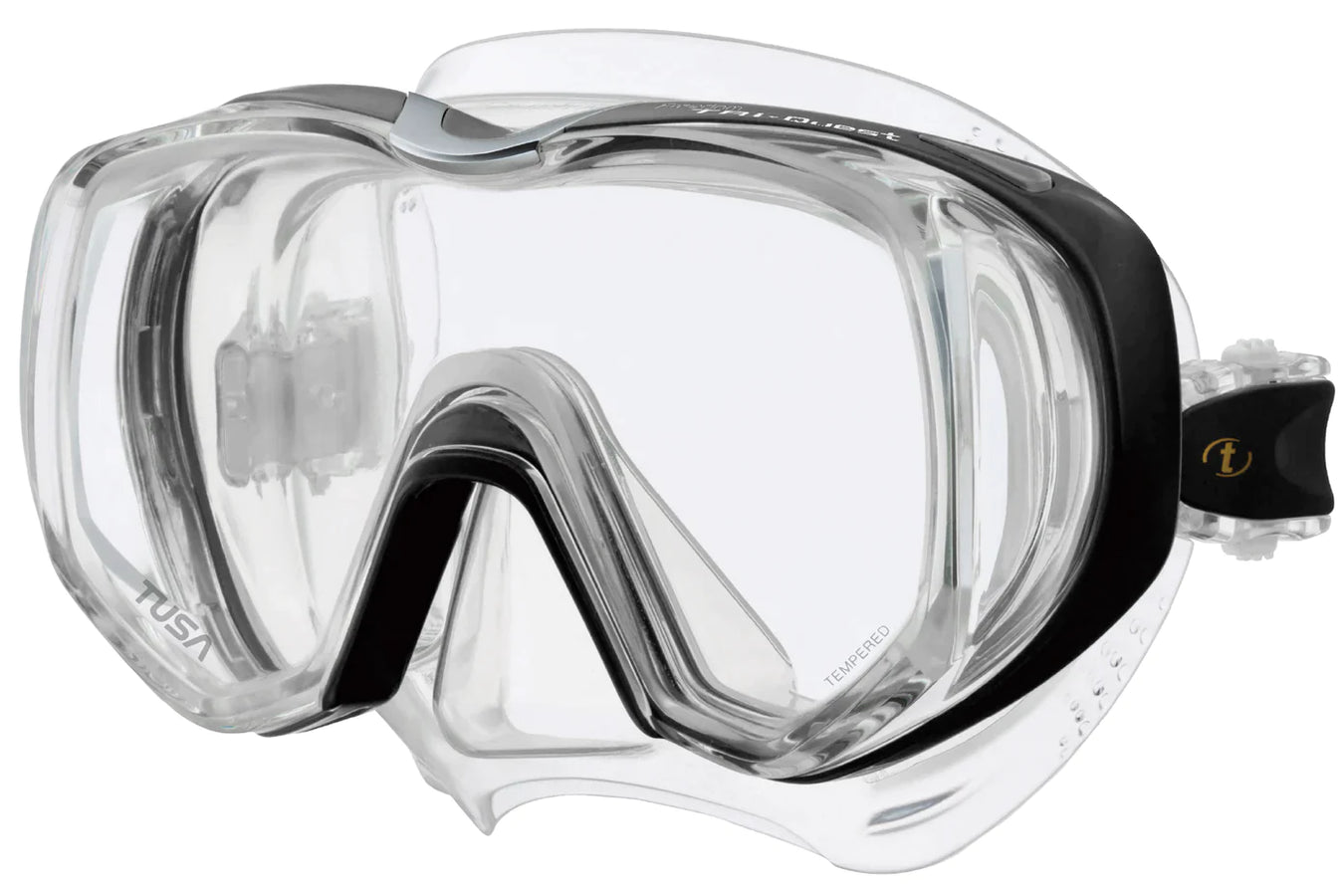
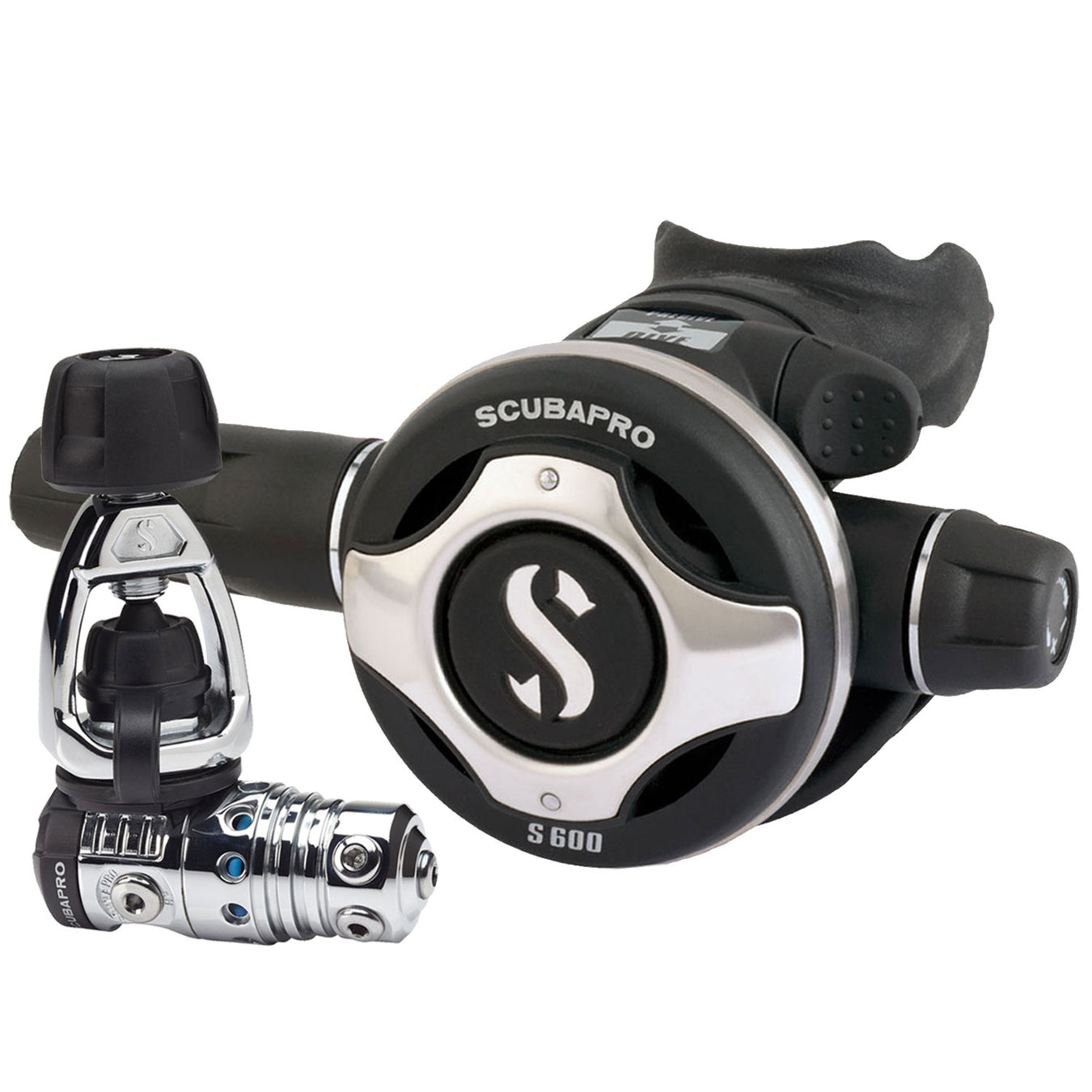
Ready to dive into the world of spearfishing with the right gear and expertise? Lancaster Scuba is your go-to destination for all your underwater pursuits. Whether you're just starting out or you're a seasoned spearfisher, we have the equipment and knowledge to enhance your experience. Check out our scuba gear and join our community of diving enthusiasts who share your passion for the ocean's depths. Gear up, dive in, and travel to the most breathtaking underwater destinations with Lancaster Scuba.


{"one"=>"Select 2 or 3 items to compare", "other"=>"{{ count }} of 3 items selected"}