

Exploring the Depths: Spearfishing in San Diego
Dive into the exhilarating world of spearfishing in San Diego! Discover the best spots, techniques, and gear for an unforgettable underwater adventure.
Read now
In the vast ocean of the English language, where words navigate through the currents of communication, the term "spearfishing" emerges as a beacon for adventure seekers and linguists alike. This exploration is not just about dissecting a word but diving into the cultural and linguistic depths that it encompasses. Spearfishing, a practice as ancient as humanity's relationship with the sea, is not only an activity that thrives on the thrill of the hunt but also a word that carries the weight of history, technique, and passion.
At first glance, "spearfishing" might seem like a simple term, but its linguistic waters are deep and teeming with intrigue. To understand its true essence, one must embark on a journey that explores its structure, history, and significance in the lexicon of the sea.
Before we can fully appreciate "spearfishing" as a term, it's crucial to grasp what compound words are. Compound words are formed when two or more words are combined to create a new word with a unique meaning. This linguistic phenomenon is akin to forging a new tool from existing materials, enhancing the language's capacity to describe the world.
Compound words can be categorized into three types: closed, hyphenated, and open. "Spearfishing" falls into the closed compound category, where two words are merged without space or hyphen, creating a seamless integration of form and meaning.
The roots of "spearfishing" stretch back to the dawn of human interaction with aquatic environments. The word "spear" itself originates from Old English "spere," referring to a sharp, pointed weapon used for hunting and combat. "Fishing," derived from the Old English "fiscian," means to catch or attempt to catch fish. When combined, these words encapsulate the essence of spearfishing: the pursuit of fish using a spear.
This etymological journey not only highlights the word's functional meaning but also its connection to humanity's survival and evolution. Spearfishing is more than a method; it's a testament to human ingenuity and adaptation.
Spearfishing is not merely a word or an action; it's a cultural phenomenon that has ebbed and flowed through human history. Its significance transcends the act of fishing, touching the shores of tradition, sustainability, and adventure.
From ancient civilizations to modern communities, spearfishing has been a vital part of cultural heritage around the globe. This ancient practice has been depicted in cave paintings, written records, and oral traditions, showcasing its role in survival and societal rituals. The techniques and tools may have evolved—from simple wooden spears to sophisticated pneumatic spearguns—but the essence of spearfishing remains unchanged: a deep connection between humans and the sea.
Today, spearfishing continues to be celebrated in various cultures, not only as a method of harvesting food but as a skill that fosters a profound understanding of marine ecosystems and the importance of sustainable practices.
The allure of spearfishing lies not only in its rich history but also in the adventure it promises. It invites individuals to immerse themselves in the underwater world, challenging them to learn, adapt, and respect the ocean's inhabitants. This pursuit of adventure is coupled with a growing emphasis on conservation. Spearfishers today are often at the forefront of marine conservation efforts, advocating for responsible fishing practices and the protection of underwater habitats.
By participating in spearfishing, individuals not only engage in an exhilarating activity but also contribute to the preservation of marine biodiversity. This dual aspect of adventure and conservation highlights the multifaceted significance of spearfishing in contemporary society.
As spearfishing has evolved over centuries, so too has the gear used by enthusiasts and professionals in this aquatic pursuit. From rudimentary tools to cutting-edge equipment, the evolution of spearfishing gear mirrors the advancements in technology, materials, and understanding of marine environments.
Early spearfishers relied on handmade wooden spears, crafted with precision to ensure successful hunts. These spears were propelled by human strength and skill, requiring close proximity to the target fish. Over time, innovations such as the introduction of metal-tipped spears and the development of spear guns revolutionized the sport, extending the range and accuracy of hunters.
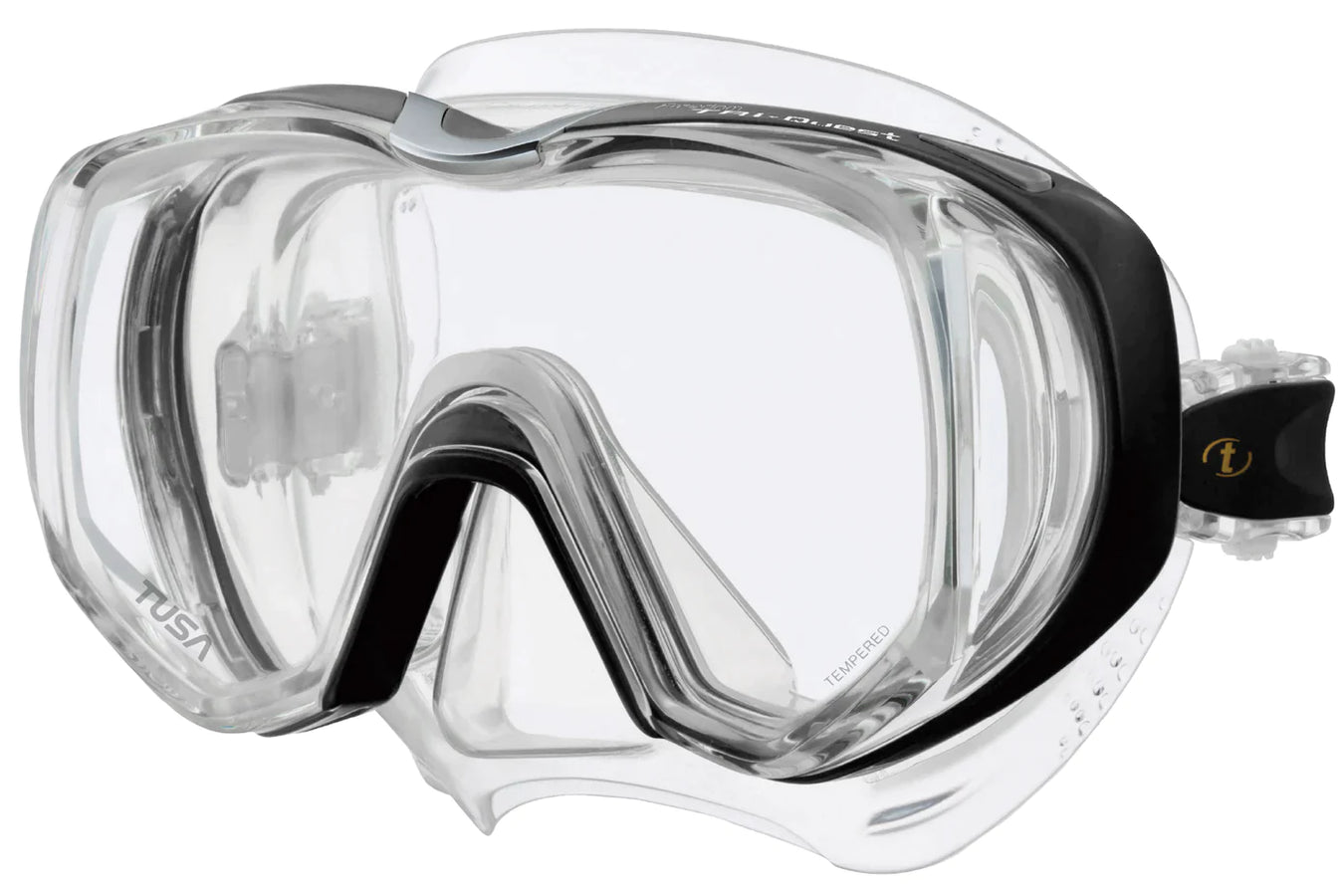
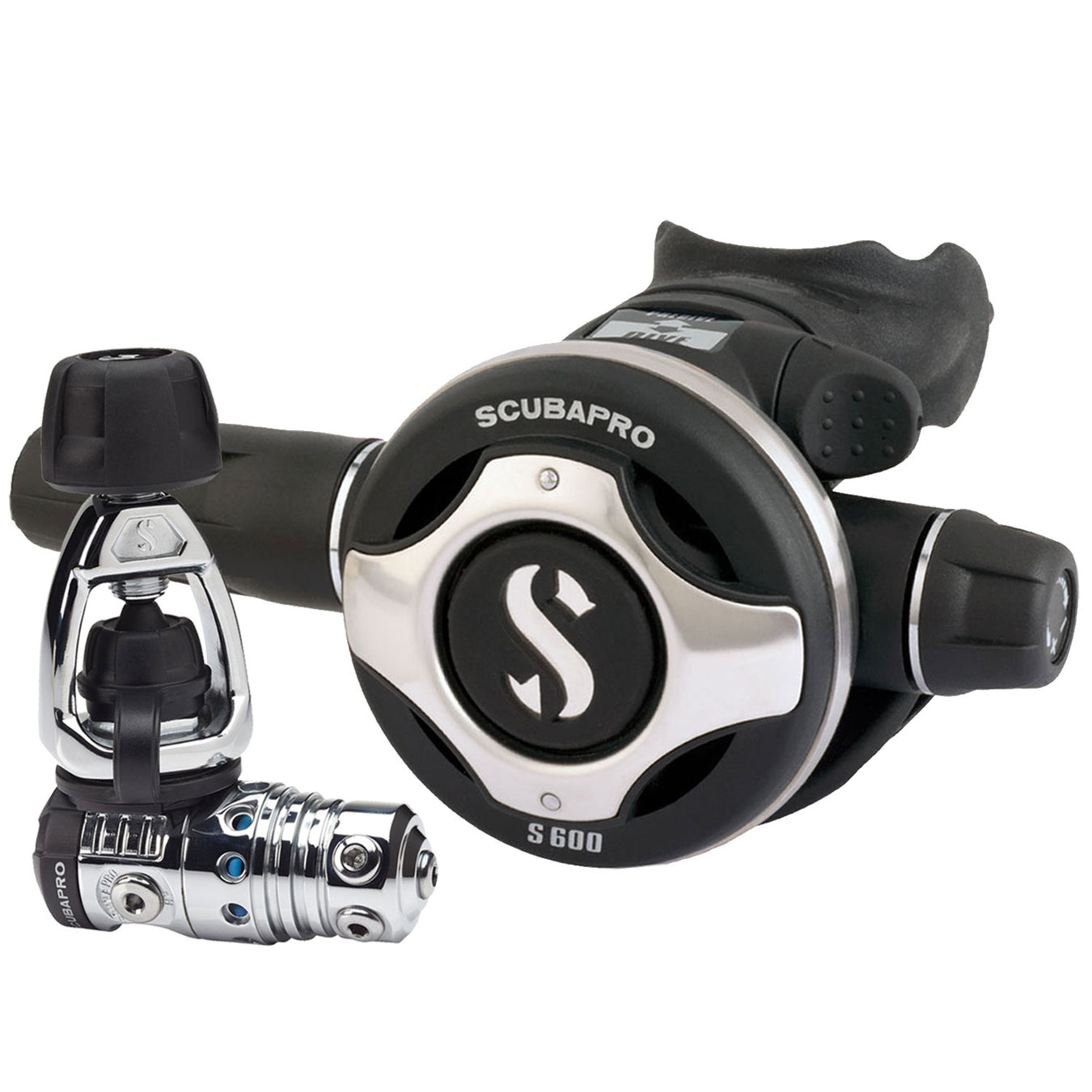
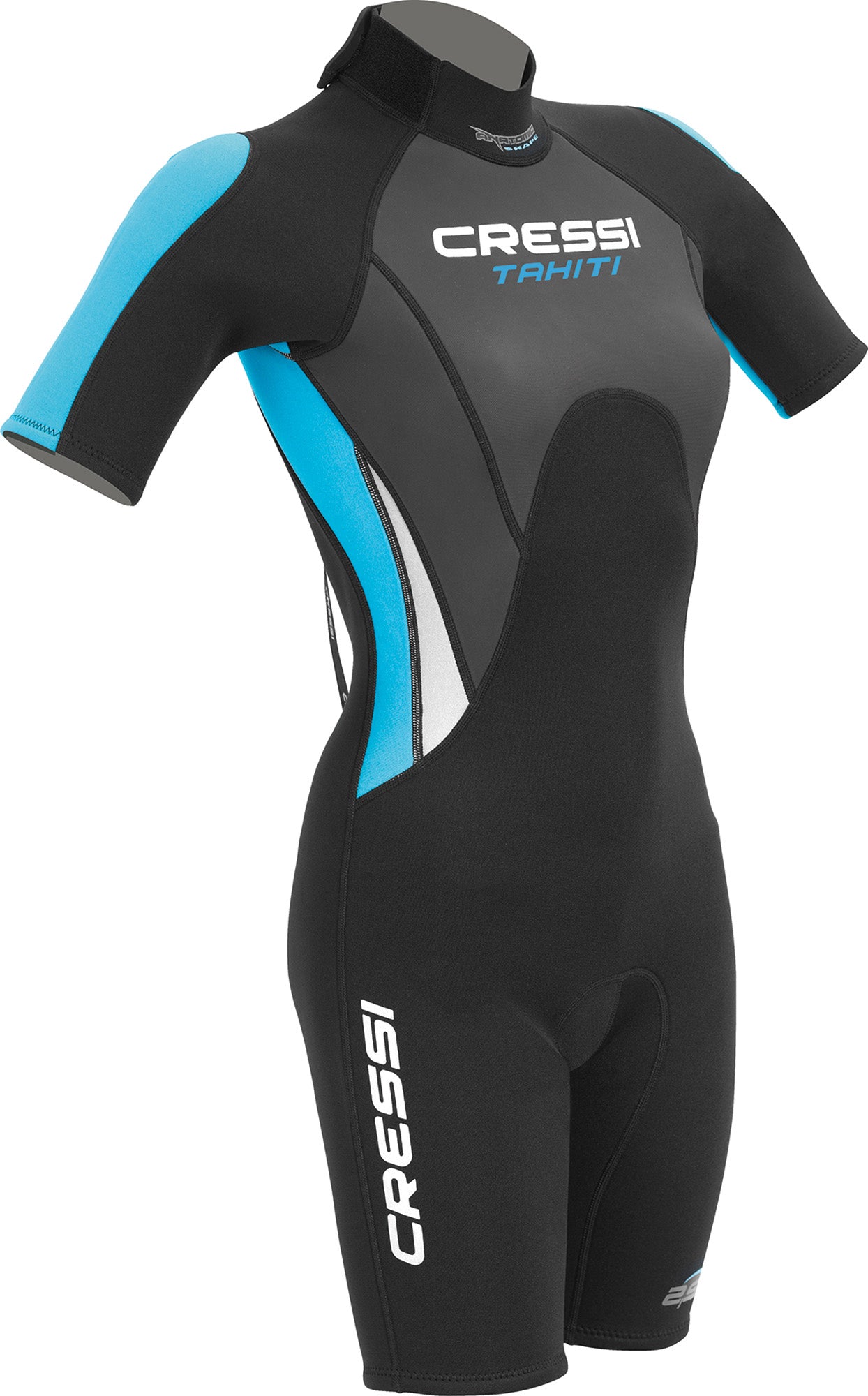
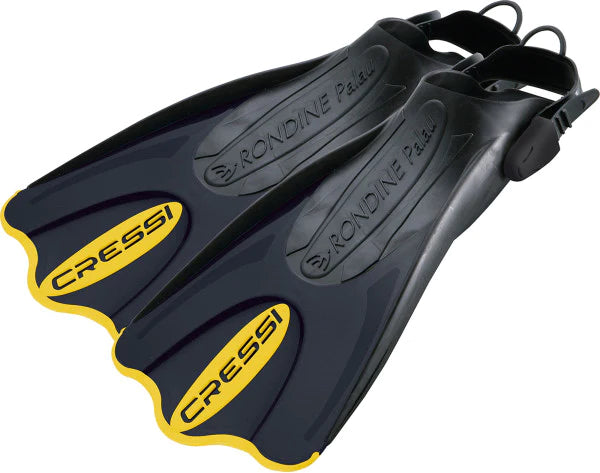
Modern spearfishing gear incorporates state-of-the-art materials like carbon fiber for spearguns, offering lightweight yet durable options for underwater marksmanship. Additionally, advancements in diving equipment, such as wetsuits, fins, and masks, have enhanced the comfort and safety of spearfishers, enabling them to explore deeper waters with ease.
Technology has played a pivotal role in shaping the practice of spearfishing, from its humble beginnings to the sophisticated techniques employed today. Innovations in underwater imaging systems have allowed spearfishers to scout for potential targets with greater precision, reducing the need for prolonged searches and minimizing the impact on marine ecosystems.
Furthermore, the integration of GPS navigation devices and depth sensors has empowered spearfishers to navigate unfamiliar waters confidently, ensuring safe and efficient hunting expeditions. The marriage of technology and tradition in spearfishing exemplifies the harmonious coexistence of ancient skills with modern advancements, enriching the experience for practitioners and promoting sustainable fishing practices.
While spearfishing offers a unique connection to the underwater world, it also raises concerns about its environmental impact and the sustainability of marine resources. As the popularity of spearfishing grows, so does the need for responsible practices that prioritize the health of aquatic ecosystems and the conservation of marine species.
One of the key considerations in sustainable spearfishing is the concept of selective harvesting, where hunters target specific species in controlled numbers to prevent overfishing and maintain ecological balance. By adhering to catch limits and regulations, spearfishers can contribute to the preservation of fish populations and the overall health of marine environments.
Additionally, the adoption of non-destructive fishing techniques, such as using slip tips on spears to minimize damage to non-target species, underscores the commitment of spearfishers to sustainable practices. Educating practitioners about the importance of marine conservation and promoting ethical behavior underwater are essential steps in ensuring the long-term viability of spearfishing as a recreational activity.
Recognizing the interconnectedness of marine ecosystems and human activities, spearfishing communities worldwide have initiated conservation projects and collaborative efforts to protect underwater habitats and marine biodiversity. These initiatives range from beach clean-ups and reef restoration projects to educational campaigns that raise awareness about the fragility of ocean ecosystems.
Engaging with local communities, conservation organizations, and governmental agencies, spearfishers have become ambassadors for marine conservation, advocating for sustainable fishing practices and the establishment of marine protected areas. By fostering partnerships and promoting stewardship of the marine environment, spearfishing enthusiasts contribute to the preservation of underwater ecosystems for future generations to enjoy.
"Spearfishing" is more than a compound word; it's a gateway to exploring the depths of human history, culture, and our relationship with the natural world. As we dissect its linguistic structure, we uncover layers of meaning that reflect the evolution of human ingenuity, the richness of cultural traditions, and the ongoing quest for adventure and conservation.
In the heart of every spearfisher, the word resonates with a sense of belonging to a community that values not only the thrill of the hunt but also the preservation of the marine environment. "Spearfishing" is not just about catching fish; it's about diving deeper into life's potential, exploring unknown territories, and embracing the adventure that lies beneath the surface.
As you contemplate the rich tapestry of spearfishing and its profound connection to both our past and the aquatic world, take the next step in your underwater adventure with Lancaster Scuba. Whether you're seeking the thrill of the hunt or the serenity of the sea, our extensive selection of scuba and water sports gear is designed to enhance your experience. From beginners to seasoned spearfishers, we offer the equipment and expertise to help you Gear up, Dive in, and Travel to your next underwater destination. Check out our scuba gear and join a community passionate about the sport and dedicated to marine conservation.


{"one"=>"Select 2 or 3 items to compare", "other"=>"{{ count }} of 3 items selected"}