

Exploring the Depths: Spearfishing in San Diego
Dive into the exhilarating world of spearfishing in San Diego! Discover the best spots, techniques, and gear for an unforgettable underwater adventure.
Read now
In the vast expanse of the ocean's embrace, two activities stand out for those drawn to explore its depths: scuba diving and snorkeling. Each offers a unique window into the underwater world, but the question of which is easier—scuba diving or snorkeling—invites us into a deeper conversation about adventure, safety, and the call of the sea.
Before we dive into the depths of comparing scuba diving with snorkeling, it's essential to understand the core of each activity. Both scuba diving and snorkeling serve as bridges to the aquatic realm, yet they differ fundamentally in approach, equipment, and the experiences they offer.
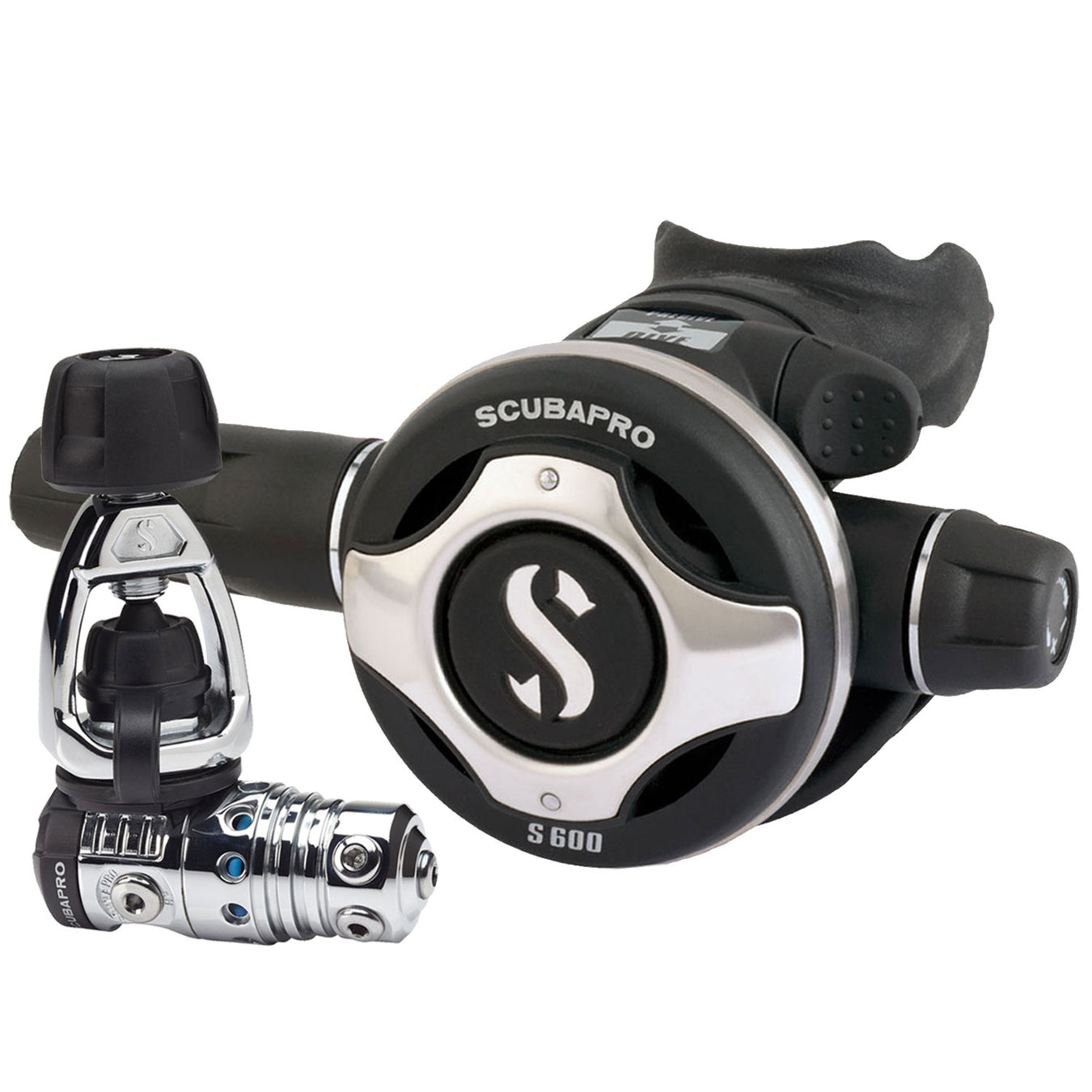
Scuba diving is an immersive experience that allows individuals to explore underwater environments for extended periods, thanks to the use of self-contained underwater breathing apparatus (SCUBA). It's a journey that not only requires certification and training but also a deep commitment to safety and education. Scuba diving opens up a world of deep-sea exploration, from coral reefs to shipwrecks, offering an unparalleled adventure into the unknown.
Statistics from the Professional Association of Diving Instructors (PADI) suggest that millions of people worldwide are certified scuba divers, a testament to the activity's popularity and the allure of exploring the depths of the ocean.
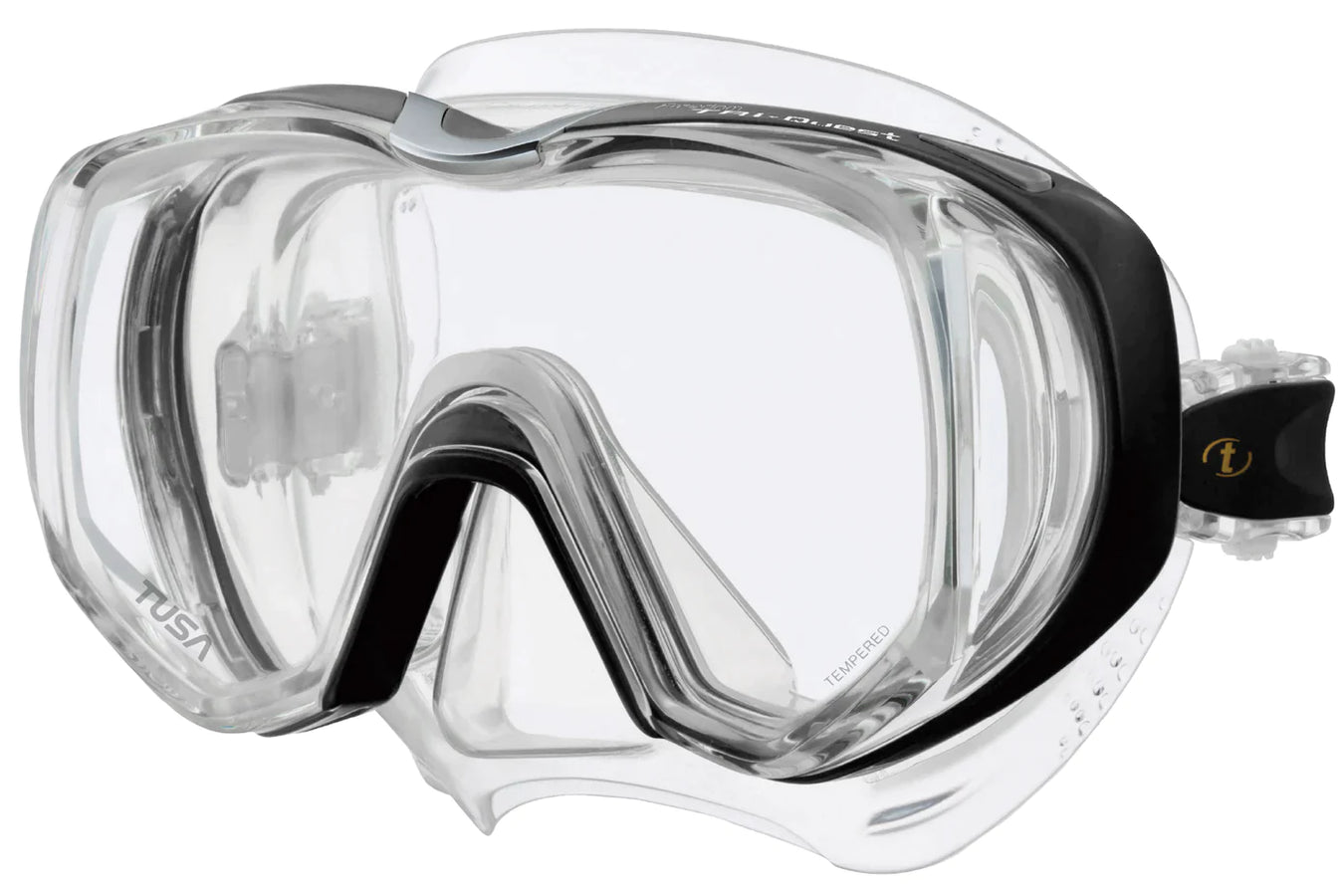
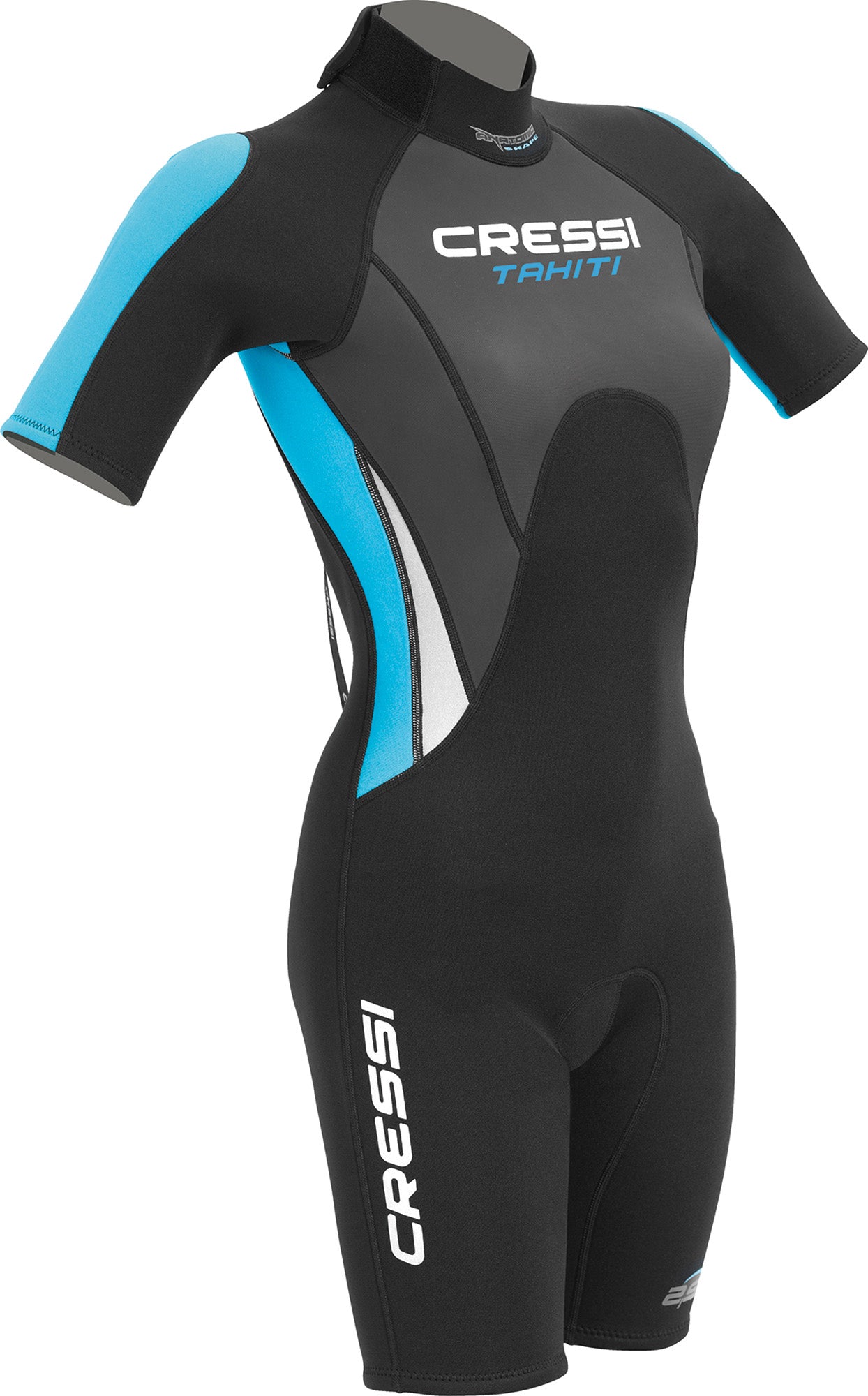
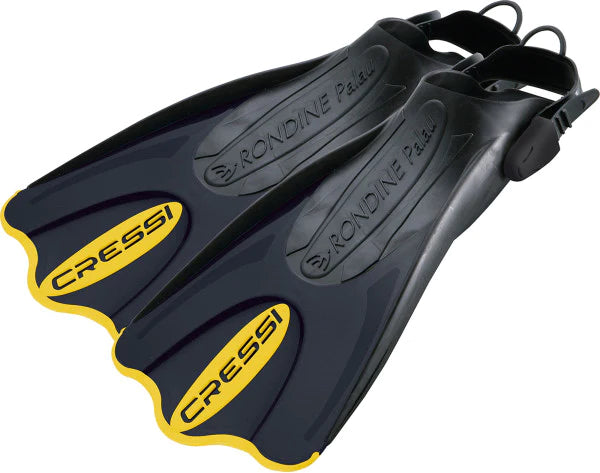
Snorkeling, on the other hand, is the practice of swimming on or through a body of water while equipped with a diving mask, a shaped breathing tube called a snorkel, and usually swim fins. In cooler waters, a wetsuit may also be worn. It provides a glimpse into the underwater world, accessible to most without the need for extensive training or certification. Snorkeling is often celebrated for its simplicity and the immediate joy it offers, allowing enthusiasts to observe underwater life in a natural setting.
According to a report by the Sports & Fitness Industry Association, snorkeling attracts millions of participants each year, highlighting its accessibility and appeal to a broad audience.
When considering whether scuba diving or snorkeling is easier, the learning curve is a critical factor. Both activities require a certain level of comfort and skill in the water, but the path to proficiency varies significantly between the two.
Scuba diving is an intricate dance with the laws of physics and physiology. It necessitates a comprehensive understanding of how pressure affects the body, mastering the use of diving equipment, and learning how to manage potential underwater emergencies. Becoming a certified diver involves completing a course that includes classroom learning, confined water dives, and open water dives to ensure divers are well-prepared for the adventures that lie beneath the waves.
The process of becoming certified, while rewarding, can be seen as a barrier to entry for some. However, it's this rigorous training that equips divers with the knowledge and skills to safely enjoy the wonders of the deep.
Snorkeling, in contrast, is often viewed as more accessible due to its minimal equipment and the lack of a need for certification. The basics of snorkeling can be learned quickly, often within a few hours, making it an attractive option for those seeking an uncomplicated way to explore underwater environments. While snorkeling is relatively easy to pick up, it still requires an understanding of basic safety practices, such as being aware of one's surroundings and knowing one's limits in the water.
This ease of entry makes snorkeling a popular choice for families and individuals looking to experience the ocean's beauty without the commitment required for scuba diving.
Adventure always comes with its risks, and both scuba diving and snorkeling are no exceptions. Understanding and respecting the safety considerations of each activity is paramount to ensuring a joyful and secure experience beneath the waves.
Scuba diving's complexity introduces specific safety concerns, primarily related to the effects of pressure and the use of breathing apparatus underwater. Divers must be vigilant about monitoring their air supply, equalizing pressure, and avoiding rapid ascents to prevent decompression sickness. The comprehensive training divers undergo is designed to mitigate these risks, emphasizing the importance of preparation and caution in the pursuit of underwater exploration.
Despite the inherent risks, data from Divers Alert Network (DAN) indicates that scuba diving, when practiced responsibly, has a relatively low incident rate, underscoring the effectiveness of proper training and safety measures.
While snorkeling is generally considered safer than scuba diving due to its simplicity and the fact that it's practiced at the water's surface, it is not without its hazards. Snorkelers must be mindful of water conditions, such as currents and waves, and ensure they are swimming in areas appropriate for their skill level. Additionally, snorkelers should always use the buddy system and be aware of their physical limitations to prevent exhaustion or panic.
Despite these precautions, snorkeling remains an accessible and relatively safe way for people of all ages to enjoy the underwater world, provided they adhere to basic safety guidelines.
Whether through the lens of a scuba mask or the simplicity of a snorkel, the ocean beckons with mysteries and marvels waiting to be discovered. The choice between scuba diving and snorkeling ultimately depends on one's desire for adventure, commitment to learning, and respect for the sea's vast power and beauty.
For those who yearn to delve into the ocean's depths, to glide alongside majestic sea creatures, and to uncover the secrets of sunken ships, scuba diving offers an unparalleled journey. It's a path that requires dedication, but for those who choose to take it, the rewards are as boundless as the seas themselves.
Scuba diving enthusiasts often find themselves captivated by the sense of weightlessness underwater, the vibrant colors of marine life, and the thrill of exploring underwater caves and crevices. The underwater world holds a mesmerizing allure, drawing divers into a realm where time seems to stand still, and every dive brings new discoveries.
Snorkeling, with its ease and accessibility, invites everyone to witness the splendor of the underwater world. It's a celebration of the ocean's surface beauty, a way to connect with nature that is both simple and profound. For many, snorkeling is the first step in a lifelong love affair with the sea, a glimpse into a world of wonder that lies just beneath the waves.
Snorkelers often find themselves enchanted by the tranquility of floating on the water's surface, gazing down at vibrant coral reefs teeming with life. The gentle lapping of waves, the play of sunlight on the ocean floor, and the kaleidoscope of colors beneath the surface create a sense of peace and wonder that is unmatched in any other environment.
In the end, whether scuba diving is easier than snorkeling is a question of personal preference, goals, and perspectives. Both offer gateways to adventure, each with its own charms and challenges. What matters most is the respect we bring to our interactions with the ocean and the joy we take from these encounters with the unknown.
Ready to take the plunge and experience the wonders of the ocean firsthand? Whether you're drawn to the serene beauty of snorkeling or the thrilling depths of scuba diving, Lancaster Scuba is your gateway to the underwater world. With our expert diving instruction, extensive selection of gear, and exciting travel opportunities, we're here to support your aquatic journey every step of the way. Check out our scuba gear and start your adventure today!


{"one"=>"Select 2 or 3 items to compare", "other"=>"{{ count }} of 3 items selected"}