

Exploring the Depths: Spearfishing in San Diego
Dive into the exhilarating world of spearfishing in San Diego! Discover the best spots, techniques, and gear for an unforgettable underwater adventure.
Read now
In the vast expanse of the ocean, two activities stand out for their ability to bring humans closer to the underwater world: scuba diving and snorkeling. Each offers a unique window into the marine environment, but they differ significantly in technique, experience, and the level of adventure they provide. This exploration seeks to dive deep into the heart of both activities, comparing their ease, accessibility, and the enchantment they hold beneath the waves.
Before we delve into the depths of comparing scuba diving with snorkeling, it's crucial to understand the core of each activity. Both are gateways to the underwater realm but cater to different desires and skill levels.
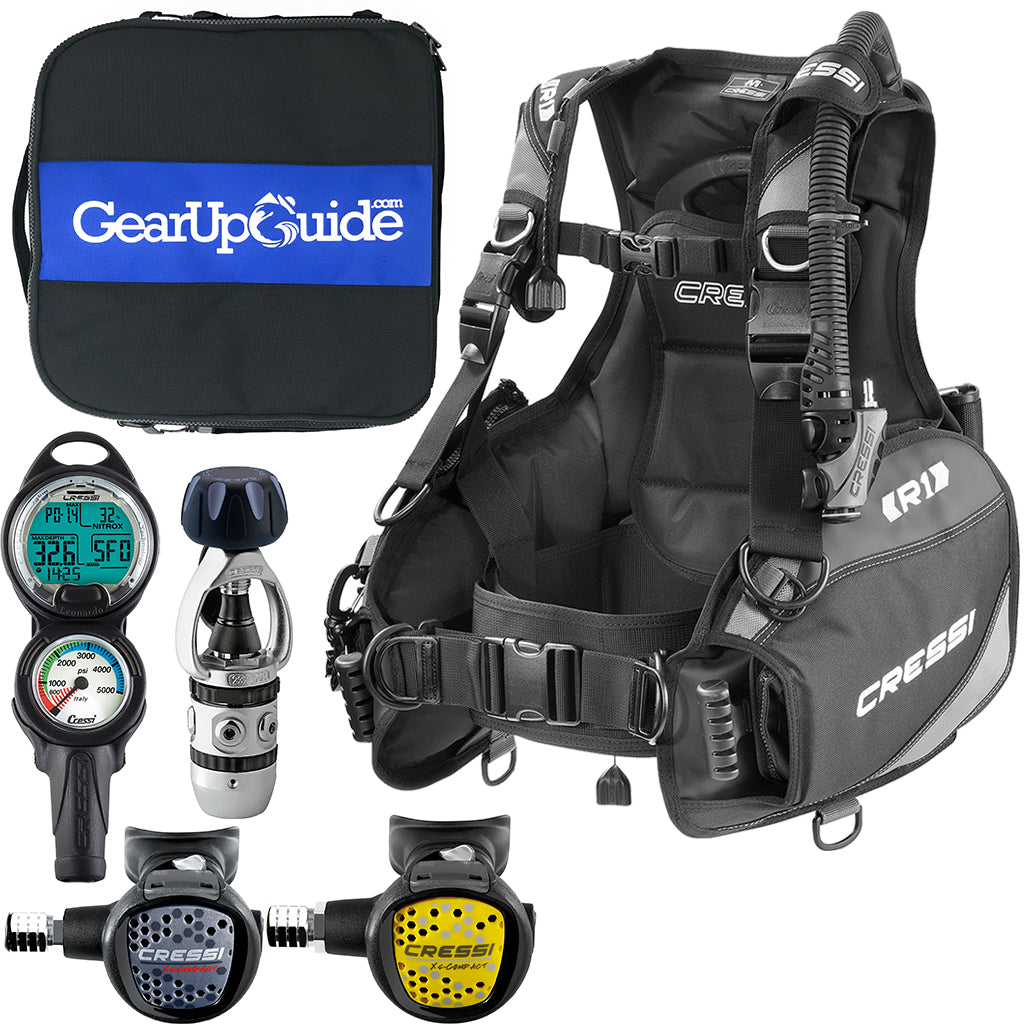
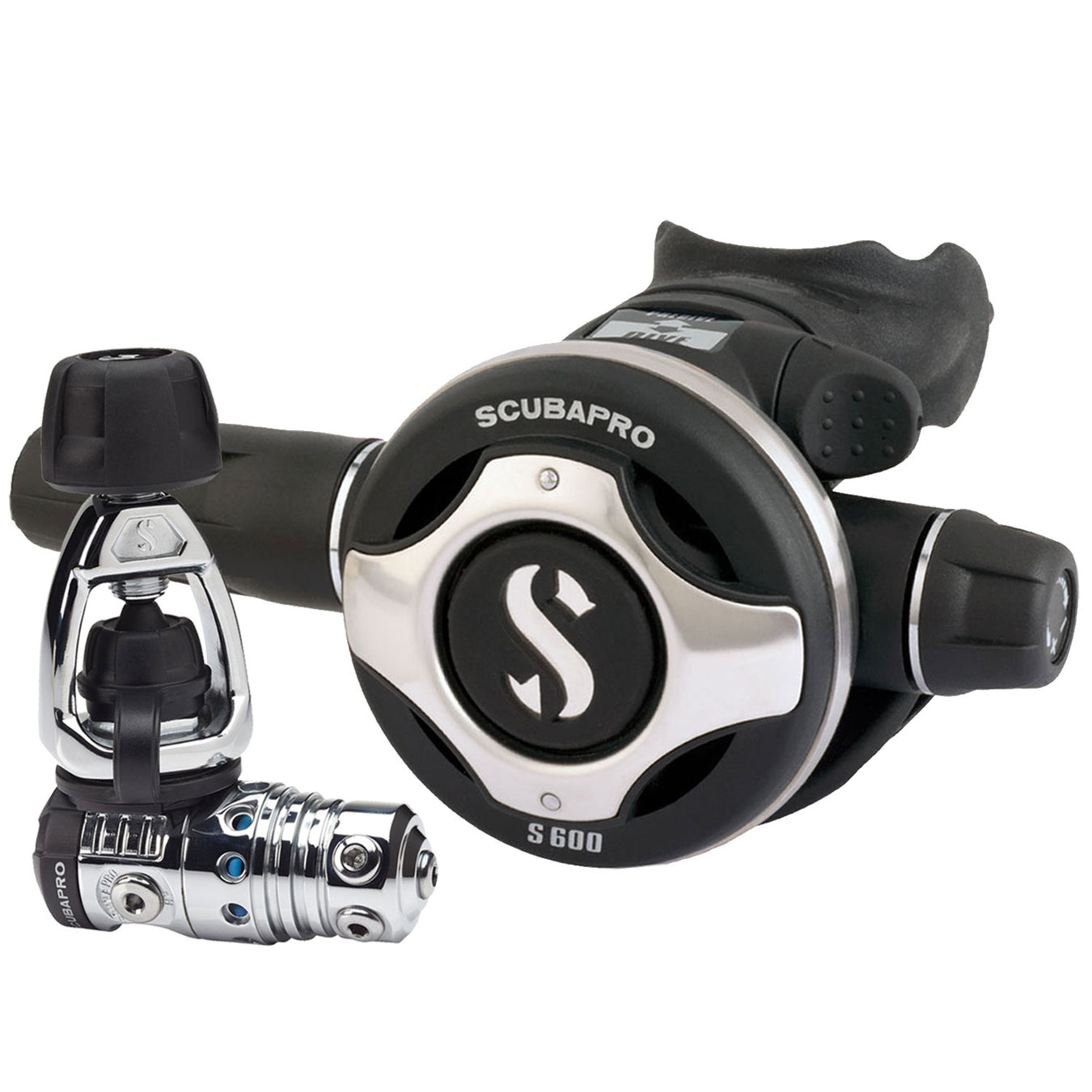
Scuba diving is an activity that allows individuals to go underwater and stay there for extended periods using self-contained underwater breathing apparatus (SCUBA). It's a form of deep-sea exploration that not only requires certification and training but also a passion for adventure. Scuba diving offers the chance to explore deeper parts of the ocean, including coral reefs, shipwrecks, and underwater caves.
According to the Professional Association of Diving Instructors (PADI), over one million people become certified divers each year, seeking the thrill and serenity found beneath the ocean's surface. This statistic highlights the growing interest and accessibility of scuba diving as a sport and adventure activity.
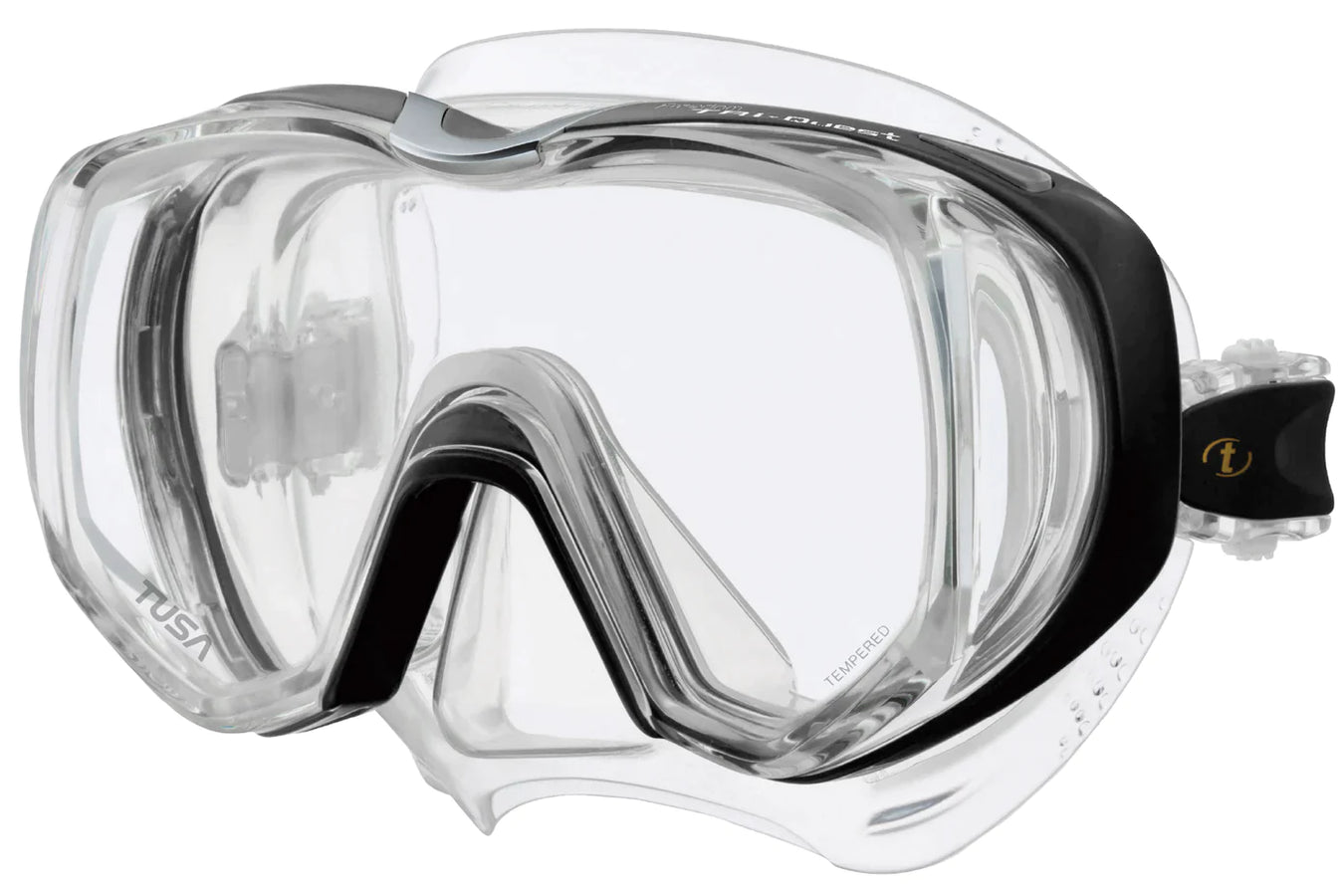
Snorkeling, on the other hand, is a more accessible and less equipment-intensive way to observe underwater life. It involves swimming at the surface of the water with a snorkel and mask, allowing the snorkeler to breathe while facing downward into the water. Snorkeling is often considered an introductory activity to the underwater world, offering glimpses of marine life without the need for extensive training or equipment.
A study by the Marine Project found that snorkeling is among the top marine activities enjoyed by tourists globally, indicating its popularity and ease of access for people of all ages and skill levels.
When considering whether scuba diving is easier than snorkeling, the learning curve is a significant factor. Both activities require different levels of preparation, training, and comfort with being in the water.
Scuba diving requires a certification that involves both theoretical knowledge and practical training. The process typically includes learning about dive theory, equipment, safety procedures, and completing a series of confined and open water dives. This comprehensive training ensures that divers are well-prepared to handle the complexities and potential risks of diving.
Statistics show that the average time to complete a basic open water diver certification is between 4 to 7 days, depending on the intensity of the course and the individual's comfort and ability in the water.
Snorkeling, in contrast, requires minimal instruction. Most individuals can begin snorkeling with a brief overview of how to use the snorkel and mask, and some basic swimming skills. The ease of entry makes snorkeling a popular choice for families and individuals looking to experience marine life without the commitment of scuba diving certification.
Despite its simplicity, snorkeling still benefits from learning proper techniques, such as how to clear water from the snorkel and how to move efficiently in the water, to enhance the experience and safety of the snorkeler.
Safety is paramount in both scuba diving and snorkeling, but the nature and extent of safety concerns differ significantly between the two activities.
Scuba diving's complexity introduces a range of safety considerations, from managing air supply to avoiding decompression sickness. Divers are trained to monitor their equipment, communicate with their dive buddy, and recognize signs of distress. The Divers Alert Network (DAN) reports that the majority of diving incidents are preventable through proper training, awareness, and adherence to safety protocols.
While snorkeling is less technically demanding, it is not without risks. Strong currents, waves, and marine life encounters can pose challenges to snorkelers. Basic safety measures, such as using a flotation device, snorkeling in groups, and being aware of weather and water conditions, are essential for a safe snorkeling experience.
Both scuba diving and snorkeling offer unique opportunities for adventure and exploration, but the scope and depth of these experiences vary greatly.
Scuba diving unlocks a world of deep-sea exploration that is inaccessible to snorkelers. From diving alongside majestic whale sharks to exploring sunken shipwrecks and vibrant coral reefs, scuba diving offers an unparalleled adventure. The ability to dive deep and stay underwater for extended periods allows divers to fully immerse themselves in the marine environment.
For those seeking a more adrenaline-fueled experience, cave diving presents a thrilling challenge. Navigating through underwater caves requires specialized training and equipment, adding an extra layer of excitement and skill to the diving experience.
Snorkeling may not offer the same depth of exploration as scuba diving, but it provides a readily accessible and equally enchanting view of the underwater world. Snorkelers can enjoy the beauty of shallow reefs, swim with schools of colorful fish, and even have encounters with friendly sea turtles. Its accessibility makes snorkeling a wonderful way for people of all ages to connect with the ocean.
Both scuba diving and snorkeling provide opportunities for individuals to witness the beauty of marine ecosystems up close. With this proximity comes a responsibility to protect and preserve these fragile environments for future generations.
Scuba divers often engage in conservation efforts, such as participating in reef clean-up initiatives, monitoring marine life populations, and advocating for sustainable practices in the diving industry. Organizations like Project AWARE work to mobilize divers worldwide to protect underwater environments and promote ocean conservation.
Snorkeling can serve as a gateway to marine education, inspiring individuals to learn more about the ecosystems they explore. Marine parks and educational programs often incorporate snorkeling activities to raise awareness about the importance of preserving marine biodiversity and the threats facing ocean ecosystems.
Engaging in underwater activities like scuba diving and snorkeling not only fosters a connection to nature but also creates opportunities for social interaction and community building.
Scuba diving enthusiasts often join dive clubs or participate in group excursions to explore new dive sites and share their passion for the underwater world. These communities provide a platform for divers to exchange experiences, knowledge, and tips, creating a sense of camaraderie among like-minded individuals.
Snorkeling is a family-friendly activity that can strengthen bonds and create lasting memories. Parents and children can explore the underwater world together, marveling at colorful fish, intricate coral formations, and other marine wonders. Sharing snorkeling experiences can instill a love for nature and adventure in the younger generation.
Is scuba diving easier than snorkeling? The answer depends on one's perspective, goals, and level of commitment to underwater exploration. Snorkeling offers an accessible and straightforward way to enjoy the marine world, making it an excellent choice for casual adventurers and families. Scuba diving, while requiring more preparation and commitment, provides a deeper, more immersive experience for those seeking to explore the ocean's mysteries.
Ultimately, both scuba diving and snorkeling serve as gateways to the incredible beauty and diversity of the underwater world. Whether floating on the surface or diving deep into the blue, the adventure and connection to the marine environment these activities offer are unmatched. The choice between scuba diving and snorkeling is not about which is easier but about which path of exploration calls to you.
Ready to take the plunge and discover the wonders of the ocean for yourself? Whether you're drawn to the simplicity of snorkeling or the depth of scuba diving, Lancaster Scuba is here to guide you every step of the way. With our extensive selection of gear, expert diving instruction, and thrilling travel opportunities, you're set for an unforgettable aquatic adventure. Check out our scuba gear today and embark on a journey that transcends the surface!


{"one"=>"Select 2 or 3 items to compare", "other"=>"{{ count }} of 3 items selected"}