

Exploring the Depths: Spearfishing in San Diego
Dive into the exhilarating world of spearfishing in San Diego! Discover the best spots, techniques, and gear for an unforgettable underwater adventure.
Read now
In the vast expanse of the ocean, where the thrill of exploration meets the serenity of the underwater world, scuba diving emerges as a sport wrapped in layers of mystery and allure. It's a realm where adventurers seek to uncover the secrets hidden beneath the waves, pushing the boundaries of human experience. Yet, with the call of adventure comes the whisper of caution, prompting a pivotal question: Is scuba diving dangerous?
This article delves deep into the heart of scuba diving, exploring the inherent risks, safety measures, and the indomitable spirit of adventure that defines the diving community. Drawing from a wealth of knowledge and experience, we aim to provide a comprehensive understanding of what it means to dive into the unknown.
Understanding the risks associated with scuba diving is essential for both seasoned divers and novices alike. It's a blend of respect for the ocean's power and a commitment to safety that shapes the diving experience.
Scuba diving is physically demanding, requiring divers to be in good health and condition. The pressure differences between the surface and the depths can affect the body in various ways, leading to conditions such as decompression sickness, also known as the bends. Moreover, the underwater environment exposes divers to the risk of hypothermia, barotrauma, and oxygen toxicity, each a testament to the ocean's unforgiving nature.
Statistics from the Divers Alert Network (DAN) indicate that the majority of diving incidents are related to health issues, emphasizing the importance of physical fitness and proper health screening before diving.
The ocean is a dynamic and sometimes unpredictable environment. Currents can change swiftly, visibility can decrease without warning, and marine life, while often beautiful, can also pose risks. Divers must be prepared to navigate these challenges, relying on their training, experience, and respect for the ocean to ensure their safety.
Encounters with certain species, such as jellyfish or venomous fish, can lead to injuries if divers are not cautious. However, incidents involving marine life are relatively rare, with most underwater creatures preferring to avoid human interaction.
Despite rigorous safety protocols and equipment checks, there is always a possibility of gear malfunction during a dive. This is why divers are trained in emergency procedures, such as sharing air with a buddy in case of a regulator failure, performing controlled emergency swimming ascents, and managing buoyancy issues underwater.
Being prepared for contingencies and staying calm in stressful situations are crucial skills that all divers must cultivate. Regular practice of emergency drills during training helps divers react swiftly and effectively in case of unexpected emergencies.
Safety is the cornerstone of scuba diving, with education and preparation serving as the foundation upon which safe diving practices are built.
Comprehensive training is the first step in mitigating the risks associated with scuba diving. Certification courses from recognized organizations like PADI (Professional Association of Diving Instructors) and NAUI (National Association of Underwater Instructors) cover everything from basic diving skills to emergency response techniques. These courses are designed to prepare divers for the challenges they may face, equipping them with the knowledge and skills necessary for safe diving.
Continuing education, including advanced courses and specialty certifications, allows divers to further their skills and understanding, making them better prepared to handle a variety of diving conditions and scenarios.
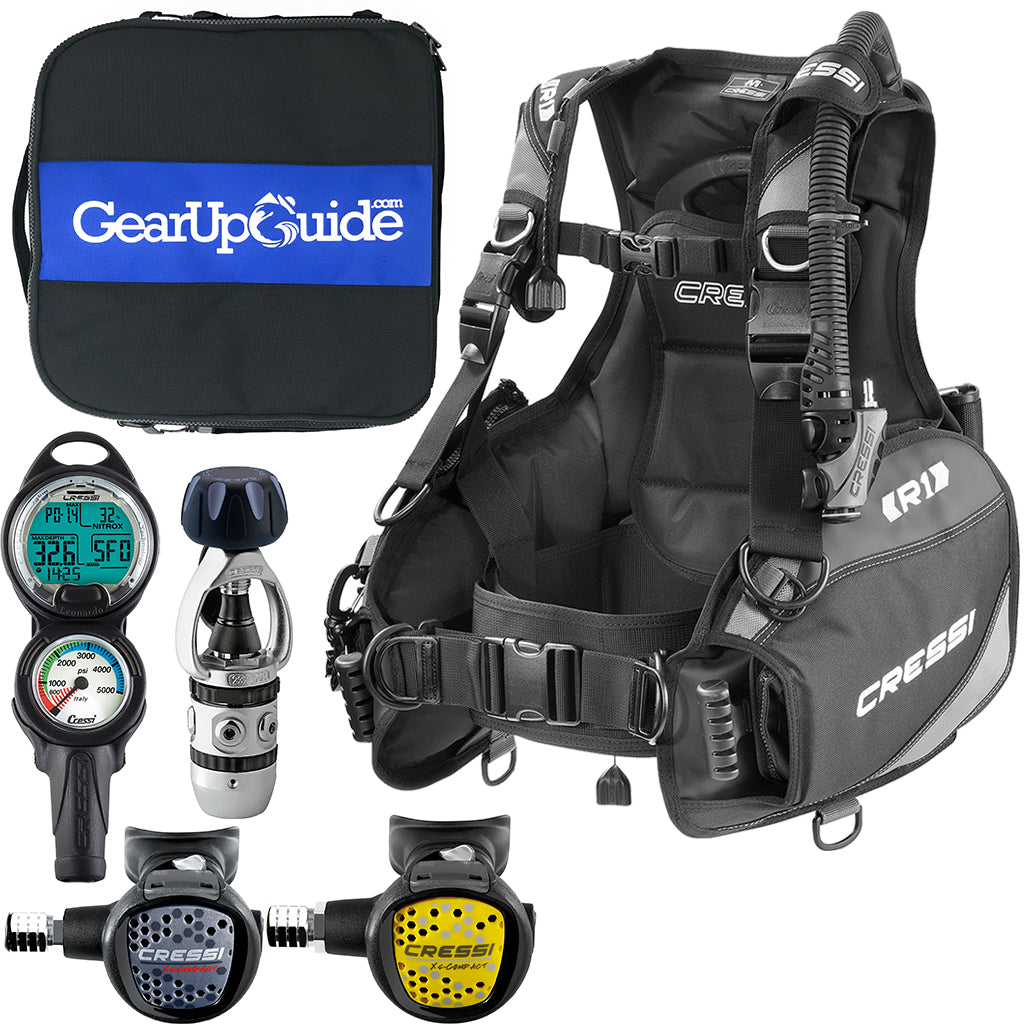
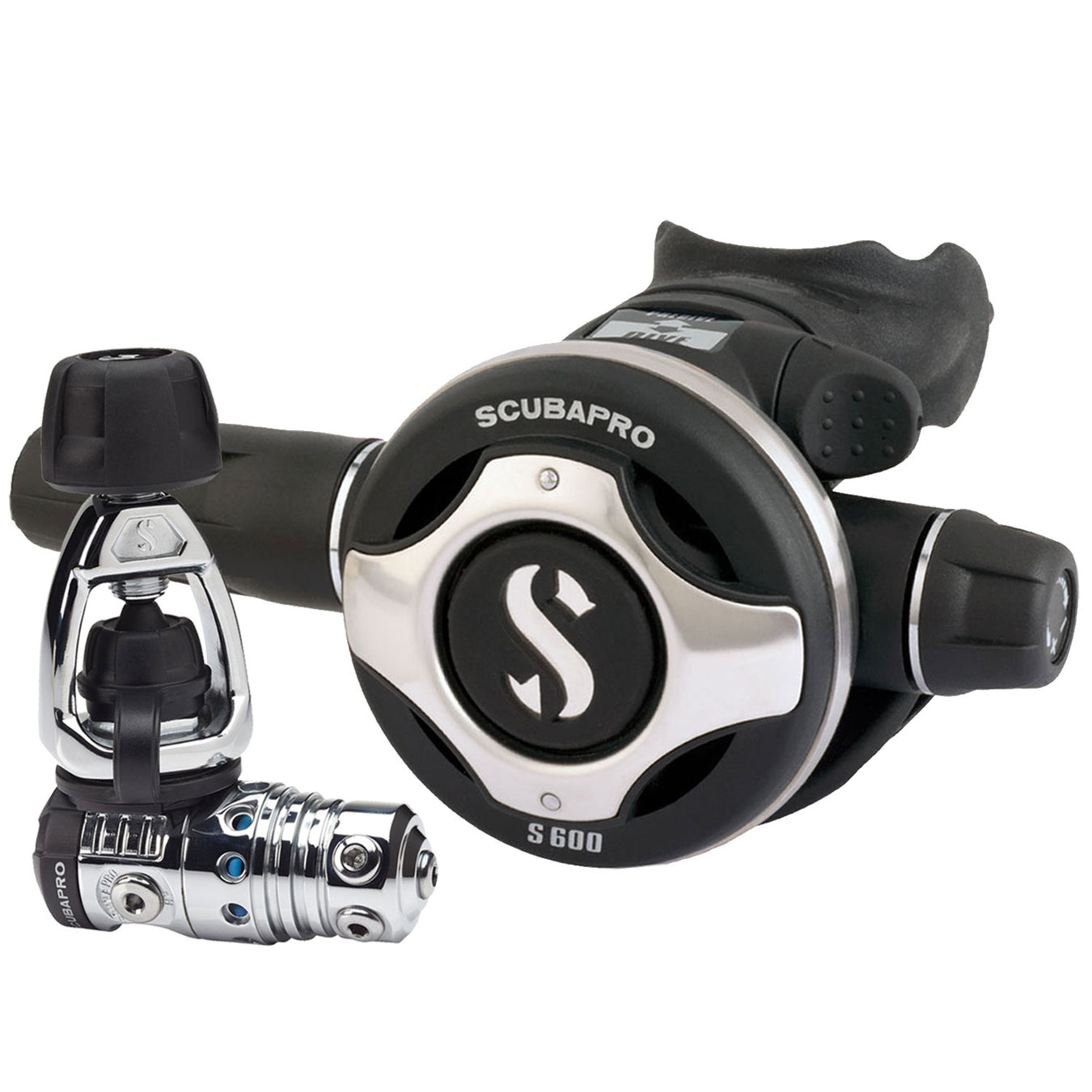
Before every dive, a thorough safety check of all equipment is crucial. This includes inspecting the scuba tank, regulator, buoyancy control device (BCD), and all other gear to ensure everything is in working order. Regular maintenance and servicing of equipment are equally important, as malfunctioning gear can pose significant risks underwater.
Divers are also encouraged to dive within their limits, gradually building their experience and comfort level under the guidance of more experienced divers or instructors.
Effective dive planning is essential for a safe and enjoyable underwater experience. This includes assessing factors such as depth, dive time, currents, and potential hazards before entering the water. Divers should also establish clear communication protocols with their buddies or dive group to ensure swift response in case of emergencies.
Using dive tables or dive computers to monitor nitrogen levels and bottom times helps prevent decompression sickness, a serious risk associated with ascending too quickly from depth. By adhering to planned dive profiles and communicating effectively with their dive partners, divers can minimize the likelihood of accidents underwater.
Despite the risks, scuba diving remains an exhilarating adventure, offering unparalleled opportunities to explore the wonders of the underwater world.
The allure of discovering hidden shipwrecks, swimming alongside majestic marine life, and experiencing the tranquility of the underwater realm continues to draw adventurers to scuba diving. Each dive is a unique journey into the unknown, filled with the potential for awe-inspiring encounters and personal growth.
With the right approach to safety and a spirit of adventure, scuba diving can be a rewarding experience that enriches the lives of those who dare to dive deep.
Responsible diving goes beyond personal safety; it extends to protecting the marine environment for future generations. Divers are encouraged to follow established guidelines for interacting with marine life, such as maintaining a safe distance from delicate coral reefs and refraining from touching or disturbing underwater creatures.
Participating in underwater clean-up initiatives, supporting marine conservation organizations, and advocating for sustainable diving practices are ways in which divers can contribute to the preservation of the ocean ecosystem they cherish.
For those seeking to explore deeper waters or engage in more challenging dive environments, technical diving offers a pathway to new frontiers. Technical diving involves advanced training in gas mixtures, decompression procedures, and equipment configurations that enable divers to safely explore depths beyond traditional recreational limits.
Specialized courses in cave diving, wreck penetration, and rebreather diving provide divers with the skills and knowledge required to undertake complex underwater missions. However, technical diving also comes with increased risks, necessitating a meticulous approach to safety and adherence to strict protocols.
By pursuing specialized training and gaining experience in technical diving, enthusiasts can unlock a realm of underwater possibilities while ensuring they have the expertise to navigate challenging conditions safely.
As you contemplate the exhilarating yet cautious world of scuba diving, Lancaster Scuba is here to ensure your underwater journeys are equipped with safety, expertise, and the finest gear. Whether you're a novice diver or a seasoned technical explorer, our comprehensive "Gear. Dive. Travel." approach provides you with top-notch equipment, professional PADI certification courses, and unforgettable dive trips. Ready to dive into your next adventure with confidence? Check out our scuba gear and embark on a seamless diving experience that promises both thrill and safety.


{"one"=>"Select 2 or 3 items to compare", "other"=>"{{ count }} of 3 items selected"}