

Exploring the Depths: Spearfishing in San Diego
Dive into the exhilarating world of spearfishing in San Diego! Discover the best spots, techniques, and gear for an unforgettable underwater adventure.
Read now
In the vast, blue expanse of the ocean, spearfishing stands as a testament to the human spirit's quest for adventure and sustenance. Yet, in the modern era, this ancient practice intersects with contemporary regulations, particularly when combined with scuba gear. This article delves into the legalities, ethical considerations, and safety measures surrounding spearfishing with scuba gear, offering a comprehensive guide for enthusiasts seeking to explore the depths responsibly.
The question of legality when it comes to spearfishing with scuba gear is not straightforward. Regulations vary significantly across jurisdictions, reflecting the delicate balance between preserving marine ecosystems and supporting recreational activities. Understanding these laws is crucial for any diver considering spearfishing as part of their underwater adventure.
Internationally, the stance on spearfishing with scuba gear is diverse. In some countries, the practice is entirely prohibited, while in others, it is heavily regulated. For instance, in certain parts of the Caribbean, spearfishing with scuba gear is illegal due to concerns over reef conservation and fish population sustainability. Conversely, countries like Australia and New Zealand have specific zones where spearfishing with scuba gear is permitted, albeit under strict regulations that aim to protect marine life and habitats.
These regulations often include limits on the types of fish that can be targeted, restrictions on spearfishing in protected marine areas, and the requirement for divers to obtain a spearfishing license. The rationale behind these laws is to ensure that spearfishing practices do not contribute to overfishing and that they support the long-term health of marine ecosystems.
For divers in the United States, the legality of spearfishing with scuba gear varies by state and sometimes even by specific bodies of water within a state. For example, California allows spearfishing with scuba gear in most ocean areas but prohibits it in freshwater environments. Meanwhile, Florida has designated spearfishing zones and species-specific regulations to protect its diverse marine life.
It is imperative for divers to research and understand the specific regulations in their area before engaging in spearfishing with scuba gear. This often means consulting with local wildlife and fisheries departments, diving clubs, or professional instructors who are up-to-date on the latest laws and conservation efforts.
Spearfishing with scuba gear introduces unique challenges and risks, making safety a paramount concern. From the handling of spearguns to navigating underwater environments, divers must be well-prepared and vigilant to ensure a safe and enjoyable experience.
Before embarking on a spearfishing adventure with scuba gear, obtaining proper training is essential. This includes not only scuba diving certification but also specific instruction on safe spearfishing practices. Many diving schools and instructors offer courses that cover topics such as speargun handling, underwater navigation, and species identification. This education is crucial in preventing accidents and minimizing the impact on marine ecosystems.
Additionally, divers should always conduct thorough pre-dive checks of their equipment, including their speargun, diving gear, and safety devices. Familiarity with the diving area and its potential hazards, such as strong currents or dangerous marine life, is also vital for a safe spearfishing experience.
Responsible spearfishing goes beyond personal safety; it encompasses ethical considerations and a commitment to conservation. Divers should adhere to selective fishing practices, targeting only species that are not endangered or overfished and respecting size and bag limits. This approach helps maintain healthy fish populations and supports the overall balance of marine ecosystems.
Furthermore, divers engaged in spearfishing with scuba gear should practice minimal disturbance techniques. This includes avoiding sensitive habitats, such as coral reefs and seagrass beds, and ensuring that their actions do not harm other marine life. By adopting these responsible practices, spearfishers can enjoy their pursuit without compromising the health of the oceans.
Despite the regulations and safety considerations, spearfishing with scuba gear remains an exhilarating experience that connects divers with the underwater world in a unique and intimate way. The thrill of the hunt, combined with the beauty of marine environments, offers an unmatched adventure for those willing to pursue it responsibly.
Spearfishing with scuba gear allows divers to explore deeper waters and encounter species not accessible to traditional freediving spearfishers. This opens up a new realm of possibilities, from stalking elusive game fish to discovering hidden underwater landscapes. Each dive presents an opportunity to learn and experience something new, adding to the allure of spearfishing as an adventurous pursuit.
However, divers must remember that with greater depth comes increased responsibility. Adhering to safe diving practices and respecting marine life are essential components of a rewarding spearfishing experience.
One of the most satisfying aspects of spearfishing with scuba gear is the ability to selectively harvest seafood. Divers have the unique advantage of choosing their catch, ensuring that they take only what they need and that their actions support sustainable fishing practices. This not only provides a fresh and personal connection to the food we eat but also fosters a deeper appreciation for the ocean and its resources.
While spearfishing with scuba gear can be a thrilling activity, it is essential to consider its environmental impact. The use of scuba gear allows divers to access deeper waters and target a wider range of species, which can have implications for marine ecosystems if not done responsibly.
One of the primary concerns related to spearfishing with scuba gear is the potential for overfishing. With the ability to reach greater depths and stay submerged for longer periods, divers using scuba gear may have a higher impact on fish populations compared to traditional free divers. This increased efficiency in hunting can lead to the depletion of certain species if not managed sustainably.
Furthermore, the use of spearguns in spearfishing can result in collateral damage to unintended marine life. Inexperienced or careless divers may inadvertently harm non-target species or damage sensitive habitats during their hunts. This underscores the importance of proper training, selective fishing practices, and awareness of the marine environment to minimize negative impacts.
Recognizing the potential threats posed by spearfishing with scuba gear, many conservation organizations and government agencies are working to implement measures that promote sustainable practices. These initiatives aim to strike a balance between allowing recreational spearfishing and protecting marine biodiversity.
Some regions have established marine protected areas where spearfishing is either restricted or prohibited to safeguard vulnerable species and habitats. Additionally, educational campaigns and outreach programs seek to raise awareness among divers about the importance of conservation and responsible fishing practices.
By supporting these conservation efforts and staying informed about the latest developments in marine protection, spearfishers can contribute to the preservation of underwater ecosystems while enjoying their passion for the sport.
The evolution of spearfishing equipment, including advancements in scuba gear and spearguns, has revolutionized the sport and enhanced the experience for divers. Innovations in technology have not only improved safety and efficiency but also opened up new possibilities for exploration and conservation.
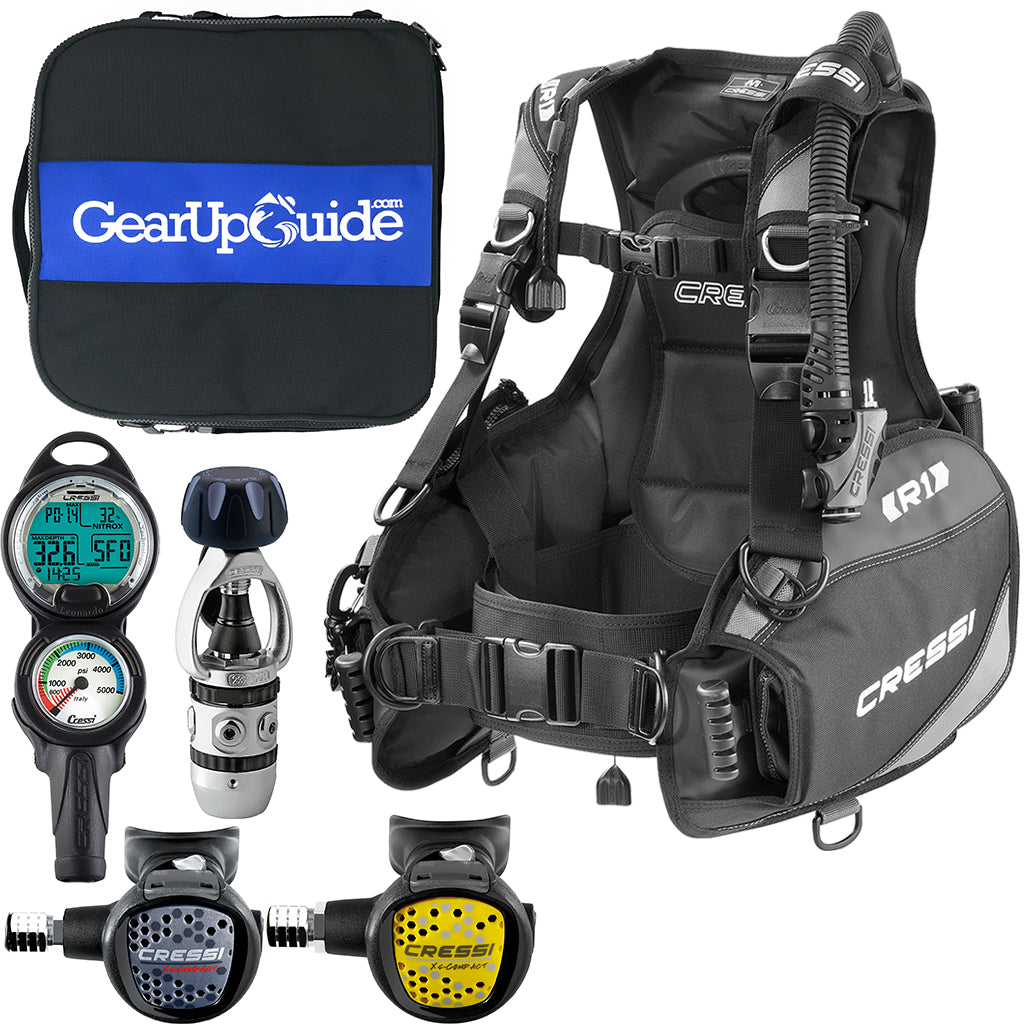
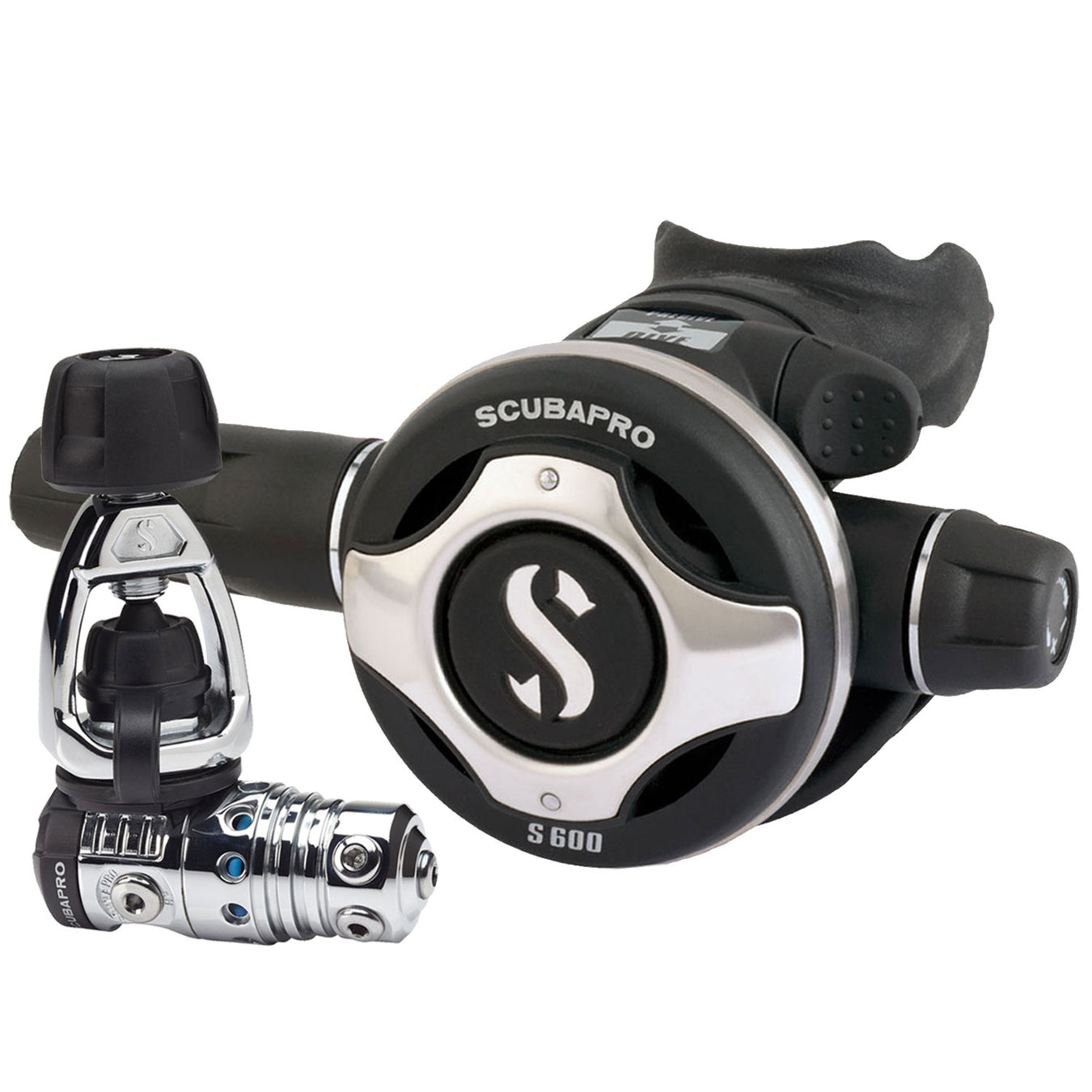
Modern scuba diving equipment offers enhanced comfort, reliability, and performance, allowing divers to stay submerged for longer durations and navigate challenging underwater environments with ease. Improved buoyancy control systems, dive computers, and communication devices have made spearfishing with scuba gear safer and more accessible to enthusiasts of all skill levels.
Similarly, advancements in speargun design have focused on increasing accuracy, power, and sustainability. Features such as specialized triggers, ergonomic grips, and environmentally friendly materials contribute to a more ethical and effective hunting experience. Some spearguns now incorporate mechanisms to reduce recoil and noise, minimizing disturbance to marine life during the hunt.
When choosing spearfishing gear, divers should consider not only performance and comfort but also the environmental impact of their equipment. Opting for gear made from sustainable materials, such as recycled plastics or biodegradable composites, can help reduce the sport's carbon footprint and promote eco-friendly practices.
Furthermore, proper maintenance and disposal of gear are essential to prevent pollution and protect marine ecosystems. Divers should regularly inspect their equipment for wear and tear, clean it after use to prevent the spread of invasive species, and recycle or dispose of old gear responsibly to minimize environmental harm.
By embracing environmentally conscious gear choices and practices, spearfishers can enjoy their underwater pursuits while minimizing their ecological footprint and contributing to the conservation of marine resources.
Despite the advancements in technology and the thrill of the hunt, it is crucial for divers to remember that spearfishing with scuba gear comes with a responsibility to protect the oceans and their inhabitants. By staying informed, practicing safe and ethical diving techniques, and supporting conservation efforts, enthusiasts can continue to enjoy the beauty and excitement of spearfishing while ensuring the long-term health of marine ecosystems.
Ready to take your underwater adventure to the next level with sustainable and high-performance equipment? Look no further than Lancaster Scuba for all your spearfishing needs. Whether you're a seasoned spearfisher or just starting out, our selection of eco-friendly gear and expert instruction will ensure you're prepared for a responsible and exhilarating dive. Check out our scuba gear today and join us as we gear up, dive deep, and travel to the world's most stunning aquatic destinations.


{"one"=>"Select 2 or 3 items to compare", "other"=>"{{ count }} of 3 items selected"}