

Exploring the Depths: Spearfishing in San Diego
Dive into the exhilarating world of spearfishing in San Diego! Discover the best spots, techniques, and gear for an unforgettable underwater adventure.
Read now
In the realm of spearfishing, a sport that combines the thrill of hunting with the beauty of the underwater world, understanding the nuances of your gear is not just about enhancing performance—it's about ensuring safety and maximizing enjoyment. Among the most pivotal pieces of equipment in a spearfisher's arsenal are dive weights, critical for achieving neutral buoyancy. But the question of how many dive weights one needs is not just a matter of numbers; it's a journey into the heart of spearfishing itself.
Dive weights serve a fundamental purpose in spearfishing: they counteract the natural buoyancy of the human body and wetsuit, allowing spearfishers to descend to their desired depth effortlessly. Achieving neutral buoyancy is akin to finding the perfect balance in life—too little, and you struggle to reach your goals; too much, and you may find yourself overwhelmed.
Neutral buoyancy occurs when the weight of water displaced by an object equals its own weight. For spearfishers, achieving this state means they can hover in the water column, expending minimal energy while focusing on their prey. It's a delicate balance, influenced by factors such as body weight, wetsuit thickness, and saltwater density.
Experts suggest that the starting point for determining the amount of weight needed is roughly 10% of your body weight plus an additional 1-2 kilograms (2.2-4.4 pounds) for the wetsuit. However, this is a guideline, not a rule, as individual needs vary greatly.
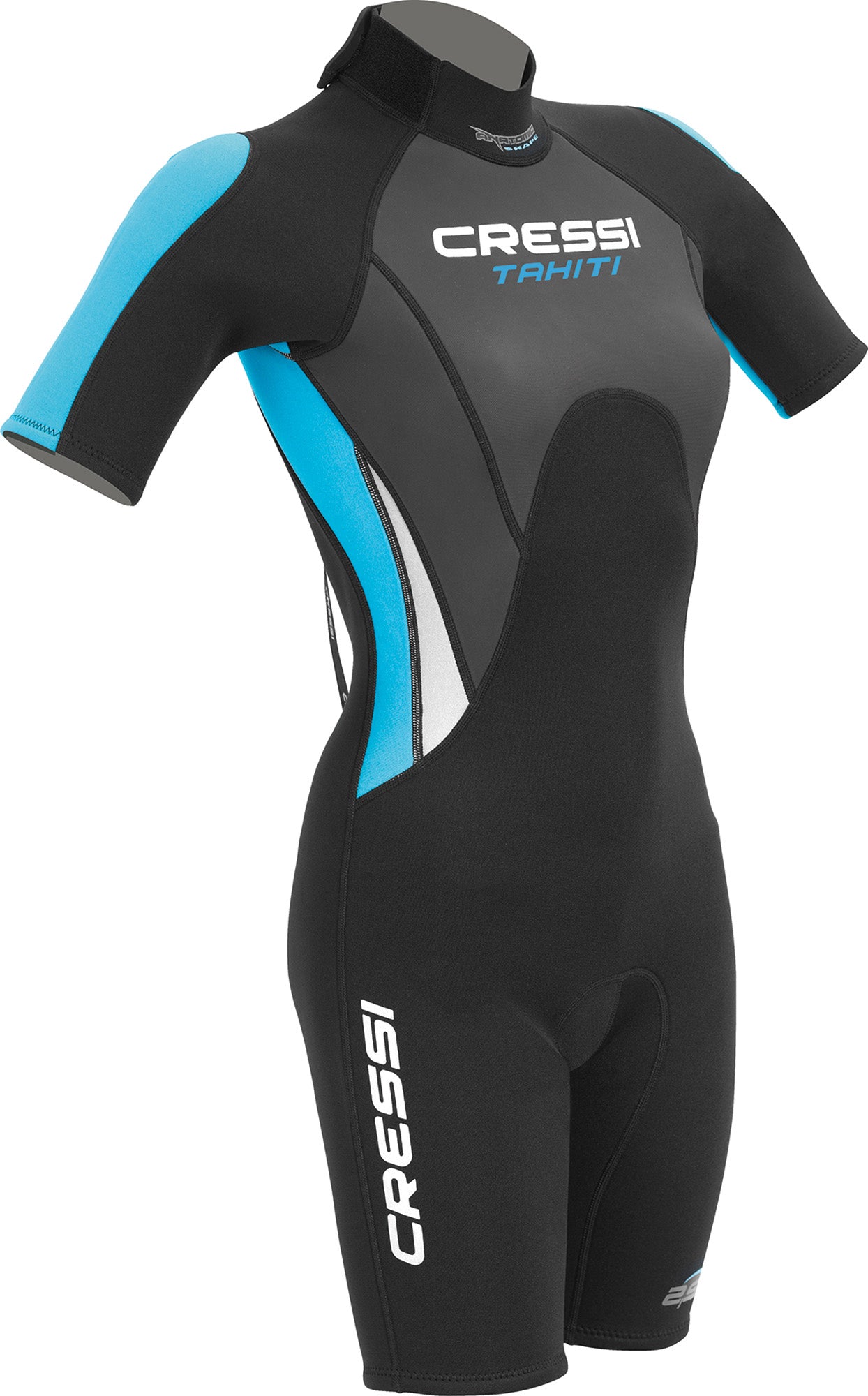
The thickness of your wetsuit is a significant factor in determining how much additional weight you need. Thicker wetsuits, designed for colder waters, provide more buoyancy and thus require more weight to counterbalance. A 7mm wetsuit, for example, might necessitate an additional 2-4 kilograms (4.4-8.8 pounds) of weight compared to a 3mm wetsuit.
Understanding the relationship between wetsuit thickness and required dive weights is crucial for spearfishers aiming to optimize their underwater mobility and comfort.
While guidelines provide a starting point, the most accurate method to determine your ideal dive weight is through a buoyancy check. This process involves trial and error, adjusting weights until you achieve neutral buoyancy at a specific depth—usually around 3-5 meters (10-16 feet).
A buoyancy check is best performed in calm, controlled conditions, ideally with the assistance of an experienced diver. By adding or removing weights and observing the effect on your buoyancy, you can fine-tune your setup to perfection. Remember, the goal is to float at eye level with an empty lung and sink gently when you exhale.
This hands-on approach not only helps you determine the exact amount of weight you need but also familiarizes you with the sensations of proper buoyancy, enhancing your underwater experience.
The environment in which you spearfish significantly impacts your dive weight requirements. Saltwater, being denser than freshwater, provides more buoyancy, necessitating additional weight. A general rule of thumb is to add approximately 2.5% more weight when transitioning from freshwater to saltwater.
This adjustment is crucial for spearfishers who traverse different bodies of water, ensuring their buoyancy is optimized for each environment.
While the pursuit of the perfect dive weight setup is a journey of personal discovery, safety should always be the guiding star. Overweighting poses risks such as rapid descents and difficulty ascending, while underweighting can lead to excessive buoyancy and surface drift.
Ensuring you can safely ascend after a dive is paramount. A good practice is to perform a safety stop at 5 meters (16 feet) for 3 minutes, allowing your body to adjust and reduce the risk of decompression sickness. Always carry a surface marker buoy (SMB) to signal your position to boats and other divers.
Remember, conditions can change, and what works in one environment may not be suitable in another. Regularly reassess your dive weight needs, especially if you change your gear or dive in new locations.
Spearfishing is not just about the catch; it's about the adventure, the connection with the ocean, and the thrill of diving into the unknown. With the right dive weights, you can move through the water with grace and precision, turning each dive into an unforgettable experience.
As you embark on this journey, let your passion for the sport and respect for the ocean guide you. Dive weights are more than just numbers; they are your ticket to exploring the vast, blue wilderness with confidence and safety.
Remember, the ocean is a world of endless mystery and adventure. With the right preparation and knowledge, you can unlock its secrets, one dive at a time. Happy spearfishing!
When it comes to selecting dive weights, the material they are made of can make a significant difference in your diving experience. Traditional lead weights are commonly used due to their density, allowing for smaller weights to achieve the desired effect. However, lead weights can be toxic to the environment and pose a risk if mishandled.
Alternative materials such as steel or coated weights are gaining popularity for their eco-friendliness and durability. Steel weights are often more compact than lead weights, providing a sleeker profile underwater. Coated weights, typically made of lead but covered in a protective layer, offer the benefits of lead without direct contact with the water.
Consider the environmental impact, weight distribution, and handling convenience when choosing the material for your dive weights. Your decision can contribute to both your comfort underwater and the preservation of marine ecosystems.
Proper maintenance of your dive weights is essential for their longevity and performance. After each dive, rinse off your weights with fresh water to remove salt and debris that can cause corrosion. Store your weights in a cool, dry place away from direct sunlight to prevent damage to the material.
Regularly inspect your weights for signs of wear or damage, such as cracks or chips. Damaged weights can affect your buoyancy control and pose safety risks during dives. If you notice any issues, replace or repair the weights promptly to ensure a safe and enjoyable diving experience.
For experienced spearfishers looking to fine-tune their buoyancy and streamline their gear, advanced dive weight systems offer innovative solutions. Integrated weight vests or belts distribute the weights evenly across your body, enhancing comfort and stability in the water.
Some dive weight systems feature quick-release mechanisms for emergency situations, allowing you to shed excess weight rapidly and ascend safely. Modular weight systems enable you to adjust the weight distribution based on your diving conditions and personal preferences, providing versatility and customization.
Exploring advanced dive weight systems can take your spearfishing to the next level, offering enhanced performance and safety features that cater to the demands of challenging underwater environments.
Ready to dive into the world of spearfishing with the ideal dive weight setup? Lancaster Scuba is here to support your underwater adventures every step of the way. From top-quality gear to expert diving instruction and unforgettable travel experiences, we've got you covered. Check out our scuba gear and let us help you achieve that perfect harmony between man, gear, and sea. Gear up, dive in, and travel the depths with Lancaster Scuba—your partner in exploring the underwater realm.


{"one"=>"Select 2 or 3 items to compare", "other"=>"{{ count }} of 3 items selected"}