

Exploring the Depths: Spearfishing in San Diego
Dive into the exhilarating world of spearfishing in San Diego! Discover the best spots, techniques, and gear for an unforgettable underwater adventure.
Read now
In the vast expanse of the ocean's embrace, where adventure beckons the brave and the curious, lies the thrilling pursuit of scuba diving. It's a world that promises not just the discovery of the unseen but also the understanding of the delicate balance between excitement and safety. Among the many questions that swirl around the minds of those drawn to the depths is one of critical importance: How long after flying can you scuba dive? This question is not just a matter of curiosity but a pivotal point of safety that every diver must heed.
Embarking on this exploration, we delve into the heart of diving science and safety protocols, guided by the wisdom of experts and the experiences of seasoned divers. This journey is not just about numbers and guidelines; it's about ensuring that every dive is a step closer to the marvels of the ocean, undertaken with the utmost respect for the forces of nature.
Understanding the need for a waiting period between flying and diving is to delve into the principles of physics and human physiology that govern our bodies under different pressures.
At the core of the waiting period guideline is the risk of decompression sickness (DCS), a condition that can occur if dissolved gases in the body form bubbles as pressure decreases. DCS can manifest in various ways, from joint pain and rashes to more severe neurological symptoms. The condition underscores the critical balance divers must maintain between the underwater world and the atmospheric pressures experienced during flight.
When we ascend to the surface after a dive, nitrogen absorbed by our body under the high pressure of the deep sea begins to release as the pressure decreases. This process requires time; a rapid decrease in pressure, such as flying after diving without a sufficient waiting period, can lead to the formation of nitrogen bubbles in the bloodstream, leading to DCS.
The Divers Alert Network (DAN), a leading authority on dive safety, recommends waiting a minimum of 12 hours after a single no-decompression dive before flying. For those engaging in multiple dives or decompression dives, a waiting period of at least 18 to 24 hours is advised. These guidelines are designed as a buffer to allow the body sufficient time to off-gas the nitrogen absorbed during dives.
It's important to note that these recommendations are based on extensive research and statistical analysis of diving incidents. They serve as a baseline for divers to plan their activities, ensuring that the adventure of diving is always paired with the prudence of safety.
While guidelines provide a general framework, individual factors can influence how long a diver should wait before flying.
The efficiency of off-gassing nitrogen is not uniform across all divers. Age, fitness level, body composition, and overall health can affect how quickly an individual can safely return to lower pressures. Divers with pre-existing health conditions or those who are less fit may require longer waiting periods to minimize the risk of DCS.
The depth, duration, and nature of the dives undertaken also play a crucial role in determining the appropriate waiting period. Deeper and longer dives increase the body's nitrogen absorption, necessitating a longer surface interval before flying. The use of enriched air nitrox, while extending bottom time, also factors into the equation, requiring divers to adjust their post-dive plans accordingly.
The balance between the thrill of diving and the adherence to safety protocols is a delicate dance that every diver learns to master.
Adventurous spirits eager to explore the depths can do so with peace of mind by planning their dives around their flight schedules. Incorporating the recommended waiting periods into travel plans ensures that the journey back to the surface world is as safe as the dive itself. This approach allows divers to fully immerse themselves in the underwater adventure, knowing that they have taken all necessary precautions to dive safely.
The pursuit of diving, much like any great adventure, is a journey of continuous learning and growth. Engaging in dive safety education, staying updated with the latest research, and sharing experiences within the diving community are all integral to enhancing the safety and enjoyment of the sport. Knowledge, in this context, is not just power but a gateway to safer, more fulfilling diving adventures.
As divers venture into the depths, there are additional factors to consider beyond the waiting period after flying.
Proper hydration and nutrition play a crucial role in dive safety. Dehydration can increase the risk of DCS, so divers should ensure they are well-hydrated before and after dives. A balanced diet rich in nutrients can support overall health and aid in the body's recovery post-dive.
Regular maintenance and thorough checks of diving equipment are essential for safe diving practices. Ensuring that gear is in optimal condition reduces the likelihood of malfunctions underwater, enhancing the overall safety of the dive.
Being attuned to the environment is key to safe and responsible diving. Understanding local marine life, currents, and potential hazards allows divers to navigate the underwater world with caution and respect. Conservation efforts, such as proper waste disposal and reef protection, are also vital components of environmentally conscious diving.
For those seeking to expand their diving experiences, there are endless possibilities to explore.
Capturing the beauty of the underwater world through photography and videography is a popular pursuit among divers. From colorful coral reefs to majestic marine creatures, documenting these sights not only preserves memories but also raises awareness about the importance of ocean conservation.
Technical diving offers divers the opportunity to delve deeper into the realms of underwater exploration. Specialized training in areas such as wreck diving, cave diving, and deep diving equips divers with the skills and knowledge to safely navigate more challenging dive environments.
As divers continue to push the boundaries of exploration, it is essential to prioritize safety, training, and environmental stewardship. By embracing a mindset of continuous learning and respect for the underwater world, divers can embark on adventures that are not only thrilling but also sustainable and enriching.
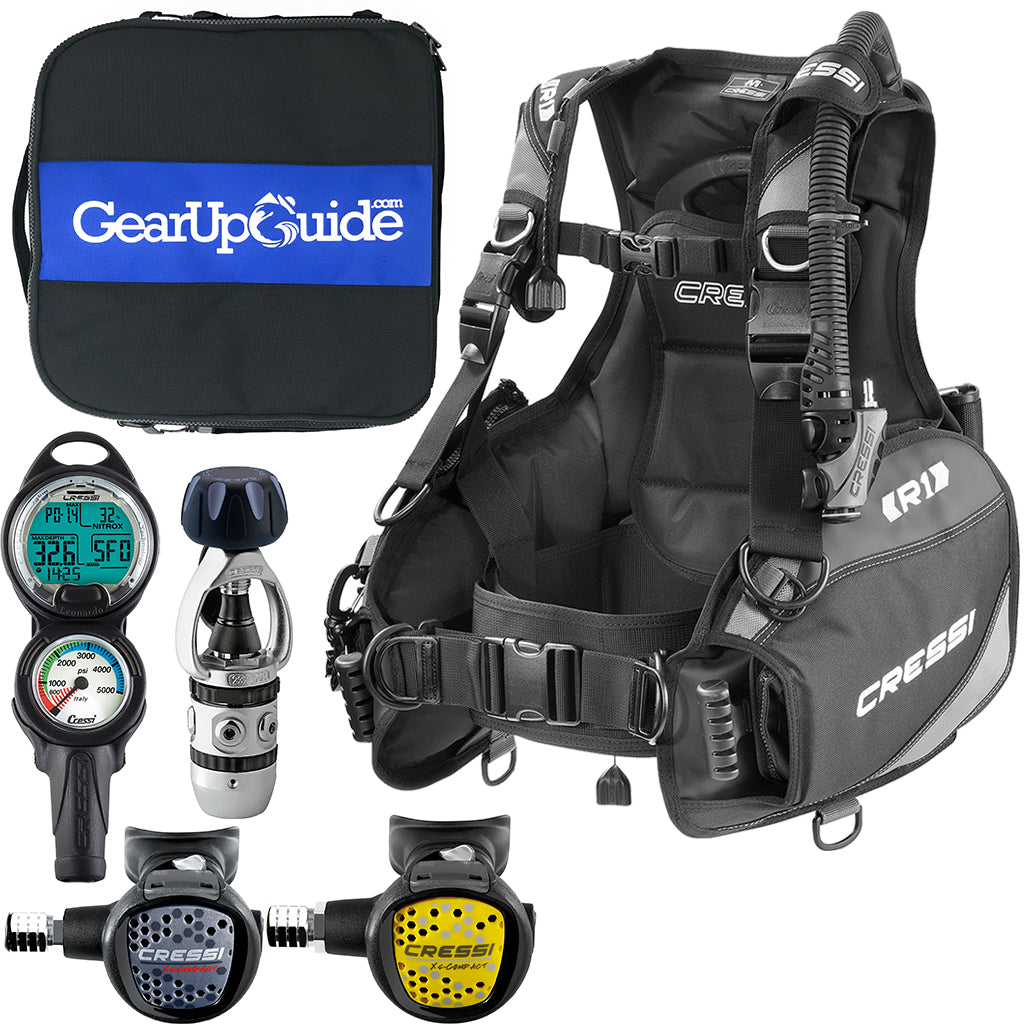
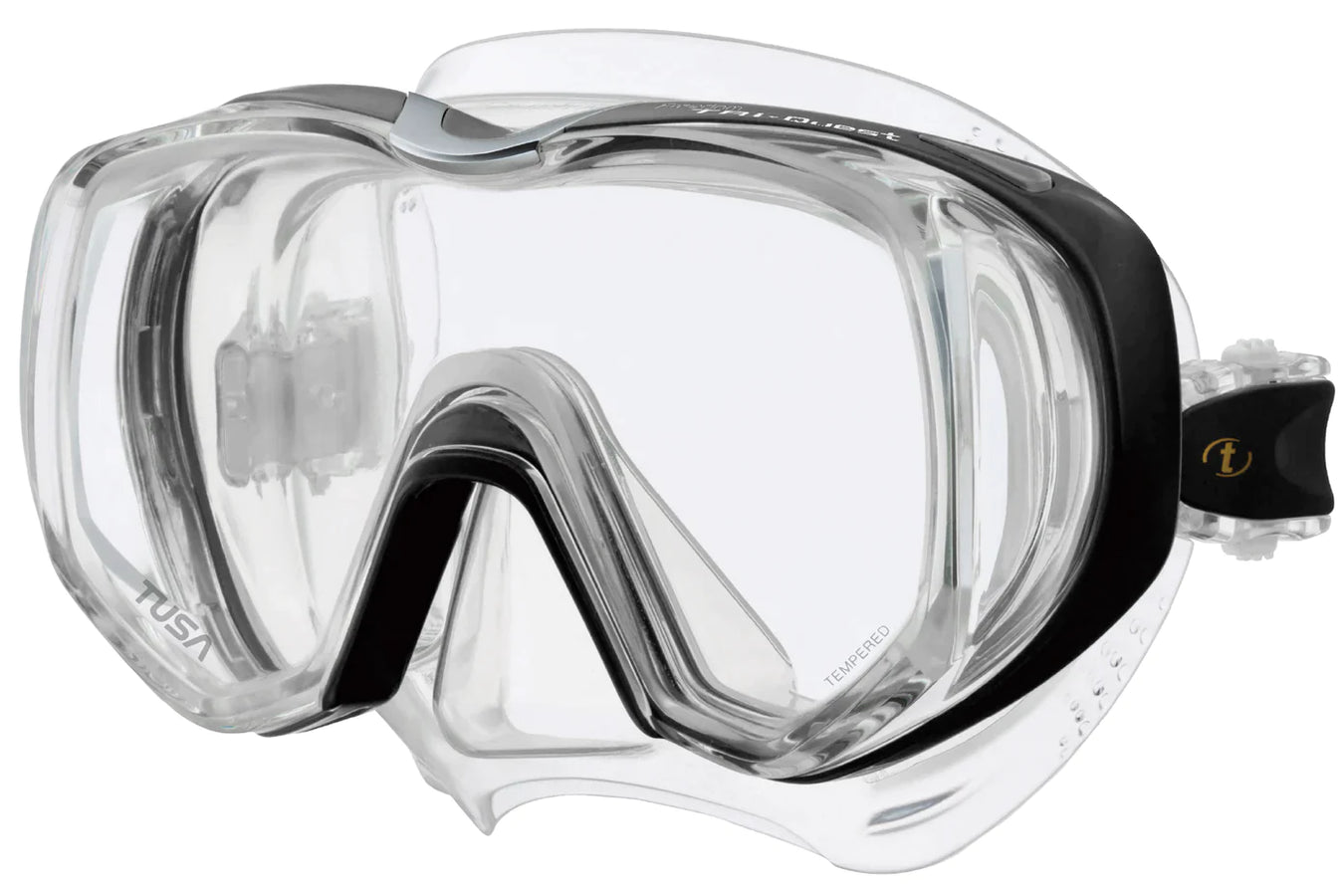
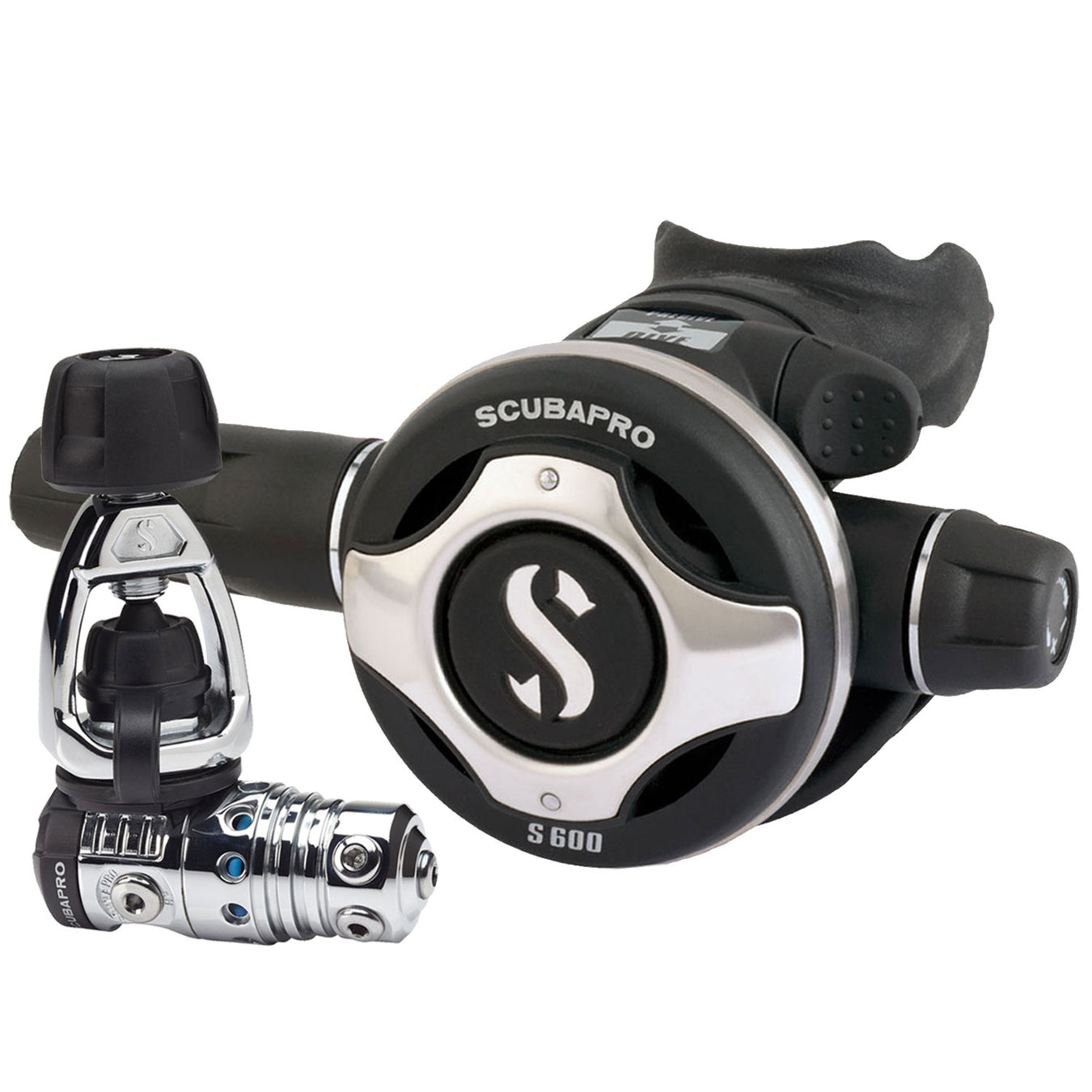
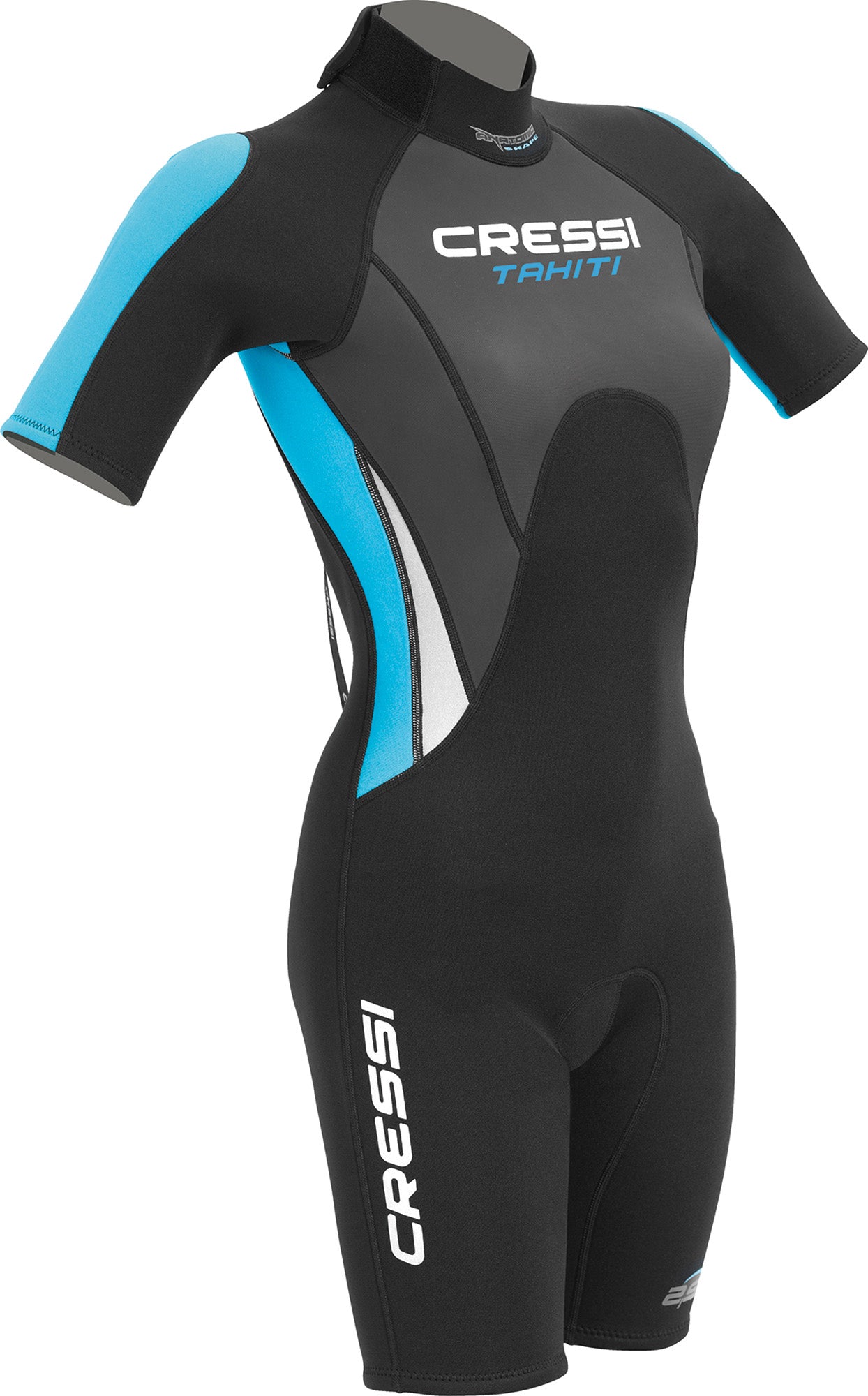
Now that you understand the importance of timing your dives post-flight, ensure you're equipped with the best gear and knowledge for your underwater adventures. Lancaster Scuba is here to provide you with top-notch equipment and expert diving instruction. Whether you're gearing up for your first dive or planning your next underwater excursion, we've got you covered. Check out our scuba gear and embark on your next dive with confidence and style.


{"one"=>"Select 2 or 3 items to compare", "other"=>"{{ count }} of 3 items selected"}