

Exploring the Depths: Spearfishing in San Diego
Dive into the exhilarating world of spearfishing in San Diego! Discover the best spots, techniques, and gear for an unforgettable underwater adventure.
Read now
In the vast expanse of the ocean, where adventure beckons the brave and the passionate, there lies an essential element that bridges the gap between man and the mysterious blue— the wetsuit. Much like the seasoned divers who explore the depths of the sea, a wetsuit must be a perfect companion, tailored to fit not just the body but the aspirations of the diver. Sizing a wetsuit is not merely about measurements; it's about understanding the essence of diving itself.
This guide is not just a set of instructions. It is a journey into the heart of diving, where every detail of a wetsuit becomes a critical component of the adventure. Let us dive deeper into the world of wetsuits, exploring how to size them correctly, ensuring safety, comfort, and the joy of diving.
Before delving into the technicalities of sizing a wetsuit, it's crucial to understand why proper fit matters. A wetsuit that fits perfectly is like a second skin, offering not just thermal protection but also a sense of security and freedom under the waves.
The primary function of a wetsuit is to keep the diver warm by trapping a thin layer of water between the suit and the skin. This water is then warmed by the body's natural heat, creating an insulating layer. A wetsuit that is too loose will allow water to flow freely, making it impossible to keep warm. Conversely, a suit that is too tight can restrict movement and even breathing, turning an adventure into an ordeal.
Comfort is equally paramount. A day spent diving in a suit that pinches, chafes, or restricts movement can detract from the beauty and excitement of the dive. The right fit ensures that the diver can move freely, exploring the underwater world without constraint.
A well-fitted wetsuit also plays a vital role in diver safety. In addition to thermal protection, the suit provides a certain degree of buoyancy, which can be crucial in preventing accidents. A suit that fits well aids in maintaining proper buoyancy levels, making it easier for divers to control their ascent and descent.
Moreover, in the event of an emergency, a suit that fits correctly will not hinder the diver's ability to respond, whether it's reaching for a piece of safety equipment or swimming swiftly to the surface.
The journey to finding the perfect wetsuit begins with understanding the factors that influence its fit. Sizing a wetsuit is a nuanced process, where every measurement plays a role in the quest for the ideal fit.
The first step in sizing a wetsuit is to take accurate body measurements. This includes the chest, waist, hips, height, and weight. Each of these measurements contributes to determining the overall size of the suit, from the length of the limbs to the girth of the torso.
It's important to note that wetsuit sizes can vary significantly between manufacturers. A size medium in one brand may fit entirely differently from a medium in another. Therefore, using the specific size chart provided by the manufacturer is crucial.
The thickness of the wetsuit material is another critical factor in sizing. Wetsuits come in various thicknesses, measured in millimeters, designed for different water temperatures. The colder the water, the thicker the suit should be. However, thicker suits can also be more restrictive, so finding the balance between warmth and flexibility is key.
Water temperature charts and wetsuit thickness guides are invaluable tools in selecting the right suit for the conditions. They help divers anticipate the type of environment they'll be exploring, ensuring they're adequately prepared for the temperature challenges they might face.
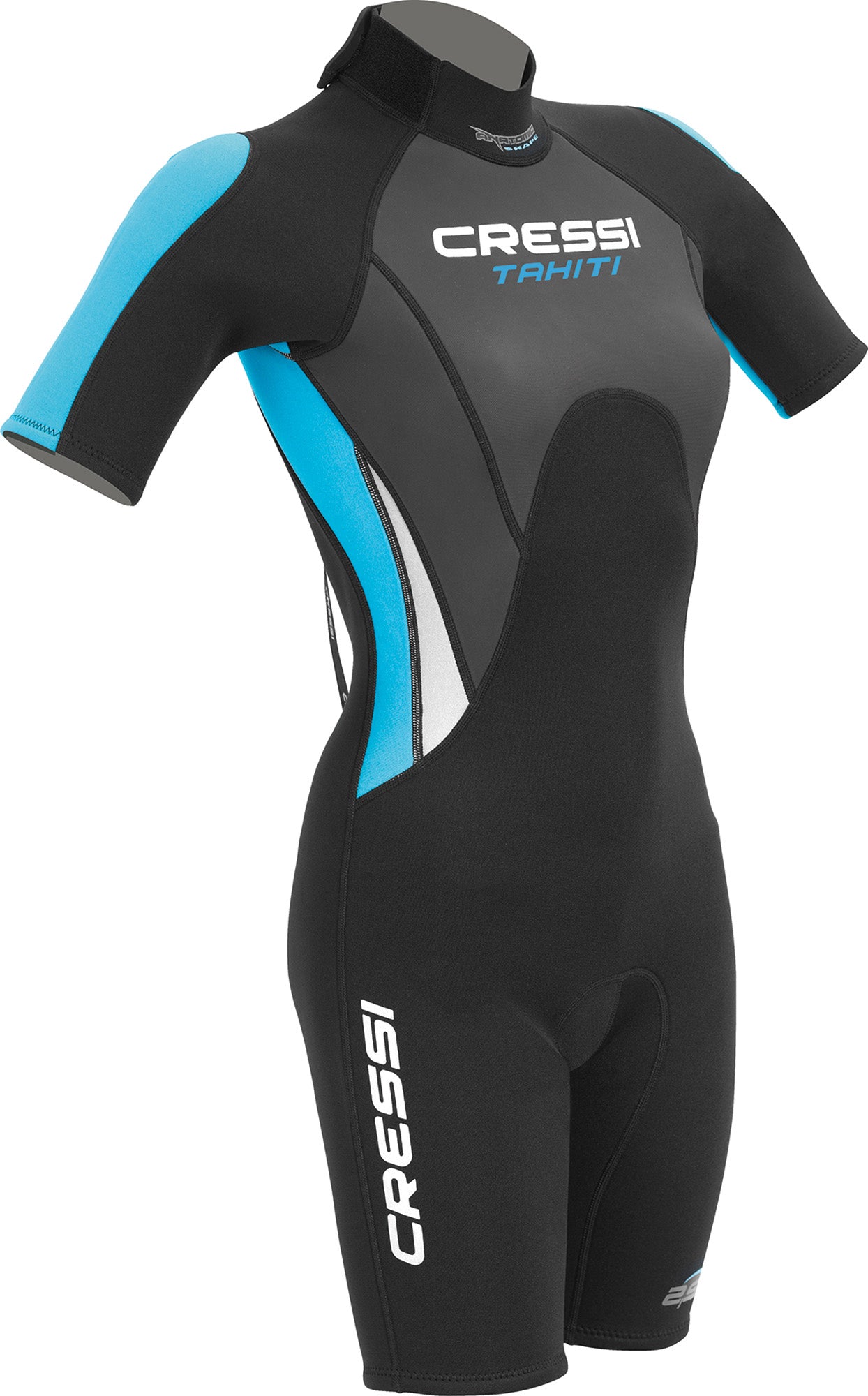
Wetsuits come in different styles, each designed for specific types of diving and water conditions. From full suits that cover the entire body to shorties that leave the arms and legs exposed, the style of the suit also influences its fit.
Trying on different styles and sizes is essential to understanding how each suit conforms to the body. The suit should fit snugly without restricting movement, with no excess material in the torso, crotch, shoulders, or knees. It's also important to consider how the suit will fit with other diving gear, such as boots, gloves, and hoods.
While the basics of wetsuit sizing are straightforward, there are advanced considerations that can further refine the fit and enhance the diving experience.
Ultimately, the best size is the one that feels right. Personal preference plays a significant role in wetsuit sizing. Some divers prefer a tighter fit for better thermal protection, while others prioritize ease of movement. Listening to one's body and comfort level is crucial in making the final decision.
Comfort extends beyond the fit. The material of the wetsuit, the design of the seams, and the quality of the zipper can all affect how the suit feels during a dive. High-quality materials and construction can make a significant difference in overall comfort and durability.
For those who find it challenging to fit into standard sizes, custom-sized wetsuits offer a solution. Many manufacturers provide custom fitting services, where a wetsuit is made to the exact measurements of the diver. This option ensures the highest level of comfort and performance, tailored to the individual's unique body shape.
Adjustments to off-the-shelf wetsuits, such as altering the length of the limbs or torso, can also improve fit. Specialty dive shops often provide alteration services, making it possible to customize a standard wetsuit for a better fit.
While the wetsuit itself is crucial for thermal protection and comfort, selecting the right accessories can further enhance the diving experience. Accessories such as gloves, boots, and hoods play a significant role in keeping divers warm and protected in various underwater conditions.
Gloves are essential for maintaining dexterity and protecting the hands from cold water. They come in different thicknesses to suit different water temperatures. Choosing gloves that fit well without being too tight is important to ensure comfort and flexibility during dives.
Boots are designed to keep the feet warm and protect them from abrasions and cuts. They also provide traction on slippery surfaces, enhancing safety during entries and exits from the water. Like wetsuits, boots should fit snugly without being too tight to allow for proper blood circulation.
Hoods are critical for thermal protection, especially in colder waters where heat loss through the head can be significant. A well-fitting hood prevents water from entering and helps maintain body temperature. Hoods come in different styles, including bibbed hoods that tuck into wetsuits for a better seal.
Ensuring the longevity and performance of a wetsuit requires proper care and maintenance. After each dive, rinsing the wetsuit with fresh water helps remove salt, sand, and other debris that can degrade the material over time. It's essential to thoroughly rinse both the inside and outside of the suit to prevent odors and damage.
Drying the wetsuit in a shaded, well-ventilated area is crucial to prevent mold and mildew growth. Hanging the suit on a wide, padded hanger helps maintain its shape and prevents stress on the material. Avoiding direct sunlight and heat sources is important to prevent overheating and damage to the neoprene.
Periodically treating the wetsuit with a wetsuit conditioner or lubricant can help maintain the material's flexibility and extend its lifespan. These products also provide UV protection, reducing the risk of sun damage. Following the manufacturer's care instructions is essential to ensure the wetsuit remains in top condition for many dives to come.
Sizing a wetsuit is a journey that goes beyond mere measurements. It's about finding a companion for the underwater adventures that await, a protector against the cold, and a facilitator of the freedom to explore. With the right wetsuit, sized perfectly for the diver, the ocean's mysteries become a little more accessible, a little less daunting, and infinitely more enchanting.
As divers, our quest is not just for the perfect wetsuit but for the experiences it enables. Each dive, each adventure, enriches our lives, teaching us more about the world beneath the waves and about ourselves. In the end, the perfect wetsuit is the one that allows us to dive deeper, not just into the ocean, but into life's potential.
Your quest for the ideal wetsuit and the ultimate diving experience begins with Lancaster Scuba. With our extensive selection of scuba gear and our commitment to providing a seamless experience, we're here to ensure you're equipped for your underwater adventures. Whether you're gearing up for your first dive or you're a seasoned professional, check out our scuba gear and embrace the essence of diving with the perfect fit. Gear up, dive in, and let's travel the seas together with Lancaster Scuba.


{"one"=>"Select 2 or 3 items to compare", "other"=>"{{ count }} of 3 items selected"}