

Exploring the Depths: Spearfishing in San Diego
Dive into the exhilarating world of spearfishing in San Diego! Discover the best spots, techniques, and gear for an unforgettable underwater adventure.
Read now
In the vast, blue expanse of the ocean, spearfishing emerges as an adventure that beckons the brave and the bold. It's a pursuit that combines the thrill of the hunt with the serene beauty of the underwater world. Yet, beneath its adventurous allure, questions about its safety and risks loom large. This exploration into the dangers of spearfishing seeks not only to inform but to delve into the essence of what makes this activity both perilous and profoundly rewarding.
Understanding the inherent risks of spearfishing is crucial for both novices and seasoned spearfishers alike. It's a sport that demands respect for the ocean and its inhabitants, along with a comprehensive knowledge of safety protocols.
The ocean is a dynamic and sometimes unpredictable environment. Currents, visibility, and the presence of potentially dangerous marine life pose significant risks to spearfishers. Navigating these challenges requires not only skill but an intimate knowledge of the marine ecosystem.
Statistics from coastal safety organizations highlight that strong currents and poor visibility are among the top contributors to underwater accidents. These conditions can disorient even the most experienced divers, emphasizing the need for thorough preparation and situational awareness.
Furthermore, the presence of marine predators adds another layer of complexity to the risks involved in spearfishing. Understanding the behavior of sharks, barracudas, and other potentially dangerous species is essential for ensuring a safe and enjoyable diving experience. By learning to recognize warning signs and adopting appropriate defensive strategies, spearfishers can minimize the likelihood of dangerous encounters.
Spearfishing equipment, while designed to enhance the experience and effectiveness of the hunt, can also present its own set of dangers. The use of spearguns and knives, essential tools in spearfishing, requires strict adherence to safety protocols to prevent accidental injuries.
Reports from diving safety boards have shown that improper handling of spearguns has led to injuries among spearfishers. These incidents underscore the importance of equipment safety education and the need for constant vigilance.
Moreover, the maintenance of equipment is paramount in ensuring its reliability underwater. Regular checks for wear and tear, proper storage to prevent corrosion, and timely replacement of worn components are all crucial aspects of equipment care that can prevent malfunctions and accidents during dives.
The physical demands of spearfishing, including long periods of breath-holding and swimming against currents, can strain the body. Divers must be in good physical condition and aware of their own limits to avoid exhaustion and the potentially fatal risk of shallow water blackout.
Health statistics reveal that shallow water blackout, caused by hypoxia (lack of oxygen to the brain) during breath-hold diving, is a significant danger in spearfishing. This condition can lead to drowning if not immediately addressed, highlighting the critical importance of diving with a buddy and monitoring one's physical condition closely.
Additionally, the repetitive nature of spearfishing activities can lead to overuse injuries if proper techniques and precautions are not followed. Understanding the importance of warm-up exercises, maintaining proper form during dives, and incorporating rest periods into diving sessions are all essential for preventing musculoskeletal issues that can arise from prolonged spearfishing expeditions.
The key to mitigating the dangers of spearfishing lies in education and preparation. Knowledge is not just power; it's protection.
Comprehensive spearfishing training courses cover everything from equipment use and safety to underwater navigation and fish identification. These courses are invaluable for beginners and serve as an important refresher for experienced spearfishers.
According to diving education organizations, divers who undergo formal spearfishing training significantly reduce their risk of accidents. This training empowers divers with the knowledge to make informed decisions and react effectively in emergency situations.
Furthermore, advanced training programs often include simulated emergency scenarios to prepare divers for real-life challenges. By practicing responses to equipment malfunctions, underwater emergencies, and diver distress situations, spearfishers can enhance their readiness and confidence in handling unexpected events during dives.
Respect for the ocean's inhabitants is a fundamental aspect of spearfishing. Learning about the behavior of marine life, especially potentially dangerous species, can prevent unwanted encounters and ensure a harmonious experience in the water.
Research into marine biology not only enriches the spearfishing experience but also promotes conservation-minded practices. By understanding the ecosystems in which they dive, spearfishers can contribute to the preservation of marine habitats.
Moreover, gaining insights into the ecological roles of different marine species can deepen the appreciation for the interconnectedness of ocean life. Understanding how each organism contributes to the balance of the underwater ecosystem fosters a sense of stewardship among spearfishers, encouraging responsible behavior and sustainable fishing practices.
Mastery over one's equipment enhances safety and effectiveness in spearfishing. Familiarity with the operation and maintenance of spearguns, dive knives, and other gear is essential for preventing malfunctions and accidents.
Experts in diving safety advocate for regular equipment checks and maintenance routines. These practices ensure that gear is in optimal condition, reducing the likelihood of equipment failure during a dive.
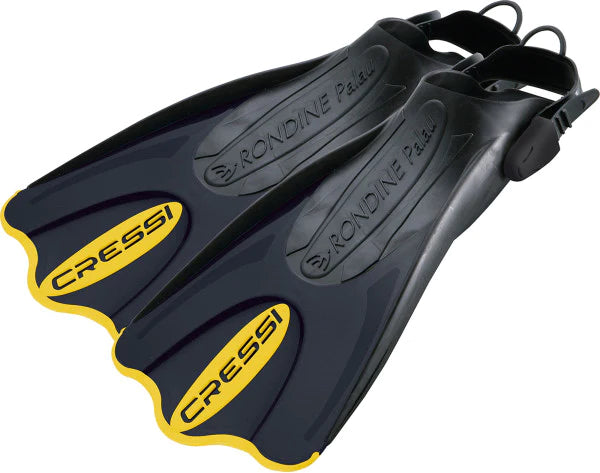
Furthermore, customizing equipment to suit individual preferences and diving styles can improve comfort and performance underwater. Adjusting speargun trigger sensitivity, fine-tuning weight belt distribution, and selecting appropriate fin designs are all considerations that can enhance the overall diving experience and reduce the risk of fatigue or discomfort during extended spearfishing outings.
Despite its risks, spearfishing remains a captivating adventure for those who seek it. It's an activity that offers unparalleled opportunities to connect with the natural world, challenge oneself, and experience the thrill of the hunt.
The ocean's depths hold mysteries that have fascinated humanity for centuries. Spearfishing offers a unique opportunity to explore these unknown territories, to witness the beauty and diversity of underwater life up close.
Adventurous souls are drawn to spearfishing for the sense of discovery it provides. Each dive is a journey into the unknown, a chance to encounter the ocean's wonders in their most natural state.
Moreover, the exploration of uncharted waters and the possibility of discovering new species or observing rare behaviors add an element of excitement to spearfishing expeditions. The thrill of encountering the unexpected and expanding scientific knowledge through firsthand observations contribute to the allure of exploring the mysteries hidden beneath the ocean's surface.
Like many great adventures, spearfishing is not just about the individual experience; it's about the community. The bonds formed between spearfishers, forged in the shared pursuit of their passion, are lasting and profound.
Stories of camaraderie, of friendships born on the waves and solidified beneath them, are common in the spearfishing world. These relationships are a testament to the sport's ability to bring people together, united by a love for the ocean and the adventure it offers.
Furthermore, the collaborative nature of spearfishing expeditions fosters teamwork and mutual support among divers. Sharing knowledge, coordinating hunting strategies, and celebrating successes as a group create a sense of belonging and shared achievement that enhances the overall experience of spearfishing.
At its heart, spearfishing is an exercise in sustainability and respect for the ocean. Ethical spearfishers adhere to regulations and practice selective fishing, taking only what they need and ensuring the health of marine populations.
The act of spearfishing, when done with consideration for the environment, can be a form of conservation. By choosing their targets carefully and minimizing their impact, spearfishers play a role in the preservation of marine ecosystems.
Moreover, spearfishing communities often engage in marine conservation efforts beyond their individual practices. Participating in beach clean-ups, supporting marine protected areas, and advocating for sustainable fishing practices are common initiatives spearheaded by environmentally conscious divers. By actively contributing to the protection of marine resources, spearfishers demonstrate their commitment to preserving the ocean's biodiversity for future generations.
In conclusion, while spearfishing carries inherent risks, it also offers profound rewards. Through education, preparation, and respect for the ocean, spearfishers can navigate these dangers, embracing the adventure and camaraderie that define this captivating pursuit. Spearfishing is not just about the thrill of the hunt; it's about diving deeper into life's potential, exploring the unknown, and forging connections that last a lifetime.
Ready to dive into the exhilarating world of spearfishing with confidence and respect for the marine environment? Lancaster Scuba is your gateway to mastering this ancient practice safely and sustainably. With our expert PADI-certified spearfishing courses and top-notch gear, we equip you for the underwater adventure of a lifetime. Check out our scuba gear and join a community passionate about Gear. Dive. Travel. Embrace the ocean's call and become a responsible custodian of its wonders with Lancaster Scuba.


{"one"=>"Select 2 or 3 items to compare", "other"=>"{{ count }} of 3 items selected"}