

Exploring the Depths: Spearfishing in San Diego
Dive into the exhilarating world of spearfishing in San Diego! Discover the best spots, techniques, and gear for an unforgettable underwater adventure.
Read now
In the vast, blue expanse of our planet's oceans, scuba diving emerges as a gateway to the unknown, a path to adventure that beckons the brave. Yet, beneath the surface of this exhilarating activity lies a question that many prospective divers find themselves pondering: How dangerous is scuba diving? This article delves into the heart of scuba diving, exploring the inherent risks, safety measures, and the undying spirit of adventure that defines the diving community.
Scuba diving, like any adventure sport, carries its share of risks. Understanding these risks is the first step towards mitigating them and ensuring a safe diving experience.
At the core of scuba diving's risks are the physiological effects of diving, including decompression sickness, nitrogen narcosis, and oxygen toxicity. Each condition arises from the body's reaction to the high-pressure underwater environment and the gases divers breathe. Decompression sickness, often referred to as "the bends," can occur if a diver ascends too quickly, causing nitrogen bubbles to form in the body. Nitrogen narcosis, a condition that impairs a diver's judgment and motor skills, occurs at depth due to nitrogen's anesthetic effect. Oxygen toxicity, while less common, can result in convulsions and unconsciousness when divers breathe high concentrations of oxygen at depth.
Environmental hazards also play a significant role in the risks associated with scuba diving. Strong currents, poor visibility, and unexpected encounters with wildlife can challenge even the most experienced divers. Moreover, the equipment used in scuba diving, though designed for safety, can fail or be used improperly, leading to dangerous situations.
Despite the risks, statistics show that scuba diving is relatively safe compared to other adventure sports. According to the Divers Alert Network (DAN), the annual fatality rate for scuba diving is approximately 1 death per 211,864 dives. This statistic puts the fatality rate of scuba diving in perspective, highlighting that with proper training, equipment, and adherence to safety protocols, the risks can be significantly minimized.
The diving community places an immense emphasis on safety, education, and preparedness to combat the inherent risks of diving.
Education is the cornerstone of safe diving practices. Beginner divers are strongly encouraged to undergo comprehensive training and earn certification from reputable organizations such as PADI (Professional Association of Diving Instructors) or NAUI (National Association of Underwater Instructors). These courses cover essential skills, including buoyancy control, emergency procedures, and equipment handling, equipping divers with the knowledge to manage risks effectively.
Continuing education courses further enhance a diver's skills and safety awareness, covering advanced topics such as deep diving, night diving, and navigation. Specialized courses on rescue diving and first aid prepare divers to respond effectively to emergencies, both for themselves and others.
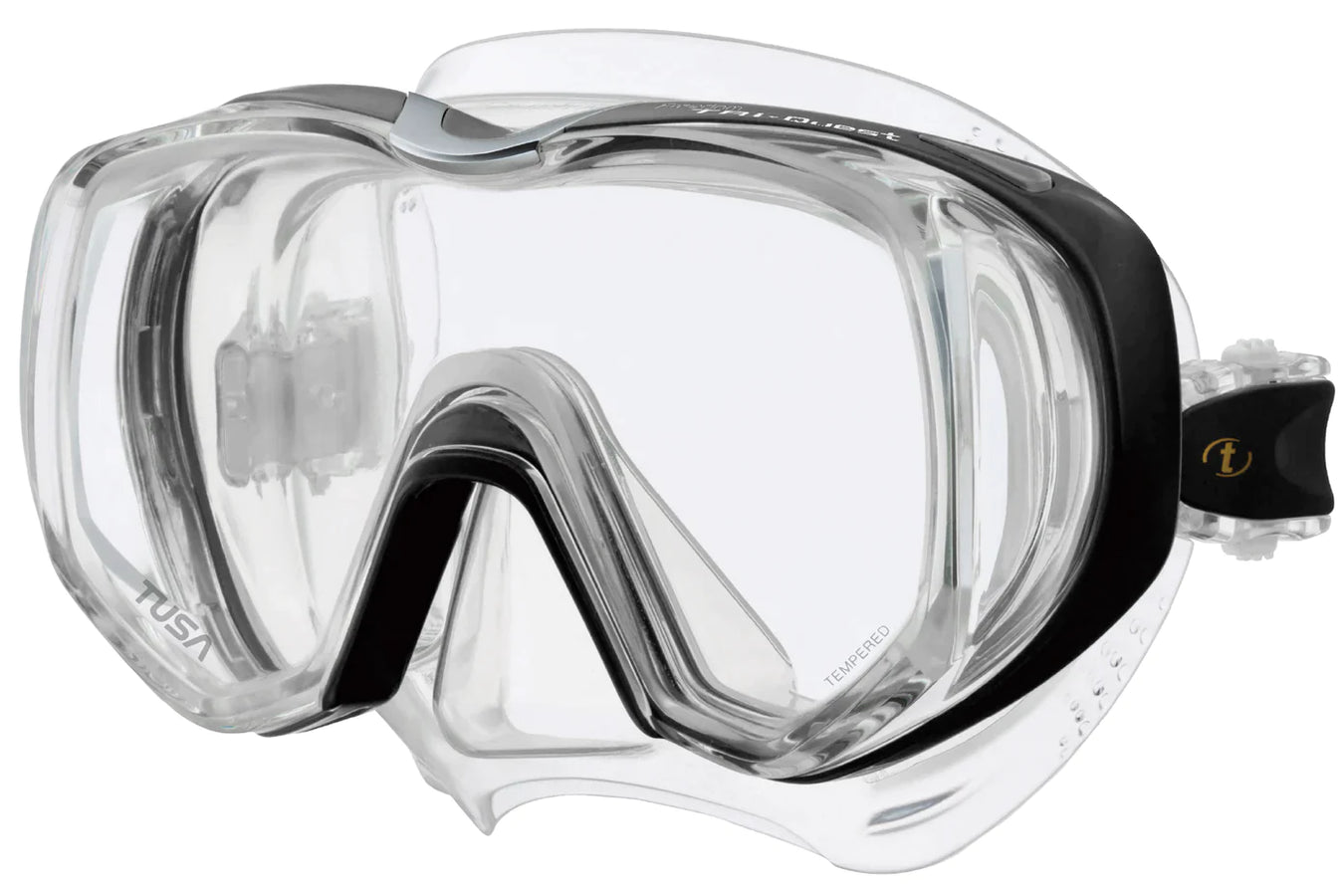
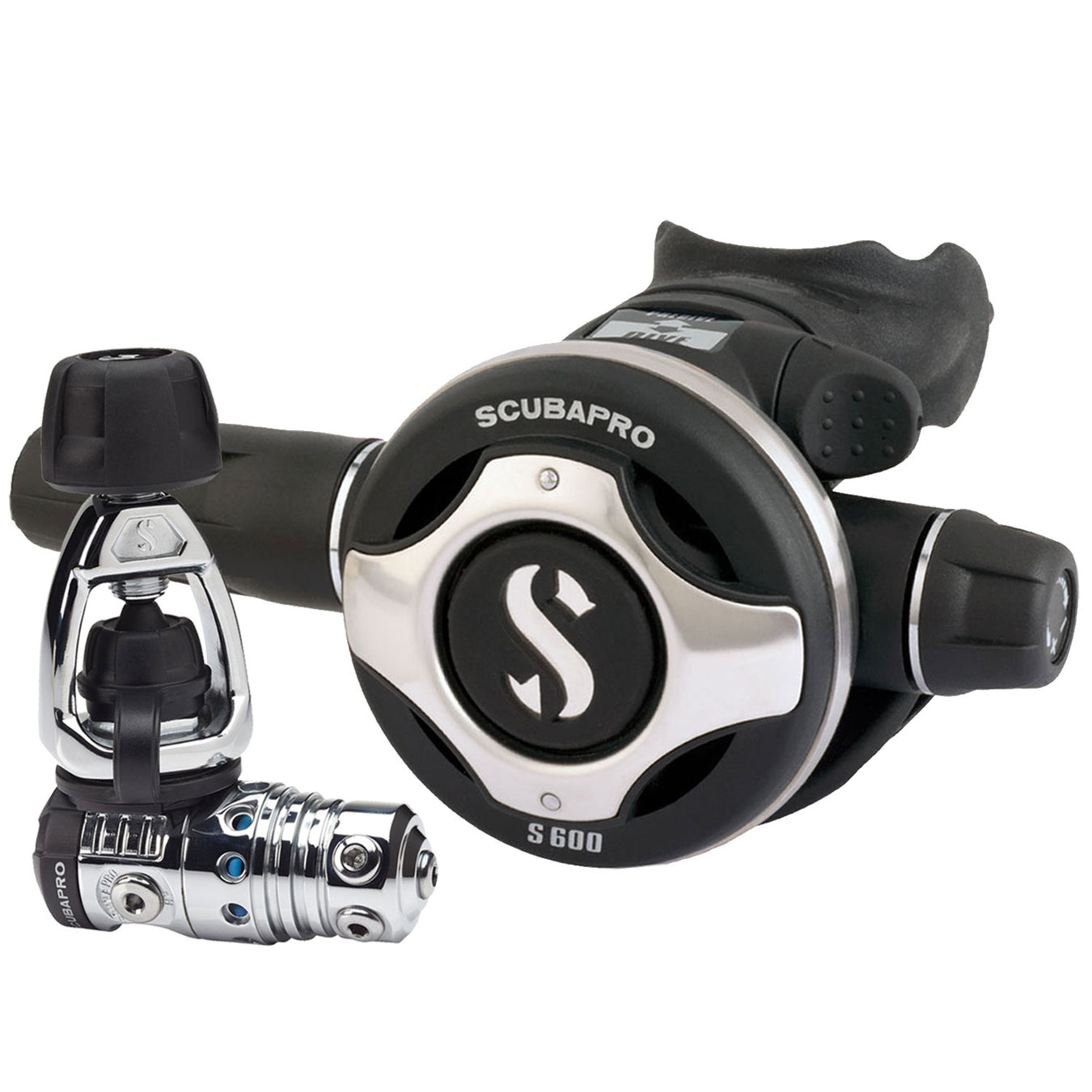
Scuba diving equipment is designed to support life underwater, making its proper function critical to diver safety. Regular maintenance and inspections ensure that equipment such as regulators, buoyancy control devices (BCDs), and tanks are in optimal condition. Divers are also advised to familiarize themselves thoroughly with their equipment, understanding its operation and limitations.
Investing in high-quality, reliable equipment and adhering to manufacturers' maintenance schedules can prevent equipment failure, a common factor in diving accidents. Additionally, carrying redundant systems, such as an extra regulator or dive computer, provides a safety net in the event of equipment malfunction.
Effective dive planning is a crucial aspect of ensuring a safe and enjoyable diving experience. Before each dive, divers should conduct thorough pre-dive checks, assessing factors such as weather conditions, dive site characteristics, and potential hazards. Creating a dive plan that includes details on maximum depth, bottom time, and ascent rate helps divers stay within safe limits and avoid decompression sickness.
Communication among dive buddies is essential during dive planning, as it ensures that everyone is aware of the dive objectives, emergency procedures, and signals. Establishing a clear underwater communication system, such as hand signals or dive slates, enhances diver safety and coordination during the dive.
Despite the risks, the allure of scuba diving remains undiminished, driven by the spirit of adventure and the promise of discovering the mysteries that lie beneath the waves.
The ocean covers over 70% of the Earth's surface, yet a vast majority remains unexplored. For many, scuba diving offers a unique opportunity to venture into these unknown territories, to witness firsthand the wonders of underwater ecosystems, historic shipwrecks, and submerged caves. Each dive is a journey into a world vastly different from our own, filled with vibrant coral reefs, majestic marine life, and the serene beauty of the underwater landscape.
The thrill of exploration and the chance to encounter marine life in their natural habitat continue to draw individuals to scuba diving. The experiences gained from diving often lead to a deeper appreciation for the ocean and its conservation, highlighting the importance of protecting these fragile ecosystems for future generations.
Scuba diving is not just an individual pursuit but a communal experience. The bonds formed between divers, forged in the shared thrill of exploration and the reliance on one another for safety, create a sense of camaraderie akin to a family. Diving clubs and communities around the world serve as platforms for divers to share their experiences, learn from each other, and plan diving adventures together.
This sense of belonging and mutual support is a testament to the positive impact of scuba diving on individuals' lives, extending beyond the physical act of diving to enrich the human spirit.
One of the most captivating aspects of scuba diving is the opportunity to explore a world that exists beneath the surface, a realm teeming with life and mysteries waiting to be unraveled. From colorful coral reefs bustling with marine creatures to eerie shipwrecks shrouded in history, each dive presents a new chapter in the underwater narrative.
Imagine descending into the depths, surrounded by schools of fish dancing in unison, or gliding past ancient artifacts that whisper tales of bygone eras. The underwater landscape is a canvas painted with nature's most exquisite creations, inviting divers to immerse themselves in its beauty and tranquility.
One of the most awe-inspiring aspects of scuba diving is the chance to come face to face with marine life in its natural habitat. From graceful sea turtles gliding effortlessly through the water to elusive octopuses displaying their mesmerizing camouflage abilities, each encounter is a reminder of the diversity and wonder of the ocean.
Divers often find themselves surrounded by a bustling underwater metropolis, where creatures of all shapes and sizes coexist in a delicate balance. The opportunity to observe marine life up close fosters a deep appreciation for the interconnectedness of ecosystems and the importance of conservation efforts to protect these fragile species.
As guardians of the ocean, divers play a vital role in preserving underwater ecosystems and advocating for marine conservation. Witnessing the beauty and vulnerability of marine life firsthand inspires many divers to become ambassadors for the ocean, raising awareness about environmental issues and promoting sustainable practices.
Participating in underwater clean-up initiatives, supporting marine protected areas, and engaging in citizen science projects are just a few ways divers contribute to the preservation of underwater habitats. By sharing their passion for the ocean and its inhabitants, divers help ensure that future generations can continue to explore and marvel at the wonders beneath the waves.
How dangerous is scuba diving? Like any adventure sport, it carries its risks, but with proper education, equipment, and a respect for the ocean's power, these risks can be managed. The essence of scuba diving lies not in the danger it presents, but in the unparalleled opportunity it offers for adventure, exploration, and forming deep connections with both the marine world and fellow divers. As we dive into the unknown, we discover not just the mysteries of the deep, but also the depths of our own potential for courage, curiosity, and camaraderie.
Ready to embrace the adventure of scuba diving while minimizing the risks? Lancaster Scuba is your trusted partner in this thrilling journey. With our extensive selection of top-quality gear, expert diving instruction, and exotic travel destinations, we ensure you're well-prepared to explore the depths with confidence. Check out our scuba gear and start planning your next underwater expedition with the assurance of safety and the excitement of discovery!


{"one"=>"Select 2 or 3 items to compare", "other"=>"{{ count }} of 3 items selected"}