

Exploring the Depths: Spearfishing in San Diego
Dive into the exhilarating world of spearfishing in San Diego! Discover the best spots, techniques, and gear for an unforgettable underwater adventure.
Read now
In the vast and thrilling world of water sports, the quest for the perfect wetsuit is akin to a diver's pursuit of the ultimate underwater adventure. It's not just about protection and comfort; it's about enhancing the experience, ensuring safety, and embracing the call of the sea with confidence. This guide is your compass to navigating the complexities of wetsuit sizing, ensuring that your next dive, surf, or swim is nothing short of extraordinary.
At the heart of every water sport enthusiast's gear collection is a wetsuit that feels like a second skin. The significance of a properly fitted wetsuit cannot be overstated—it is the barrier between you and the often unforgiving elements of the aquatic world. A well-fitted wetsuit not only offers optimal thermal protection but also enhances buoyancy and flexibility, making every movement in the water feel effortless.
The primary function of a wetsuit is to keep you warm. The secret lies in its ability to trap a thin layer of water between the suit and your skin, which your body then warms up, creating an insulating barrier against the cold. However, if a wetsuit is too loose, too much water enters, and if it's too tight, not enough water can be trapped. Both scenarios can lead to discomfort and a diminished experience.
Comfort extends beyond temperature regulation. The right fit prevents chafing and restrictions, ensuring that your focus remains on the adventure at hand, not on adjusting your gear.
A suit that fits like a glove contributes to better buoyancy control—a critical skill in diving. It reduces drag, conserving your energy and allowing for smoother, more efficient movements underwater. Flexibility, particularly around the shoulders and knees, is crucial for paddling out in surfing or performing any activity that requires a wide range of motion.
When selecting a wetsuit, the material plays a significant role in its performance and durability. Neoprene is the most common material used, known for its insulating properties and flexibility. However, variations in neoprene thickness can impact the suit's warmth and weight. Thicker neoprene provides more insulation but can be heavier and restrict movement, while thinner neoprene offers greater flexibility but may compromise on warmth in colder waters.
Additionally, consider the seam construction of the wetsuit. Flatlock seams are comfortable but may allow water to seep through, while sealed and taped seams provide better insulation but can be less flexible. The choice of material and seam construction should align with your intended water activities and the prevailing conditions you expect to encounter.
Wetsuit sizing can seem like a language of its own, with each brand having its unique chart and measurements. However, understanding the basics can demystify the process and lead you to a suit that fits perfectly.
Key measurements for wetsuit sizing include height, chest, waist, hips, and inseam. It's essential to use a soft measuring tape and ideally have someone help you to ensure accuracy. Remember, the goal is to find a suit that is snug but not constricting, offering the right balance between warmth and mobility.
Many brands offer detailed sizing charts on their websites. These charts are invaluable resources, as they take into account the specific cut and stretch of their materials. When in doubt, contacting the brand for advice can provide additional clarity.
It's important to note that men's and women's wetsuits are designed differently to accommodate different body shapes. Women's suits often have additional considerations for bust size and hip width, while men's suits may offer more room in the shoulders. Understanding these differences can guide you to a section of the market that best meets your needs.
Enhancing your wetsuit experience can involve the use of accessories and add-ons that complement its functionality. Consider investing in neoprene gloves, boots, and hoods for added warmth in colder conditions. These accessories not only provide extra insulation but also protect your extremities from abrasions and stings, enhancing your overall comfort in the water.
Not all wetsuits are created equal. The type of wetsuit you choose—be it a full suit, spring suit, or a rash guard—will have implications for how it fits and functions.
Full suits, covering the body from the neck down to the wrists and ankles, are ideal for colder conditions. They offer the most thermal protection but require precise sizing to ensure that no area allows excessive water flow. Pay particular attention to the fit around the neck, wrists, and ankles, as these are common areas where water can seep in.
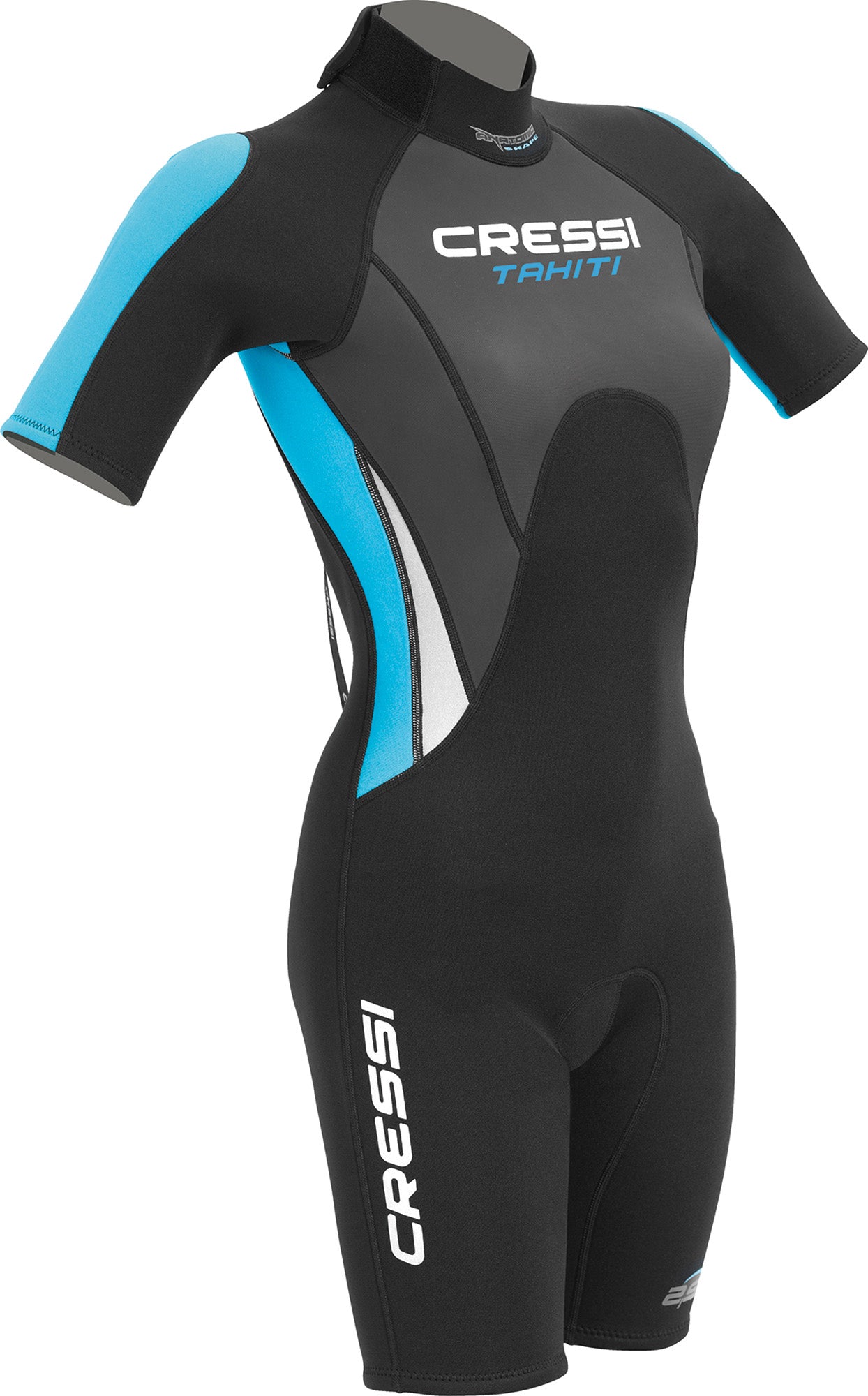
Spring suits and shorties, which offer coverage to the thighs and sometimes short sleeves, are suited for warmer waters. They allow for greater flexibility and are often easier to size due to their reduced coverage. However, ensuring a snug fit to maintain the suit's insulating properties is still crucial.
The thickness of a wetsuit is a critical factor in determining its suitability for different water temperatures. Wetsuits are available in a range of thicknesses, typically measured in millimeters. Thicker suits provide more insulation and are suitable for colder waters, while thinner suits offer greater flexibility and are better suited for warmer conditions. Understanding the temperature range of the waters you'll be in can help you select the appropriate thickness for your wetsuit.
Once you've selected a wetsuit based on your measurements and the type of water activities you'll be engaging in, the final step is to try it on and test its fit.
When trying on a wetsuit, look for a snug fit that allows for full range of motion. There should be no excessive bunching or gaps, particularly in the back, crotch, and under the arms. Perform a series of movements to test the suit's flexibility—reach above your head, squat, and bend at the waist. If the suit restricts any of these movements, consider a different size or model.
It's also wise to test the suit in water, if possible. Many shops offer return policies that allow you to return a suit after a brief water test. This can be invaluable for ensuring the suit performs as expected in its natural environment.
Ensuring the longevity of your wetsuit involves proper care and maintenance. After each use, rinse your wetsuit with fresh water to remove salt, sand, and other debris that can degrade the material. Hang your wetsuit on a wide, padded hanger to maintain its shape and allow it to dry thoroughly, avoiding direct sunlight and heat sources that can cause damage. Periodically treat your wetsuit with a specialized wetsuit cleaner to remove oils and extend its lifespan.
Finding the right wetsuit is a journey that mirrors the adventurous spirit of water sports themselves. It's about understanding your needs, knowing your measurements, and choosing a suit that will become a trusted companion in your aquatic adventures. With the right wetsuit, the world beneath the waves opens up with all its wonders, offering experiences that enrich the soul and ignite the imagination.
Remember, the perfect fit is out there. It's just a matter of diving in, exploring your options, and embracing the adventure of finding it.
Now that you're equipped with the knowledge to find your perfect wetsuit fit, take the next step with Lancaster Scuba. Whether you're gearing up for your next dive or seeking expert guidance, our selection of top-notch scuba gear is designed to enhance your underwater journey. Check out our scuba gear and embrace the full spectrum of "Gear. Dive. Travel." for an unparalleled aquatic experience. Your adventure awaits!


{"one"=>"Select 2 or 3 items to compare", "other"=>"{{ count }} of 3 items selected"}