

Exploring the Depths: Spearfishing in San Diego
Dive into the exhilarating world of spearfishing in San Diego! Discover the best spots, techniques, and gear for an unforgettable underwater adventure.
Read now
In the vast, blue expanse of our world's oceans, there lies an adventure that combines the thrill of diving with the ancient practice of hunting—scuba spearfishing. This pursuit is not just about the catch; it's about immersing oneself in the underwater world, understanding its rules, and respecting its inhabitants. However, the legality of scuba spearfishing varies across the globe, influenced by concerns for safety, conservation, and the balance of marine ecosystems. For enthusiasts eager to explore this unique blend of sport and sustenance, knowing where scuba spearfishing is permitted is the first step towards an unforgettable underwater adventure. Let's dive into the regulations, the best locations, and the ethical considerations that shape the world of scuba spearfishing.
Scuba spearfishing laws are as diverse as the marine life that inhabits our oceans. These regulations are crafted to protect overfished species, ensure diver safety, and preserve the delicate balance of marine ecosystems. Understanding these laws is not only a matter of compliance but also a gesture of respect towards the underwater world.
In the United States, the legality of scuba spearfishing varies by state, with each state imposing its own set of rules and regulations. For instance, California allows spearfishing but with specific restrictions on areas and species. Florida, known for its rich marine life, also permits spearfishing but with strict regulations, especially in protected areas like the Florida Keys National Marine Sanctuary.
Statistics from the Florida Fish and Wildlife Conservation Commission highlight the importance of these regulations, showing a significant increase in the populations of certain species in protected areas, underscoring the positive impact of well-enforced laws.
Australia's vast coastline offers numerous opportunities for scuba spearfishing, particularly in states like Queensland and Western Australia. However, the Great Barrier Reef, a UNESCO World Heritage site, has specific zones where fishing of any kind is restricted. The Australian government's efforts to protect this natural wonder are evident in the zoning plans that allow recreational activities, including spearfishing, in designated areas only.
Recent studies have shown that these protective measures have led to a healthier reef ecosystem, demonstrating the effectiveness of carefully managed spearfishing activities.
European waters present a tapestry of regulations, with countries like Italy and Greece having a rich tradition of spearfishing. These countries allow the practice but with regulations that often include licensing requirements, seasonal restrictions, and protected marine areas where spearfishing is prohibited. The Mediterranean Sea, shared by several countries, is a hotspot for spearfishing enthusiasts, yet it is also a region where conservation efforts are intensifying to address overfishing concerns.
Data from the Mediterranean Science Commission (CIESM) indicates that such regulations are crucial for the sustainability of fish populations in the region, highlighting the need for ongoing monitoring and enforcement.
Safety and ethics form the backbone of responsible scuba spearfishing. Adhering to regulations, respecting marine life, and practicing safe diving techniques are essential components of this adventurous yet contemplative activity.
The allure of the underwater hunt must never compromise diver safety. Proper training, awareness of one's limits, and adherence to diving best practices are non-negotiable aspects of scuba spearfishing. Organizations like PADI and NAUI offer specialized courses that cover both spearfishing techniques and safety protocols, ensuring that divers are well-prepared for the challenges they might face.
Statistics from diving safety organizations highlight the importance of such training, showing a decrease in diving-related accidents among divers who have undergone formal spearfishing education.
Scuba spearfishing, when practiced responsibly, can be a sustainable method of fishing. It allows for selective hunting, targeting only specific species and sizes, thereby reducing bycatch and the impact on marine ecosystems. Ethical spearfishers adhere to catch limits, respect no-take zones, and choose equipment that minimizes harm to the marine environment.
Conservation groups have praised the role of educated spearfishers in marine conservation efforts, noting their contribution to data collection and monitoring of marine populations. This symbiotic relationship between spearfishers and conservation efforts underscores the potential for scuba spearfishing to coexist with environmental stewardship.
When engaging in scuba spearfishing, it is essential to follow best practices to ensure a safe and sustainable experience. Here are some key guidelines to keep in mind:
By following these best practices, you can enjoy scuba spearfishing in a way that is both rewarding and environmentally responsible.
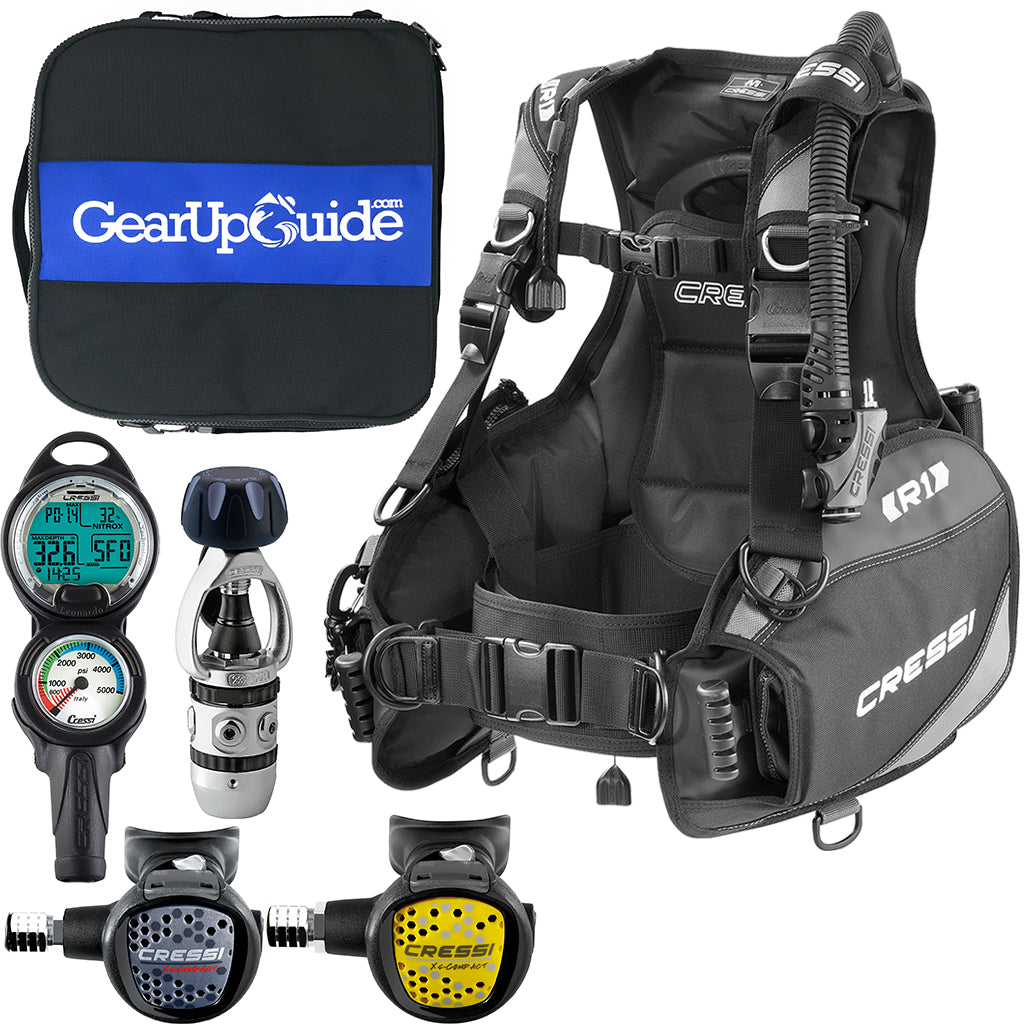
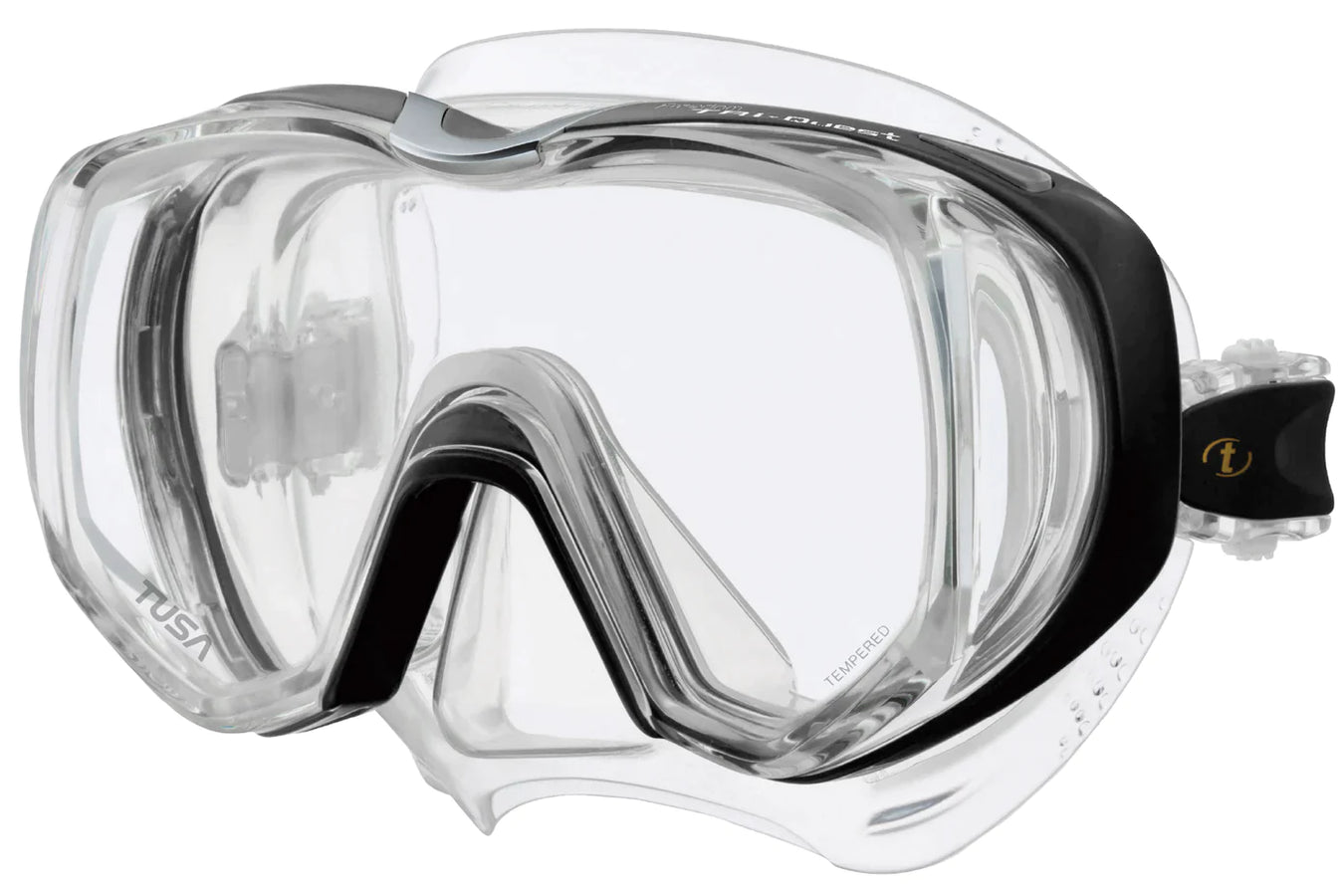
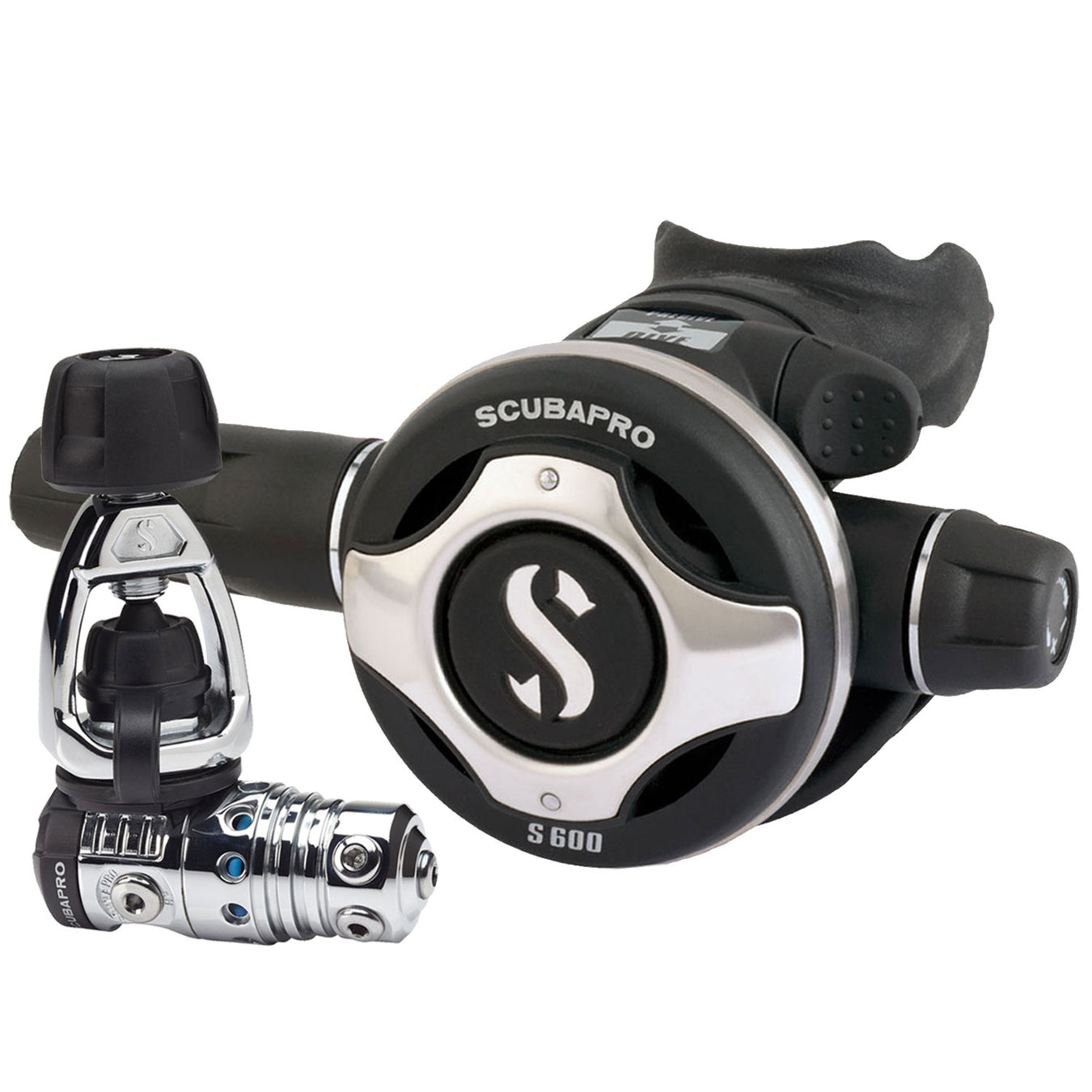
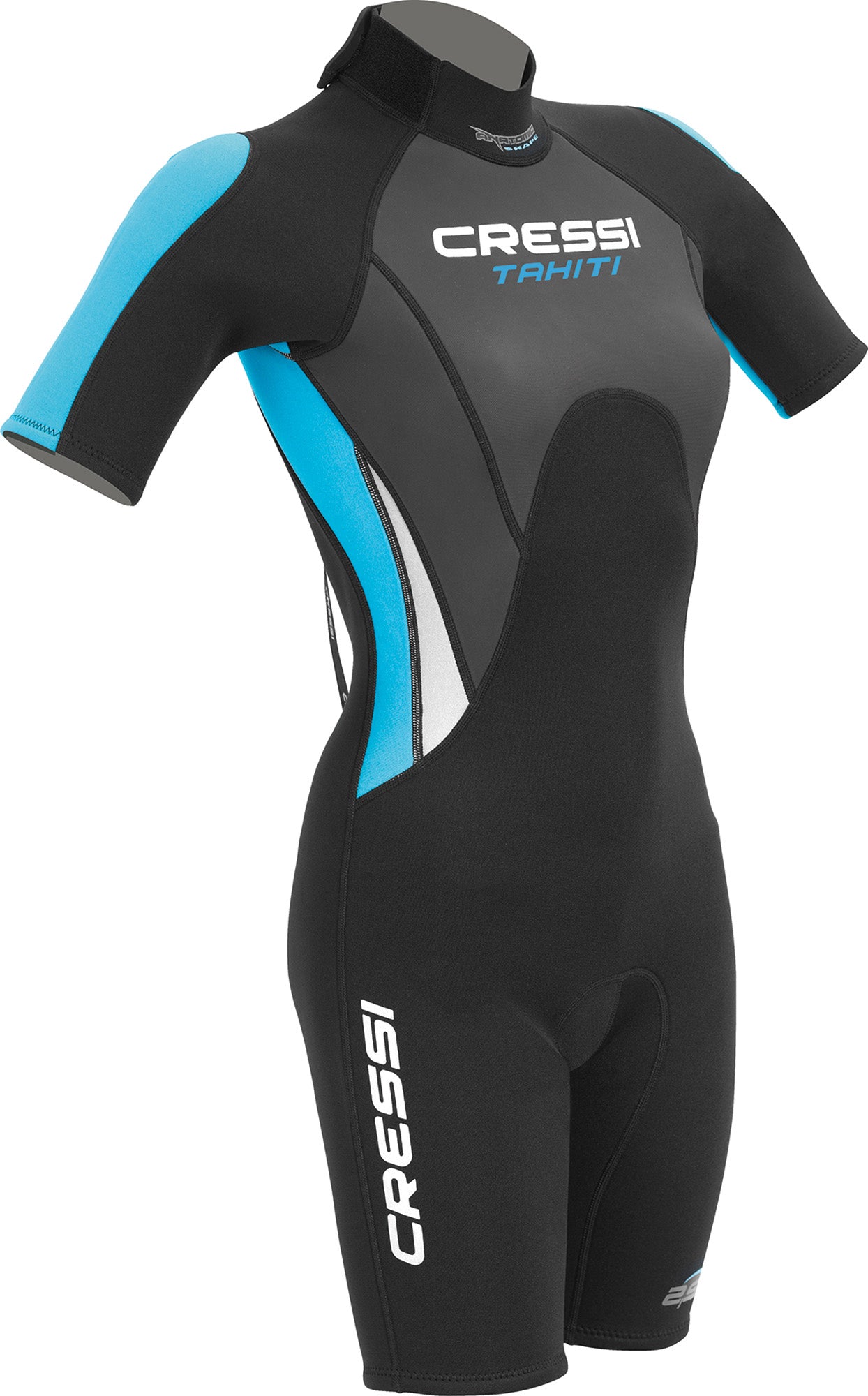
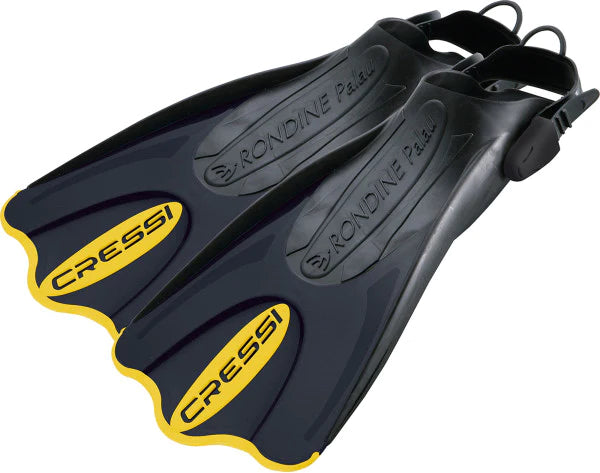
When gearing up for a scuba spearfishing adventure, selecting the right equipment is crucial for success and safety. Here are some essential gear items to consider:
Investing in high-quality gear and maintaining it properly will enhance your scuba spearfishing experience and contribute to your safety and success underwater.
For seasoned spearfishers looking to expand their underwater horizons, exploring new destinations can offer fresh challenges and exciting opportunities. Whether you're drawn to the crystal-clear waters of the Caribbean, the diverse marine life of Southeast Asia, or the rugged coastlines of the Pacific, there are endless possibilities for unforgettable spearfishing adventures around the globe.
Researching potential destinations, understanding local regulations, and connecting with experienced divers in the area can help you make the most of your spearfishing expedition. From remote island chains to bustling coastal cities, each new destination presents a chance to discover unique underwater ecosystems and test your skills in unfamiliar waters.
Remember to approach each new destination with an open mind and a willingness to learn from local experts. By respecting the customs, traditions, and conservation efforts of the communities you visit, you can forge meaningful connections and gain valuable insights into the world of scuba spearfishing.
As you prepare to embark on your next scuba spearfishing adventure, remember that this pursuit is not just about the thrill of the hunt—it's about embracing a way of life that celebrates the beauty and diversity of the ocean. By following the laws, practicing safe diving techniques, and respecting marine life, you can enjoy a fulfilling and sustainable experience that honors the ancient tradition of spearfishing.
So, gear up, dive in, and immerse yourself in the wonders of the underwater world. With each dive, you'll not only deepen your connection to the ocean but also contribute to its preservation for future generations. Let the silent depths be your guide as you explore the legal, safe, and ethical way to experience the magic of scuba spearfishing. The ocean beckons—will you answer its call?
Now that you're equipped with the knowledge of where scuba spearfishing is legal and how to approach it responsibly, it's time to gear up for your underwater journey. Lancaster Scuba is here to support your passion for the deep blue with our extensive selection of scuba gear. Whether you're a seasoned spearfisher or just starting out, we have everything you need to make your next dive safe, enjoyable, and in harmony with the ocean's wonders. Check out our scuba gear and join the Lancaster Scuba community for an unparalleled dive experience. Gear up, dive in, and let the adventure begin!


{"one"=>"Select 2 or 3 items to compare", "other"=>"{{ count }} of 3 items selected"}