

Exploring the Depths: Spearfishing in San Diego
Dive into the exhilarating world of spearfishing in San Diego! Discover the best spots, techniques, and gear for an unforgettable underwater adventure.
Read now
In the vast, azure waters of the Florida Keys, spearfishing enthusiasts find a paradise unlike any other. The allure of the hunt, combined with the breathtaking beauty of the underwater world, creates an adventure that's both thrilling and serene. However, navigating the rules and regulations of spearfishing in this area is crucial for both the preservation of marine life and the safety of those who dive into these waters. This article delves into the essential guidelines, offering insights into the responsible practices that ensure spearfishing remains a cherished activity for generations to come.
At the heart of spearfishing regulations in the Florida Keys is a commitment to conservation and sustainability. These rules are not just legal requirements but a reflection of a collective effort to protect the marine ecosystem. Understanding the framework of these regulations provides a foundation for responsible spearfishing that aligns with the spirit of adventure and stewardship.
The distinction between state and federal waters is pivotal in the context of spearfishing rules. State waters extend up to 3 nautical miles off the Atlantic coast and 9 nautical miles off the Gulf coast. Beyond these boundaries, federal waters take over. Each jurisdiction has its own set of regulations, which can affect everything from the species you're allowed to target to the equipment you can use.
It's essential for spearfishers to be aware of their location relative to these boundaries, as compliance with the appropriate set of rules is a legal requirement. The division also underscores the complexity of marine conservation efforts, which must navigate a mosaic of ecosystems and human activities.
One of the core aspects of spearfishing regulations is the control of which species can be harvested. These rules are in place to protect overfished populations and ensure the long-term health of the marine ecosystem. For example, certain species like Goliath Grouper and Nassau Grouper are protected and cannot be legally taken in Florida waters.
Moreover, size and bag limits apply to many species, designed to ensure that only mature specimens are taken and that the number of fish removed from the ecosystem is sustainable. These regulations are periodically updated based on scientific assessments of fish populations, highlighting the dynamic balance between conservation needs and recreational fishing opportunities.
Spearfishing, while exhilarating, carries inherent risks and ethical considerations. The rules and guidelines surrounding this activity are as much about personal safety as they are about ecological responsibility. Adhering to these principles ensures that the adventure of spearfishing is matched by a commitment to doing no harm.
The choice of equipment and technique in spearfishing is governed by both regulation and best practice. For instance, the use of powerheads, bang sticks, and rebreathers is restricted or prohibited in certain areas. These rules are in place to ensure safety for the diver and to minimize the impact on marine life.
Furthermore, ethical spearfishing practices dictate the use of equipment that matches the diver's skill level and the target species. This approach not only increases the likelihood of a successful hunt but also reduces the chance of injuring non-target species or causing unnecessary suffering to the fish.
Spearfishing is an activity that demands respect for the ocean and a keen awareness of one's own limitations. The importance of dive safety cannot be overstated—conditions in the Florida Keys can change rapidly, and currents, visibility, and marine life behavior can present significant challenges.
Adherence to diving safety protocols, including the use of dive flags, maintaining proper buoyancy, and never diving alone, is essential. These practices protect not only the diver but also other ocean users, ensuring that the pursuit of adventure does not lead to tragedy.
Understanding the environmental impact of spearfishing is crucial for every enthusiast. Beyond the immediate thrill of the hunt, there are broader implications for marine ecosystems that must be considered. By being aware of how their actions can affect the underwater world, spearfishers can make informed decisions that contribute to the overall health of the oceans.
Factors such as habitat destruction, bycatch of non-target species, and disruption of the food chain are all considerations that responsible spearfishers take into account. By minimizing their environmental footprint and actively participating in conservation efforts, divers can enjoy their sport while being stewards of the marine environment.
At its core, the culture of spearfishing is one of respect—respect for the ocean, for marine life, and for fellow enthusiasts. Education and community play pivotal roles in fostering this culture, ensuring that spearfishing remains an activity that enriches rather than depletes.
Education is the cornerstone of responsible spearfishing. Through formal courses and community-led initiatives, spearfishers learn not only the skills necessary for their sport but also the ethical and conservation principles that guide their actions. This education covers everything from species identification and regulations to safe diving practices and emergency response.
Moreover, ongoing education is vital as regulations and best practices evolve. Staying informed through reputable sources and engaging with the spearfishing community helps individuals navigate the complexities of the sport while contributing to its sustainable future.
The spearfishing community in the Florida Keys is a testament to the power of shared values and collective action. Through clubs, online forums, and local events, spearfishers come together to share knowledge, experiences, and a commitment to conservation. This sense of community not only enriches the individual experience but also amplifies the impact of conservation efforts.
Community initiatives, such as reef cleanups and citizen science projects, demonstrate the positive role that spearfishers can play in marine conservation. By working together, the spearfishing community can ensure that the Florida Keys remain a vibrant and thriving environment for both marine life and human adventurers.
Advancements in technology have revolutionized the world of spearfishing, offering both opportunities and challenges. From improved diving gear to underwater drones for scouting, technology has enhanced the efficiency and safety of spearfishing expeditions. However, with these advancements come considerations about their impact on the environment and traditional fishing practices.
It's essential for spearfishers to embrace technology responsibly, using it to enhance their experience without compromising the principles of conservation and ethical hunting. By staying informed about the latest developments and engaging in discussions about their implications, enthusiasts can navigate the evolving landscape of spearfishing with mindfulness and foresight.
In the end, understanding and adhering to Florida Keys spearfishing rules is about much more than legal compliance. It's about embracing a philosophy of respect, responsibility, and adventure. For those who venture beneath the waves, it's a commitment to preserving the very world that offers them so much joy and wonder.
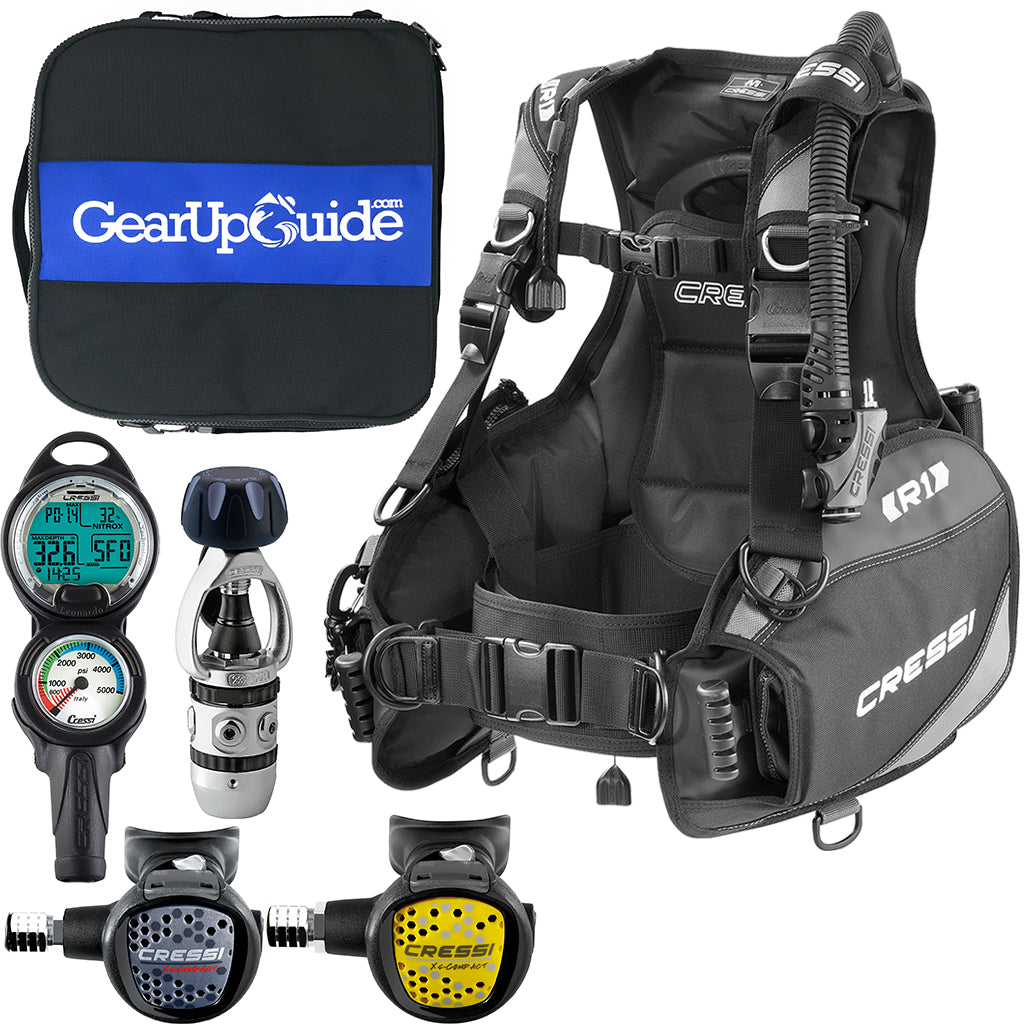
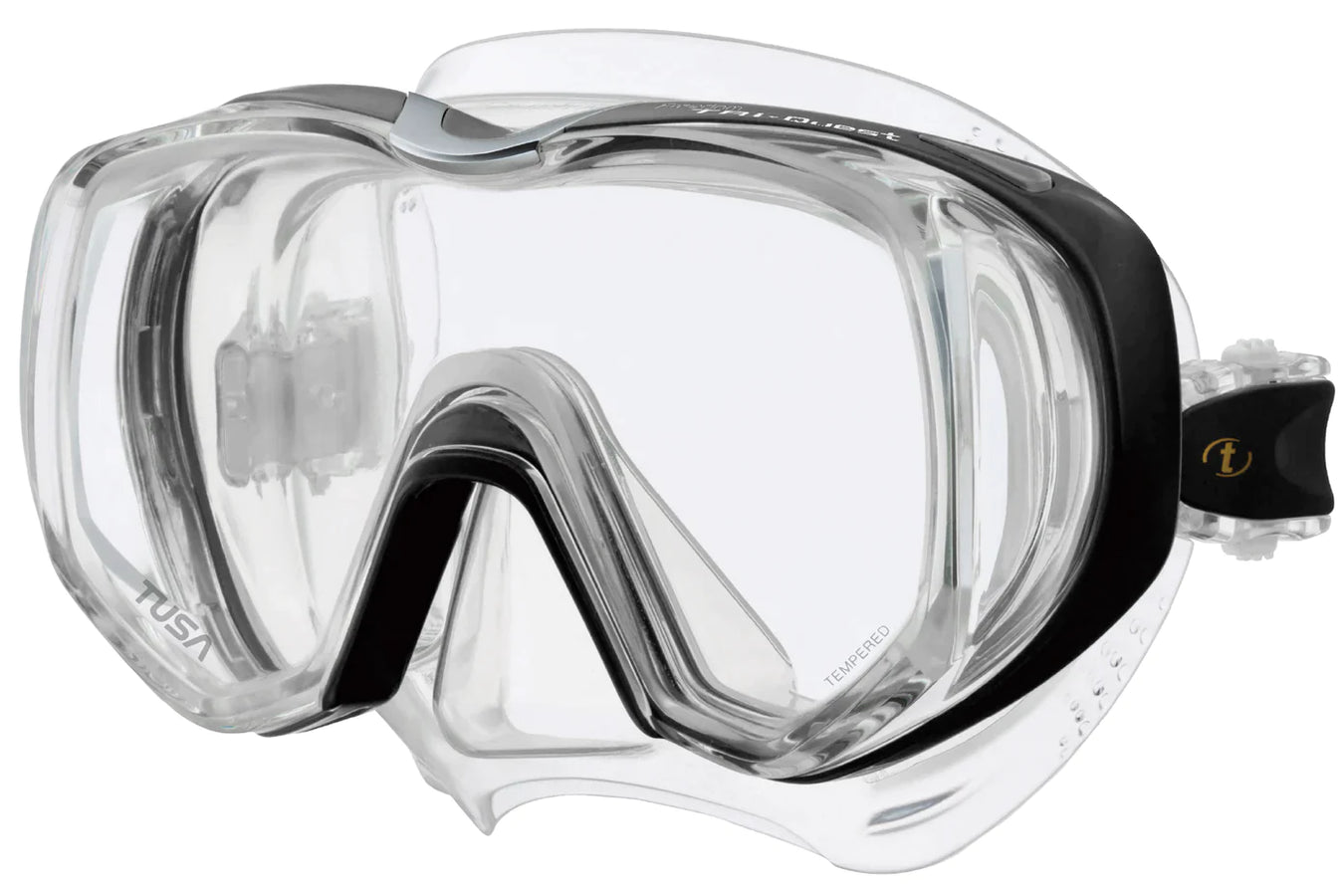
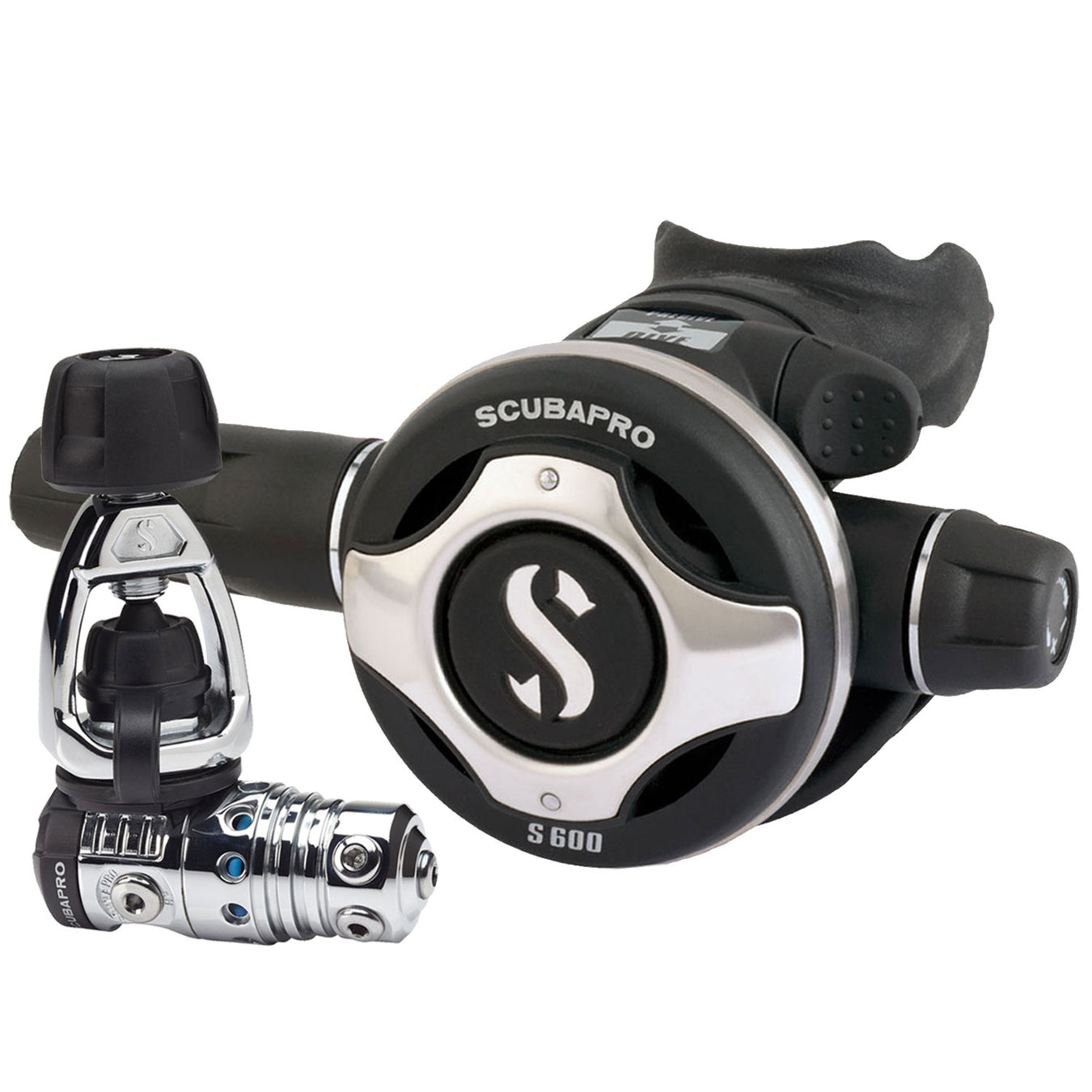
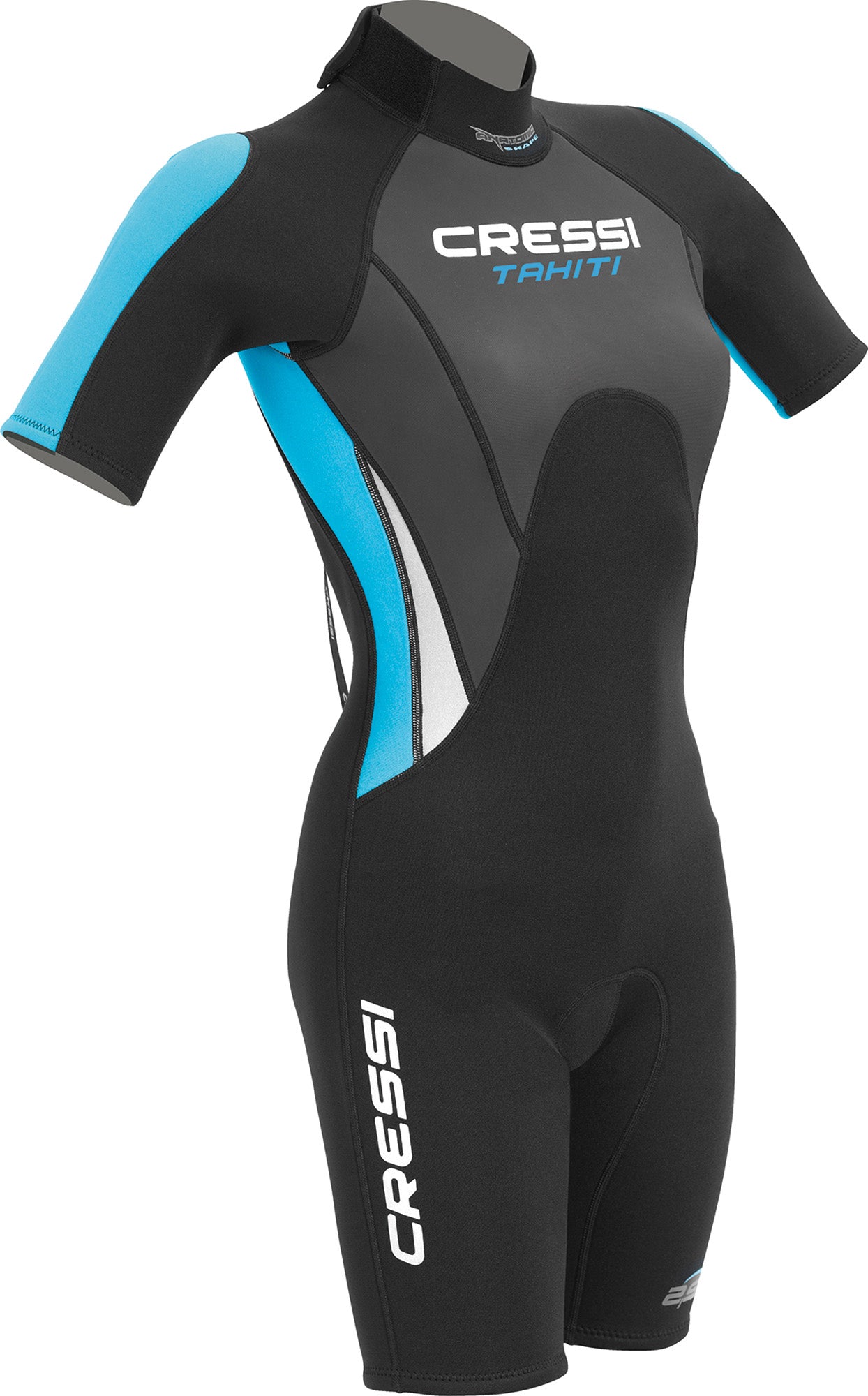
Ready to dive into the Florida Keys and experience the thrill of spearfishing with the utmost respect for the marine environment? Lancaster Scuba is your go-to destination to gear up for your underwater journey. With our extensive selection of top-quality equipment and expert guidance, you'll be well-prepared to embrace the spearfishing adventure responsibly. Check out our scuba gear and join us for a dive that aligns with the spirit of conservation and the excitement of exploration. Gear up, dive in, and travel to the depths with Lancaster Scuba—where your underwater adventures begin.


{"one"=>"Select 2 or 3 items to compare", "other"=>"{{ count }} of 3 items selected"}