

Exploring the Depths: Spearfishing in San Diego
Dive into the exhilarating world of spearfishing in San Diego! Discover the best spots, techniques, and gear for an unforgettable underwater adventure.
Read now
In the realm of underwater adventure, spearfishing stands out as a thrilling pursuit that combines skill, patience, and respect for the aquatic environment. Among the tools available to the modern spearfisher, the pneumatic air spearfishing gun holds a special place for its efficiency and power. However, the use of such equipment comes with its own set of regulations and considerations, especially in regions like Pennsylvania where the blend of natural beauty and legislative framework shapes the experience. This article dives into the intricacies of using pneumatic air spearfishing guns in Pennsylvania, guided by the spirit of adventure and a commitment to safety and conservation.
Understanding the legal framework governing spearfishing in Pennsylvania is crucial for enthusiasts looking to explore its waters. The state's approach to regulating this activity reflects a balance between preserving marine life and providing recreational opportunities.
The Pennsylvania Fish and Boat Commission (PFBC) is the primary authority overseeing fishing activities within the state, including spearfishing. The PFBC stipulates that spearfishing is permissible in certain waters, with specific guidelines on the types of fish that can be targeted and the seasons during which spearfishing is allowed. It's imperative for spearfishers to familiarize themselves with these regulations to ensure a lawful and enjoyable experience.
Moreover, the use of pneumatic air spearfishing guns is subject to additional scrutiny. These devices, known for their power and precision, are regulated to ensure the safety of both the users and the aquatic ecosystem. Spearfishers must adhere to guidelines regarding the power output of their guns and the areas where they can be used, to minimize the impact on protected species and habitats.
Before embarking on a spearfishing adventure in Pennsylvania, obtaining the appropriate permits and licenses is a necessary step. The PFBC requires all anglers, including spearfishers, to have a valid fishing license. This requirement underscores the state's commitment to conservation efforts, as the funds generated from license sales contribute to the maintenance and protection of aquatic resources.
In addition to the general fishing license, spearfishers may need to secure special permits for certain areas or for targeting specific species. These permits are designed to manage the population of fish species effectively and to ensure that spearfishing activities do not disrupt the ecological balance.
Safety is paramount in all forms of spearfishing, but especially so when using pneumatic air guns. These powerful tools require careful handling and a deep understanding of their operation to prevent accidents.
One of the foundational steps in ensuring safety while spearfishing with a pneumatic air gun is obtaining proper training. Many diving and spearfishing organizations offer courses that cover the basics of pneumatic gun operation, maintenance, and safety protocols. These courses provide invaluable knowledge that can help prevent mishaps and enhance the spearfishing experience.
It is essential to practice proper gun handling techniques, including always keeping the gun pointed in a safe direction and never loading the gun outside of the water. Understanding the mechanics of the gun, such as how to load and unload it safely, is crucial to prevent accidental firing and injuries.
Furthermore, maintaining situational awareness while spearfishing is key to avoiding dangerous situations. Being mindful of other divers in the area, monitoring changes in weather conditions, and staying alert to potential hazards can help ensure a safe and enjoyable experience.
The underwater environment in Pennsylvania is diverse, ranging from serene lakes to flowing rivers. Each of these environments presents unique challenges and considerations for spearfishers. For instance, visibility can vary significantly, affecting the accuracy and safety of using pneumatic air guns. Spearfishers must adapt their techniques and exercise caution in different settings to ensure a safe and successful hunt.
Additionally, being familiar with the local marine life and their habitats is essential for responsible spearfishing. Understanding the behavior of different fish species, their preferred environments, and their typical movements can increase the chances of a successful catch while minimizing impact on the ecosystem.
Proper maintenance of spearfishing equipment, including pneumatic air guns, is crucial for ensuring their longevity and performance. Regular cleaning and inspection of the gun, spear tips, and other components can help prevent malfunctions and accidents during dives.
After each use, thoroughly rinse the pneumatic gun with fresh water to remove salt, sand, and debris that could cause corrosion or damage. Check for any signs of wear or damage, such as cracks in the barrel or leaks in the pneumatic system, and address these issues promptly to maintain the gun's integrity.
It is also important to store the pneumatic gun in a cool, dry place away from direct sunlight to prevent degradation of materials and internal components. Lubricate moving parts as recommended by the manufacturer to ensure smooth operation and prevent rust or corrosion.
When selecting pneumatic air spearfishing guns and accessories, consider factors such as the type of fish you intend to target, the depth of the waters you will be diving in, and your level of experience. Different guns have varying power outputs, barrel lengths, and features that cater to specific hunting conditions and preferences.
For beginners, opting for a pneumatic gun with adjustable power settings and a user-friendly design can facilitate learning and improve accuracy. More experienced spearfishers may prefer guns with higher power for larger game or specialized features for advanced techniques.
Investing in quality gear, including durable spears, bands, and reels, can enhance your spearfishing experience and contribute to successful hunts. Researching different brands and models, seeking recommendations from fellow spearfishers, and trying out equipment before making a purchase can help you find the right gear for your needs.
Despite the regulations and safety considerations, spearfishing in Pennsylvania remains an exhilarating adventure for those who seek it. The state's waters are home to a variety of fish species that provide challenging and rewarding targets for spearfishers.
From the vast expanses of Lake Erie to the hidden depths of local rivers and lakes, Pennsylvania offers a plethora of spearfishing spots. Each location has its own charm and challenges, inviting spearfishers to explore and discover the best spots for their adventure. Researching and sharing experiences with the local spearfishing community can uncover hidden gems and enhance the overall experience.
One popular spot for spearfishing in Pennsylvania is the Susquehanna River, known for its diverse fish population and scenic surroundings. Anglers can target species such as smallmouth bass, catfish, and walleye in the river's clear waters, making it a favorite destination for both novice and experienced spearfishers.
Another notable location is Lake Wallenpaupack, a man-made reservoir that offers ample opportunities for spearfishing enthusiasts. The lake is home to various fish species, including trout, bass, and perch, providing a dynamic and rewarding fishing experience throughout the year.
Adapting to the changing seasons is essential for successful spearfishing in Pennsylvania. Each season brings unique conditions that influence fish behavior and habitat preferences, requiring spearfishers to adjust their strategies and techniques accordingly.
During the spring months, fish in Pennsylvania's waters are often more active as they prepare for spawning season. Spearfishers can take advantage of this increased activity by targeting spawning grounds and using lures or bait that mimic natural food sources. Exploring shallow areas near shorelines and underwater structures can yield fruitful catches during this time.
Summer presents its own set of challenges and opportunities for spearfishers. As water temperatures rise, fish may seek cooler, deeper waters, requiring divers to adjust their diving depths and techniques. Utilizing underwater visibility to locate fish and employing stealthy approaches can increase the chances of a successful hunt in the summer months.
At the heart of the spearfishing experience in Pennsylvania is a strong sense of community and a shared commitment to conservation. Spearfishers in the state often engage in activities that promote the health of aquatic ecosystems, such as participating in clean-up dives and advocating for sustainable fishing practices.
Organizing community events, such as beach clean-ups and educational workshops, can raise awareness about the importance of marine conservation and foster a sense of stewardship among spearfishing enthusiasts. By working together to protect the environment and promote responsible fishing practices, the spearfishing community in Pennsylvania contributes to the preservation of marine resources for future generations.
In conclusion, using a pneumatic air spearfishing gun in Pennsylvania is an adventure that combines the thrill of the hunt with a deep respect for the aquatic environment and its regulations. By adhering to legal guidelines, prioritizing safety, and embracing the spirit of conservation and community, spearfishers can enjoy the rich experiences that Pennsylvania's waters have to offer.
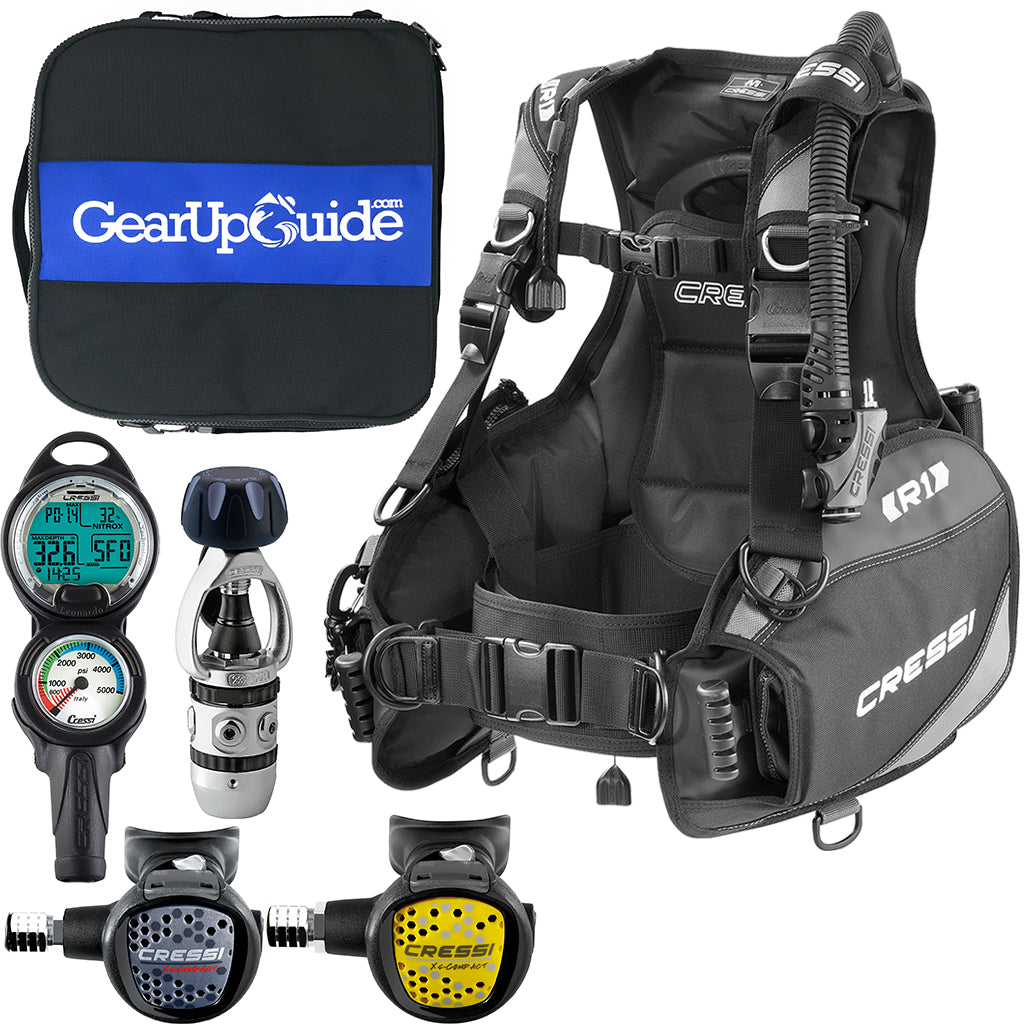
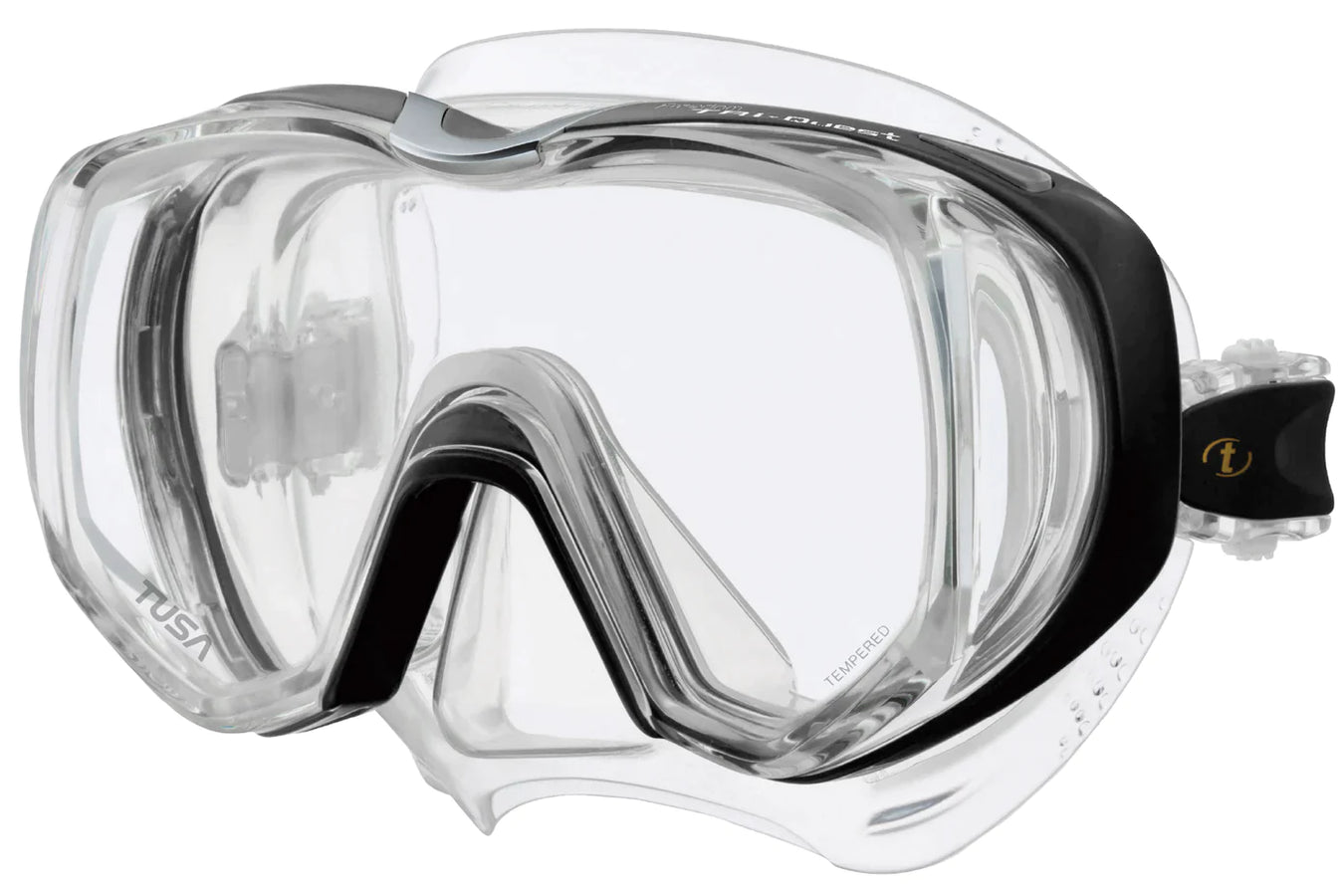
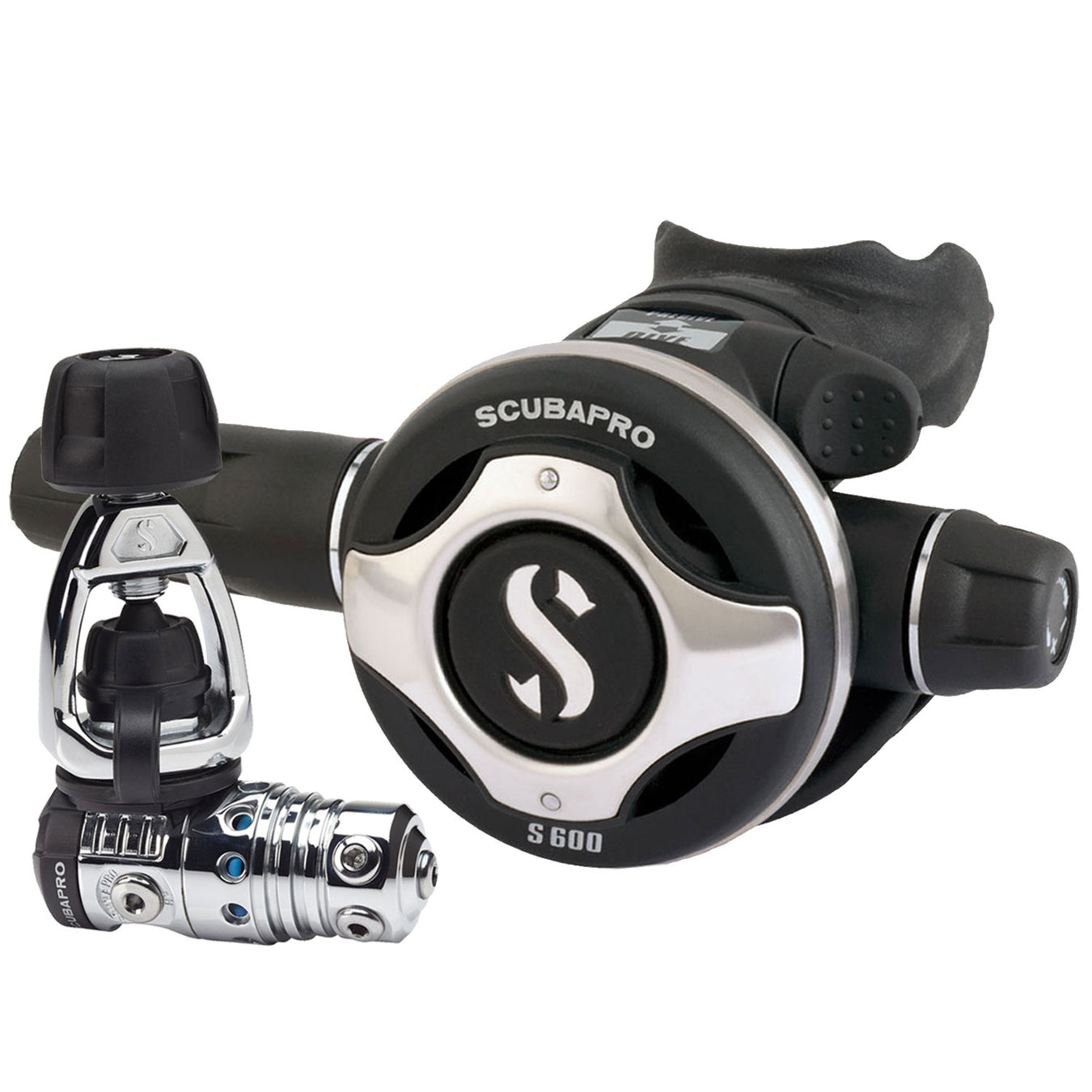
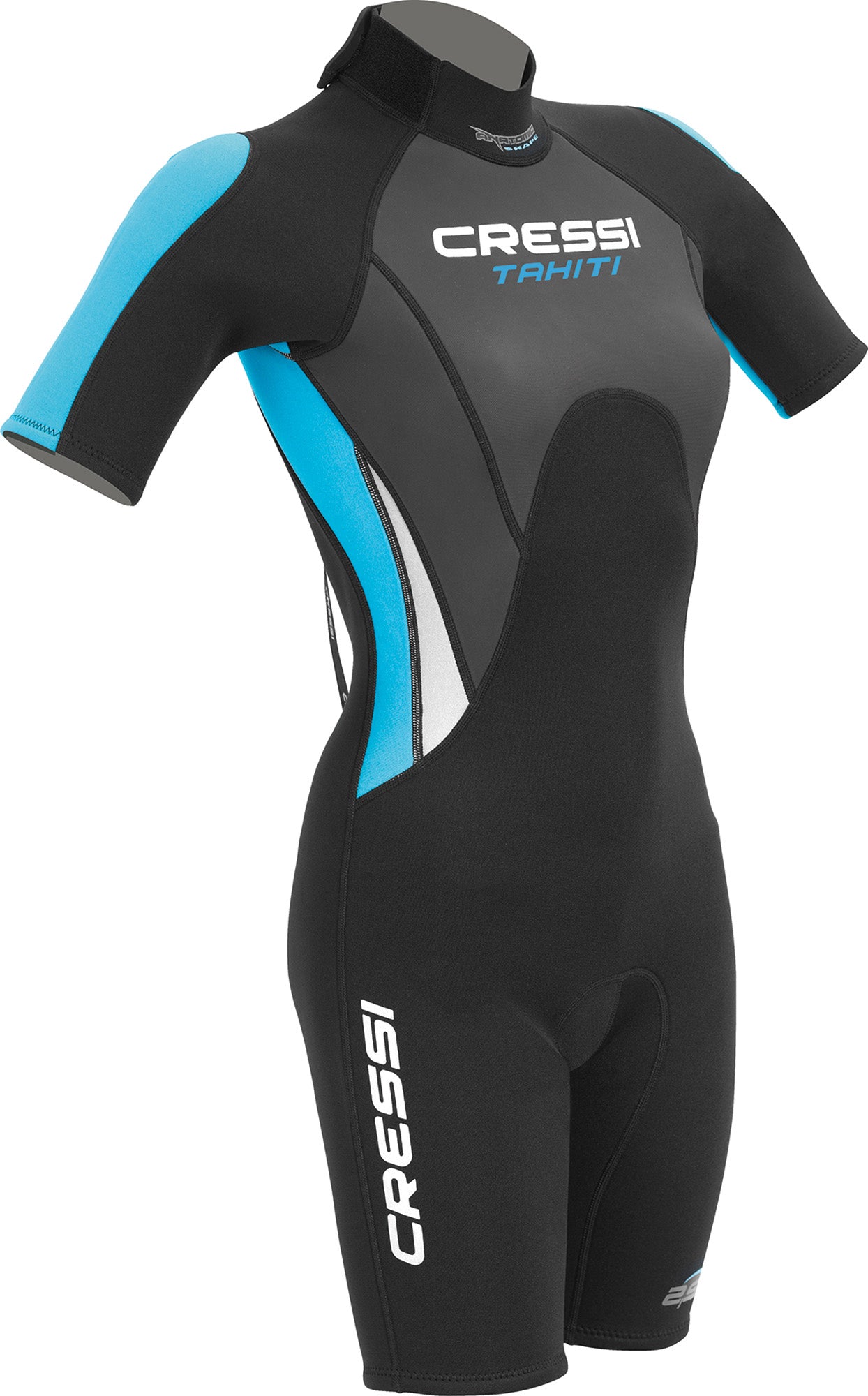
Ready to dive into the world of spearfishing with the right gear and expert guidance? Lancaster Scuba is your go-to destination for all your underwater adventures. Whether you're just starting out or looking to refine your skills, our selection of top-quality scuba and spearfishing equipment, coupled with professional PADI certification courses, will ensure you're prepared for every dive. Don't miss out on our exciting dive trips that cater to every level of experience. Check out our scuba gear today and gear up for an unforgettable journey beneath the waves!


{"one"=>"Select 2 or 3 items to compare", "other"=>"{{ count }} of 3 items selected"}