

Exploring the Depths: Spearfishing in San Diego
Dive into the exhilarating world of spearfishing in San Diego! Discover the best spots, techniques, and gear for an unforgettable underwater adventure.
Read now
In the vast, open waters of Florida, where the Gulf meets the Atlantic, lies a world teeming with life and adventure. Spearfishing, an ancient method of harvesting fish, has found a modern resurgence among those seeking not just the thrill of the hunt but a profound connection with the underwater realm. Yet, navigating the regulations that govern this pursuit is akin to charting a course through unexplored waters. This article delves deep into the essence of spearfishing regulations in Florida, aiming to illuminate the path for enthusiasts and protectors of the marine world alike.
At the heart of spearfishing regulations in Florida is a dual commitment: to ensure the safety of those who venture beneath the waves and to safeguard the marine ecosystems for future generations. These regulations are not mere constraints but a guide to harmonious interaction with the ocean's inhabitants.
The Florida Fish and Wildlife Conservation Commission (FWC) is the steward of the state's aquatic resources, tasked with crafting regulations that balance human activity with ecological preservation. Spearfishing regulations, therefore, are subject to change, reflecting the ongoing efforts to respond to environmental challenges and scientific research findings.
Key legislation includes the Florida Fish and Wildlife Conservation Commission's rules, which outline the species eligible for spearfishing, gear restrictions, and areas where spearfishing is permitted or prohibited. These laws are complemented by federal regulations governing waters beyond the state's jurisdiction, ensuring a comprehensive approach to marine conservation.
Central to the regulations are the species-specific guidelines, which dictate the types of fish that can be harvested, size limits, and seasonal restrictions. For example, the harvesting of certain species, such as Goliath grouper and Nassau grouper, is strictly prohibited, reflecting their vulnerable status. Conversely, species like lionfish, an invasive species detrimental to native marine life, are encouraged targets for spearfishers, with no bag limits imposed.
These species-specific regulations are informed by scientific assessments of fish populations, aiming to prevent overfishing and promote sustainable fishing practices. Adherence to these guidelines is not just a legal obligation but a moral one, ensuring that the spearfishing community contributes positively to the marine ecosystem's health.
Before engaging in spearfishing activities, it is essential for enthusiasts to conduct environmental impact assessments. Understanding the potential effects of spearfishing on marine habitats and ecosystems is crucial for responsible and sustainable participation in this activity. By assessing factors such as the presence of endangered species, the health of coral reefs, and the overall biodiversity of the area, spearfishers can make informed decisions that minimize negative impacts on the environment.
Safety and ethics form the cornerstone of the spearfishing experience, guiding individuals to engage with the underwater world responsibly and respectfully. The regulations surrounding spearfishing are designed not only to protect marine life but also to ensure the well-being of those who dive into these waters.
Safety begins with education. Spearfishers are encouraged to undergo training that covers not just the technical aspects of spearfishing but also safety protocols, such as diving with a buddy, monitoring weather conditions, and understanding the signs of diving-related illnesses. Furthermore, the use of specific gear, like dive flags, is mandated to alert nearby boaters to the presence of divers below the surface.
Adhering to these safety practices minimizes risks, ensuring that spearfishing adventures end with stories of the day's catch rather than tales of close calls or tragedies. It's a reminder that the thrill of the hunt should never compromise the safety of the individual or the integrity of the marine environment.
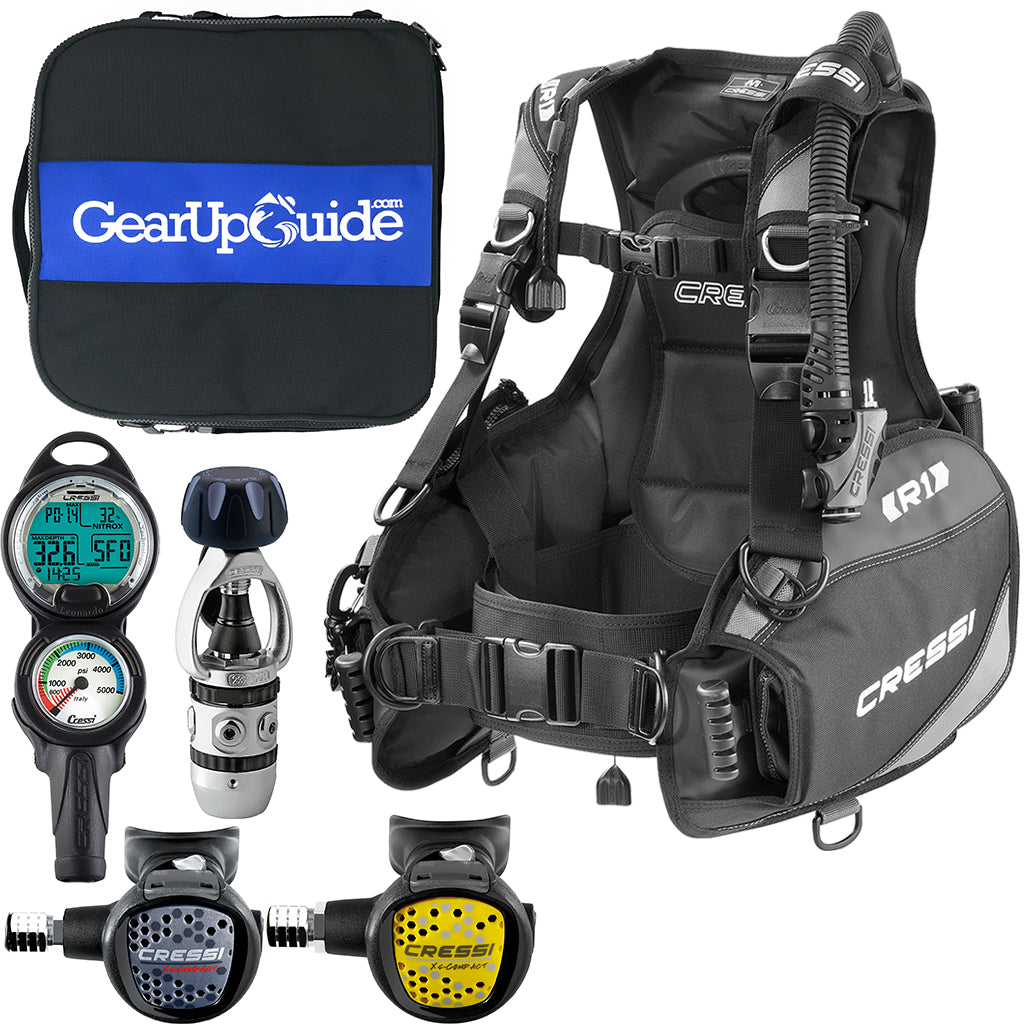
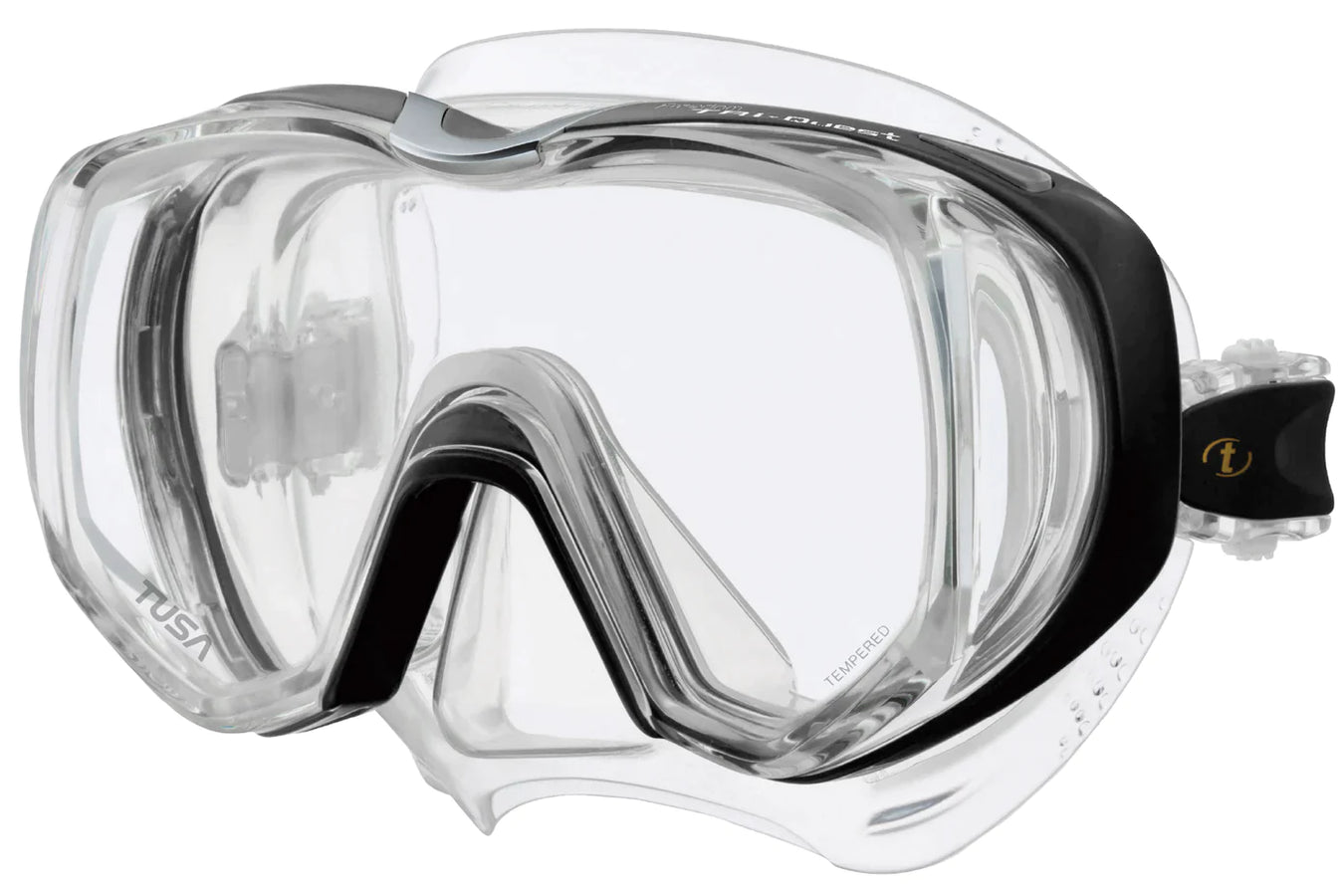
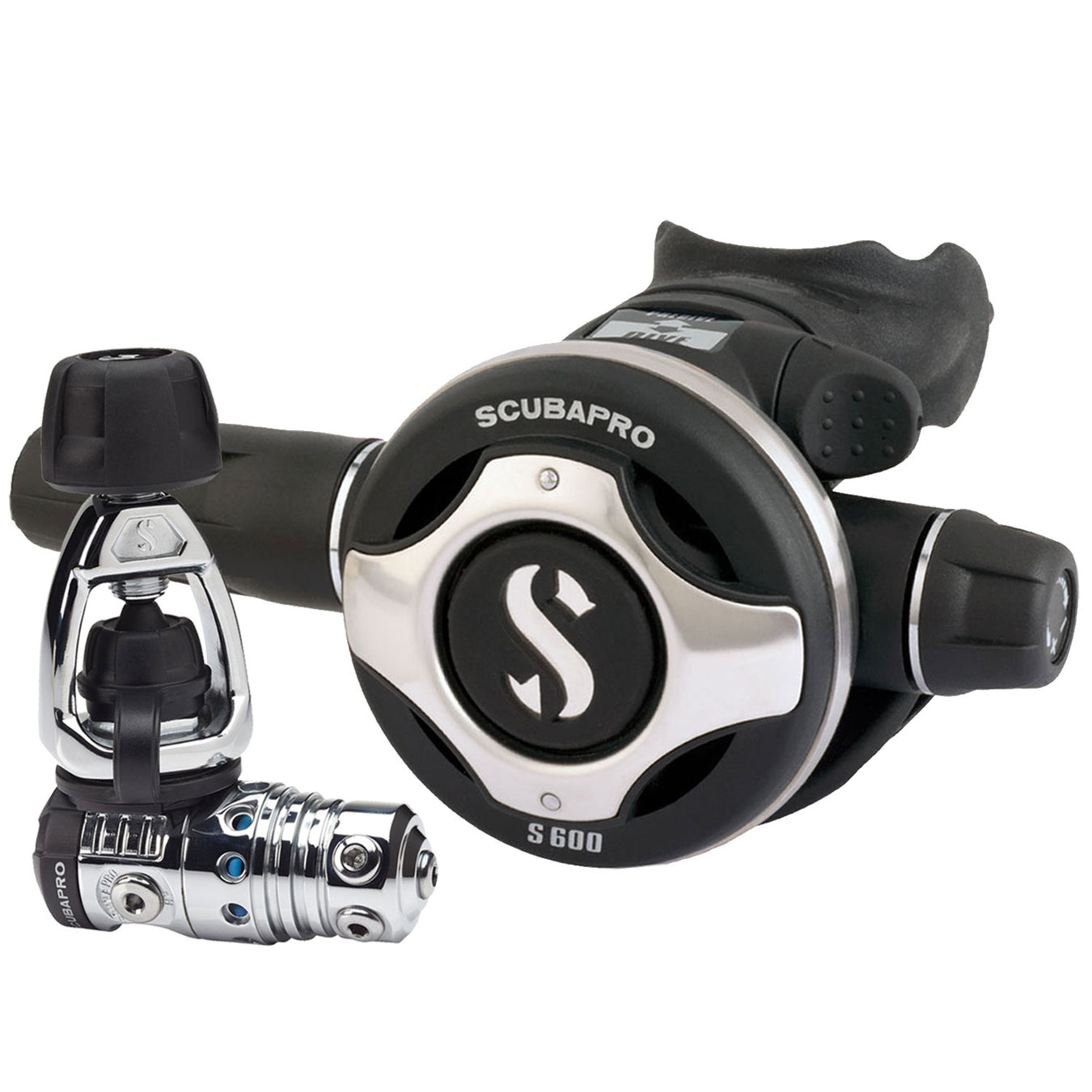
Proper maintenance and regular inspection of spearfishing equipment are essential components of safe diving practices. Ensuring that spearguns, diving masks, snorkels, and other gear are in good working condition can prevent accidents and malfunctions underwater. Spearfishers should routinely check for signs of wear and tear, corrosion, or damage, and promptly address any issues to guarantee the reliability and safety of their equipment.
Ethics in spearfishing extend beyond legal compliance to encompass a respect for the ocean and its inhabitants. This includes choosing targets wisely, aiming for a clean, humane kill, and ensuring that no part of the catch goes to waste. Ethical spearfishers also advocate for and participate in conservation efforts, recognizing their role as custodians of the marine world.
The ethos of spearfishing in Florida is one of stewardship and adventure, where the pursuit of the catch is balanced with a commitment to preserving the underwater world for future generations. It's a pact between humans and nature, forged in the depths of Florida's waters.
As we look to the horizon, the future of spearfishing in Florida is one of continued evolution. Regulations will adapt to new challenges and discoveries, ensuring that this ancient practice remains a sustainable and enriching part of Florida's maritime heritage.
Advancements in technology and ongoing research play a pivotal role in shaping the future of spearfishing regulations. From improved tracking of fish populations to the development of more sustainable spearfishing gear, innovation offers the promise of a more harmonious relationship between spearfishers and the marine environment.
Research, particularly in marine biology and ecology, provides the data necessary to inform regulations, ensuring they are based on the latest scientific understanding. This collaborative effort between the spearfishing community, scientists, and regulators is crucial for crafting policies that protect marine life while allowing humans to continue exploring and enjoying the underwater world.
The spearfishing community's engagement and commitment to education are vital for the future of this practice. By fostering a culture of responsibility and respect, spearfishers can ensure that their passion is passed down through generations, along with the knowledge and values that sustain it.
Education initiatives, ranging from spearfishing workshops to conservation projects, empower individuals with the skills and awareness needed to navigate the complexities of marine ecosystems. This collective effort ensures that spearfishing remains not just a sport but a way of life that honors the ocean's bounty and beauty.
Embracing Sustainable Practices
Embracing sustainable practices in spearfishing involves adopting strategies that minimize environmental impact and promote the long-term health of marine ecosystems. This includes techniques such as selective harvesting, where spearfishers target specific species in controlled numbers to prevent disruptions to the natural balance of marine populations. Additionally, the use of biodegradable gear and eco-friendly materials can reduce waste and pollution in the ocean, contributing to a more sustainable approach to spearfishing.
Preserving marine habitats is essential for the continued success of spearfishing and the overall health of ocean ecosystems. Spearfishers can actively participate in habitat conservation efforts by supporting initiatives that protect coral reefs, seagrass beds, and other critical marine environments. By volunteering for habitat restoration projects, participating in beach clean-ups, and advocating for marine protected areas, spearfishers can contribute to the preservation of the diverse habitats that sustain marine life.
Collaborating with conservation organizations is a powerful way for spearfishers to amplify their impact on marine conservation. By partnering with NGOs, research institutions, and government agencies dedicated to protecting marine biodiversity, spearfishers can contribute to data collection, policy advocacy, and community outreach efforts that benefit the marine environment. Through these partnerships, spearfishers can play a proactive role in safeguarding the ocean for future generations.
In the end, the regulations governing spearfishing in Florida are more than just rules to follow; they are a reflection of our relationship with the marine world. A world that calls to us with the promise of adventure, discovery, and the chance to forge a deeper connection with the natural world. As we chart our course through these regulations, we are reminded of our responsibility to protect and preserve the ocean, ensuring that its wonders endure for generations to come.
As you contemplate the intricate dance of spearfishing amidst Florida's vibrant marine life, let Lancaster Scuba be your guide and outfitter on this journey. With our extensive selection of top-quality gear, expert diving instruction, and thrilling travel opportunities, we're here to ensure your underwater pursuits are both responsible and rewarding. Ready to dive into the depths with the right equipment and knowledge? Check out our scuba gear and join a community passionate about the ocean's wonders. Gear up, dive in, and travel the seas with Lancaster Scuba.


{"one"=>"Select 2 or 3 items to compare", "other"=>"{{ count }} of 3 items selected"}